
Your brakes and rotors are two of the most important parts of your vehicle’s safety system. But how often do you really need to replace them?
Ignoring worn brakes or rotors can lead to costly repairs or even dangerous driving situations. If you want to keep your car running smoothly and protect yourself on the road, understanding when to replace these parts is crucial. Keep reading to find out the signs to watch for and how to know exactly when it’s time for new brakes and rotors.
Credit: www.reddit.com
Signs You Need New Brakes
Knowing the signs of worn brakes helps keep you safe on the road. Brakes that need replacement show clear clues. Recognizing these signs early can prevent accidents and costly repairs. Here are the main signals your brakes need attention.
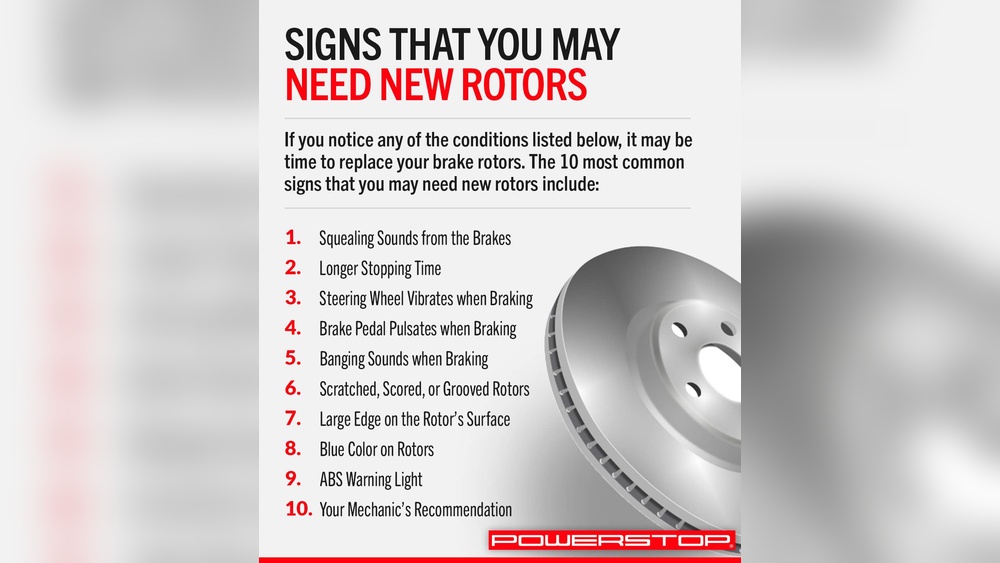
Squeaking And Grinding Noises
High-pitched squeaks often mean brake pads are worn down. Grinding sounds suggest the pads are gone and metal parts touch. Both noises warn of brake damage. Do not ignore these sounds.
Vibration When Braking
Feel vibrations or shaking in the brake pedal? Warped rotors may cause this. Vibrations mean uneven brake surface. This needs fixing for smooth, safe stops.
Longer Stopping Distances
Brakes that take longer to stop are unsafe. Worn pads or rotors reduce braking power. Notice if your car stops slower than usual. Act quickly to avoid danger.
Brake Warning Lights
Dashboard brake warning lights signal issues. These lights turn on for low brake fluid or worn pads. Never ignore warning lights. Check your brakes as soon as possible.
Credit: a1clovis.com
When To Replace Brake Pads
Knowing when to replace brake pads is important for safe driving. Brake pads wear down as you use them. Replacing them on time keeps your brakes working well and prevents damage to other parts.
Average Lifespan Of Brake Pads
Brake pads usually last between 30,000 and 70,000 miles. The exact time varies by car and driving style. Some pads wear out faster in city driving with lots of stops. On highways, pads may last longer due to less frequent braking.
Factors That Affect Wear
Brake pad wear depends on several factors. Heavy loads and steep hills increase wear. Hard braking causes pads to wear quickly. Weather also affects lifespan. Wet or icy roads can make pads wear unevenly. Regular checks help spot wear early.
Types Of Brake Pads And Durability
Brake pads come in different types with varying durability. Organic pads are soft and quiet but wear fast. Semi-metallic pads last longer and handle heat well. Ceramic pads offer the best durability and low noise but cost more. Choose pads based on your needs and budget.
Rotor Replacement Timing
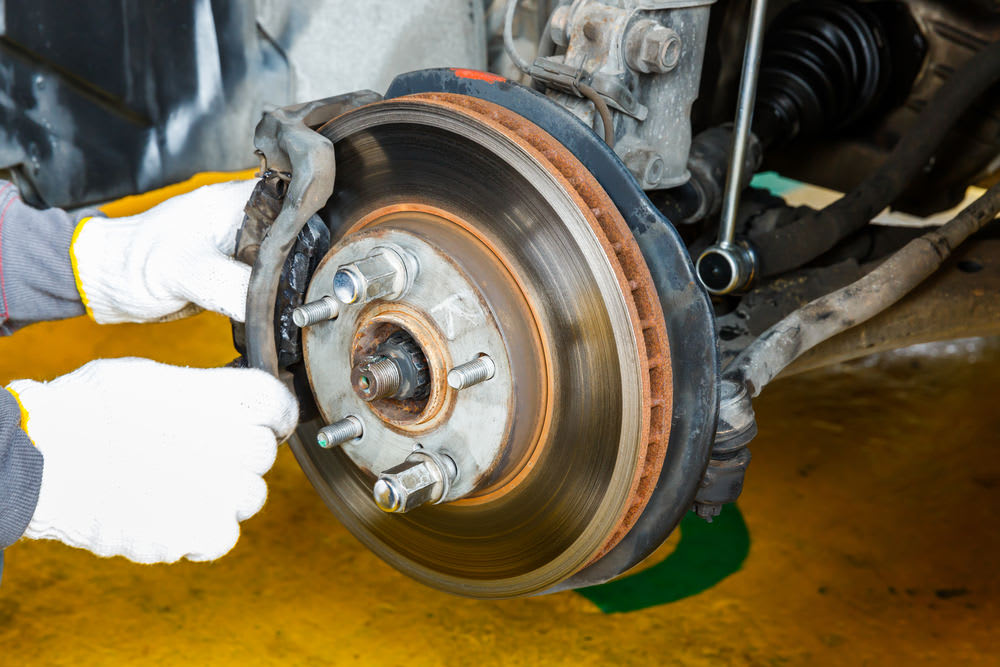
Knowing the right time to replace your brake rotors keeps your car safe. Rotors wear down with use and need checks often. Replacing them at the correct time avoids bigger problems and costly repairs. This section explains how to spot rotor damage, understand thickness limits, and decide between resurfacing or replacement.
Signs Of Rotor Damage
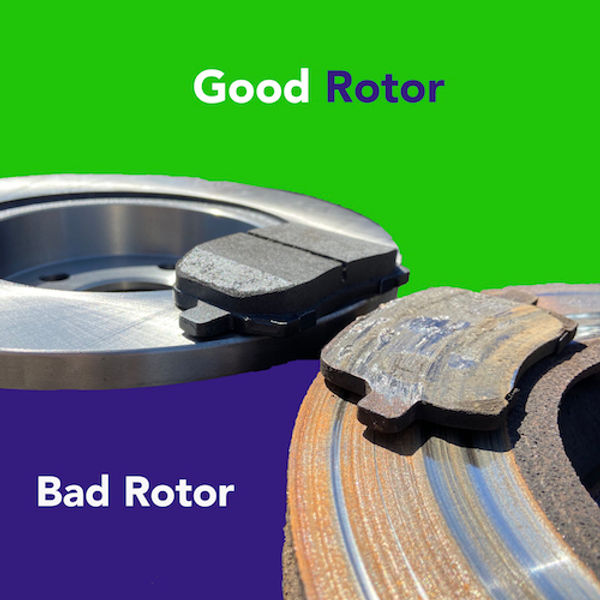
Look for grooves or scoring on the rotor surface. Warped rotors cause shaking or vibration when braking. A burning smell during braking may indicate rotor issues. Listen for unusual noises, like squealing or grinding sounds. These signs show the rotor needs attention or replacement soon.
Minimum Rotor Thickness
Every rotor has a minimum thickness limit set by the manufacturer. Rotors thinner than this limit are unsafe and should be replaced. Mechanics measure thickness with a micrometer during brake inspections. Driving with thin rotors reduces braking power and risks accidents.
Rotor Resurfacing Vs Replacement
Resurfacing smooths the rotor surface by removing a thin layer of metal. This can extend rotor life if the damage is minor. Replacement is necessary when rotors are too thin or badly damaged. Choosing resurfacing or replacement depends on rotor condition and thickness.
Credit: www.yourmechanic.com
Maintenance Tips To Extend Brake Life
Proper maintenance can make your brakes last longer and work better. Taking care of brakes and rotors helps avoid costly repairs and ensures safety. Simple habits and regular checks keep your braking system in top shape.
Driving Habits That Help
Drive smoothly to reduce brake wear. Avoid sudden stops and hard braking. Slow down early instead of braking late. Use engine braking by shifting to lower gears on hills. These habits reduce heat and stress on brakes.
Regular Inspections
Check brakes often for wear and damage. Look for noise, vibration, or longer stopping distance. Inspect brake pads and rotors every 10,000 miles or as advised. Early detection prevents bigger problems and extends brake life.
Choosing Quality Parts
Select brake pads and rotors made from good materials. Cheap parts wear out quickly and may cause damage. Quality parts fit well and perform better. Ask for trusted brands or OEM parts for longer durability.
Cost Considerations
Knowing the cost of brake and rotor replacement helps plan your car maintenance budget. Costs vary by car type, brake quality, and labor charges. Understanding these expenses guides you in making smart repair decisions.
Brake Pad Replacement Costs
Brake pads usually wear out every 30,000 to 70,000 miles. The cost depends on the material, like ceramic or semi-metallic. Typical brake pad replacement costs range from $100 to $300 per axle. Luxury or performance cars may have higher prices. Regular checks help avoid sudden brake pad failure.
Rotor Replacement Expenses
Rotors last longer but need replacement if warped or damaged. Rotor costs vary from $30 to $75 each for standard cars. High-end models or specialty rotors can cost over $150 each. Labor for rotor replacement adds $150 to $200. Replacing rotors with brake pads often saves money.
Diy Vs Professional Service
Doing brake work yourself can save labor costs. Basic tools and knowledge are required for safe replacement. Mistakes can cause brake failure and higher repair costs. Professional service guarantees proper installation and safety checks. Choose based on your skill, tools, and comfort with car repairs.
Frequently Asked Questions
How Often Should Brake Pads Be Replaced?
Brake pads typically need replacement every 30,000 to 70,000 miles. This varies by driving habits and vehicle type. Regular inspection helps ensure safety and optimal braking performance.
When Is It Time To Replace Brake Rotors?
Brake rotors should be replaced when warped, cracked, or below minimum thickness. Usually, rotors last between 50,000 to 70,000 miles. Worn rotors cause vibrations and reduced braking efficiency.
Can I Replace Rotors Without Changing Brake Pads?
It’s best to replace brake pads and rotors together for optimal performance. New pads on old rotors can cause uneven wear and noise. Coordinated replacement ensures smooth braking and longer component life.
What Signs Indicate Brake Replacement Is Needed?
Common signs include squealing noises, reduced braking power, vibration, or a grinding sound. These symptoms suggest worn pads or damaged rotors needing immediate attention for safety.
Conclusion
Brake and rotor wear depends on driving habits and conditions. Regular checks keep your vehicle safe. Listen for noises and watch for vibrations while braking. Replace parts as soon as signs appear. Timely maintenance saves money and prevents bigger problems.
Keep your brakes strong for smooth, safe stops. Stay aware and take action early. Your safety depends on healthy brakes and rotors.


