Water spots on your car’s paint can be frustrating. They ruin the shine and make your car look neglected, even if you just washed it.
But don’t worry—you don’t have to live with those stubborn spots. You’ll discover simple and effective ways to remove water spots and restore your car’s glossy finish. Keep reading to learn how to bring back that showroom shine and protect your paint for the long haul.
Your car deserves it!
Causes Of Water Spots On Car Paint
Water spots on car paint are common and frustrating. These spots appear as small, circular marks that can spoil your car’s shine. Understanding what causes these spots helps in preventing and removing them effectively. Several factors contribute to water spots forming on your car’s paint.
Hard Water Minerals
Hard water contains minerals like calcium and magnesium. When water evaporates, these minerals stay on the paint surface. They leave behind white or cloudy spots that are tough to remove. Over time, these minerals can damage the clear coat and paint.
Environmental Factors
Rain, dust, and pollution also cause water spots. Rainwater often mixes with dirt and pollutants in the air. When this dirty water dries on your car, it leaves marks on the paint. Parking under trees can add sap and bird droppings, making spots worse.
Improper Drying Techniques
Drying your car incorrectly causes water spots. Air drying leaves water droplets that evaporate slowly. This slow evaporation allows minerals to settle on the paint. Using dirty or rough towels can scratch the paint and trap minerals, worsening the problem.
Identifying Water Spots On Paint
Water spots on car paint can be tricky to spot at first. These spots form when water evaporates and leaves minerals behind. Identifying them early helps protect your car’s paint. Knowing what to look for makes removal easier and prevents damage.
Surface Appearance
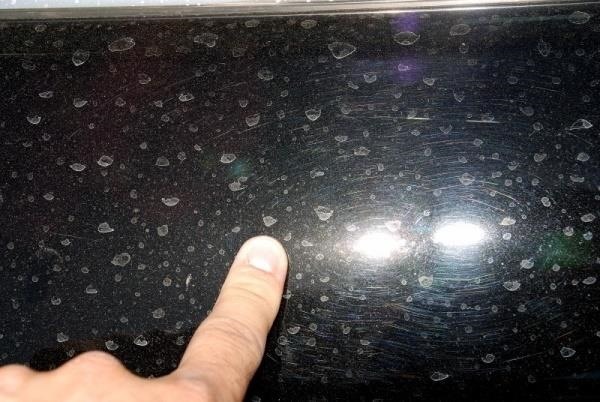
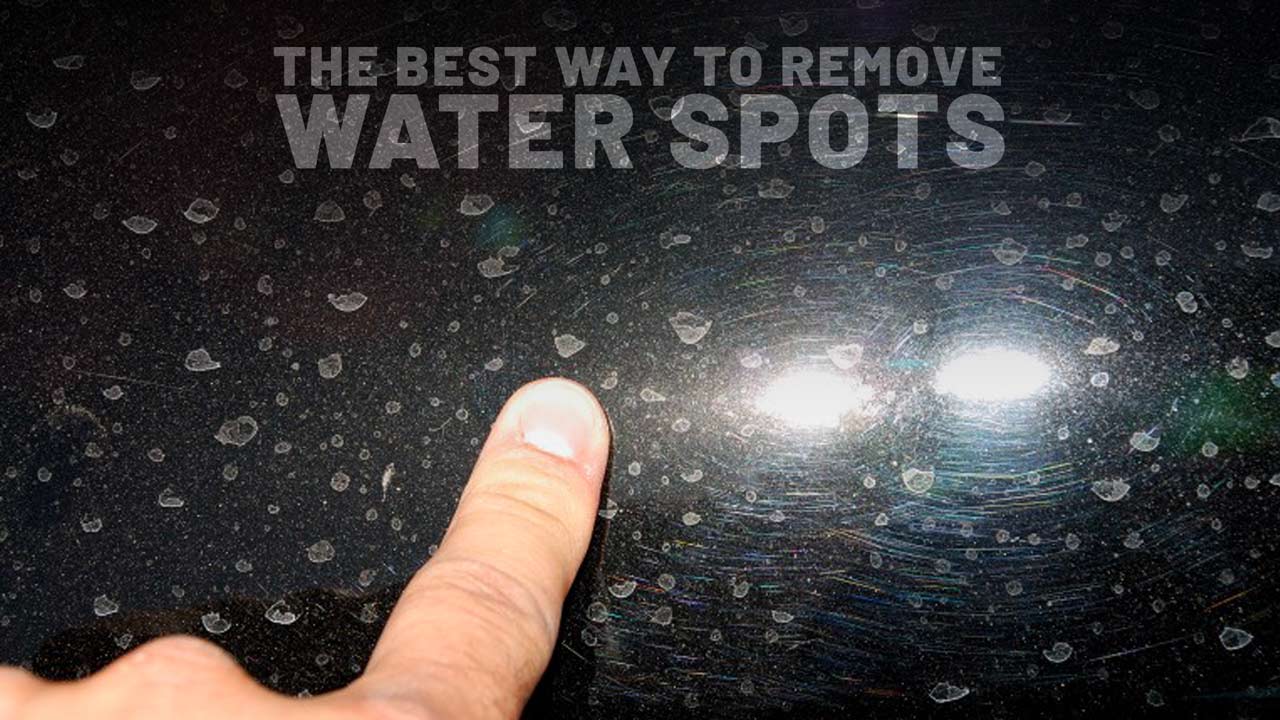
Water spots often look like small, white or light-colored marks. They can feel rough if you run your hand over them. Sometimes, they look like tiny rings or dots on the paint surface. The spots may appear dull or cloudy, affecting the shine of your car. In bright light, water spots become more visible. Check your car in sunlight for a better view.
Spot Severity Levels
Water spots vary in size and depth. Light spots are on the surface and come off easily. Medium spots may have started to etch the paint slightly. Deep spots cause tiny pits or damage in the paint. Severe spots can leave permanent marks if not treated quickly. Early detection helps prevent serious paint damage.
Quick Fixes For Fresh Water Spots
Fresh water spots on car paint can appear quickly after rain or washing. Removing them fast helps protect your car’s finish. Simple methods can clear these spots without damage. Acting soon stops spots from turning into stains. Here are easy ways to fix fresh water spots.
Using Distilled Water
Distilled water is pure and free from minerals. These minerals cause water spots on paint. Use a clean spray bottle to apply distilled water on the spot. Let it sit for a minute to soften the minerals. Then gently wipe the area with a soft cloth. This process can lift fresh water spots safely.
Gentle Wiping Methods
Use a microfiber cloth to wipe the spots. Microfiber is soft and does not scratch paint. Dampen the cloth with distilled water before wiping. Wipe in a circular motion to avoid streaks. Avoid hard scrubbing to protect the car’s surface. Repeat if spots remain, but be gentle each time.
Credit: www.kaliberautodetailing.com
Effective Cleaning Solutions
Removing water spots from car paint needs the right cleaning solutions. These spots form when minerals in water dry on the surface. Some cleaning methods work better than others. Using safe and effective products helps protect your paint. Here are some simple options to try.
Vinegar And Water Mix
A mix of vinegar and water can break down mineral deposits. Use one part white vinegar and one part water. Spray the solution on the spots and let it sit for a few minutes. Gently wipe with a soft cloth. Rinse well with clean water. Avoid strong vinegar as it may damage the paint if left too long.
Commercial Water Spot Removers
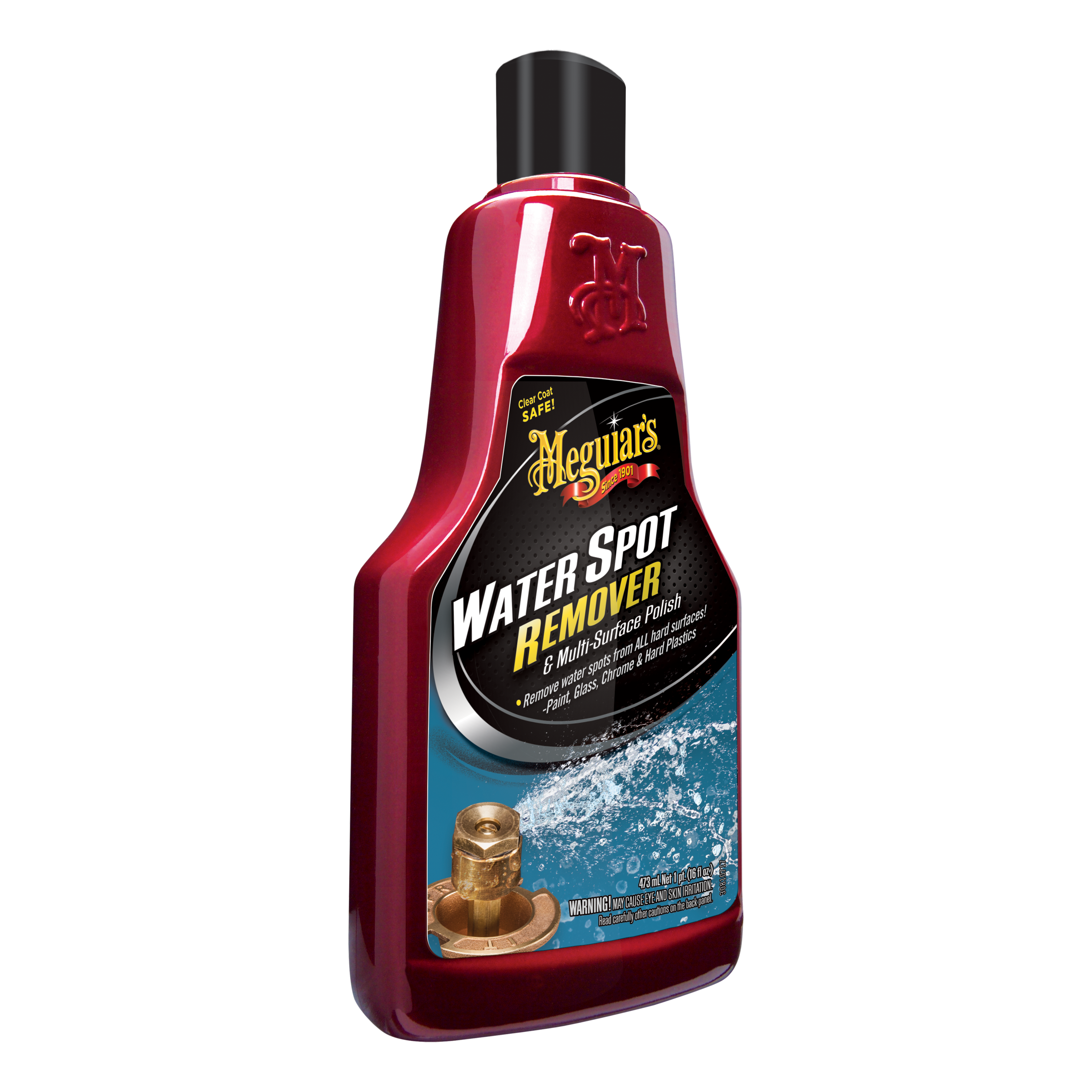
Many products are made specifically for water spot removal. These removers dissolve tough mineral stains without harming the paint. Follow the instructions on the label carefully. Use a microfiber cloth to apply the product. Test on a small area first to check for any reaction. These products save time and provide good results.
Diy Cleaning Pastes
Homemade pastes can also help remove water spots. Mix baking soda with water to make a thick paste. Apply the paste gently on the spots using a soft cloth. Rub in circular motions but do not scrub hard. Rinse off with water and dry with a clean towel. This method is gentle and cost-effective.
Step-by-step Removal Process
Removing water spots from your car’s paint requires a careful approach. Follow the steps below to restore your car’s shine safely and effectively. This process helps protect your paint and improves your car’s look.
Preparation And Safety
Start by washing your car to remove dirt and dust. Use a gentle car soap and water. Dry the surface with a soft towel. Wear gloves to protect your hands from chemicals. Work in a shaded area to avoid fast drying. Gather all cleaning materials before starting.
Applying Cleaning Agents
Choose a water spot remover or white vinegar diluted with water. Apply the cleaner to a microfiber cloth. Gently rub the water spots in circular motions. Do not press too hard to avoid paint damage. Let the cleaner sit for a few minutes. Rinse the area with clean water and dry it.
Buffing And Polishing
Use a clean, soft cloth to buff the treated area. Work in small circles to restore shine. Apply a small amount of car polish to the cloth. Polish the paint to smooth out any dull spots. Finish by wiping off excess polish with a dry cloth. This step protects your paint and enhances gloss.
Preventing Future Water Spots
Preventing future water spots keeps your car’s paint smooth and shiny. Water spots form when minerals in water dry on the paint surface. These spots can be hard to remove and damage the paint over time. The best way to protect your car is to stop spots before they start. Follow simple steps to keep your car’s paint clean and safe.
Regular Washing Routine
Wash your car often to remove dirt and minerals. Use clean water and a gentle car soap. Avoid washing your car under direct sunlight. This helps stop water from drying too fast and leaving spots. Dry the car with a soft microfiber cloth to remove water drops. Regular washing keeps water spots from settling on the paint.
Using Car Covers
Cover your car when it is parked outside. A car cover blocks dust and rainwater. It stops minerals from sticking to the paint. Choose a cover made of soft, breathable material. Covers protect your car from harsh weather and reduce water spots. Use a cover especially if you cannot wash the car often.
Protective Wax And Sealants
Apply wax or sealant to your car’s paint. These products create a barrier on the surface. They prevent water and dirt from sticking easily. Wax and sealants make washing easier and reduce water spots. Use them every few months for best protection. This keeps your car looking fresh and clean longer.
When To Seek Professional Help
Water spots can sometimes be removed at home using simple methods. Yet, some situations need expert care. Knowing when to seek professional help can save your car’s paint from further damage. Professionals have the right tools and skills to handle tough cases safely and effectively.
Severe Damage Cases
Deep water spots may cause lasting harm to your car’s paint. Spots that look etched or have a rough feel often mean the damage is severe. DIY methods might make these worse. Experts can assess the full extent of damage and choose the best treatment. Early professional help can prevent costly repairs later.
Advanced Polishing Techniques
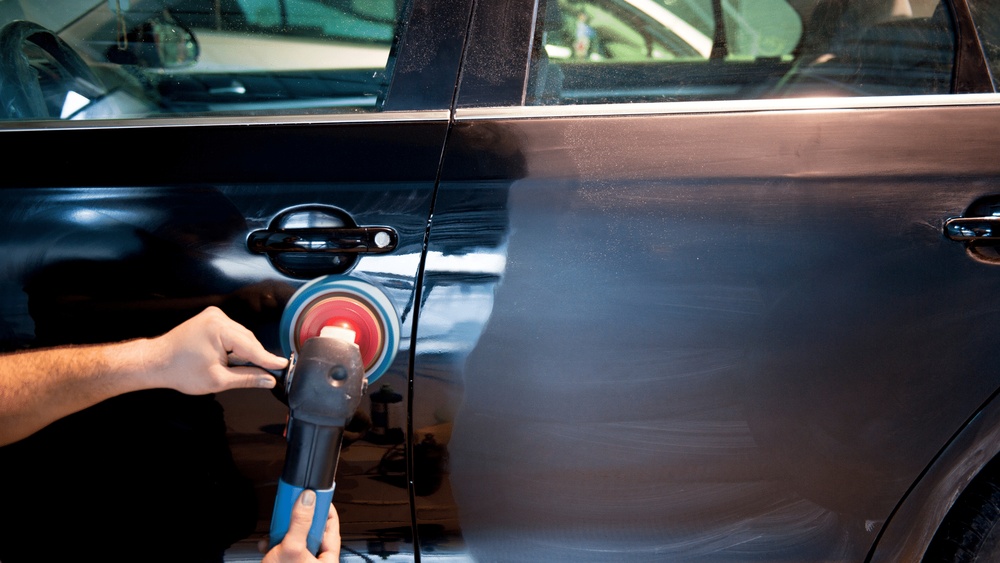
Professionals use advanced polishing tools and products not available to most people. These tools remove water spots without harming the paint. The process requires skill to avoid burning or thinning the paint layer. Expert polishing restores the car’s smooth, shiny surface. This level of care keeps your car looking new longer.
Credit: www.meguiars.com
Credit: www.drbeasleys.com
Frequently Asked Questions
How Do Water Spots Form On Car Paint?
Water spots form when minerals in water dry on the car’s paint surface. These minerals leave behind visible marks and stains. Hard water and rain are common causes. They can damage the clear coat if not removed promptly.
Can Water Spots Damage Car Paint Permanently?
Yes, water spots can cause permanent damage if ignored. Minerals etch into the clear coat, leading to discoloration and dullness. Early removal is crucial to avoid costly repairs or repainting.
What Household Items Remove Water Spots From Car Paint?
Vinegar and distilled water mixed 50/50 can remove mild water spots. Use a soft cloth to gently wipe the surface. Avoid harsh chemicals to prevent paint damage.
Is It Safe To Use Clay Bars For Water Spots?
Yes, clay bars safely remove contaminants like water spots from paint. They lift mineral deposits without scratching the surface. Always lubricate the paint before using a clay bar.
Conclusion
Water spots can ruin your car’s look, but they are fixable. Use gentle cleaners and soft cloths to protect the paint. Act quickly to stop spots from setting in. Regular washing helps keep your car shiny and clean. Small efforts make a big difference over time.
Keep your car looking fresh with simple care steps. Your car deserves the best, and you can do it.