
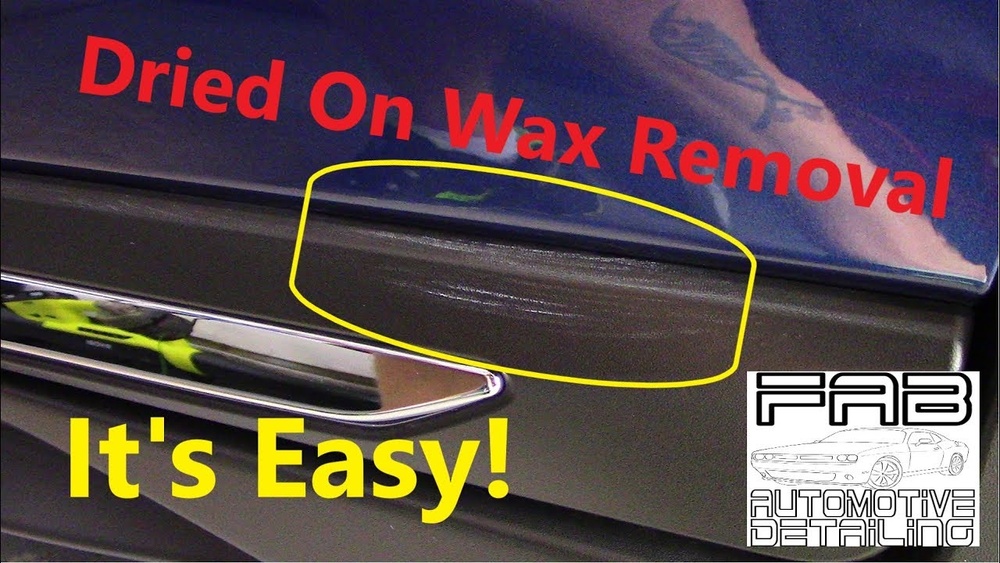
You’ve just finished waxing your car to make it shine, but now there’s wax stuck on the plastic parts, ruining that perfect look. It’s frustrating, right?
Removing wax from car plastic can be tricky if you don’t know the right steps. But don’t worry—this guide will show you exactly how to clean it off without damaging your car. Keep reading, and you’ll learn simple, effective methods to restore your car’s plastic surfaces to their original clean and smooth condition.
Identify The Wax Type
Removing wax from car plastic starts with knowing the wax type. Different waxes react differently to cleaning methods. Identifying the wax helps pick the right remover. It saves time and prevents damage to your car’s plastic parts.
Check The Wax Appearance
Look closely at the wax on the plastic. Some waxes are clear and shiny. Others may look cloudy or white. Paste wax often feels thick and solid. Liquid wax is smooth and easy to spread. This visual check gives clues about the wax type.
Recall The Wax Product Used
Think about what wax was applied. Was it a store-bought product or homemade? Carnauba wax is common in many products. Synthetic waxes also exist and behave differently. Remembering the wax brand or type helps choose the best cleaner.
Test A Small Area
Try removing wax from a tiny plastic spot first. Use a mild cleaner or water with soap. Notice if the wax softens or stays hard. This test shows how stubborn the wax is. It guides you to pick a stronger or gentler remover.
Consider The Wax Age
New wax is easier to remove than old wax. Old wax may harden or bond with plastic surfaces. Wax left for months needs a stronger approach. Knowing the wax age helps avoid scratching or damaging plastic.
Gather Necessary Tools
Gathering the right tools makes removing wax from car plastic easier and safer. Using proper materials prevents damage and saves time. Prepare everything before starting for a smooth process.
Soft Microfiber Cloths
Soft microfiber cloths gently remove wax without scratching plastic. They absorb wax better than regular cloths. Have several clean cloths ready for wiping and buffing.
Plastic-safe Wax Remover
Choose a wax remover made for plastic surfaces. It dissolves wax without harming plastic. Avoid harsh chemicals that can cause discoloration or cracks.
Warm Water And Mild Soap
Warm water and mild soap help clean dirt before wax removal. Soap loosens grime and prepares the surface. Use a bucket and a sponge or cloth for washing.
Soft-bristle Brush
A soft-bristle brush reaches wax in crevices and textured areas. It cleans without scratching. Use gently to avoid damage to plastic details.
Protective Gloves
Protective gloves keep your hands safe from chemicals. They also stop oils from your skin transferring to the plastic. Use gloves made for household or car care tasks.
Test On A Small Area
Testing on a small area is an important step before removing wax from car plastic. This helps avoid damage or discoloration. It ensures the cleaning method is safe for your car’s surface.
Always pick a hidden or less visible spot for the test. This way, any issues will not affect the car’s appearance. The small test area should be clean and dry before starting.
Choose A Hidden Spot
Look for a corner or an edge of the plastic part. This spot is less noticeable if the cleaning process causes harm. Hidden areas give a safe space to try your wax remover.
Apply A Small Amount
Use a cotton swab or soft cloth to apply a tiny bit of product. Avoid soaking the area. A small amount is enough to check for reactions like fading or melting.
Wait And Observe
Leave the product on the plastic for a few minutes. Watch for any changes in color or texture. If the plastic looks the same, it is safe to proceed.
Test Different Cleaners
Try various wax removers on different small spots. This helps find the most effective and safe option. Some cleaners may work better without harming the plastic.

Credit: www.youtube.com
Use Warm Water And Soap
Removing wax from car plastic is easy with warm water and soap. This method softens the wax, making it simple to wipe away. Warm water helps break down the wax’s stickiness. Soap lifts the wax from the plastic surface.
This approach is safe for most plastic parts on cars. It avoids harsh chemicals that can damage or discolor plastic. Use this method for a gentle yet effective clean.
Prepare Warm Soapy Water
Fill a bucket with warm water. Add a few drops of mild dish soap. Stir the water to create suds. Make sure the water is not too hot to avoid damage.
Apply The Solution To The Wax
Dip a soft cloth or sponge into the soapy water. Gently rub the waxed plastic surface. Let the warm soap soften the wax for a few minutes. Avoid scrubbing hard to prevent scratches.
Wipe Away The Wax
Use a clean, damp cloth to wipe the softened wax. Repeat the process if wax remains. Rinse the cloth often to remove wax residue. Dry the plastic with a soft towel.
Apply Plastic-safe Solvents
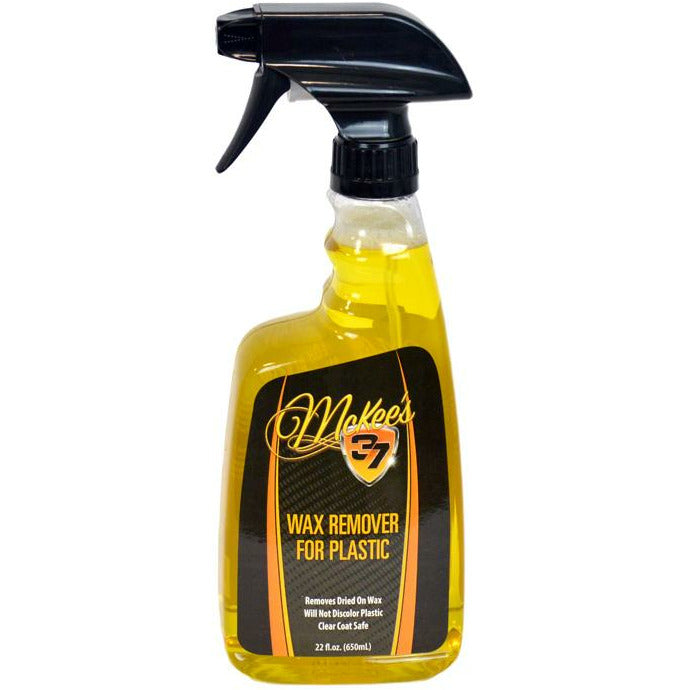
Removing wax from car plastic requires care. Strong chemicals can damage the plastic surface. Using plastic-safe solvents protects your car while cleaning. These solvents dissolve wax without harming plastic. Applying them correctly ensures a clean, smooth finish.
Choose The Right Solvent
Select solvents made specifically for plastic surfaces. Avoid harsh chemicals like acetone or paint thinners. Use isopropyl alcohol or dedicated plastic cleaners. These options dissolve wax gently and safely. Always check the product label for plastic safety. Test the solvent on a small hidden area first.
Proper Application Techniques
Apply solvent with a soft cloth or sponge. Use light pressure to avoid scratching plastic. Work in small sections for better control. Let the solvent sit briefly to break down wax. Wipe away residue with a clean, dry cloth. Repeat if wax remains, but avoid soaking plastic. Finish by rinsing with water and drying thoroughly.
Credit: mckees37.com
Try Household Remedies
Removing wax from car plastic does not need special cleaners. Household items can do the job well. These remedies are easy to find and safe to use on most plastics. Follow the steps carefully to avoid damage.
Vinegar Solution
Mix equal parts of white vinegar and water in a spray bottle. Spray the solution on the waxed area. Let it sit for a few minutes to soften the wax. Use a soft cloth to wipe the area gently. Repeat if some wax remains. Vinegar helps break down wax without harsh chemicals.
Rubbing Alcohol
Apply a small amount of rubbing alcohol on a clean cloth. Rub the waxed plastic surface gently in circular motions. Alcohol dissolves the wax quickly and evaporates fast. Avoid soaking the plastic to prevent damage. After removing the wax, wipe the area with a damp cloth. This method cleans well and leaves no residue.
Use Soft Brushes And Cloths
Removing wax from car plastic needs care. Using soft brushes and cloths helps protect the surface. Hard tools can scratch or damage the plastic. Soft materials gently lift wax without harm.
Choosing the right brush or cloth makes a big difference. Soft bristles reach small crevices. Cloths absorb wax residue well. Together, they make cleaning easier and safer.
Choosing The Right Soft Brush
Select a brush with soft, natural bristles. Avoid stiff or plastic bristles. Soft brushes clean delicate plastic without scratching. They reach tight spots and remove wax gently.
Selecting A Gentle Cloth
Use microfiber or cotton cloths for best results. These cloths pick up wax without spreading it. Avoid rough or abrasive fabrics. Soft cloths protect the plastic’s finish.
How To Use Brushes And Cloths Correctly
Dip the brush or cloth in warm, soapy water. Gently scrub the waxed areas in small circles. Wipe off loosened wax with a clean cloth. Repeat until all wax is removed. Dry the plastic with a soft towel.
Avoid Common Mistakes
Removing wax from car plastic needs care. Small mistakes can damage the surface or leave stubborn stains. Avoiding common errors helps keep your car plastic clean and safe.
Focus on gentle methods and proper materials. Protect the plastic’s look and texture. Here are key points to watch out for.
Avoid Harsh Chemicals
Strong chemicals can harm car plastic. They may cause fading or cracking. Use mild soap or special plastic cleaners instead. Always test products on a small spot first. This stops surprise damage to your car’s surface.
Prevent Scratching Plastic
Scratches ruin the smooth look of plastic. Avoid rough cloths or brushes. Use soft microfiber towels to wipe wax away. Wipe gently in a circular motion. This keeps the surface smooth and scratch-free.
Final Cleaning And Polishing
After removing wax from car plastic, the surface may look dull or have leftover residue. Final cleaning and polishing restore shine and protect the plastic. This step gives your car a fresh, smooth finish that lasts longer.
Cleaning The Plastic Surface
Start by wiping the plastic with a clean microfiber cloth. Use a mild soap and water mix to remove any wax traces. Gently rub the surface in small circles. Dry the area completely with a soft towel to avoid water spots.
Applying A Plastic Polish
Choose a polish made for car plastics. Apply a small amount to a clean cloth. Rub the polish on the plastic using light, circular motions. Work on one section at a time for even coverage. This step brings back the plastic’s natural shine.
Buffing For A Smooth Finish
Use a dry, soft cloth to buff the polished surface. Buff in gentle circles until the plastic looks smooth and glossy. This removes any polish residue and enhances the shine. The plastic will look clean and well-maintained.
Maintain Plastic Surfaces
Maintaining plastic surfaces on your car helps keep it looking new and clean. Wax can leave unwanted residue on plastic parts. Removing wax carefully protects the plastic from damage. Proper care keeps the plastic smooth and shiny for longer.
Clean Plastic Gently
Use a soft cloth or sponge to clean plastic areas. Avoid harsh scrubbing that can scratch the surface. Mild soap and water work best for gentle cleaning. Rinse well to remove all soap and dirt.
Use Plastic-safe Products
Choose cleaning products made for car plastics. These products remove wax without harming the material. Avoid strong chemicals like alcohol or acetone. These can cause fading or cracks.
Apply Protectant After Cleaning
After cleaning, apply a plastic protectant. This helps keep plastic soft and prevents drying out. Protectants also add a light shine. Use a small amount and spread evenly with a cloth.
Regular Maintenance Routine
Clean plastic surfaces often to avoid wax buildup. Regular care makes future cleaning easier. Inspect plastic parts for damage or stains. Fix small issues early to keep plastic in good shape.

Credit: www.wikihow.com
Frequently Asked Questions
How Can I Safely Remove Wax From Car Plastic?
Use a soft microfiber cloth with warm, soapy water. Gently rub the wax area until it softens and wipes away. Avoid harsh chemicals to prevent plastic damage.
What Household Items Remove Wax From Car Plastic?
Warm water, mild dish soap, and white vinegar work well. Apply with a soft cloth, gently clean the wax, then rinse and dry.
Can Wax Damage My Car’s Plastic Parts?
Wax can cause dullness or stickiness if left too long. Timely removal prevents buildup and maintains plastic’s appearance and durability.
Is It Safe To Use Rubbing Alcohol On Car Plastic Wax?
Yes, but use sparingly and test first. Apply with a cloth, gently rub wax, then rinse immediately to avoid plastic damage.
Conclusion
Removing wax from car plastic takes patience and the right tools. Start with gentle cleaning and avoid harsh chemicals. Use soft cloths and mild cleaners to protect the plastic. Small, careful steps prevent damage and keep your car looking good.
Regular care helps maintain plastic parts longer. Remember, clean surfaces look better and last more. Keep your car fresh and well-kept with simple wax removal methods. Easy to do and worth the effort.


