

Your vehicle’s fuel filter plays a crucial role in keeping your engine running smoothly. If your engine feels sluggish or you notice a drop in fuel efficiency, the fuel filter might be the culprit.
But don’t worry—replacing it yourself is easier than you think. In this guide, you’ll discover simple, step-by-step instructions that save you time and money. By the end, you’ll have the confidence to tackle this task on your own and keep your car performing at its best.
Ready to learn how to replace your fuel filter quickly and safely? Let’s get started!

Credit: www.goldeagle.com
Signs Of A Clogged Fuel Filter
A clogged fuel filter stops fuel from reaching the engine properly. It causes many driving problems. Knowing the signs helps you fix the issue early.
Here are common signs that show your fuel filter might be blocked.
Reduced Engine Power
The engine feels weak and slow. It struggles to accelerate. This happens because less fuel reaches the engine. The car may hesitate on hills or during fast driving.
Difficulty Starting
The engine takes longer to start or won’t start at all. A clogged filter limits fuel flow. The fuel needed to ignite the engine is not enough. You might hear the starter but the engine won’t run.
Engine Misfires
The engine runs unevenly or shakes. Misfires occur when fuel flow is poor. The spark plugs don’t get enough fuel to burn. This causes rough idling and poor performance.
Credit: www.youtube.com
Tools And Materials Needed
Replacing a fuel filter requires specific tools and materials. Using the right items makes the task easier and safer. Preparing everything before starting saves time and avoids frustration.
Replacement Fuel Filter
Choose a fuel filter that matches your vehicle’s make and model. Using the correct filter ensures proper fuel flow and engine performance. Check the part number in your car manual or ask at an auto parts store.
Wrenches And Screwdrivers
Wrenches help loosen and tighten fuel line fittings. A set of open-end or adjustable wrenches works well. Screwdrivers remove clamps or screws holding the filter in place. Have both flathead and Phillips screwdrivers ready.
Safety Gear
Wear safety glasses to protect your eyes from fuel splashes. Use gloves to keep your hands clean and safe. Work in a well-ventilated area to avoid breathing fumes. Keep a fire extinguisher nearby for emergencies.
Preparing Your Vehicle
Preparing your vehicle is the first step to replace a fuel filter safely. It helps you avoid damage and keeps you safe. Taking time to prepare makes the job easier and faster.
Follow these steps carefully before you start working on the fuel filter.
Locate The Fuel Filter
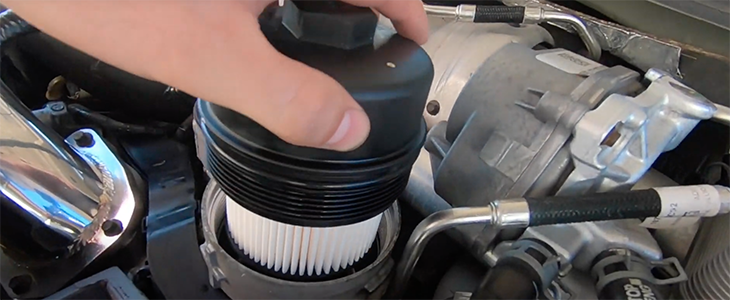
The fuel filter is usually found along the fuel line. Check near the fuel tank or engine bay. Use your car’s manual to find the exact spot. Some cars have the filter inside the fuel tank.
Relieve Fuel System Pressure
Fuel pressure can cause fuel to spray out. This is dangerous and messy. To avoid this, relieve the pressure first. You can do this by removing the fuel pump fuse. Then, start the engine and let it die. This drains the pressure safely.
Ensure Safety Precautions
Work in a well-ventilated area to avoid fumes. Keep a fire extinguisher nearby. Wear gloves and safety glasses to protect your skin and eyes. Avoid smoking or open flames during the process.
Credit: ecogard.com
Removing The Old Fuel Filter
Removing the old fuel filter is the first step in replacing it. This task requires care and attention. The filter connects to fuel lines and is held by a bracket. Fuel may spill during removal. Follow these steps to remove it safely and cleanly.
Disconnect Fuel Lines
Locate the fuel lines attached to the filter. Use pliers or a wrench to loosen the clamps. Pull the lines off gently to avoid damage. Have a rag ready to catch any leaking fuel. Work slowly to prevent spills and keep parts intact.
Remove Mounting Bracket
Find the screws or bolts holding the filter bracket. Use the correct tool to unscrew them carefully. Keep the screws safe for reinstallation. Slide the filter out once the bracket is free. The filter should come off easily without force.
Handle Fuel Spills
Fuel spills can be dangerous and messy. Use a clean cloth to soak up any fuel drops. Dispose of the cloth in a safe place away from heat. Work in a well-ventilated area to avoid fumes. Clean the area around the filter before installing the new one.
Installing The New Fuel Filter
Installing the new fuel filter is a crucial step in maintaining your vehicle’s fuel system. Proper installation ensures fuel flows smoothly and the engine runs efficiently. Follow these steps carefully to avoid leaks or damage.
Position The Filter Correctly
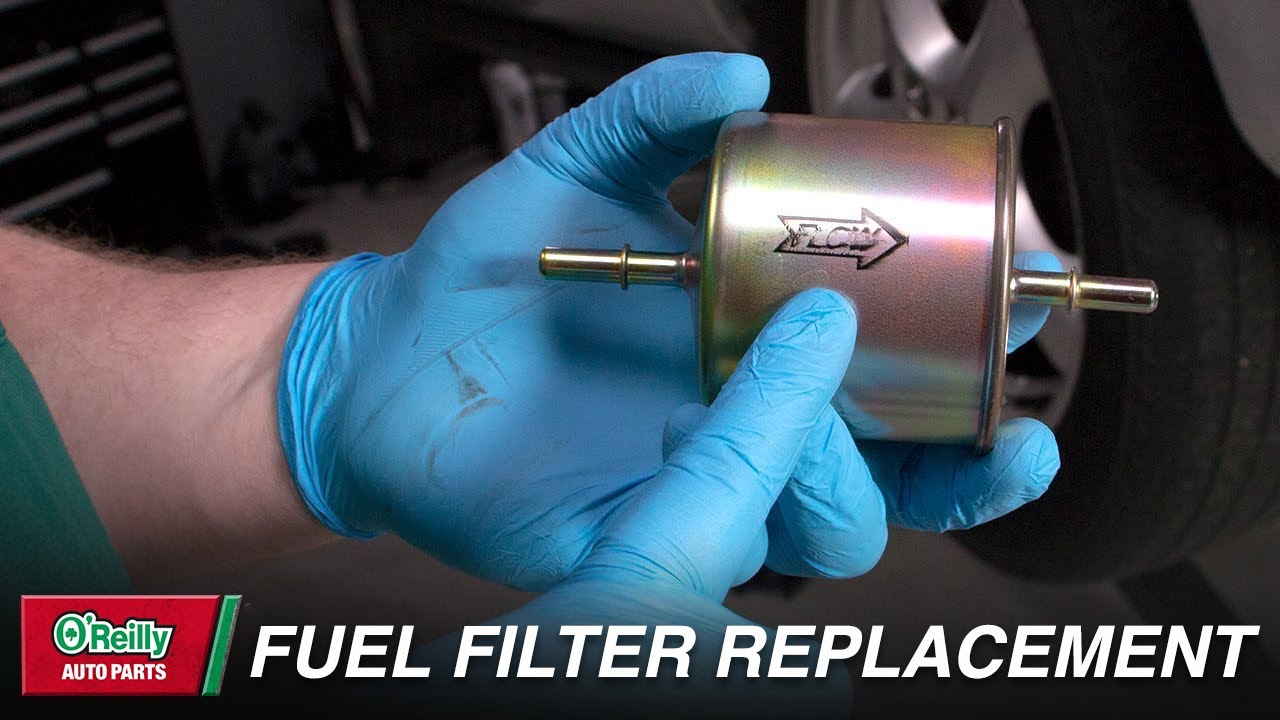
Check the new filter for an arrow or label showing fuel flow direction. Align the filter so the arrow points from the fuel tank to the engine. Incorrect positioning can block fuel flow and cause engine problems.
Reconnect Fuel Lines
Attach the fuel lines to the new filter’s inlet and outlet. Push the connectors firmly until they click or fit snugly. Loose connections can cause leaks and reduce fuel pressure.
Secure The Filter
Use the original bracket or clamp to hold the filter in place. Tighten any screws or bolts securely but avoid over-tightening. A stable filter prevents vibrations and damage during driving.
Testing The New Installation
Testing the new fuel filter installation is important. It ensures your vehicle runs safely and smoothly. This step confirms the filter is working and there are no issues. Follow these simple checks to verify the job is done right.
Check For Leaks
Look closely around the fuel filter. See if any fuel is dripping or wet spots appear. Fuel leaks can be dangerous and waste fuel. Tighten connections if you spot leaks. Make sure all clamps and fittings are secure.
Start The Engine
Turn the ignition and start the engine. Listen carefully for unusual sounds. The engine should start easily without hesitation. If the engine struggles, double-check your work. A smooth start means the filter is installed well.
Monitor Engine Performance
Drive the vehicle for a short distance. Notice if the engine runs smoothly without stalling. Pay attention to any strange smells or noises. Good engine performance shows the fuel filter is clean and effective. Replace the filter again if problems continue.
Maintenance Tips For Fuel Filters
Fuel filters keep your engine clean and running well. Regular care helps avoid engine problems and saves money. Knowing how to maintain fuel filters extends their life and improves fuel flow.
Here are key tips to keep fuel filters in good shape and know when to act.
Replacement Intervals
Change your fuel filter based on your vehicle’s manual. Most filters need replacement every 20,000 to 40,000 miles. Old filters clog and reduce fuel efficiency. Stick to the recommended schedule for best results.
Signs To Watch For
Watch for engine trouble like rough idling or slow acceleration. Fuel smells inside the car can mean filter issues. Hard starting or stalling might also signal a dirty filter. Check your filter if these signs appear.
Choosing The Right Filter
Pick a fuel filter that fits your vehicle model. Use filters from trusted brands for reliability. Avoid cheap filters that may fail quickly. Correct size and quality ensure proper fuel flow and engine safety.
Frequently Asked Questions
What Tools Are Needed To Replace A Fuel Filter?
You need a wrench, screwdriver, new fuel filter, safety gloves, and a container to catch fuel. These tools ensure safe and efficient replacement.
How Often Should I Replace My Fuel Filter?
Replace the fuel filter every 20,000 to 30,000 miles or as recommended in your vehicle’s manual. Regular changes maintain engine performance.
Can I Replace A Fuel Filter Myself Safely?
Yes, with basic tools and safety precautions, you can replace the fuel filter at home. Follow your vehicle’s manual and work in a well-ventilated area.
What Are Signs Of A Clogged Fuel Filter?
Symptoms include engine misfires, reduced power, stalling, and poor fuel efficiency. These signs indicate it’s time to replace the fuel filter.
Conclusion
Replacing a fuel filter keeps your engine running smoothly. Clean fuel means better performance and fewer problems. Follow the steps carefully to avoid mistakes. Take your time and use the right tools. Regular filter changes help protect your vehicle’s fuel system.
Save money by doing it yourself instead of visiting a mechanic. Stay safe by working in a well-ventilated area. Remember, small maintenance tasks make a big difference. Your car will thank you with better fuel efficiency and longer life. Simple care goes a long way.


