

Have you ever wondered if your vehicle’s fuel filter is causing trouble without you realizing it? Your fuel filter plays a quiet but crucial role in keeping your engine running smoothly by trapping dirt and debris.
But how do you know when it’s time to replace it before it starts affecting your car’s performance? You’ll discover clear signs and simple checks that can help you spot when your fuel filter needs attention. Keep reading to protect your engine and avoid costly repairs down the road.

Credit: www.youtube.com
Signs Of A Clogged Fuel Filter
A clogged fuel filter can cause many problems for your car’s engine. It blocks the flow of fuel, making the engine work harder. Knowing the signs helps you fix the issue early. This saves money and prevents bigger repairs. Here are some common signs that show your fuel filter may be clogged.
Engine Misfires And Hesitation
The engine may misfire or hesitate during acceleration. This happens because the engine is not getting enough fuel. The clogged filter restricts fuel flow, causing uneven engine performance. You might feel the car stutter or jerk when you press the gas pedal.
Reduced Fuel Efficiency
Your car may use more fuel than usual. A clogged filter forces the engine to work harder, burning more fuel. This leads to lower miles per gallon and higher fuel costs. Notice if you fill your tank more often than before.
Difficulty Starting The Engine
The engine might take longer to start or fail to start at all. Fuel delivery is weak with a clogged filter, causing starting problems. You may hear the starter turn but the engine does not catch immediately. This is a clear sign to check the fuel filter.

Credit: www.autonationmobileservice.com
Impact On Vehicle Performance
The fuel filter plays a key role in keeping your vehicle’s engine clean. Dirt and debris can clog the filter, affecting the fuel flow. This can cause noticeable problems in how your car runs. Understanding these signs helps you know when the fuel filter needs replacement.
Loss Of Power During Acceleration
A clogged fuel filter limits fuel reaching the engine. Your car may feel weak or slow when you press the gas pedal. It struggles to speed up quickly. This loss of power shows the engine is not getting enough fuel.
Engine Stalling Issues
The engine can suddenly stop while driving. This happens because the fuel supply is inconsistent. The clogged filter blocks fuel flow, causing the engine to stall. It may restart after some time but can stop again.
Unusual Engine Noises
Listen for strange sounds from the engine. A clogged fuel filter can cause sputtering or coughing noises. These sounds happen due to improper fuel delivery. They warn you about fuel flow problems.
Visual And Physical Checks
Visual and physical checks help spot fuel filter problems fast. These checks show signs of wear or damage. They are simple and safe to do with basic tools. Regular checks keep your engine running smoothly. This section explains three key checks anyone can do.
Inspecting The Fuel Filter
Look at the fuel filter closely. Check for dirt, rust, or cracks on its surface. A clean filter looks clear or slightly cloudy. Dark or thick deposits mean it needs replacing. Also, feel the filter for any stiffness or brittleness. A good filter stays firm but flexible.
Checking For Fuel Leaks
Fuel leaks near the filter are a warning sign. Smell around the filter for fuel odors. Look for wet spots or stains on the filter and pipes. Leaks can cause poor engine performance or fire risks. Tighten connections or replace damaged parts immediately.
Monitoring Fuel Pressure
Low or inconsistent fuel pressure often signals a clogged filter. Use a fuel pressure gauge to test it. Compare the reading with your vehicle’s manual values. A drop in pressure points to filter blockage. Replace the filter to restore proper fuel flow.
Recommended Replacement Intervals
Knowing when to replace your fuel filter is important for your vehicle’s health. The fuel filter keeps dirt and debris out of the engine. Over time, it gets clogged and stops working well. Replacement intervals help you keep your car running smoothly. These intervals depend on different factors. Understanding them can save you from costly repairs and poor engine performance.
Manufacturer Guidelines
Car makers give specific advice on fuel filter replacement. This advice is found in the owner’s manual. Usually, fuel filters should be changed every 20,000 to 40,000 miles. Some vehicles need changes more often. Following these guidelines keeps your engine clean and efficient.
Driving Conditions And Effects
Driving style affects how fast the fuel filter clogs. Dusty roads and rough terrain can block the filter quicker. Short trips and stop-and-go traffic can also cause buildup. In these cases, replace the filter sooner than usual. Clean fuel means better engine power and fuel economy.
Signs That Override Timelines
Sometimes, signs show the filter needs replacement early. Watch for engine misfires, slow acceleration, or hard starts. A drop in fuel efficiency or strange noises may appear too. These signs mean the filter is clogged. Act fast to avoid engine damage and keep your car safe.
Consequences Of Ignoring A Bad Fuel Filter
Ignoring a bad fuel filter can lead to serious problems for your vehicle. The fuel filter keeps dirt and debris from reaching the engine. When it gets clogged, fuel flow slows down. This causes stress on different parts of your car. Problems may start small but can quickly become expensive and dangerous.
Damage To Fuel Pump
A clogged fuel filter forces the fuel pump to work harder. It struggles to push fuel through the blocked filter. This extra effort causes the pump to overheat. Over time, the pump can fail completely. Repairing or replacing a fuel pump costs a lot. Protecting the fuel pump means changing the filter on time.
Engine Damage Risks
Dirty fuel harms the engine’s parts. Small particles from a bad filter reach the engine. These particles cause wear and tear inside the engine. The engine may run rough or stall unexpectedly. Reduced performance and lower fuel efficiency happen too. Long-term engine damage can lead to costly repairs.
Increased Repair Costs
Delaying fuel filter replacement raises repair bills. Small issues turn into big problems fast. Fixing a fuel filter is cheaper than fixing a broken pump or engine. Regular filter changes save money and keep your car running smoothly. Ignoring the filter leads to avoidable and high repair costs.
Diy Vs Professional Replacement
Deciding between doing a fuel filter replacement yourself or hiring a professional depends on your skills and tools. Some car owners prefer saving money by doing it at home. Others choose experts to avoid risks or mistakes. Knowing what each option requires helps make a smart choice.
Tools Needed For Replacement
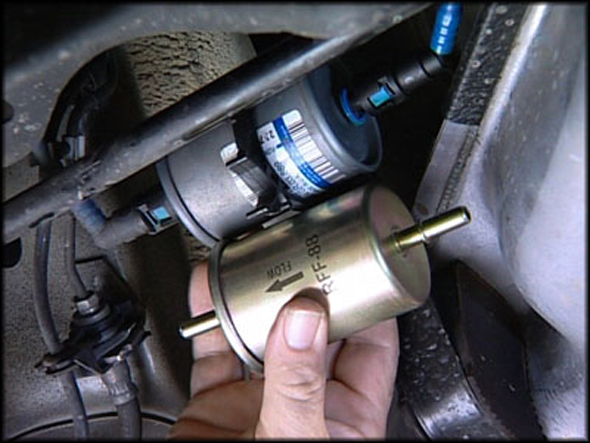
Replacing a fuel filter needs a few basic tools. You will need a wrench or socket set to loosen bolts. A screwdriver might be necessary for clamps or covers. Also, have a container ready to catch any spilled fuel. Safety gloves and glasses protect your hands and eyes.
Steps For Replacing Fuel Filter
First, relieve fuel system pressure by disconnecting the battery. Then, locate the fuel filter; it is usually near the fuel tank or engine. Use the wrench to remove the fuel lines carefully. Take out the old filter and place the new one in the same position. Tighten the bolts and reconnect the battery. Start the engine to check for leaks and proper function.
When To Seek Professional Help
Choose a professional if you feel unsure about handling fuel. Complex fuel systems or hard-to-reach filters require expert tools and skills. If you notice fuel leaks or engine problems after replacement, visit a mechanic. Safety concerns and vehicle warranty may also favor professional service.
Credit: germanformula.com
Frequently Asked Questions
How Do I Know If My Fuel Filter Is Clogged?
A clogged fuel filter causes engine misfires, poor acceleration, and difficulty starting. Check for reduced fuel efficiency and unusual engine noises. Inspect the filter regularly and replace it if symptoms persist to maintain smooth engine performance.
What Are Common Signs Of A Failing Fuel Filter?
Common signs include engine hesitation, stalling, rough idling, and decreased power. You may also notice black smoke from the exhaust or difficulty starting the vehicle. These symptoms indicate restricted fuel flow due to a dirty or clogged filter.
How Often Should A Fuel Filter Be Replaced?
Typically, replace the fuel filter every 20,000 to 40,000 miles. Check your vehicle’s manual for specific recommendations. Frequent replacement ensures optimal fuel flow and engine health, preventing costly repairs caused by fuel contamination.
Can A Bad Fuel Filter Cause Engine Damage?
Yes, a bad fuel filter can cause engine damage by restricting fuel flow. This leads to poor combustion and engine misfires. Replacing the filter on time protects your engine from wear and improves overall vehicle performance.
Conclusion
A dirty fuel filter can cause many car problems. Watch for signs like engine trouble or poor fuel flow. Check your filter regularly to keep your car running well. Replacing it on time saves money and avoids bigger repairs. Stay alert to changes in your car’s performance.
Taking care of the fuel filter helps your engine last longer. Simple checks make a big difference in car health. Don’t wait until problems start. Keep your fuel filter clean and your car happy.

