

Want your car to shine like new and turn heads wherever you go? Applying paste car wax is one of the best ways to protect your paint and give your vehicle a deep, glossy finish.
But if you’ve never done it before, the process might seem tricky or time-consuming. Don’t worry—you’re about to discover simple, step-by-step tips that make waxing your car easy and effective. Keep reading, and you’ll learn how to get that showroom shine with minimal effort.
Your car—and your pride—will thank you!
Choosing The Right Paste Wax
Choosing the right paste wax is key for a shiny, protected car surface. Not all waxes are the same. Each type offers unique benefits and suits different paint types. Understanding these will help keep your car looking great for longer.
Types Of Paste Wax
Paste wax comes in natural and synthetic forms. Natural waxes often use carnauba, a plant-based ingredient. It gives a deep, warm shine. Synthetic waxes use man-made chemicals. They last longer and resist water better. Some pastes mix both for balanced results. Choose based on your needs and local weather.
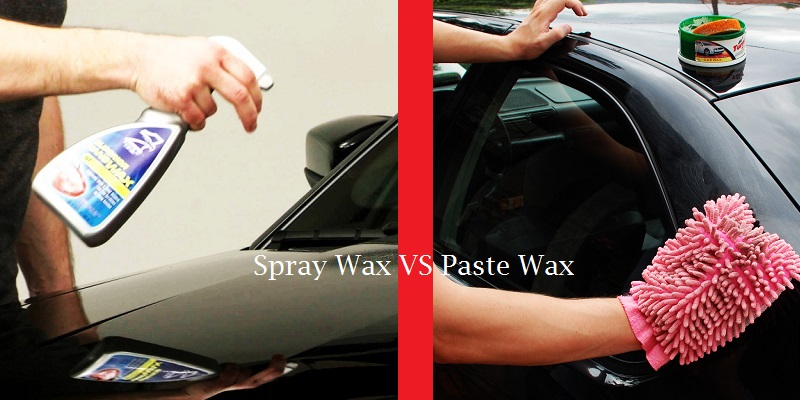
Benefits Of Paste Wax Over Other Waxes
Paste wax lasts longer than liquid or spray waxes. It gives a thicker, stronger protective layer. This helps shield your car from dirt and rain. Paste wax also enhances shine more deeply. It can fill small scratches and imperfections. This creates a smooth, glossy finish that lasts for weeks.
Selecting Wax For Your Car’s Paint
Consider your car’s paint type when picking wax. Dark or black paint benefits from carnauba wax. It adds warmth and depth to the color. Lighter or metallic paints do well with synthetic wax. These enhance shine without changing paint tone. Always check your car’s manual for wax advice. Test a small area first to avoid damage.
Credit: detailxperts.com
Preparing Your Car
Preparing your car is the first step before applying paste car wax. This process helps the wax stick better and protects your car’s paint. Taking time to prepare your car ensures a smooth and shiny finish. Follow these steps carefully for the best results.
Washing And Drying
Start by washing your car thoroughly. Use a car shampoo and a soft sponge. Clean all dirt and dust from the surface. Dirt can cause scratches during waxing. Rinse well with clean water to remove soap. Dry the car with a soft, clean towel. Make sure the surface is completely dry before waxing.
Removing Old Wax And Contaminants
Old wax can block the new wax from sticking. Use a clay bar or a wax remover to clean the surface. This removes old wax and other contaminants. Rub gently to avoid damaging the paint. Cleaning the surface helps the paste wax work better and last longer.
Checking For Paint Damage
Look for scratches, chips, or dull spots on the paint. Waxing over damaged paint can worsen the problem. Fix small scratches with a touch-up paint or scratch remover. Do not wax areas with serious damage. Preparing the paint surface keeps your car looking its best.
Tools And Materials Needed
Applying paste car wax needs the right tools and materials. These help you work smoothly and get a shiny finish. Using proper tools saves time and keeps your car safe from scratches. Prepare all items before starting to avoid interruptions.
Applicator Pads
Applicator pads spread the wax evenly on your car’s surface. Choose soft foam or microfiber pads. They hold wax well and prevent scratching paint. Use small, circular motions for best results. Clean pads after use to keep them in good shape.
Microfiber Towels
Microfiber towels remove excess wax and buff the shine. Their soft fibers protect your car’s paint. Use clean, dry towels for wiping. Avoid rough or dirty cloths that can cause scratches. Have multiple towels ready for different steps.
Gloves And Safety Gear
Gloves protect your hands from chemicals in the wax. Use disposable or reusable gloves for comfort. Safety glasses keep your eyes safe from splashes. Wear old clothes or a protective apron to avoid stains. Stay safe to enjoy the waxing process.

Credit: www.youtube.com
Applying Paste Wax Step-by-step
Applying paste wax properly protects your car’s paint and keeps it shiny. Follow each step carefully to get the best results. Take your time and work patiently. Small, careful movements help the wax spread evenly. This process might seem slow, but it pays off with a smooth, glossy finish.
Using Small Sections
Work on one small area at a time. This helps the wax stay wet and easy to spread. Cover about two square feet before moving on. Smaller sections let you control the wax better. Avoid doing too much at once. It helps the wax dry evenly and prevents streaks.
Applying Even Pressure
Use a soft cloth or applicator pad to spread wax. Press gently but firmly for good coverage. Keep your hand steady and move in circular motions. Even pressure stops uneven layers and blotches. This makes the wax stick well and shine brighter.
Avoiding Common Mistakes
Don’t apply wax in direct sunlight or on a hot surface. This can cause the wax to dry too fast. Avoid thick layers of wax; thin coats work best. Skip rubbing too hard, which can damage the paint. Always wait for the wax to haze before buffing it off.
Buffing To A Shine
Buffing to a shine is the final step in applying paste car wax. This step brings out the wax’s full effect. It makes your car look smooth and bright. The key is to remove excess wax gently. Doing this right gives your car a clear, deep shine. Follow simple tips to make buffing easy and effective.
Timing Your Buff
Wait until the wax dries to a haze. This usually takes about 5 to 10 minutes. If you buff too soon, the wax won’t shine well. If you wait too long, it becomes hard to remove. Check small areas first to see if the wax is ready. A light haze means it is time to buff.
Choosing The Right Cloth
Use a soft, clean microfiber cloth. It picks up wax without scratching the paint. Avoid rough or dirty cloths that can cause damage. Have several cloths ready for different sections. A fresh cloth helps you get a smooth finish every time.
Achieving A Uniform Gloss
Buff in small circles with gentle pressure. Work evenly across the surface to avoid streaks. Change cloth sides often to prevent wax buildup. Keep buffing until the shine is clear and smooth. This careful work makes your car look like new.
Maintaining The Waxed Finish
Keeping the waxed finish looking fresh needs care and attention. A wax layer protects your car’s paint and shine. Over time, dirt, dust, and weather can wear it down. You must follow simple steps to keep the wax effective and maintain that glossy look.
Regular Cleaning Tips
Clean your car often to keep the wax intact. Use a soft cloth or sponge with mild soap and water. Avoid harsh chemicals or abrasive materials. Rinse well and dry with a microfiber towel. Dirt and grime can damage the wax layer if left too long. Regular washing helps the wax last longer and keeps the surface smooth.
Reapplying Wax Schedule
Wax does not last forever. Plan to reapply paste car wax every 2 to 3 months. Check your car’s surface for dull spots or water not beading. These signs mean the wax needs a new coat. Applying wax too often can build up and dull the shine. Stick to a schedule that fits your car’s exposure to sun and rain.
Protecting Against Environmental Damage
Sun, rain, and dirt can harm your wax finish. Park your car in the shade or garage when possible. Cover the car during long periods outside. Avoid parking under trees to prevent sap and bird droppings. Wash off contaminants quickly to stop damage. Taking these steps helps the wax protect your car longer.
Troubleshooting Waxing Issues
Applying paste car wax can sometimes lead to small problems. These issues can affect the look of your car’s paint. Learning how to fix these problems helps keep your car shining bright. Troubleshooting common waxing issues is easy with the right steps.
Dealing With Streaks And Smudges
Streaks and smudges happen when wax is not wiped off evenly. Use a clean microfiber cloth to buff the wax in small circles. Work in shaded areas to avoid wax drying too fast. Light pressure helps remove marks without scratching the paint. Repeat buffing until the surface looks smooth and clear.
Removing Excess Wax
Too much wax leaves a cloudy or sticky surface. Take a fresh, soft cloth and gently rub the area to remove excess wax. Avoid harsh scrubbing to protect your paint. Use light, circular motions for best results. If wax is very thick, a wax remover product can help clean it safely.
Handling Uneven Shine
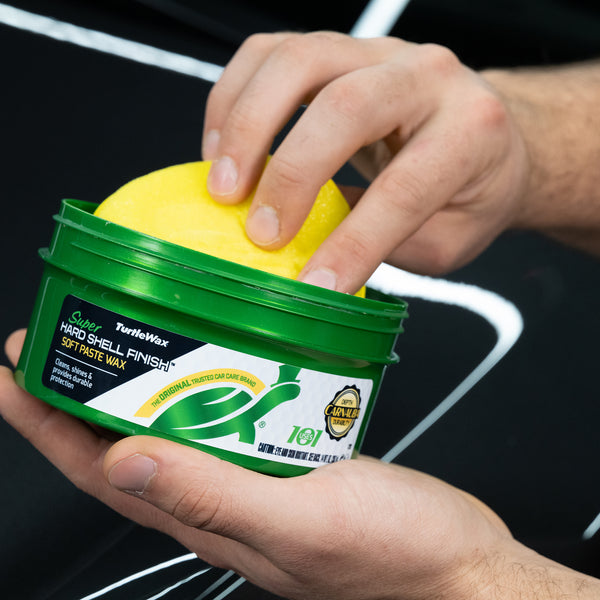
Uneven shine occurs when wax is applied in patches or missed spots. Apply a thin, even layer of wax using a foam applicator pad. Work in small sections for better control. Buff each area fully before moving on. This method ensures a smooth, uniform shine across your car’s surface.
Credit: www.turtlewax.com
Frequently Asked Questions
How Do I Prepare My Car Before Applying Paste Wax?
Wash and dry your car thoroughly before applying paste wax. Remove all dirt, grime, and old wax for the best results. Use a clean, dry cloth to avoid trapping debris under the wax. Proper preparation ensures a smooth, even application and longer-lasting protection.
What Tools Do I Need For Applying Paste Car Wax?
You’ll need a foam or microfiber applicator pad, a clean microfiber cloth, and the paste wax itself. Optional items include gloves and a spray bottle with water for easier application. Using the right tools helps achieve a smooth finish and protects your car’s paint.
How Much Paste Wax Should I Apply On My Car?
Apply a thin, even layer of paste wax to avoid streaks and uneven coverage. Use small circular motions with the applicator pad for best results. Too much wax can cause buildup, making it harder to buff and reducing shine.
How Long Should I Wait Before Buffing Paste Wax?
Wait about 5 to 10 minutes or until the wax appears hazy or cloudy. This indicates it has dried enough to buff off. Buffing too early or too late can affect the shine and protection the wax provides.
Conclusion
Applying paste car wax takes a few simple steps. Clean your car well before starting. Use a soft cloth to spread the wax evenly. Let it dry to a haze, then buff it gently. This protects your car’s paint and adds shine.
Regular waxing keeps your car looking fresh and new. It also helps protect against dirt and weather. Small efforts make a big difference. Give your car the care it deserves. You will enjoy a smooth, glossy finish every time.


