

Are you ready to see your orchids bloom beautifully right outside your home? Taking care of orchids outdoors can seem tricky, but with the right tips, you’ll enjoy vibrant flowers that catch everyone’s eye.
You might worry about weather, pests, or watering, but don’t let that stop you. This guide will show you simple, effective ways to keep your outdoor orchids healthy and thriving. Keep reading—you’re just a few steps away from turning your garden into a stunning orchid paradise.
Choosing The Right Orchid Species
Choosing the right orchid species is the first step to successful outdoor growing. Different orchids have unique needs. Some thrive in warm, humid areas. Others prefer cooler or drier climates. Picking a species suited to your environment saves effort and helps your plants grow strong.
Understanding which orchids work well outdoors makes your gardening easier. It helps avoid common problems like poor blooms or plant stress. Knowing the best types for your climate ensures a beautiful garden year-round.
Best Outdoor Orchid Varieties
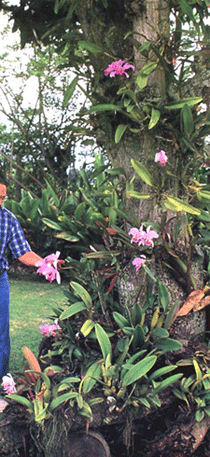
Cattleya orchids are popular for outdoor gardens. They offer large, colorful flowers and prefer bright, indirect light. Dendrobium species do well in warm climates and tolerate some sun. Oncidium orchids, also called “dancing ladies,” thrive in moderate light and produce many blooms.
Phalaenopsis, or moth orchids, are common but prefer shade and warmer weather outdoors. Miltonia orchids enjoy cooler temperatures and shaded spots. Choose orchids that suit your garden’s light and temperature for the best results.
Climate Compatibility
Orchids need specific temperature ranges to grow well. Tropical orchids like Cattleya and Dendrobium do best in warm, humid climates. Cooler areas suit Miltonia and some Cymbidium types. Avoid species that cannot handle your local winter or summer conditions.
Check your area’s average temperatures and humidity. Match orchid species to these conditions. This reduces plant stress and helps orchids bloom more often. Proper climate compatibility leads to healthier plants and easier care.
Credit: www.hydro-orchids.com
Ideal Outdoor Location
Choosing the right outdoor spot for orchids is key to their health. Orchids need a place that meets their natural needs. The location affects their growth, blooming, and overall happiness. Finding the perfect spot helps orchids thrive and show their beautiful flowers.
Light Requirements
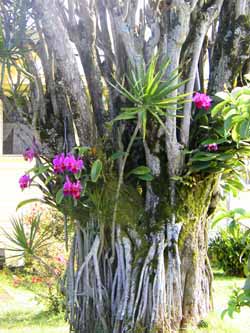
Orchids need bright, indirect light. Direct sunlight can burn their leaves. Morning sun or late afternoon light works best. Avoid spots with harsh midday sun. Filtered light, like under a tree or shade cloth, is ideal. Too little light slows growth and stops blooming. Watch your orchids for signs of too much or too little light.
Shelter And Wind Protection
Orchids need protection from strong winds. Wind can dry out the leaves and roots quickly. Choose a spot shielded by walls, fences, or bushes. A gentle breeze is fine and helps prevent mold. Avoid open areas with harsh wind. Shelter keeps orchids safe and helps maintain moisture. This support lets orchids grow healthy and bloom well.
Soil And Potting Tips
Taking care of orchids outside needs special attention to soil and pots. Orchids are different from many plants. They do not grow well in regular soil. Choosing the right potting mix and pot is very important. It helps orchids get the air and water they need. Good soil and pots keep orchids healthy and blooming longer.
Suitable Potting Mix
Orchids need a potting mix that drains well. Regular soil holds too much water. It can cause root rot. Use a mix made for orchids. It usually contains bark, charcoal, and perlite. These materials let air reach the roots. They also help water drain quickly. Avoid using garden soil or compost. These mixes keep roots wet and can harm the plant.
Repotting Techniques
Repot orchids every one to two years. This keeps the potting mix fresh. Remove old mix carefully from the roots. Check roots for any signs of damage or rot. Trim dead roots using clean scissors. Place the orchid in a pot slightly bigger than before. Fill around the roots with fresh orchid mix. Press the mix gently to hold the plant. Water lightly after repotting to help settle the mix.
Credit: www.hydro-orchids.com
Watering Practices
Watering orchids outside needs care and attention. Orchids do not like too much water. Their roots need air to breathe. Too much water can cause root rot and kill the plant.
Good watering practices help orchids stay healthy and bloom well. Watering depends on the weather, type of orchid, and potting medium. Watching your plant closely helps you find the right balance.
Frequency And Amount
Water orchids once or twice a week during warm months. In cooler weather, water less often. Check the soil before watering. It should feel dry to the touch.
Pour enough water to soak the roots well. Let water flow out of the pot’s holes. This flushes out salts and keeps roots fresh. Avoid small sips of water; orchids prefer a good soak.
Avoiding Overwatering
Overwatering is the most common mistake with orchids. Wet roots stay wet too long and start to rot. Watch for yellow leaves or a bad smell—signs of overwatering.
Use pots with drainage holes to help water escape. Do not leave orchids sitting in water. Water early in the day so the plant dries before night.
Fertilizing For Growth
Fertilizing orchids outside helps them grow strong and bloom beautifully. Orchids need special nutrients to stay healthy in outdoor conditions. Proper fertilizing gives them energy to develop roots, leaves, and flowers.
Choosing the right fertilizer and feeding at the right time supports steady growth. This section explains how to feed your outdoor orchids well.
Choosing The Right Fertilizer
Use a balanced fertilizer with equal parts nitrogen, phosphorus, and potassium. A common ratio is 20-20-20. This mix supports leaves, roots, and flowers equally. Choose a fertilizer made for orchids or houseplants.
Water-soluble fertilizers work best. They dissolve easily and reach roots quickly. Avoid fertilizers with too much nitrogen. Too much nitrogen can cause leafy growth but fewer flowers.
Feeding Schedule
Feed orchids every two weeks during the growing season. Spring and summer are active growth times for orchids. Reduce feeding in fall and stop in winter.
Use half the recommended dose to avoid overfeeding. Overfeeding can harm roots and leaves. Always water the orchid before applying fertilizer. This prevents root burn and helps nutrients absorb better.
Managing Temperature And Humidity
Orchids growing outside face many pests and diseases. These problems can harm their leaves, flowers, and roots. Careful pest and disease control helps orchids stay healthy and bloom well. Knowing common pests and the best treatments keeps your outdoor orchids safe.
Common Pests
Many pests target outdoor orchids. Aphids suck plant juices and cause leaf damage. Mealybugs look like white cotton and feed on sap. Spider mites make tiny webs and leave yellow spots. Scale insects stick on stems and leaves. Thrips damage flowers and cause discoloration. Watch your orchids often for these pests.
Natural And Chemical Treatments
Natural treatments work well for small infestations. Spray water to remove pests like aphids and mites. Use insecticidal soap or neem oil for safe control. These options do not harm the plant or environment. For severe pest problems, mild chemical pesticides can help. Always follow instructions on the label carefully. Avoid using strong chemicals near blooming orchids.
Pest And Disease Control
Orchids growing outside need different care in each season. Changing weather affects their health and growth. Adjusting care helps orchids stay strong and bloom beautifully all year.
Preparing For Winter
Protect orchids from cold and frost. Move pots to sheltered areas or indoors. Use mulch around the base to keep roots warm. Avoid watering too much; orchids need less water in cold months. Check for pests before winter sets in. Remove dead leaves to prevent disease.
Summer Care Tips
Orchids need shade during hot summer days. Too much sun can burn their leaves. Water early in the morning to keep roots moist. Increase humidity by misting leaves regularly. Use a balanced fertilizer every two weeks. Watch for pests that thrive in warm weather. Keep orchids in well-ventilated spots to avoid mold.
:max_bytes(150000):strip_icc()/basic-indoor-orchid-care-1902822-e399ddafa79146f48d18c1fc3f3d5db5.png)
Credit: www.thespruce.com
Frequently Asked Questions
How Much Sunlight Do Outdoor Orchids Need?
Outdoor orchids thrive in bright, indirect sunlight. Avoid direct midday sun to prevent leaf burn. Morning sun or dappled shade is ideal for healthy growth and vibrant blooms.
How Often Should I Water Orchids Outside?
Water outdoor orchids once a week during warm months. Ensure the soil dries slightly between watering. Adjust frequency based on weather and humidity levels to prevent root rot.
What Is The Best Soil For Outdoor Orchids?
Use a well-draining mix like bark, sphagnum moss, or coconut husk. Good drainage prevents waterlogging and root rot, essential for healthy outdoor orchid growth.
How Do I Protect Orchids From Outdoor Pests?
Inspect orchids regularly for pests like aphids and spider mites. Use insecticidal soap or neem oil to control infestations naturally without harming the plant.
Conclusion
Taking care of orchids outside can be simple and rewarding. Provide enough light, water, and air for healthy growth. Watch the weather and protect orchids from extreme heat or cold. Regularly check for pests to keep plants strong. Patience helps; orchids may take time to bloom.
Enjoy the beauty and calm these flowers bring to your outdoor space. With consistent care, your orchids will thrive and brighten your garden.


