If your vehicle is acting up or losing power, your fuel filter might be the culprit. Knowing how to take off your fuel filter can save you time and money on repairs.
In this guide, you’ll get simple, clear steps that anyone can follow—even if you’re not a mechanic. By the end, you’ll feel confident handling this task yourself and keeping your engine running smoothly. Ready to get started? Let’s dive in.
Tools Needed
Removing a fuel filter requires the right tools. Using proper equipment makes the job safe and easier. Having the correct items ready saves time and effort. Below are the key tools and gear needed for this task.
Essential Equipment
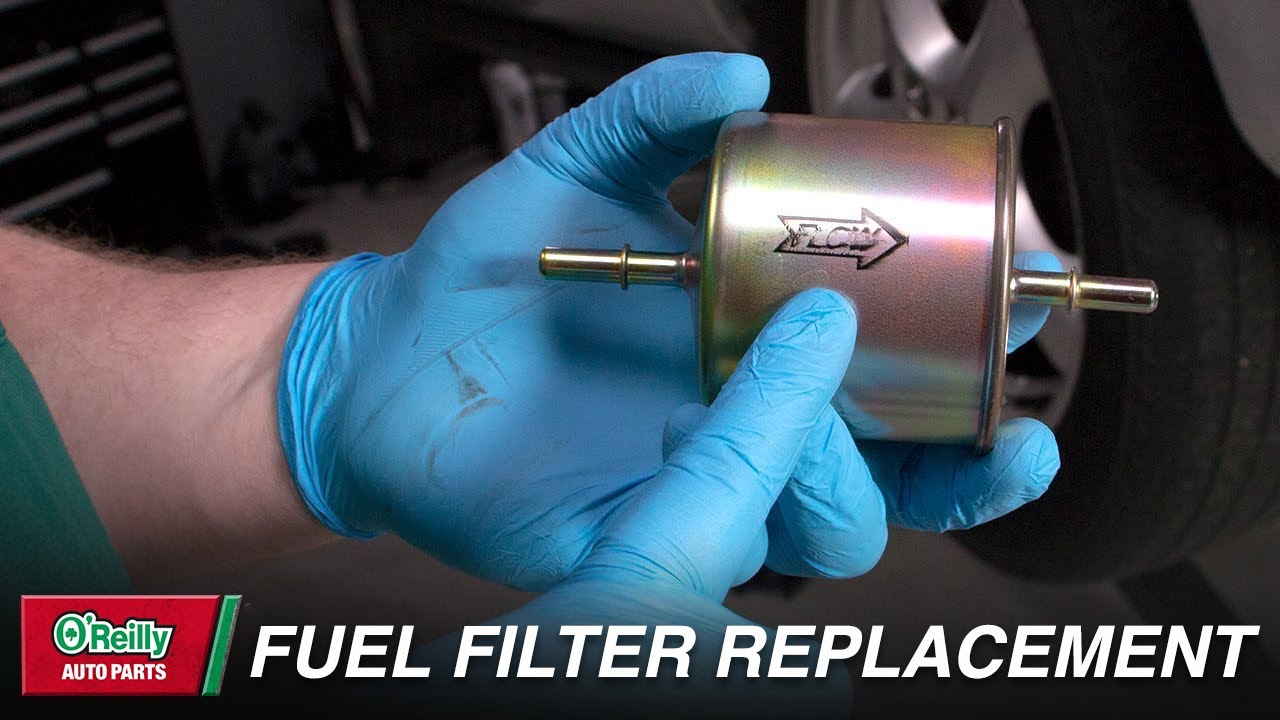
Start with a set of wrenches or socket tools. These help loosen and remove the fuel filter fittings. A screwdriver may be needed for clamps or brackets. A container to catch fuel drips is useful. Fuel-resistant gloves protect your hands from gasoline. A new fuel filter ready for installation is also required.
Safety Gear
Safety must come first. Wear safety goggles to protect your eyes from splashes. Use gloves to avoid skin contact with fuel. Work in a well-ventilated area to reduce fumes. Keep a fire extinguisher nearby for emergencies. Proper clothing can prevent injuries during the job.
Credit: www.youtube.com
Locate The Fuel Filter
Locating the fuel filter is the first step to remove it properly. It helps clean the fuel before it reaches the engine. Finding it can save time and avoid confusion. Fuel filters vary by car type and model. Some are easy to spot, while others hide in tight spaces.
Common Filter Positions
Fuel filters often sit along the fuel line. Many are found under the car near the fuel tank. Some sit in the engine bay, close to the firewall or near the fuel injectors. Older cars may have the filter inside the fuel tank. Look for a small, cylindrical part with fuel lines attached.
Checking Vehicle Manual
Always check the vehicle manual first. It shows the exact location of the fuel filter. The manual also gives warnings and tips for safe removal. Manuals may have pictures to guide you. This step helps avoid damage or mistakes during removal.
Prepare The Vehicle
Preparing the vehicle is the first step before removing the fuel filter. This step ensures safety and makes the process easier. Taking simple precautions prevents accidents and damage to your vehicle. Always work in a well-ventilated area to avoid inhaling fuel vapors. Wear gloves and safety glasses for extra protection.
Start by relieving the fuel pressure and disconnecting the battery. These actions reduce the risk of fuel spray and electrical sparks. Follow the steps carefully to prepare your vehicle properly.
Relieve Fuel Pressure
Fuel systems are pressurized. Releasing this pressure stops fuel from spraying out. Locate the fuel pump fuse in the fuse box. Remove the fuse to cut power to the fuel pump. Start the engine and let it run until it stops. This uses up the remaining fuel in the lines. Turn off the ignition to finish relieving pressure.
Disconnect Battery
Disconnect the negative battery cable. Use a wrench to loosen the clamp. This step prevents electrical sparks. Sparks can ignite fuel vapors, causing fire. Always disconnect the battery before working on fuel parts. Keep the cable away from the battery terminal. This avoids accidental reconnection while working.

Credit: www.goldeagle.com
Remove Fuel Lines
Removing fuel lines is a key step in taking off the fuel filter. It requires care and attention to avoid fuel spills. Proper handling keeps you safe and prevents damage to your vehicle.
Start by knowing where each fuel line connects to the filter. This helps in detaching them correctly without confusion.
Identify Fuel Line Connections
Look closely at the fuel filter and find the fuel lines attached. Most filters have an inlet and outlet line. The inlet line brings fuel into the filter. The outlet line sends filtered fuel to the engine. Check for clips or clamps holding the lines in place. Note which line is which before removing anything.
Safely Detach Lines
Wear gloves to protect your hands from fuel. Use a rag to catch any fuel that may leak. Gently press or release the clips or clamps. Pull the fuel line straight off the filter. Avoid twisting or bending the lines hard. If stuck, use a tool designed for fuel line removal. Keep a container nearby to catch any dripping fuel. Work slowly to prevent spills and damage.
Detach The Fuel Filter
Detaching the fuel filter is a key step in replacing or cleaning it. This process requires care to avoid fuel spills and damage. Follow the steps below to remove the fuel filter safely and easily.
Loosen Mounting Clips
First, locate the mounting clips holding the fuel filter. These clips keep the filter steady. Use a flathead screwdriver or pliers to gently pry them loose. Work slowly to avoid breaking the clips. If the clips are rusty, spray some lubricant to ease removal. Once loose, the filter should move freely.
Remove The Filter
After loosening the clips, carefully pull the fuel filter away. Hold the filter firmly to prevent dropping it. Watch for any fuel that might leak out. Use a cloth to catch drips and keep the area clean. Dispose of the old filter properly. Your fuel filter is now detached and ready for replacement or cleaning.
Inspect The Fuel Filter
Inspecting the fuel filter is an important step before removal. This check helps find problems early. A damaged or dirty filter can cause engine issues. Take your time to examine it carefully. This makes sure the replacement process goes smoothly.
Check For Damage
Look closely at the fuel filter for cracks or breaks. Small cracks can cause fuel leaks. Check the metal parts for rust or corrosion. Bent or loose fittings may stop fuel flow. Damage means the filter must be replaced soon.
Assess Filter Condition
Check the filter for dirt and debris buildup. A clogged filter reduces engine power. Look inside if possible to see dirt levels. A dark or dirty filter needs changing. Clean filters help the engine run better and last longer.
Tips For Quick Removal
Removing a fuel filter quickly saves time and avoids frustration. Knowing the right tips speeds up the process. Simple tricks make the task easier and safer. Follow these guidelines to remove your fuel filter fast and without hassle.
Avoid Common Mistakes
Do not rush and force the filter off. This can break the fuel line or damage parts. Avoid using the wrong tools that slip or strip fittings. Never forget to relieve fuel pressure before starting. Skipping this step causes fuel to spray out. Keep a rag handy to catch any spills. Work in a well-ventilated area to avoid fumes. Taking these precautions prevents accidents and saves time.
Use Proper Techniques
Start by loosening the clamps or connectors carefully. Use a wrench or pliers that fit well. Twist the filter gently to break the seal. Pull it straight out to avoid bending pipes. Turn the key off and disconnect the battery first. This stops fuel pump pressure and reduces fire risk. Clean the filter housing before installing a new one. Proper technique ensures smooth removal and prevents damage.

Credit: www.wikihow.com
Frequently Asked Questions
How Do I Safely Remove A Fuel Filter?
First, relieve fuel system pressure. Disconnect the battery to avoid sparks. Use proper tools to loosen fittings carefully. Wear safety gloves and goggles. Dispose of fuel-soaked rags properly. Follow your vehicle’s manual for specific steps to ensure safety.
What Tools Are Needed To Take Off A Fuel Filter?
You typically need a wrench or socket set, screwdrivers, pliers, and safety gloves. Some vehicles require special fuel line disconnect tools. Always check your vehicle’s manual for exact tool requirements to avoid damage or injury during removal.
How Long Does It Take To Remove A Fuel Filter?
Removing a fuel filter usually takes 15 to 30 minutes. Time varies based on vehicle type and experience. Proper preparation and tools can speed up the process. Always take your time to avoid damage or spills.
Can I Remove The Fuel Filter Without Draining Fuel?
Yes, you can remove the fuel filter without draining all fuel. First, relieve fuel system pressure to minimize spillage. Have a container ready for any fuel that leaks. Work in a well-ventilated area to avoid inhaling fumes.
Conclusion
Removing a fuel filter is a simple task with the right steps. Take your time and follow safety rules carefully. Use basic tools and keep your workspace clean. Check for leaks after removal to avoid problems. Doing this helps your engine run smoothly and lasts longer.
Practice makes the process easier each time. Stay patient and confident as you work. This small job can save you money and keep your vehicle healthy.