
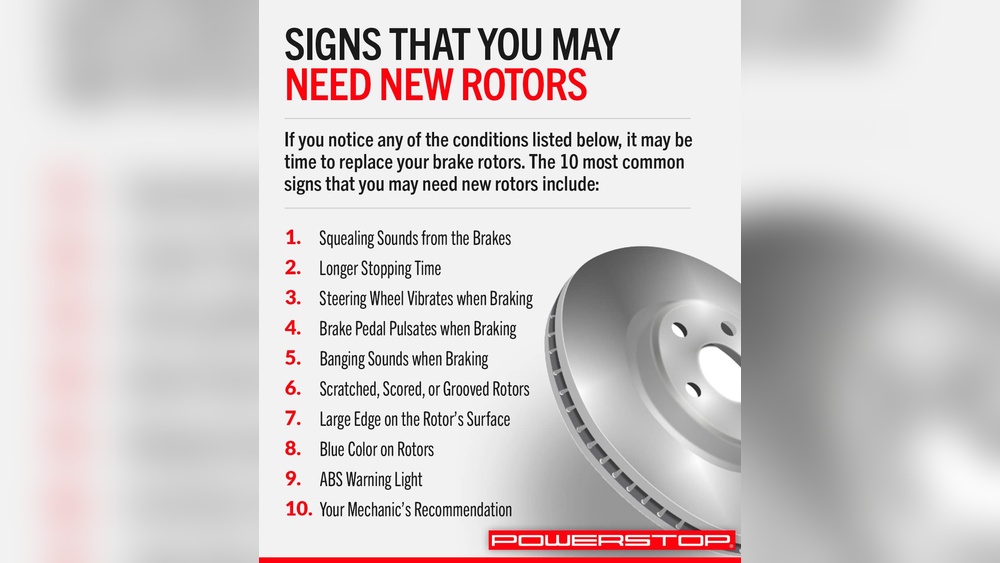
Your car’s brakes are one of the most important safety features you rely on every day. But how do you know when your brake rotors need to be replaced before they cause bigger problems?
If you’ve noticed strange noises, vibrations, or a change in how your brakes feel, it’s time to pay close attention. You’ll discover the clear signs that your brake rotors are wearing out and exactly what to look for. Understanding these warning signals can save you money and keep you safe on the road.
Keep reading to learn how to spot the signs early and take action before it’s too late.

Credit: mechanics.stackexchange.com
Common Brake Rotor Issues
Brake rotors are key parts of your car’s braking system. They work with brake pads to stop your vehicle safely. Over time, rotors can wear out or get damaged. Knowing common rotor problems helps you spot issues early. This prevents bigger, costly repairs and keeps driving safe.
Watch for signs like strange noises, shaking, or poor braking. These often link to common rotor problems. Understanding these issues lets you decide if rotors need replacement.
Warped Rotors
Warped rotors cause your brake pedal to vibrate. This happens when rotors heat unevenly and bend. The uneven surface stops smooth contact with brake pads. You may feel shaking in the steering wheel or brake pedal. Warped rotors reduce braking power and comfort. They often result from heavy braking or rapid cooling.
Cracks And Damage
Cracks on rotors appear from stress or overheating. Small cracks can grow and cause rotor failure. Deep cracks make brakes unsafe and noisy. Damage can also come from hitting road debris or curbs. Check rotors for visible cracks or chunks missing. Driving with cracked rotors risks accidents and costly repairs.
Excessive Thickness Variation
Thickness variation means the rotor surface is uneven. This happens due to uneven wear or poor rotor quality. It causes pulsation or noise during braking. Uneven thickness reduces brake performance and pad life. Measuring rotor thickness regularly helps catch this issue. Rotors below the minimum thickness need immediate replacement.
Credit: www.reddit.com
Physical Signs Of Wear
Brake rotors are a key part of your vehicle’s stopping system. Over time, they wear down and lose effectiveness. Watching for physical signs can help you know when to replace them. These signs show damage or wear that can affect braking safety.
Visible Grooves And Scoring
Check the surface of the rotors. Deep grooves or rough lines appear from brake pad contact. These marks mean the rotor surface is uneven. This causes less smooth braking and more noise. If the grooves are deep, replacement is needed.
Rust And Corrosion
Rotors can rust, especially in wet or salty areas. Light surface rust is normal but heavy rust weakens the metal. Corrosion can cause pitting and rough spots. This reduces braking power and increases wear. Visible rust patches suggest it’s time for new rotors.
Rotor Thickness Measurement
Rotors get thinner with use. Each rotor has a minimum thickness limit set by the manufacturer. Use a micrometer or caliper to measure thickness. If below the limit, rotors are unsafe and must be replaced. Thin rotors can overheat and crack during braking.
Performance Symptoms
Brake rotors play a key role in your car’s stopping power. Over time, they wear out. This causes changes in how your brakes feel and sound. Noticing these changes can help you know when to replace the rotors. Watch for signs in the way your car performs during braking.
Performance symptoms often show up first. They tell you the rotors might be damaged or uneven. Pay close attention to vibrations, noises, and braking power.
Vibrations While Braking
Feeling a shake or wobble through the brake pedal? This often means the rotors are warped. Warping happens from heat and wear. The brake pads hit uneven surfaces. This causes the vibrations you feel. Vibrations usually increase with speed. It can make driving unsafe.
Squealing Or Grinding Noises
High-pitched squeals or grinding sounds are clear warnings. Squealing often means the brake pads are worn. But grinding means the rotors might be damaged. Rough or deep grooves on the rotor surface cause this noise. Ignoring these sounds can lead to bigger problems.
Reduced Braking Efficiency
Brakes that feel weak or take longer to stop need attention. Worn rotors reduce the friction needed to stop your car fast. Your car might pull to one side while braking. This makes driving risky. Reduced braking power means it’s time to inspect the rotors.
When To Inspect Rotors
Knowing when to inspect your brake rotors helps keep your vehicle safe. Rotors wear out over time and need checking to avoid brake problems. Regular checks catch issues early and save money on repairs.
After Brake Pad Replacement
Always inspect rotors after changing brake pads. New pads must fit well on smooth rotors. Rough or damaged rotors can wear out new pads quickly. Checking rotors ensures better brake performance and longer pad life.
Regular Maintenance Intervals
Inspect rotors at regular service times. Many experts suggest checking rotors every 20,000 to 30,000 miles. This helps spot wear or damage before it causes trouble. Routine checks keep brakes working safely and smoothly.
Unusual Driving Conditions
Check rotors more often if driving in tough conditions. Mountain roads, heavy traffic, or towing loads put extra stress on brakes. Dusty or wet environments also speed up rotor wear. Frequent inspection helps avoid sudden brake failures.
Tools And Techniques For Checking
Knowing how to check brake rotors saves money and keeps driving safe. Different tools and methods help you find problems early. These checks are simple and can be done at home or by a professional. Each method gives a clear sign if rotors need replacement.
Using A Micrometer
A micrometer measures rotor thickness precisely. Rotors have a minimum thickness limit. If the rotor is thinner than this, it must be replaced. To use a micrometer, clean the rotor surface first. Take measurements at several points around the rotor. Compare the numbers to the car’s manual specs. This tool helps spot wear not visible to the eye.
Visual Inspection Tips
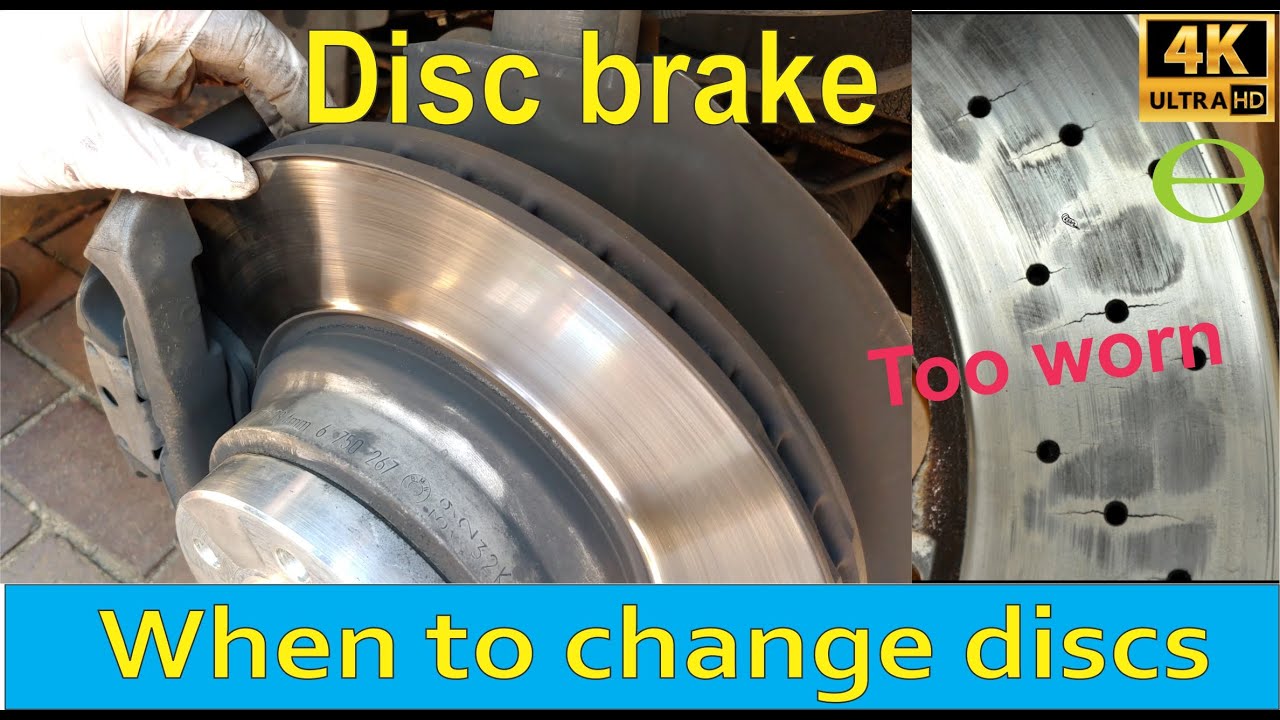
Look closely at the rotor surface for cracks or grooves. Deep grooves or cracks mean rotor damage. Check for rust patches or uneven wear. A smooth and clean rotor surface is healthy. Warped rotors may cause vibrations when braking. Spin the wheel and watch for wobbling. Visual checks are quick and reveal many issues.
Professional Brake Inspection
Mechanics use special tools and experience to check rotors. They can spot subtle problems that are easy to miss. Professionals check rotor runout, thickness, and surface condition. They also inspect brake pads and calipers. A full brake inspection ensures all parts work well. Trusting experts helps keep brakes safe and reliable.
Credit: www.youtube.com
Risks Of Ignoring Rotor Issues
Ignoring brake rotor problems can cause serious trouble. Rotors are key parts of your brake system. When they wear out or get damaged, your car’s ability to stop safely drops. This can lead to accidents and costly repairs. Understanding the risks helps you act fast and keep safe.
Brake Failure Hazards
Damaged rotors reduce braking power. This makes it hard to stop quickly. In emergencies, your brakes might fail. Losing control of the car is a real danger. Brake failure can cause crashes and injuries.
Increased Repair Costs
Ignoring rotor damage can worsen the problem. Small issues turn into big repairs. You might need to replace not just rotors, but brake pads and calipers. Early fixes save money. Delaying repair leads to expensive bills.
Safety Concerns
Worn rotors affect your car’s handling. The vehicle may pull to one side when braking. You feel vibrations through the pedal. These issues reduce driver control. Passengers and others on the road face higher risks.
Frequently Asked Questions
How Do I Know If Brake Rotors Are Worn Out?
Worn brake rotors cause vibrations and noise when braking. Look for grooves, cracks, or warping on the rotor surface. If braking feels less responsive or pulsates, rotors likely need replacement to ensure safety and optimal brake performance.
What Causes Brake Rotors To Need Replacement?
Brake rotors wear out due to heat, friction, and age. Excessive braking or riding brakes can cause warping. Corrosion and deep grooves also damage rotors. Regular inspections help identify when rotors must be replaced to maintain safe braking.
Can I Drive With Bad Brake Rotors?
Driving with bad brake rotors is unsafe and risks brake failure. It can cause decreased stopping power and vibrations. Replace damaged rotors immediately to avoid accidents and costly repairs. Always prioritize brake system safety for reliable vehicle control.
How Often Should Brake Rotors Be Replaced?
Brake rotors typically last 30,000 to 70,000 miles but vary by driving habits. Inspect rotors every brake service or if you notice issues. Replace rotors when they are below minimum thickness or show damage for safe braking.
Conclusion
Brake rotors wear down with use and need checking often. Signs like noise, vibration, or grooves mean it’s time to act. Worn rotors can reduce braking safety and car control. Keeping them in good shape helps avoid bigger repairs later.
Regular inspection saves money and keeps driving safe. Remember, early action keeps brakes strong and reliable. Stay alert to your car’s sounds and feel. Healthy brake rotors help protect you and others on the road.


