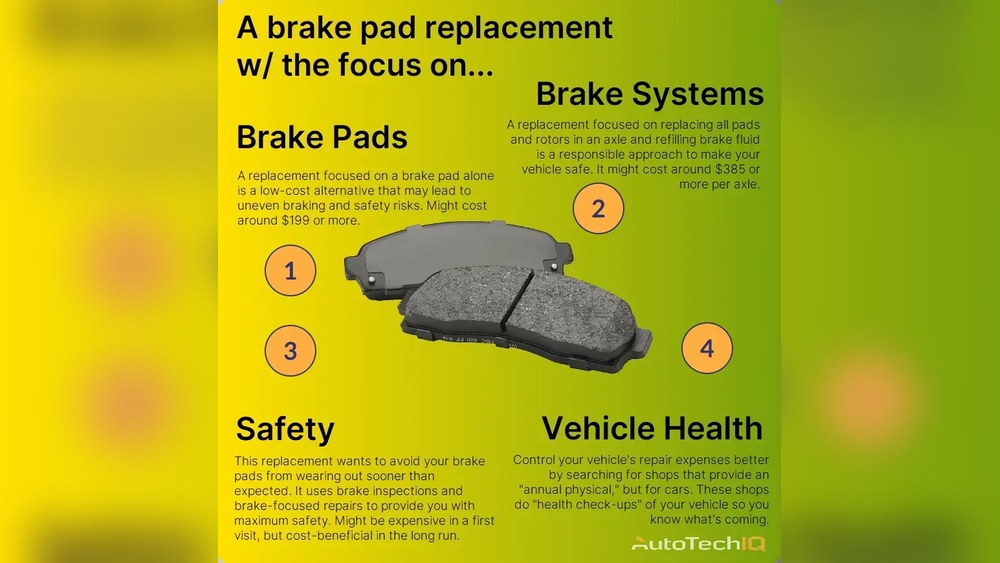
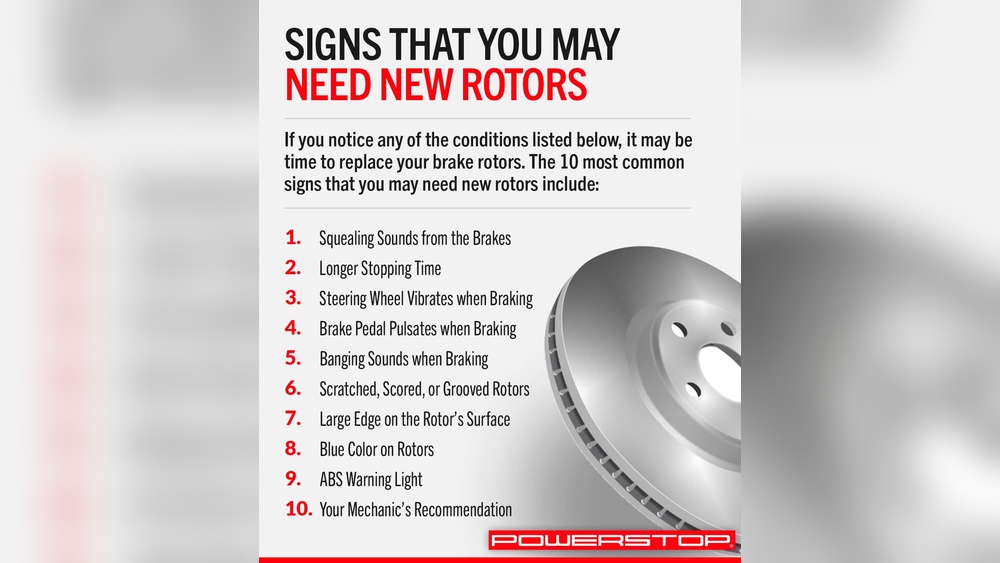
Getting new brakes and rotors is a great step toward keeping your car safe and smooth. But did you know that how you break them in matters just as much?
If you skip this important step, your new parts might wear out faster or not work as well. You’ll learn simple and effective ways to break in your new brakes and rotors. Follow these tips, and you’ll enjoy better performance, longer-lasting parts, and peace of mind every time you hit the road.
Keep reading to find out exactly what you need to do!
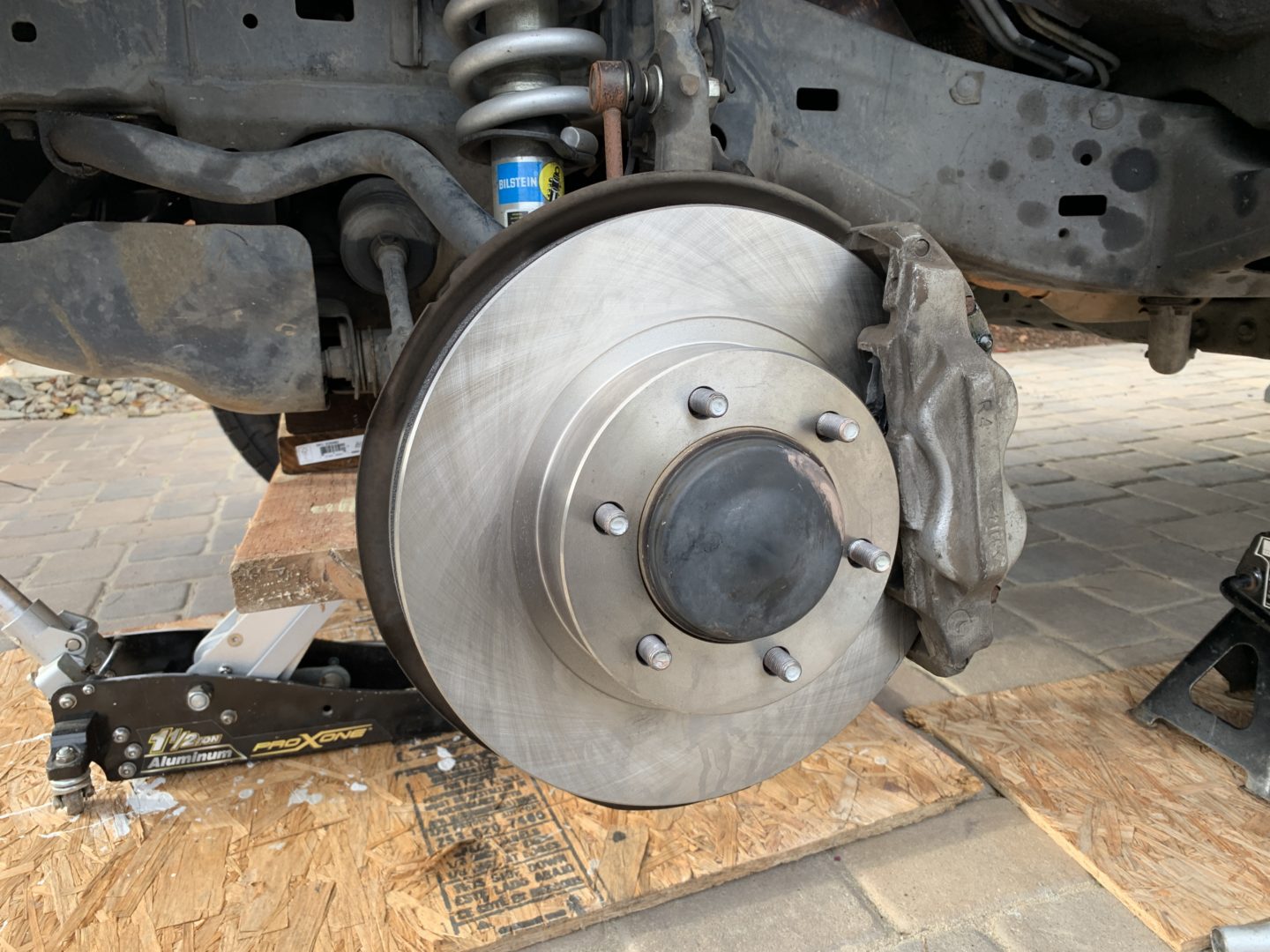
Credit: thetrackahead.com
Why Break-in Matters
Breaking in new brakes and rotors is a crucial step after installation. This process helps the parts work better and last longer. Skipping the break-in can cause poor brake performance and damage. Understanding why break-in matters can save money and keep you safe on the road.
Impact On Performance
Breaking in new brakes allows the pads and rotors to fit together perfectly. This creates smooth braking and better stopping power. Without break-in, brakes may feel weak or make noise. Proper break-in improves response and control during driving.
Safety Considerations
New brakes need time to adjust before heavy use. Early hard stops can cause uneven wear or warping. A proper break-in reduces the risk of brake failure. It ensures the brakes work reliably in emergencies.
Longevity Of Components
Breaking in brakes helps prevent early damage to parts. It reduces heat buildup and stress on rotors and pads. Proper break-in extends the life of brake components. This saves money on repairs and replacements later.
Preparing For Break-in
Preparing for the break-in of new brakes and rotors is a key step. It ensures safety and extends the life of your brake system. Taking time to prepare helps avoid problems later. Follow these simple steps before you start driving.
Choosing The Right Environment
Select a quiet, empty road or parking lot for break-in. Avoid busy streets and places with heavy traffic. Find a flat area with good traction. This lets you stop smoothly and safely. The right place reduces risk and helps the brakes wear evenly.
Gathering Necessary Tools
Collect all tools before starting the process. You will need a jack, lug wrench, and gloves. Also, have a torque wrench for tightening bolts. Keep a flashlight handy if working in low light. Having tools ready saves time and keeps you organized.
Inspecting New Parts
Check the new brakes and rotors carefully before installation. Look for any scratches, cracks, or dirt. Clean the rotors with brake cleaner to remove oil. Make sure the parts match your vehicle’s specifications. Proper inspection helps avoid issues during break-in.
Step-by-step Break-in Process
Breaking in new brakes and rotors is a key step for safe driving. This process helps the parts work well together. It also stops noise and uneven wear. Follow the step-by-step break-in process to get the best results.
Initial Light Braking
Start by driving slowly and gently pressing the brakes. Use light braking for the first few miles. This lets the new parts warm up without stress. Avoid hard stops or quick braking during this time. Keep braking smooth and easy to prepare the brakes.
Gradual Increase In Brake Intensity
After warming up, increase the brake pressure gradually. Do several stops with medium force, but not too hard. This step builds up heat and helps the brake pad material bond with the rotors. Do not press the brakes hard or hold them down. Let the brakes cool slightly between stops.
Cooling Periods
Cooling is important to avoid damage. After a few stops, drive without braking to cool the rotors. This prevents overheating and warping. Avoid parking immediately after hard braking. Let the brakes cool down naturally for several minutes. This keeps the parts in good shape for long use.
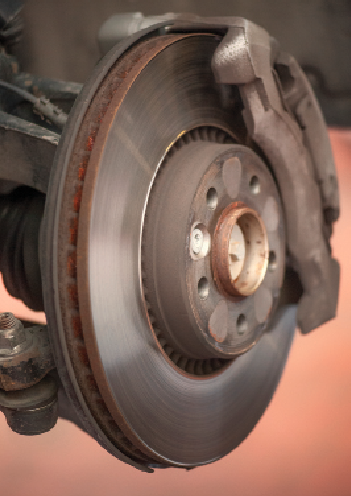
Credit: www.counterman.com
Common Mistakes To Avoid
Breaking in new brakes and rotors is important for safety and performance. Many drivers make mistakes that can cause damage or reduce brake life. Avoiding common errors helps your brakes work better and last longer.
Overheating The Rotors
Driving too hard on new brakes causes overheating. Hot rotors can warp or crack. Avoid hard stops during the first 200 miles. Gentle braking helps rotors cool down and settle properly.
Ignoring Manufacturer Guidelines
Each brake set has specific break-in rules. Ignoring these instructions can harm your brakes. Follow the recommended speed, distance, and braking force. Manufacturer guidelines protect your brake system and ensure safety.
Skipping The Break-in
Skipping the break-in process causes uneven pad material on rotors. This leads to poor braking and noise. Taking time to break in brakes creates a smooth, even surface. Proper break-in improves brake response and reduces wear.
Signs Of Proper Break-in
Knowing the signs of a proper break-in helps keep your brakes safe and effective. New brakes and rotors need time to settle. This process improves performance and extends their life. Watch for clear signs that the break-in went well.
Smooth Braking Feel
The brake pedal should feel firm and steady. No sudden grabs or sponginess. Smooth braking means the pads and rotors are working well together. This comfort shows the parts have adjusted properly.
Consistent Brake Response
Brakes should respond the same every time you press the pedal. No delays or changes in pressure. Consistent response means the break-in created a good surface between pads and rotors. This helps you control your car safely.
Absence Of Unusual Noises
No strange sounds like squealing or grinding should appear. Quiet brakes show the break-in was successful. Noise often means uneven pad contact or problems with the rotors. Silence means the parts fit and work smoothly.
Maintaining Brakes After Break-in
Maintaining brakes after the break-in process keeps them working well and safe. Proper care helps extend the life of brakes and rotors. Pay attention to small signs of wear or damage. Good habits protect your vehicle and improve driving safety.
Regular Inspections
Check your brakes often for noise, vibration, or poor stopping power. Look at brake pads and rotors for uneven wear or cracks. Inspect brake fluid levels and look for leaks. Regular checks catch problems early and save money.
Cleaning Tips
Keep brake parts clean from dust and dirt. Use a brake cleaner spray and a soft brush. Avoid harsh chemicals that can damage components. Clean brakes work better and last longer.
When To Replace Components
Replace brake pads if they are thin or noisy. Change rotors if they are warped or scored. Listen for squealing or grinding sounds as warning signs. Timely replacement keeps brakes reliable and safe.
Credit: www.buybrakes.com
Frequently Asked Questions
How Long Does It Take To Break In New Brakes?
Breaking in new brakes usually takes 300 to 500 miles. During this period, avoid hard stops and high speeds. This process helps the brake pads and rotors to bed in properly, ensuring optimal performance and longer lifespan.
Why Is Breaking In Rotors Important?
Breaking in rotors ensures even surface contact with brake pads. It prevents brake judder and extends rotor life. Proper bedding improves braking efficiency and safety by allowing pads and rotors to adapt to each other.
What Is The Best Technique To Break In Brakes?
Use gradual stops from moderate speeds, avoiding hard braking. Perform 8 to 10 stops with 30-second intervals for cooling. This method helps transfer an even layer of brake material onto rotors for better performance.
Can Skipping Brake Break-in Cause Problems?
Yes, skipping the break-in can cause uneven pad deposits. This leads to brake noise, reduced stopping power, and rotor damage. Proper break-in is essential for smooth, safe, and effective braking performance.
Conclusion
Breaking in new brakes and rotors takes patience and care. Follow the steps slowly and safely for best results. This helps your brakes work well and last longer. Avoid hard stops during the first few drives. Listen for any unusual noises and feel how the brakes respond.
Proper break-in keeps you safe on the road. Take your time. Drive smart. Your brakes will thank you.