

Have you noticed your car acting up lately? Maybe it’s struggling to start, or the engine feels weaker than usual.
These could be signs that your fuel filter is clogged. But how can you be sure? Knowing how to tell if your fuel filter is clogged can save you from costly repairs and keep your vehicle running smoothly. You’ll discover clear, simple ways to spot the warning signs before it’s too late.
Keep reading—you don’t want to miss these crucial tips that could protect your car and your wallet.
Signs Of A Clogged Fuel Filter
A clogged fuel filter can cause many problems in your vehicle. It stops fuel from flowing freely to the engine. This leads to poor car performance and can damage the engine over time. Knowing the signs of a clogged fuel filter helps you fix the issue early. It saves money and avoids breakdowns on the road.
Engine Performance Issues
The engine may run rough or lose power during driving. Acceleration slows down, and the car struggles on hills. The engine may feel weak and less responsive. These problems show the engine is not getting enough fuel.
Difficulty Starting The Engine
The engine takes longer to start or fails to start at all. You might hear the starter turn but the engine won’t fire up. This happens because the fuel flow is blocked by the filter. It makes ignition harder and causes frustration.
Reduced Fuel Efficiency
Your car uses more fuel than usual to go the same distance. The clogged filter makes the engine work harder, burning extra fuel. This lowers your miles per gallon and increases fuel costs. Watch for sudden drops in fuel economy.
Unusual Engine Noises
The engine may make strange sounds like sputtering or coughing. These noises come from fuel starvation caused by the blocked filter. You might also hear knocking or pinging under the hood. These sounds warn you about fuel delivery problems.
Stalling And Hesitation
The engine may stall suddenly while idling or driving. Hesitation happens when you press the gas pedal, but the car lags. Both signs mean the fuel filter restricts fuel flow. This can cause dangerous situations on the road.
Causes Of Fuel Filter Clogging
Fuel filters keep your engine safe by cleaning the fuel before it reaches the engine. Over time, these filters can clog. Knowing what causes clogging helps spot problems early. This section explains the main reasons fuel filters get blocked.
Contaminated Fuel
Fuel may contain dirt, rust, or water. Contaminated fuel harms the filter. It traps these impurities, causing a blockage. Poor quality fuel or bad storage increases contamination risk.
Debris And Dirt Accumulation
Dust and debris enter the fuel tank during refills. The filter catches this dirt to protect the engine. Over time, dirt builds up and blocks fuel flow. This slows the engine and lowers performance.
Old Or Worn Out Filter
Filters wear out after long use. An old filter loses its ability to trap dirt. It becomes clogged faster and restricts fuel flow. Regular replacement prevents serious engine problems.
Locating The Fuel Filter
Finding the fuel filter in your vehicle is the first step to check if it is clogged. The fuel filter cleans dirt and debris from the fuel before it reaches the engine. A clogged filter can cause poor engine performance. Knowing where the fuel filter is helps in inspecting or replacing it. This section explains common places to find the fuel filter and how to use your vehicle manual for guidance.
Common Fuel Filter Locations
Fuel filters are usually placed along the fuel line. Many vehicles have the fuel filter under the car near the fuel tank. Others place it in the engine bay. Some cars have the filter inside the fuel tank itself. Look for a small, metal or plastic canister connected to fuel lines. It may also be inside a protective cover or bracket. Checking these spots saves time and effort.
Using The Vehicle Manual
The vehicle manual is the best guide to locate the fuel filter. It shows the exact position and type of filter your car uses. Manuals include diagrams and pictures for easy understanding. Find the section on maintenance or fuel system. Follow the instructions carefully to avoid damage. If you do not have a manual, try finding one online for your car model.

Credit: www.autonationmobileservice.com
Tools Needed For Inspection And Replacement
Checking and replacing a fuel filter requires some basic tools and safety gear. Having the right tools makes the job easier and safer. A good preparation saves time and avoids mistakes.
Basic Tools List
You need a wrench set to loosen bolts and screws. A screwdriver helps remove clamps or covers. A pair of pliers is useful for removing hose clamps. A container to catch any spilled fuel is necessary. Lastly, a new fuel filter matches your vehicle’s model.
Safety Equipment
Wear safety goggles to protect your eyes from fuel splashes. Use gloves to keep your hands clean and safe. Have a fire extinguisher nearby in case of emergencies. Work in a well-ventilated area to avoid breathing harmful fumes. Keep rags handy to wipe spills quickly and safely.
Step-by-step Fuel Filter Inspection
Performing a step-by-step fuel filter inspection helps find blockages quickly. This process protects your engine and improves fuel flow. Follow these simple steps carefully to check the fuel filter condition.
Relieving Fuel System Pressure
Start by relieving fuel system pressure to avoid fuel spray. Locate the fuel pump fuse or relay in the fuse box. Remove it, then start the engine. Wait until it stalls. This step reduces pressure inside fuel lines safely.
Removing The Fuel Filter
Next, find the fuel filter under your car or near the engine. Use a wrench to loosen the fuel lines connected to the filter. Be ready with a rag to catch any fuel spills. Remove the filter carefully. Keep track of the filter’s direction for reinstallation.
Checking For Blockages
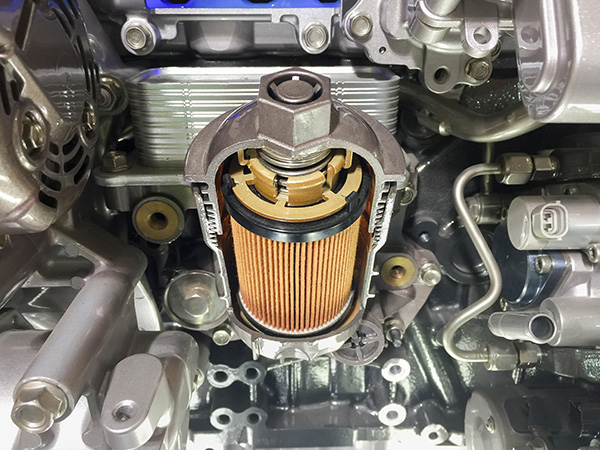
Check the filter by holding it up to the light. Look inside for dirt, rust, or debris blocking the filter. Shake the filter gently to see if anything falls out. Tap it lightly to loosen stuck particles. Replace the filter if it appears clogged or dirty.
Credit: qtucarcare.com
Easy Fixes For A Clogged Fuel Filter
Easy fixes for a clogged fuel filter can save you time and money. A blocked filter stops fuel flow, causing your engine to run poorly. Some issues can be solved without special tools or skills. Small steps can improve your car’s performance quickly.
Cleaning The Fuel Filter
Cleaning a fuel filter helps if dirt is the main problem. Start by removing the filter carefully. Use a cleaning spray made for fuel systems. Let it soak to break down grime and debris. Rinse with clean fuel or solvent. Dry the filter completely before reinstalling. This simple cleaning can restore fuel flow.
Replacing The Fuel Filter
Replacing the fuel filter is often the best fix. Filters wear out and clog over time. Buy a new filter that fits your car model. Remove the old one by loosening the clamps or screws. Install the new filter in the same position. Tighten clamps securely to avoid leaks. This ensures clean fuel reaches the engine.
When To Seek Professional Help
Call a mechanic if problems continue after cleaning or replacing. Complex fuel system issues need expert tools and skills. Professionals can check fuel pressure and other parts. They spot hidden faults that cause poor engine performance. Don’t wait too long to get help. Early action prevents bigger, costly repairs.
Preventing Future Fuel Filter Problems
Preventing fuel filter problems helps keep your vehicle running well. A clean fuel filter stops dirt from reaching the engine. This makes your car work better and last longer. Taking small steps now saves you from big repairs later.
Regular Maintenance Schedule
Change the fuel filter as your car manual says. Regular checks find problems before they get worse. Write down the date and mileage of each change. This keeps your filter in good shape and your engine safe.
Using High-quality Fuel
Choose fuel from trusted gas stations. Good fuel has fewer impurities that clog the filter. Avoid cheap or low-grade fuels. They can damage the filter and reduce engine life.
Fuel Additives And Treatments
Add fuel treatments that clean the fuel system. These help remove small dirt and prevent buildup. Use them as the product instructions say. They keep your fuel filter cleaner and your engine smoother.

Credit: www.youtube.com
Frequently Asked Questions
How Do I Know If My Fuel Filter Is Clogged?
A clogged fuel filter causes engine misfires, poor acceleration, and stalling. Check for decreased fuel efficiency and engine hesitation during acceleration.
What Symptoms Indicate A Blocked Fuel Filter?
Symptoms include rough idling, difficulty starting, engine sputtering, and reduced power. These signs suggest fuel flow is restricted due to a clogged filter.
Can A Clogged Fuel Filter Damage My Engine?
Yes, a clogged fuel filter can starve the engine of fuel. This leads to poor performance and potential damage to fuel injectors and the engine.
How Often Should I Replace A Fuel Filter?
Replace your fuel filter every 20,000 to 30,000 miles or as recommended by your vehicle’s manufacturer to prevent clogging and maintain engine health.
Conclusion
A clogged fuel filter can cause many car problems. Watch for slow engine start or rough running. Check fuel filter regularly to keep your car healthy. Clean or replace it as soon as you notice issues. Taking care of your fuel filter saves money and time.
Don’t ignore warning signs to avoid bigger repairs later. Simple steps help your car run smoothly every day. Stay alert and maintain your fuel system well. Your car will thank you with better performance and fuel efficiency.


