

Your car’s brakes are one of the most important safety features you have. But how do you know when your brake rotors need to be replaced?
Ignoring worn or damaged rotors can lead to costly repairs and, more importantly, put your safety at risk. You’ll learn the simple signs to watch for, so you can keep your brakes working smoothly and avoid unexpected problems. Keep reading to find out exactly what to look for and when it’s time to take action.
Common Brake Rotor Issues
Brake rotors are key to safe driving. They help stop your car smoothly. Over time, rotors can wear out or get damaged. This causes problems with braking. Knowing common rotor issues helps you spot trouble fast.
Watch for signs like strange noises or vibrations. These often point to rotor problems. Fixing rotors on time keeps your brakes working well.
Warped Rotors
Warped rotors happen from heat and stress. They do not spin evenly. This causes your brake pedal to shake. You may feel a vibration when braking. Warping makes stopping less smooth. Replace warped rotors quickly to stay safe.
Scoring And Grooves
Scoring means deep scratches on the rotor surface. Grooves are uneven lines worn into the metal. These happen from worn brake pads or dirt. Scoring reduces brake grip and makes noise. Grooves cause uneven wear and poor braking. Rotors with heavy scoring need replacing.
Rust And Corrosion
Rust forms when metal parts meet moisture. Corrosion eats away at the rotor surface. Small rust spots may be normal. Large rust patches weaken the rotor. Corroded rotors can cause brake noise. They also reduce braking power. Replace rotors with heavy rust or corrosion.

Credit: www.youtube.com
Signs Of Worn Brake Rotors
Brake rotors wear down over time and affect your car’s safety. Knowing the signs helps you avoid serious problems. Worn rotors change how your brakes feel and sound. Watch out for clear signals your rotors need replacing.
Vibrations When Braking
Feel shaking or vibrations in the brake pedal? It often means rotors are warped. Warped rotors cause uneven brake pressure. This makes the steering wheel shake too. Vibrations are an early warning to check your brakes.
Squealing Or Grinding Noises
Listen for high-pitched squeals or harsh grinding sounds. Squealing happens when rotors are rough or worn thin. Grinding means the brake pads are rubbing directly on metal. Both noises show your rotors need attention fast.
Longer Stopping Distances
Notice your car takes longer to stop? Worn rotors reduce braking power. The brake pads cannot grip the surface properly. Longer stopping distances increase the risk of accidents. Replace rotors to keep braking strong and safe.
Visual Inspection Tips
Visual inspection helps find brake rotor problems early. It saves money and keeps driving safe. You can do a simple check at home or with basic tools. Focus on key rotor parts for signs of wear or damage. This guide shows what to watch for and how to tell if rotors need replacing.
Checking Rotor Thickness
Rotors get thinner as they wear down. Measure thickness using a micrometer or caliper. Compare the result to the manufacturer’s minimum thickness. Thin rotors can cause brake failure or noise. Replace rotors if thickness is below the limit.
Identifying Cracks And Damage
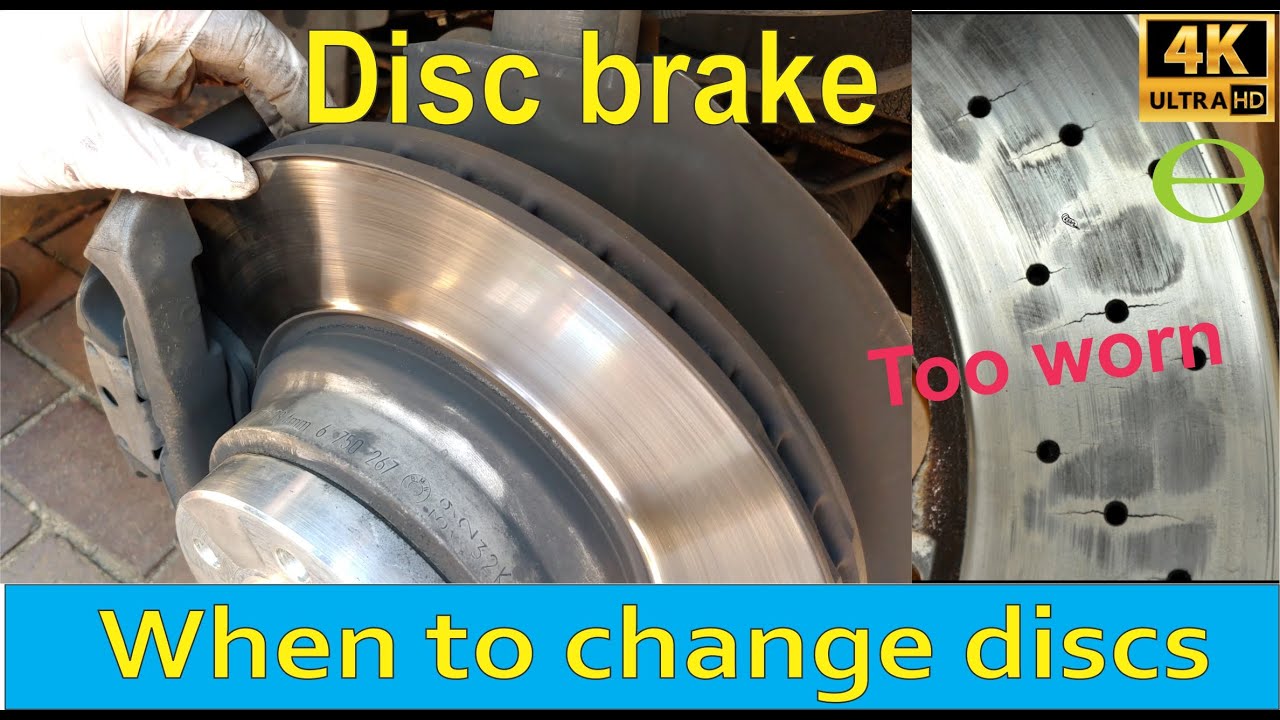
Cracks on the rotor surface are dangerous. Look closely under good light for small cracks or splits. Check edges and center hole too. Damage can also include deep grooves or breaks. Cracked or damaged rotors must be replaced immediately.
Rotor Surface Condition
Rotor surfaces should be smooth and even. Rough spots, rust, or heavy scoring reduce braking power. Light rust can clean off, but deep rust needs rotor replacement. Uneven surfaces can cause vibrations and noise during braking.

Credit: www.hawkperformance.com
When To Replace Brake Rotors
Knowing when to replace brake rotors is key to safe driving. Rotors wear down over time and affect brake performance. Replacing them on time keeps your brakes working well and avoids bigger problems.
Different signs and rules help decide the right time to change rotors. Some come from the car maker, some from rotor condition. Understanding these helps keep your vehicle safe on the road.
Manufacturer’s Recommendations
Car makers give specific advice on rotor replacement. Check your owner’s manual for these guidelines. They suggest the best time or mileage for rotor checks. Follow these to keep your brakes reliable and safe.
After Multiple Brake Pad Replacements
Rotors wear out faster after many pad changes. Each brake pad replacement can thin the rotor. After two or three pad changes, rotors may need replacement. This prevents poor brake feel and noise.
Rotors Below Minimum Thickness
Rotors have a minimum thickness limit set by makers. Use a micrometer to measure rotor thickness. Replace rotors if they are thinner than the limit. Thin rotors can crack or warp easily.
Maintenance To Extend Rotor Life
Maintaining brake rotors is key to keeping them in good shape longer. Simple care steps help avoid early wear and costly repairs. Follow these tips to extend your rotor life and keep your brakes working well.
Regular Brake Inspections
Check your brakes often to catch problems early. Look for grooves, cracks, or rust on the rotors. Listen for unusual noises like squealing or grinding. A quick inspection can prevent bigger issues later.
Proper Driving Habits
Drive smoothly to reduce rotor wear. Avoid hard braking and sudden stops. Slow down gradually to let brakes cool down. Gentle driving lowers heat and stress on rotors, making them last longer.
Timely Brake Pad Replacements
Change brake pads before they wear out completely. Worn pads can damage rotors fast. New pads press evenly and protect the rotor surface. Replace pads on time to save money and extend rotor life.
Credit: www.youtube.com
Frequently Asked Questions
How Do I Know If Brake Rotors Are Worn Out?
Worn brake rotors cause vibrations, squealing, and longer stopping distances. Inspect for grooves, cracks, or warping. If you notice any, replacement is necessary for safe braking.
What Are The Common Signs Of Rotor Damage?
Common signs include a pulsating brake pedal, noise when braking, and visible rotor scoring. These indicate uneven rotor wear or damage that requires attention.
Can I Drive With Damaged Brake Rotors?
Driving with damaged rotors is unsafe. It reduces braking efficiency and increases accident risk. Replace rotors promptly to ensure vehicle safety.
How Often Should Brake Rotors Be Replaced?
Brake rotor life varies but typically lasts 30,000 to 70,000 miles. Regular inspections help determine if replacement is needed sooner due to wear or damage.
Conclusion
Brake rotors wear down over time and need regular checks. Listen for squealing or grinding sounds during braking. Feel for vibrations or pulsing when pressing the brake pedal. Thin or cracked rotors can cause unsafe driving. Replacing worn rotors keeps your brakes working well.
Stay alert to signs and act quickly to stay safe. Regular maintenance helps avoid costly repairs later. Trust your senses and inspect your brakes often. Safe driving depends on good brake performance. Don’t ignore rotor problems; fix them as soon as possible.


