
Are you wondering how to unregister a car in CT? Whether you’ve sold your vehicle, moved out of state, or simply no longer need it registered, knowing the exact steps can save you time and hassle.
You might feel overwhelmed by the paperwork or unsure about the rules. Don’t worry—this guide breaks it down for you in simple terms. Keep reading, and you’ll learn exactly what you need to do to unregister your car quickly and avoid any unexpected fees or penalties.
Your smooth, stress-free process starts here.
Credit: www.dochub.com
Reasons To Unregister A Car
Understanding why people unregister a car in Connecticut is important. It helps you know if this step fits your situation. Several reasons make car owners decide to unregister their vehicles.
Some reasons involve selling the car, stopping use, or moving. Others relate to legal or financial matters. Knowing these reasons makes the process clear and simple.
Car Sold Or Transferred
When you sell your car, the registration must change. Unregistering removes your name from the vehicle records. This protects you from future liabilities.
Vehicle No Longer Used
Cars kept unused for long periods need no registration. Unregistering saves money on fees and insurance. It also avoids penalties for inactive vehicles.
Moving Out Of State
Moving means changing your car registration to the new state. Unregistering in Connecticut is the first step. It ensures no duplicate registrations exist.
Vehicle Destroyed Or Junked
If a car is damaged beyond repair, unregister it. This stops unnecessary charges and legal duties. It signals that the vehicle is no longer in use.
Avoiding Registration Fees
Some owners unregister cars to avoid paying yearly fees. This is common for old or unused vehicles. It helps save money responsibly.

Credit: www.reddit.com
Documents Needed
Preparing the right documents is essential to unregister a car in Connecticut. These papers prove your ownership and help the DMV process your request smoothly. Keep them ready before you start the process.
Missing or incorrect documents can delay the unregistration. Make sure each form is complete and valid. This saves time and avoids extra trips to the DMV.
Vehicle Title
The vehicle title shows who owns the car. You must provide the original title or a certified copy. This helps confirm that you have the right to unregister the vehicle.
Registration Certificate
Show the current registration certificate. It proves the car is registered in Connecticut. The DMV needs this to update their records and cancel your registration.
License Plates
Return your license plates to the DMV. The plates must come back physically to complete the unregistration. Plates can be surrendered in person or by mail.
Completed Application Form
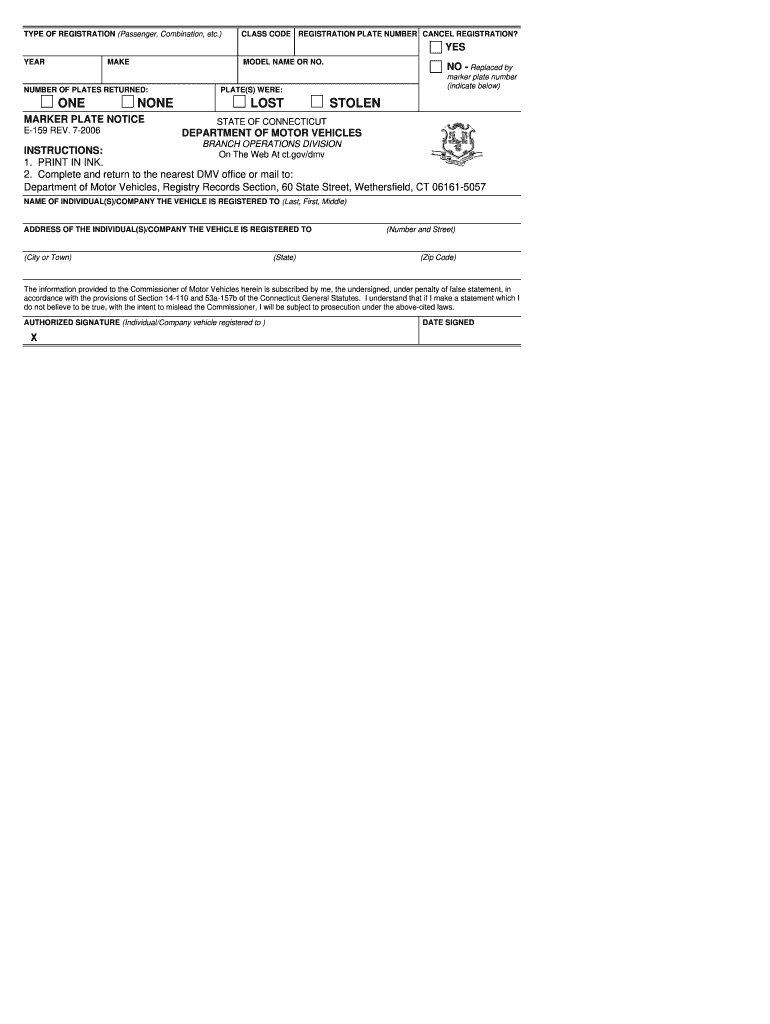
Fill out the official form to request unregistration. This form states your intent to cancel the car registration. Find it on the Connecticut DMV website or at their office.
Proof Of Identity
Bring a valid ID like a driver’s license or passport. The DMV uses this to verify your identity. This step protects against fraud and unauthorized requests.
Step 1: Prepare Your Vehicle Information
Step 1 in unregistering a car in Connecticut is gathering all vehicle information. This step helps make the process smooth and fast. Prepare the details before starting your application.
Having the right information ready saves time at the DMV. It also avoids mistakes or delays in unregistering your car.
Vehicle Title
The vehicle title proves you own the car. You need to have the original title or a copy. Make sure the title is clear of any liens or loans.
License Plate Number
Know your car’s license plate number. This helps identify your vehicle in the DMV system. Write it down or keep your plates nearby.
Vehicle Identification Number (vin)
The VIN is a unique code for your car. It is usually found on the dashboard or inside the driver’s door. Check your registration or insurance card for the VIN as well.
Registration Document
Have your current registration document ready. This shows your car is legally registered. It also contains important details needed to unregister the vehicle.
Odometer Reading
Record your car’s current mileage. Some forms require this information. Take a quick note of the odometer reading before you start the process.
Step 2: Complete The Required Forms
Step 2 is important in the process of unregistering a car in CT. Completing the required forms correctly saves time. It also avoids delays in processing your request. This step involves two main tasks: downloading the forms and filling them out properly.
Download Forms Online
Start by visiting the official Connecticut DMV website. Find the section for vehicle registration or title services. Download the specific form for unregistering a car. Usually, this form is called the “Certificate of Registration Cancellation” or similar. Save the form to your computer or print it out. Using the official website ensures you get the latest version of the form.
Fill Out The Forms Correctly
Use clear and neat handwriting if filling out by hand. Provide accurate information such as your name, address, and vehicle details. Double-check the Vehicle Identification Number (VIN) and license plate number. Make sure all required fields are completed. Missing or incorrect information can cause delays. Review the form before submitting it to the DMV.
Step 3: Visit The Dmv Or Use Online Services
Step 3 in unregistering a car in Connecticut involves either visiting the DMV or using their online services. This step is necessary to complete the process and ensure the vehicle is officially removed from state records.
Choosing between an in-person visit and online unregistration depends on your preference and convenience. Both methods are designed to be straightforward and user-friendly.
In-person Visit
Visit your local DMV office to unregister the car. Bring the car’s title, registration, and your ID. Complete any required forms provided by the DMV staff. Pay any fees required for the unregistration process. The staff will process your request and give you confirmation. This method offers direct help if you have questions or issues.
Online Unregistration Process
The Connecticut DMV website allows unregistration without visiting an office. Create an account or log in if you already have one. Enter the vehicle details as requested. Upload any documents needed, such as the title or proof of sale. Pay the fees through secure online payment options. Receive an electronic confirmation once the process is complete. This method saves time and is available 24/7.
Step 4: Submit License Plates
Send your license plates to the Connecticut DMV to complete the car unregistration. This step confirms you no longer own or drive the vehicle. Keep a copy of the receipt for your records.
Submitting your license plates is a key step in unregistering your car in Connecticut. The state requires you to return the plates to avoid any future fees or legal issues.
Once you have removed the plates from your vehicle, keep them safe until you submit them. You cannot keep or sell these plates after unregistering your car.
Where To Submit License Plates
License plates must be returned to a Connecticut Department of Motor Vehicles (DMV) office. Find the nearest DMV location to avoid delays.
You cannot mail the plates; submitting them in person is mandatory. This helps the DMV confirm you have surrendered the plates properly.
What Happens After Submission
After you submit the plates, the DMV will officially cancel your vehicle registration. This ends your responsibility for the car’s registration fees and taxes.
The DMV will also update their records to show the car is no longer registered in your name. Keep the receipt from the DMV as proof.
Tips For Smooth Plate Submission
Bring your photo ID and any paperwork related to your vehicle. This speeds up the process at the DMV office.
Arrive during less busy hours to avoid long waits. Early mornings or midweek are usually best.
Step 5: Confirm Unregistration
Step 5: Confirm Unregistration is a key part of the car unregistration process in Connecticut. This step ensures that your vehicle is no longer listed in the state’s records. Confirmation gives you proof that the car is officially unregistered and you won’t face future legal issues or fees.
Without confirmation, you might still be responsible for taxes or penalties. This step protects you and closes the process properly.
Check For Official Confirmation Letter
After submitting your unregistration request, the DMV usually sends an official letter. This letter confirms that your vehicle is removed from the registry. Keep this letter safe as proof of unregistration.
Verify Status Online
Connecticut’s DMV website allows you to check your vehicle’s status. Enter your vehicle details to confirm it is no longer registered. This quick online check saves time and gives peace of mind.
Contact Dmv For Confirmation
If you do not receive a letter or see your vehicle online, call the DMV. Speaking with a representative helps clarify your status. They can provide confirmation or guide you on the next steps.
Keep All Documents Secure
Save all paperwork related to your unregistration. These include receipts, letters, and emails. Secure documents help in future proof if any questions arise.
Fees And Refunds
Understanding the fees and refunds is important when unregistering a car in Connecticut. This process involves certain costs and possible refunds depending on the vehicle’s status and registration period. Knowing these details helps avoid surprises and plan the steps properly.
Fees For Unregistering A Car
Connecticut charges a small fee to unregister a vehicle. The fee covers the administrative work of removing the car from the state’s records. This fee varies but usually stays low to keep the process affordable. You can pay this fee online, by mail, or in person at the DMV office.
Refunds On Vehicle Registration
Connecticut offers partial refunds if you unregister your car before the registration expires. The refund amount depends on how many months remain on your registration. The state calculates the refund by subtracting a small service charge. Keep your registration documents ready to apply for the refund.
How To Apply For A Refund
To get a refund, submit a completed refund request form to the DMV. Attach your license plates and registration certificate. You can mail these documents or deliver them to a DMV branch. Processing times vary, so expect a wait of several weeks for your refund.
Common Mistakes To Avoid
Unregistering a car in Connecticut requires careful steps. Mistakes can cause delays or fines. Avoiding common errors saves time and stress. The following points highlight mistakes to watch out for.
Submitting Incomplete Paperwork
Many people forget to include all required documents. Missing papers delay the process. Always double-check your forms before submitting.
Not Removing License Plates
License plates must be returned to the DMV. Keeping them can lead to penalties. Remove and return plates promptly after unregistering.
Ignoring Outstanding Fees
Unpaid fines or fees block unregistration. Clear all dues before starting. This prevents unnecessary complications later.
Failing To Notify Insurance Company
Insurance must be updated after unregistering. Not informing your insurer may cause coverage issues. Contact your insurance provider immediately.
Missing The Deadline For Unregistration
Delays in unregistering can lead to fines. Connecticut sets specific time limits. Act quickly to avoid penalties.

Credit: dmvcivls-wselfservice.ct.gov
What Happens After Unregistering
Unregistering a car in Connecticut ends your legal responsibility for the vehicle. It means the state no longer recognizes the car as yours. This step is important when you sell, scrap, or no longer use the vehicle.
After unregistering, several things happen that affect how you handle the car and your records. Knowing these details helps avoid fines and confusion.
Return Of License Plates
Once you unregister, you must return your license plates to the DMV. This stops any fees or tickets from coming to you. Keep the receipt after you return the plates. It proves you followed the rules.
No More Registration Fees
After unregistering, you no longer pay yearly registration fees for the car. This saves money if you do not plan to drive the vehicle again. The state will not send any bills related to this car.
Insurance Cancellation
Unregistering means you should cancel your car insurance. Insurance is not needed for a car that is not registered or driven. Contact your insurance provider to stop payments and avoid extra costs.
Legal Responsibility Ends
The car is not your responsibility after unregistering. You are not liable for accidents or violations involving the vehicle. This protects you from future legal problems.
Vehicle Status Update
The DMV updates the vehicle’s status in their system. The car shows as unregistered and not allowed on public roads. This status helps law enforcement and others know the vehicle’s legal condition.
Frequently Asked Questions
How Do I Unregister A Car In Ct?
To unregister a car in Connecticut, submit the vehicle’s license plates and a completed Notice of Transfer and Release of Liability form to the DMV. You can also surrender plates in person or by mail to officially cancel the registration.
When Should I Unregister My Vehicle In Ct?
Unregister your vehicle when you sell, scrap, or permanently move it out of Connecticut. This prevents future liability and stops registration fees or taxes from accruing. Prompt unregistration ensures compliance with state laws.
Can I Unregister My Car Online In Connecticut?
Currently, Connecticut DMV does not offer online car unregistration. You must surrender your license plates and submit required forms in person or by mail. Check the DMV website for updated procedures and locations.
What Documents Are Needed To Unregister A Car In Ct?
You need the vehicle’s license plates and a completed Notice of Transfer and Release of Liability form. Proof of ownership or sale documentation may also be required. Always verify specific requirements with the CT DMV.
Conclusion
Unregistering a car in CT is simple with the right steps. Gather your documents and visit the DMV or use their online service. Remember to cancel your insurance after unregistering. This process helps avoid extra fees or fines. Keep a copy of your confirmation for your records.
Taking care of this task ensures you follow state rules. Stay organized and act promptly to make things easy. You can handle this smoothly with a little attention.

