

Looking to give your mirror a fresh, stylish look without spending a fortune? Vinyl wrapping is the perfect solution for you.
It’s simple, affordable, and can transform your mirror in just a few easy steps. Imagine turning a plain mirror into a stunning centerpiece that matches your style perfectly. Ready to learn how to do it yourself and impress everyone with your creativity?
Keep reading, and you’ll discover exactly how to vinyl wrap a mirror like a pro.
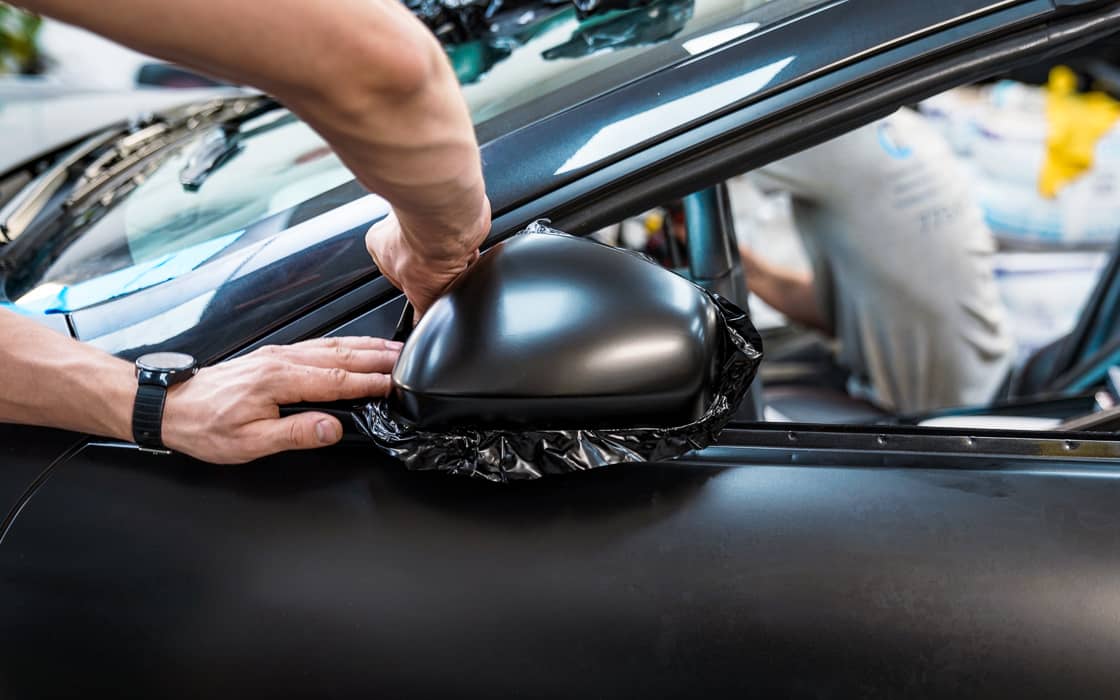
Credit: www.tintingchicago.com
Choosing The Right Vinyl Wrap
Choosing the right vinyl wrap is key to a successful mirror makeover. It affects how the mirror looks and how long the wrap lasts. Picking the right type, color, and size will make your project easier and more beautiful.
Types Of Vinyl Wraps
Vinyl wraps come in different types. Glossy wraps give a shiny, smooth finish. Matte wraps offer a flat, non-shiny look. There are also textured wraps that feel like fabric or metal. Each type changes the mirror’s style. Choose one that fits your room’s design and the mirror’s use.
Selecting Colors And Patterns
Colors affect the room’s mood and mirror’s style. Light colors make spaces feel bigger. Dark colors add drama and depth. Patterns add personality. Stripes, wood grain, or marble designs can match your decor. Choose colors and patterns that blend well with other items in the room.
Measuring Your Mirror
Measure your mirror carefully before buying vinyl. Use a tape measure to get exact width and height. Add a little extra length to cover edges fully. Accurate measurements avoid waste and ensure full coverage. Cut the vinyl slightly bigger to help with wrapping around corners.
Preparing The Mirror Surface
Preparing the mirror surface is a key step before applying a vinyl wrap. A clean and smooth surface helps the vinyl stick well. It also prevents bubbles and wrinkles. Taking time to prepare the mirror will give better results and make the wrap last longer.
Cleaning And Drying
Start by wiping the mirror with a soft cloth and mild soap. This removes grease, fingerprints, and oils. Use clean water to rinse off the soap. Dry the mirror with a lint-free cloth. Make sure no water spots remain. A dry surface helps the vinyl stick firmly.
Removing Dust And Debris
Dust can cause bumps under the vinyl. Use a microfiber cloth to wipe away dust. You can also use a tack cloth for better cleaning. Avoid blowing on the surface, as it can add more dust. Check the mirror carefully to remove all tiny particles.
Ensuring A Smooth Surface
Look closely at the mirror for any scratches or rough spots. Smooth areas help the vinyl lay flat. If needed, use fine sandpaper gently on edges or rough spots. Be careful not to damage the mirror. A smooth surface makes the wrap look neat and clean.
Cutting And Aligning The Vinyl
Cutting and aligning vinyl on a mirror requires care and precision. This step ensures the vinyl fits perfectly and looks neat. Proper cutting and alignment help avoid bubbles and wrinkles. It also gives a smooth, professional finish to your project.
Measuring And Cutting To Size
Start by measuring the mirror’s surface accurately. Use a ruler or tape measure for exact numbers. Add a small extra margin around the edges to trim later. Place the vinyl on a flat surface before cutting. Use a sharp craft knife or scissors for clean cuts. Cut slowly to avoid jagged edges. Keep the vinyl flat to prevent mistakes.
Positioning The Vinyl On The Mirror
Peel back a small part of the vinyl backing. Align this edge with the mirror’s top or side. Slowly lay the vinyl down, pressing gently. Use a squeegee or card to smooth it out. Work from the center outward to push out air bubbles. Take your time to keep the vinyl straight. Avoid stretching the material during placement.
Using Guides For Accuracy
Place masking tape along the mirror edges as a guide. This helps keep the vinyl aligned perfectly. Use a level to check if the vinyl is straight. Mark light pencil lines on the mirror for reference. Guides help avoid mistakes and save time. Remove guides carefully after the vinyl sticks well. This step ensures a clean, sharp finish.
Applying The Vinyl Wrap
Applying the vinyl wrap to a mirror is a careful process. It requires patience and steady hands. Follow each step to get a smooth, clean finish. Take your time to avoid mistakes and achieve the best result.
Peeling The Backing
Start by gently lifting a corner of the vinyl. Slowly peel back the paper backing. Do not remove it all at once. Peel a small section to keep the vinyl from sticking to itself. This helps control the wrap better.
Starting From One Edge
Place the exposed vinyl edge on the mirror’s surface. Hold the vinyl tight and align it carefully. Press the edge down firmly. Work from one side across the mirror. This method helps avoid wrinkles and folds.
Smoothing Out Bubbles And Wrinkles
Use a squeegee or a soft cloth. Press from the center toward the edges. Push out air bubbles gently. Move slowly to avoid tearing the vinyl. Small wrinkles may smooth out with heat. Use a hair dryer carefully to warm the vinyl.
Finishing Touches
Finishing touches make your vinyl-wrapped mirror look clean and professional. Small details matter a lot. These steps help protect the vinyl and keep the mirror looking great longer.
Trimming Excess Vinyl
Use a sharp craft knife to cut away extra vinyl. Cut close to the mirror edges, but be careful not to scratch the glass. Take your time. Clean, straight cuts make the wrap look neat and smooth.
Sealing Edges
Press the edges firmly to make sure they stick well. Use a plastic squeegee or your fingers. You can apply a little heat with a hairdryer to help the vinyl set. Sealing stops peeling and keeps water from getting under the wrap.
Cleaning The Wrapped Surface
Wipe the vinyl gently with a soft cloth. Use a mild soap and water mix to clean dirt or fingerprints. Avoid harsh chemicals or rough cloths. Clean vinyl looks shiny and fresh, keeping your mirror attractive for a long time.

Credit: www.youtube.com
Maintenance Tips
Proper care keeps your vinyl-wrapped mirror looking fresh and new. Regular maintenance helps the wrap last longer. Follow these simple tips to avoid damage and maintain shine.
Cleaning Without Damage
Use a soft cloth to clean the vinyl surface. Avoid rough sponges or brushes. Dampen the cloth with water or mild soap. Wipe gently to remove dust and dirt. Never use harsh chemicals or solvents. They can ruin the vinyl’s finish.
Avoiding Heat And Moisture
Keep the mirror away from direct sunlight. Heat can cause the vinyl to peel or warp. Avoid placing the mirror in very humid areas. Excess moisture weakens the adhesive. Use a dehumidifier if needed. Proper ventilation helps keep the wrap intact.
Handling Minor Repairs
Small scratches can be fixed with heat. Use a hairdryer on low setting. Gently warm the damaged area to soften the vinyl. Press down with a soft cloth to smooth it out. For tiny bubbles, use a pin to release trapped air. Replace large damaged sections carefully.

Credit: www.reddit.com
Frequently Asked Questions
What Materials Do I Need To Vinyl Wrap A Mirror?
You need vinyl wrap film, a squeegee, a utility knife, cleaning spray, and a microfiber cloth. Clean the mirror thoroughly before application for best results.
How Do I Prepare The Mirror Surface For Vinyl Wrapping?
Clean the mirror with a non-abrasive cleaner and dry it completely. Remove all dust and grease to ensure the vinyl sticks properly.
Can Vinyl Wrap Be Applied To Any Mirror Shape?
Yes, vinyl wrap can be applied to most mirror shapes. Curved or irregular shapes may require extra care and heating for smooth application.
How Long Does Vinyl Wrapping A Mirror Take?
Vinyl wrapping a mirror usually takes 30 to 60 minutes. Time varies based on mirror size and your experience with vinyl application.
Conclusion
Vinyl wrapping a mirror is simple with the right steps. Take your time to clean the surface well. Cut the vinyl carefully to fit the mirror size. Use a squeegee to remove air bubbles gently. Work slowly and patiently for the best results.
This project can refresh any mirror in your home. You will enjoy a neat, custom look without much cost. Try this easy DIY to give your space a new feel.

