Are you unsure about the right pressure to use when washing your car? Using too much pressure can damage your paint, while too little might leave dirt behind.
Finding the perfect balance is key to keeping your car looking shiny and new without causing harm. You’ll discover exactly what pressure works best for washing your car safely and effectively. Keep reading to learn how to protect your vehicle and get that spotless finish every time.

Credit: www.turtlewax.com
Ideal Pressure Range
Choosing the right pressure for washing your car is very important. The pressure should be strong enough to clean dirt but gentle enough to protect the paint. Using the ideal pressure helps keep your car looking new without damage.
Pressure washers come with different settings. Each setting works best for certain parts of your car. Understanding the ideal pressure range helps you clean safely and effectively.
Low Pressure For Delicate Surfaces
Delicate surfaces like car paint, decals, and trim need low pressure. Use 1200 to 1900 PSI for these areas. Low pressure removes dirt without scratching or peeling the paint. It also protects sensitive parts from water damage.
Moderate Pressure For Standard Cleaning
Most car cleaning tasks do well with moderate pressure. A range of 1900 to 2100 PSI is good for regular washing. This pressure removes dirt and grime from the body and wheels. It cleans well without causing harm to the car’s surface.
High Pressure Risks
High pressure above 2100 PSI can cause damage. It may strip paint, dent panels, or force water inside parts. Use high pressure only for tough grime on metal or concrete. Avoid high pressure on glass, rubber, or painted surfaces. Safety first to keep your car safe and clean.
Types Of Pressure Washers
Pressure washers come in different types to fit various cleaning needs. Choosing the right one depends on how often you wash your car and the level of dirt. Each type offers unique benefits and power levels. Understanding these helps pick the best pressure washer for your car care.
Electric Pressure Washers
Electric pressure washers are quiet and easy to use. They work well for light to medium cleaning tasks. These washers use electricity, so they need a power outlet nearby. They produce less pressure but are great for washing cars gently. Maintenance is simple, with no fuel or oil required.
Gas Pressure Washers
Gas pressure washers provide strong cleaning power. They are suitable for heavy-duty tasks and tough dirt. These washers run on gasoline, making them portable without needing a power source. They are louder and heavier than electric models. Regular maintenance like oil changes is necessary for gas washers.
Portable Vs Stationary Models
Portable pressure washers are easy to move around your car. They often have wheels or handles for transport. These models are great for home use and small jobs. Stationary pressure washers stay in one place. They are usually larger and used in fixed locations. Choose based on your space and cleaning frequency.
Choosing The Right Nozzle
Choosing the right nozzle for washing your car is very important. The nozzle controls how water sprays onto your vehicle. This affects cleaning power and safety. Using the wrong nozzle can damage the paint or leave dirt behind.
Different nozzles offer different spray angles and pressures. Knowing which one to pick helps you clean better and protect your car’s surface.
Nozzle Angles And Their Effects
Nozzles come with various spray angles like 0°, 15°, 25°, and 40°. A 0° nozzle produces a very strong, narrow stream. It can remove tough dirt but may harm paint. Avoid using it directly on your car.
A 15° nozzle sprays a narrow but less intense jet. It works well on stubborn spots but still requires care. The 25° nozzle is a good balance. It offers enough pressure to clean without damaging paint.
The 40° nozzle creates a wide, gentle spray. It’s best for rinsing and washing delicate surfaces. Using the right angle keeps your car safe and clean.
Best Nozzles For Car Washing
The 25° and 40° nozzles are the best choices for washing cars. They provide enough pressure to remove dirt gently. The 25° nozzle suits most cleaning needs.
The 40° nozzle is ideal for rinsing soap off your car. Avoid nozzles with narrow angles for regular washing. They risk scratching or stripping the paint.
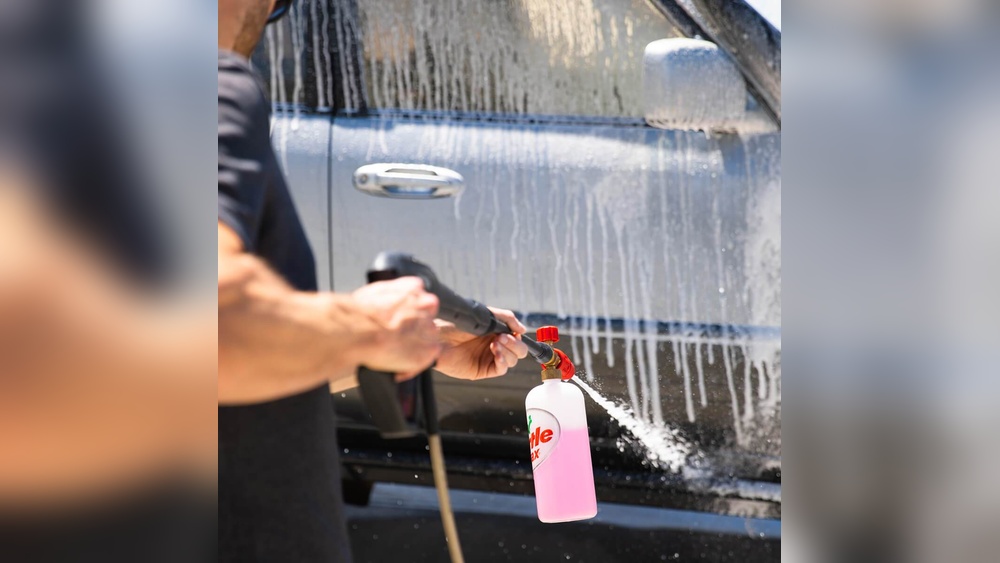
Soft spray nozzles or foam cannon attachments also help. They spread soap evenly and reduce water pressure. This protects your car’s finish while cleaning well.
Step-by-step Washing Process
Washing your car with the right pressure can protect its surface and make cleaning easier. The step-by-step washing process breaks down the task into simple actions. It helps avoid damage and ensures a spotless finish.
Each step plays a key role. Start by loosening dirt, then apply soap safely, and finish with a clean rinse and drying. Follow these steps to keep your car shining and safe from scratches.
Pre-rinse Techniques
Begin with a gentle rinse using a low-pressure setting. This removes loose dirt and dust from the car’s surface. Hold the nozzle about one foot from the car to avoid paint damage. Focus on wheels and lower panels where grime builds up. Pre-rinsing reduces scrubbing and prevents scratches.
Applying Soap Safely
Use a car wash soap designed for vehicles. Mix soap with water in a foam cannon or bucket. Apply soap with a soft sponge or mitt, starting from the top and moving downwards. Avoid strong pressure during this step to protect the paint. Soap loosens stubborn dirt and grease, making rinsing easier.
Final Rinse And Drying
Rinse off all soap with low to medium pressure. Make sure no soap residue remains to prevent spots. Use a microfiber towel or chamois to dry the car gently. Drying stops water spots and leaves the surface smooth. Check for missed areas and clean them carefully.
Common Mistakes To Avoid
Pressure washing a car can make it shine, but mistakes can cause damage. Knowing what to avoid helps protect your vehicle. Some common errors can ruin the paint or leave spots behind. Understanding these pitfalls keeps your car safe and clean.
Using Excessive Pressure
Too much pressure can harm your car’s paint and trim. It may cause scratches or peel off the clear coat. Use a lower pressure setting for delicate surfaces. Always test on a small area first. Gentle cleaning is better than forceful scrubbing.
Ignoring Surface Sensitivity
Not all car parts can handle strong pressure. Windows, mirrors, and decals need softer care. Metal surfaces resist pressure better than plastic or rubber. Pay attention to each area’s needs. Adjust pressure accordingly to avoid damage.
Improper Distance Maintenance
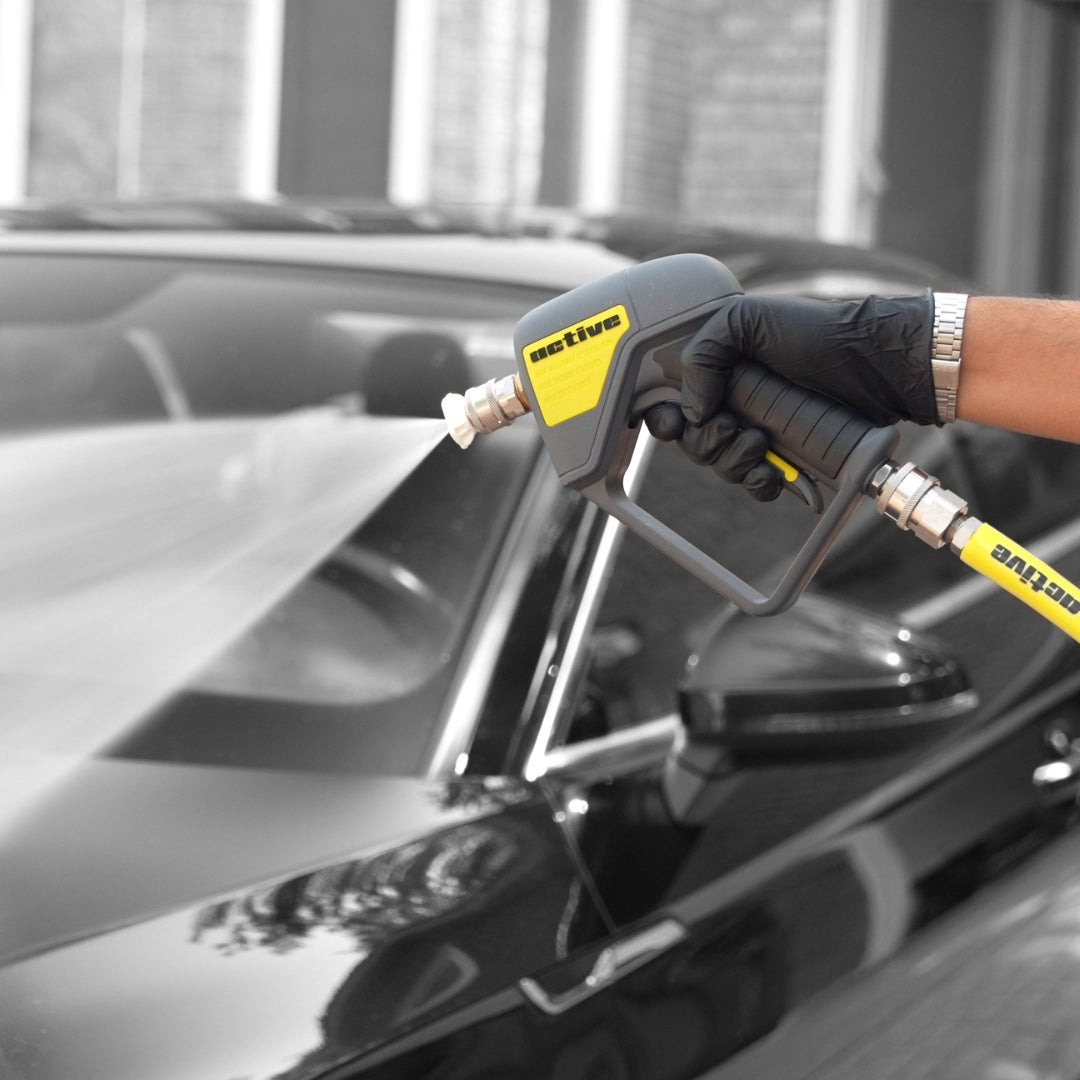
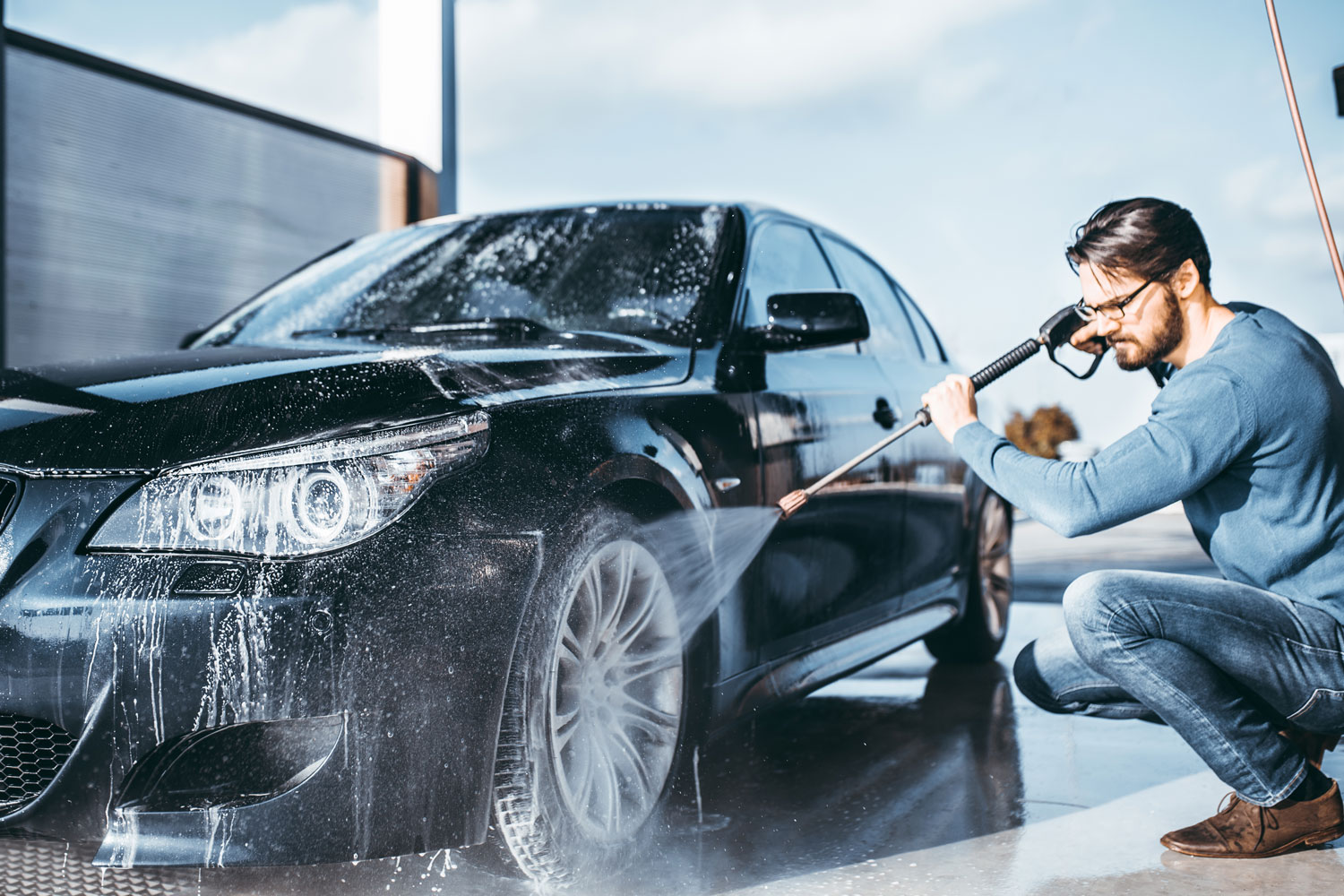
Holding the nozzle too close can concentrate pressure and cause harm. Stand at least 12 inches away from the car surface. Moving the nozzle steadily avoids uneven cleaning or streaks. Keep a consistent distance for the best results.
Credit: activeproducts.com
Maintenance Tips For Pressure Washers
Pressure washers need regular care to work well for a long time. Taking care of your machine helps avoid problems and saves money. Small efforts keep it strong and ready for washing your car anytime.
Regular Cleaning
Clean the pressure washer after each use. Remove dirt and soap from the nozzle and hose. Wipe the body with a damp cloth to stop dust buildup. Clean parts work better and last longer.
Storing Properly
Store the pressure washer in a dry, cool place. Avoid places with direct sunlight or frost. Coil the hose without sharp bends to prevent damage. Proper storage stops rust and keeps the machine safe.
Checking For Wear And Tear
Look over the pressure washer before every use. Check hoses and connections for cracks or leaks. Listen for strange sounds from the motor or pump. Fix small issues early to avoid big repairs later.
Credit: www.capitalone.com
Frequently Asked Questions
What Is The Ideal Pressure For Washing A Car?
The ideal pressure for washing a car is between 1200 to 1900 PSI. This range effectively removes dirt without damaging the paint or surface.
Can High Pressure Damage My Car’s Paint?
Yes, pressures above 2000 PSI can strip paint and cause surface damage. Always use moderate pressure to protect your car’s finish.
Should I Use Cold Or Hot Water For Car Washing?
Cold water is sufficient for washing cars. Hot water can remove grease better but may harm some car finishes if too hot.
How Far Should The Pressure Washer Be From The Car?
Keep the pressure washer nozzle at least 12-18 inches away. This distance prevents damage while ensuring effective cleaning.
Conclusion
Choosing the right pressure for washing your car matters a lot. Too much pressure can damage the paint and trim. Too little pressure may not clean dirt well. Aim for a gentle but strong spray, around 1200 to 1900 PSI.
Use the right nozzle for best results. Always keep the spray moving to avoid spots. Clean your car carefully, and it will look great longer. Simple steps can save your car’s finish and keep it shining. Care and caution work best for a clean, safe wash.