

Want your car to shine like new without spending a fortune? Waxing your car is the secret to a glossy, protected finish that turns heads everywhere you go.
If you’ve never tried it before, don’t worry—you can do it yourself, even if you’re a complete beginner. This guide will walk you through simple, step-by-step tips to help you wax your car with ease. By the end, you’ll know exactly how to make your car look amazing and keep it safe from dirt and damage.
Ready to give your ride that showroom shine? Let’s get started!

Credit: www.kanatamazda.com
Choosing The Right Wax
Choosing the right wax is key to a shiny and protected car. Different waxes suit different needs. Picking the correct one makes waxing easier and more effective.
Understanding wax types and your car’s paint helps you get the best results. Also, having the right tools speeds up the job. Let’s explore how to choose the best wax for your car.
Types Of Car Wax
Car wax mainly comes in three types: natural, synthetic, and hybrid. Natural wax is made from carnauba, a plant-based material. It gives a warm glow but lasts a shorter time. Synthetic wax lasts longer and offers strong protection. Hybrid wax combines both for balanced shine and durability. Choose wax based on the look and protection you want.
Selecting Based On Paint Type
Different paints need different waxes. Soft paint needs gentle wax to avoid damage. Hard paint can handle stronger wax with more protection. Clear coats work well with synthetic waxes. Older or faded paint may need natural wax for a smoother finish. Match your wax to your paint to keep it safe and shiny.
Tools And Materials Needed
Waxing requires a few simple tools. Use a clean foam or microfiber applicator pad to apply wax. A soft microfiber towel helps remove wax without scratching. Keep your car clean and dry before waxing. These tools make waxing smooth and protect your car’s paint.

Credit: www.drbeasleys.com
Preparing Your Car
Preparing your car is the first and most important step before waxing. A clean, smooth surface helps the wax stick better and last longer. Taking time to prepare ensures a shiny, protected finish. Follow these simple steps to get your car ready.
Washing And Drying
Start by washing your car thoroughly. Use a car shampoo and a soft sponge or mitt. Clean every part, including wheels and lower panels. Rinse off all soap with clean water. Dry your car using a microfiber towel to avoid scratches. Make sure the surface is completely dry before moving on.
Removing Surface Contaminants
Even after washing, dirt and grime may remain. Use a clay bar to remove these tiny contaminants. Glide the clay gently over the paint with a lubricant. This step clears the surface, making it smooth. A clean surface helps the wax bond better.
Inspecting For Scratches And Imperfections
Look closely at the paint under good light. Check for scratches, swirl marks, and spots. Small scratches can be fixed with a rubbing compound before waxing. Fixing imperfections improves the final shine and protects the paint. Take your time to inspect carefully.
Applying The Wax
Applying wax to your car is a key step to protect its paint and make it shine. Doing it right helps the wax stick well and last longer. Take your time and follow simple methods for the best results.
Focus on small areas and use the right tools. This keeps the wax even and avoids wasting it. Let’s look at how to apply wax carefully.
Using Applicator Pads
Use a soft applicator pad for waxing. Foam or microfiber pads work great. They spread wax smoothly without scratching the paint.
Put a small amount of wax on the pad. Dab it lightly to avoid clumps. Always keep the pad clean to stop dirt from scratching.
Working In Small Sections
Work on one small part of the car at a time. About 2 feet by 2 feet is good. This lets you apply wax evenly before it dries.
Finish each section fully before moving on. This helps the wax bond well to the paint. It also stops streaks or missed spots.
Proper Wax Application Techniques
Use gentle, circular motions to apply wax. Press lightly but firmly for even coverage. Avoid harsh rubbing that can damage paint.
Apply a thin, consistent layer. Thick layers take longer to dry and may peel. Let the wax haze slightly before buffing it off.
Buffing For Shine
Buffing is the final step to make your car shine after waxing. It removes extra wax and smooths the surface. This step brings out a glossy, polished look. Proper buffing also protects your car’s paint from damage. Taking time to buff carefully improves the overall finish. Let’s explore how to buff your car for the best shine.
Choosing The Right Cloth
Pick a soft, clean cloth for buffing. Microfiber cloths work best because they do not scratch. Avoid rough or dirty cloths that can damage paint. Use different cloths for each car section. Keep cloths dry and free of debris. This helps to avoid streaks and scratches.
Buffing Methods
Use gentle, circular motions to buff the wax. Light pressure works well to spread and polish wax. Buff small areas at a time for even shine. Avoid harsh scrubbing which can remove wax. Change cloth sides often to keep buffing smooth. Take breaks to check your progress and adjust.
Achieving A Streak-free Finish
Buff until the surface looks smooth and shiny. Use clean parts of the cloth to remove streaks. Work in natural light to see any missed spots. If streaks appear, repeat buffing with a fresh cloth. Finish with a light wipe to ensure no residue remains. This keeps your car looking bright and clean.
Maintaining Your Wax Job
Keeping your car’s wax job in good shape helps protect its paint. Wax adds shine and guards against dirt and damage. Maintaining the wax keeps your car looking fresh for longer.
Simple care steps extend the life of your wax. Clean your car regularly and avoid harsh chemicals. Small efforts make a big difference in the wax’s durability.
Frequency Of Waxing
Wax your car every three to four months. This timing keeps the paint safe and shiny. In hot or rainy areas, wax every two months for better protection.
Watch how water beads on your car. If water no longer beads, it’s time to wax again. Regular waxing keeps your car’s surface smooth and glossy.
Touch-up Tips
Use a quick detailer spray to fix small dull spots. These sprays add shine without removing the main wax layer. Apply with a soft cloth and wipe gently.
Spot wax can help cover scratches and rough areas. Choose a wax that matches your car’s color. Touch-ups keep the finish even and fresh.
Protecting Against Elements
Park your car in shade to avoid sun damage. UV rays can break down wax faster. Use a car cover if outdoor parking is your only option.
Rinse off dirt and bird droppings quickly. These can harm the wax and paint. Regular washing helps maintain the wax’s protective layer.
Common Mistakes To Avoid
Waxing a car can protect its paint and make it shine. But beginners often make common mistakes. These errors reduce the wax’s effectiveness and can even harm your car’s surface. Avoid these to get the best results and keep your car looking great.
Applying Wax On Dirty Surfaces
Never apply wax on a dirty car. Dirt and dust can scratch the paint when you rub wax. Always wash and dry the car first. A clean surface helps the wax stick better. This protects the paint and gives a smooth shine.
Using Too Much Product
More wax does not mean better protection. Using too much wax wastes product and creates a sticky mess. Apply a thin, even layer instead. It spreads easily and dries faster. This method saves wax and makes polishing easier.
Ignoring Weather Conditions
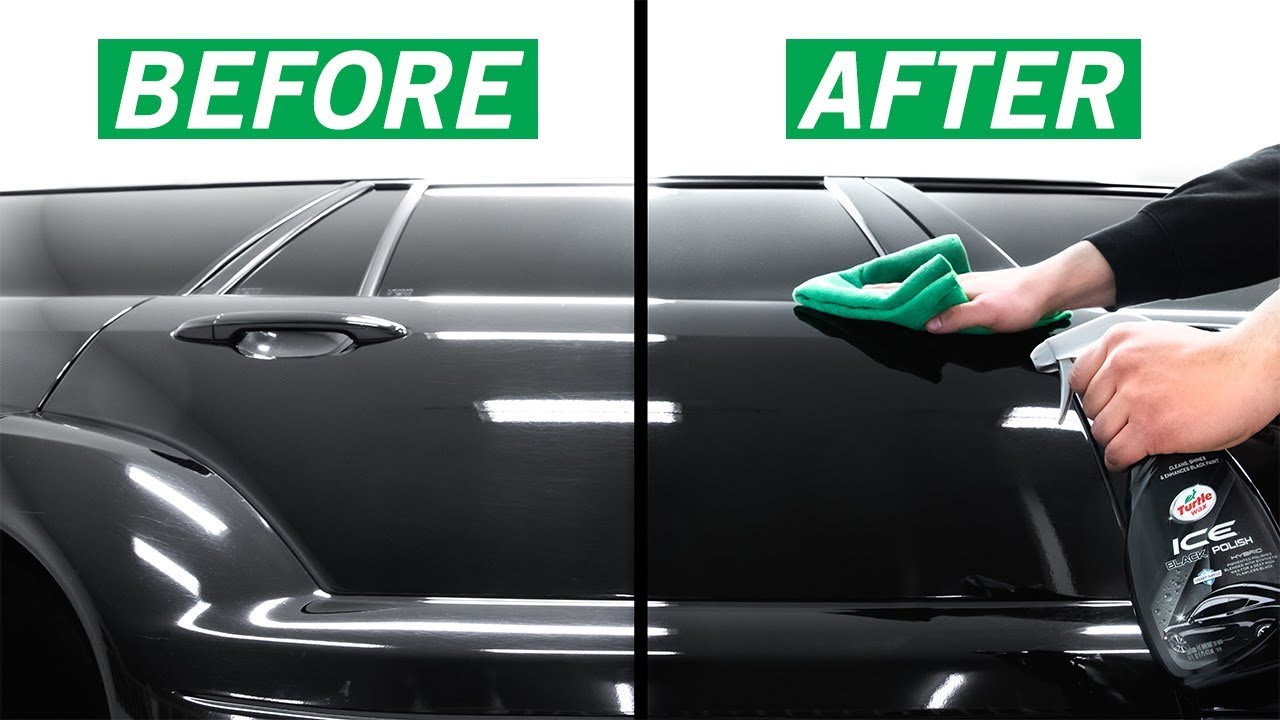
Wax in the right weather to avoid problems. Too much sun heats the car and melts the wax too fast. Cold weather makes waxing hard to spread. Choose a cool, dry day or work in the shade. This helps the wax cure properly and last longer.
Credit: www.youtube.com
Frequently Asked Questions
How Often Should Beginners Wax Their Car?
Beginners should wax their car every 3 to 4 months. Regular waxing protects the paint and maintains shine. It also repels dirt and water effectively, keeping the car looking new longer.
What Are The Best Wax Types For Beginners?
Paste and liquid waxes are ideal for beginners. They are easy to apply and remove. Liquid wax works faster, while paste wax offers longer-lasting protection. Choose based on your comfort and time availability.
Can I Wax My Car In Direct Sunlight?
It’s best to avoid waxing your car in direct sunlight. Heat causes wax to dry too fast, making application difficult. Waxing in shade or a cool environment ensures better results and easier buffing.
Do I Need Special Tools To Wax My Car?
No special tools are required, but a microfiber cloth and applicator pad help. These tools ensure smooth and even wax application. Using proper tools prevents scratches and enhances the finish.
Conclusion
Waxing your car keeps its paint shiny and protected. Take your time and work in small sections. Use soft cloths and gentle pressure to avoid scratches. Regular waxing helps your car look clean longer and makes washing easier. Practice makes the process smoother and quicker.
Enjoy the shine and the extra care for your car’s surface. Keep these simple steps in mind for a great finish every time.


