

Want your car to shine like new without spending hours working by hand? Waxing your car with an electric buffer is the secret to getting a smooth, glossy finish quickly and easily.
If you’ve ever felt overwhelmed by the thought of waxing, this guide will show you step-by-step how to use an electric buffer like a pro. By the end, you’ll have the confidence and know-how to make your car look stunning, protect its paint, and turn heads wherever you go.
Ready to transform your car care routine? Let’s dive in.
Choosing The Right Electric Buffer
Choosing the right electric buffer is important for waxing your car well. The right tool saves time and gives your car a smooth, shiny finish. Knowing what type of buffer fits your needs helps you avoid damage and get great results.
Types Of Buffers
There are three main types of electric buffers. Rotary buffers spin in one direction and work fast. They need careful handling to avoid paint damage. Dual-action buffers move in two ways: spinning and orbiting. They are safer and good for beginners. Cordless buffers offer freedom to move but may have less power. Pick one that suits your skill and the car’s condition.
Key Features To Look For
Power matters. Choose a buffer with enough power to handle your car’s surface. Speed control is useful to adjust the pace for different tasks. A buffer with a comfortable grip helps you hold it steady. Look for a buffer with a long cord or cordless option for easy use. Lightweight models reduce fatigue during long waxing sessions.
Buffer Pads And Their Uses
Buffers use different pads for various tasks. Foam pads are soft and good for applying wax evenly. Wool pads are rougher and help remove scratches or oxidation. Microfiber pads offer a balance between polishing and waxing. Choose the right pad to avoid scratches and get a smooth finish.
Preparing Your Car For Waxing
Preparing your car before waxing is very important. It helps the wax stick better and last longer. A clean surface means a smooth, shiny finish. Follow these steps to get your car ready for waxing with an electric buffer.
Washing And Drying
Start by washing your car with a gentle car shampoo. Use a soft sponge or cloth to remove dirt and dust. Rinse the car well with clean water. Dry the car completely using a soft microfiber towel. Avoid air drying to stop water spots.
Removing Surface Contaminants
After washing, check for any stuck particles like tree sap or tar. Use a clay bar or a special cleaner to remove these contaminants. This step smooths the paint and prepares it for waxing. It also prevents scratches when using the electric buffer.
Protecting Trim And Sensitive Areas
Cover plastic trim, rubber seals, and other sensitive parts with painter’s tape. Wax can cause discoloration or damage to these areas. Protecting them ensures a clean job and keeps the car looking great. Remove the tape after waxing for a neat finish.
Selecting The Best Wax
Selecting the best wax for your car is important for a smooth waxing process. The right wax protects your paint and gives a shiny finish. Choosing wax that works well with your electric buffer saves time and effort. Here are some key points to help you pick the best wax.
Types Of Car Wax
Car wax comes in three main types: paste, liquid, and spray. Paste wax lasts longest and offers strong protection. Liquid wax is easier to apply and spreads well. Spray wax is quick and best for light use or touch-ups. Choose a type that fits your needs and skill level.
Wax Compatibility With Buffers
Not all waxes work well with electric buffers. Some waxes can clog or damage the buffer pad. Look for wax labeled as safe for machine or buffer use. These waxes spread evenly and polish better with the buffer’s motion. Using compatible wax protects your tool and your car’s paint.
Amount Of Wax To Use
Using too much wax makes buffing harder. A small amount covers a large area. Start with a thin, even layer on the buffer pad. Add more wax only if needed. Applying the right amount prevents buildup and helps the buffer work smoothly.

Credit: www.youtube.com
Step-by-step Waxing Process
Waxing a car with an electric buffer can make your vehicle shine like new. The process is simple when broken down into clear steps. Each step helps spread the wax evenly and safely. This way, your car looks smooth and glossy without streaks or marks.
Applying Wax To The Buffer Pad
Start by putting a small amount of wax on the buffer pad. Use only a few drops, about the size of a coin. Too much wax can cause splatter and waste product. Spread the wax evenly on the pad before turning on the buffer. This helps the wax distribute smoothly on the car.
Setting The Buffer Speed
Set the buffer to a low or medium speed first. High speed can damage the paint or create uneven spots. A slower speed gives better control over the wax application. Adjust the speed as needed to avoid splashing wax off the pad.
Applying Wax To Car Panels
Gently press the buffer pad on the car panel. Move the buffer in small, overlapping circles. Work on one panel at a time to cover the entire surface. Keep the buffer moving to avoid heating the paint. This ensures a smooth coat of wax.
Buffing Techniques For Even Shine
After applying wax, switch to a clean, soft cloth or buffing pad. Use gentle pressure to polish the surface. Buff in circular motions to remove excess wax and enhance shine. Check your work often to catch missed spots. Finish with a soft microfiber cloth for a clear, even gloss.
Common Mistakes To Avoid
Waxing your car with an electric buffer is easier than hand waxing. Yet, some common mistakes can reduce your results. Avoid these errors to keep your car’s paint smooth and shiny. A little care goes a long way in protecting your car.
Overloading The Buffer
Too much wax on the buffer pad causes problems. It makes the buffer heavy and hard to control. Excess wax can smear and create uneven layers. Apply a thin, even amount on the pad. This helps the buffer work smoothly and prevents waste.
Applying Wax On Hot Surfaces
Waxing your car under the sun or on a hot surface is risky. Heat makes the wax dry too fast. It becomes difficult to spread evenly and can leave marks. Always wax your car in a shaded, cool area. This keeps the wax soft and easy to work with.
Ignoring Buffer Movement
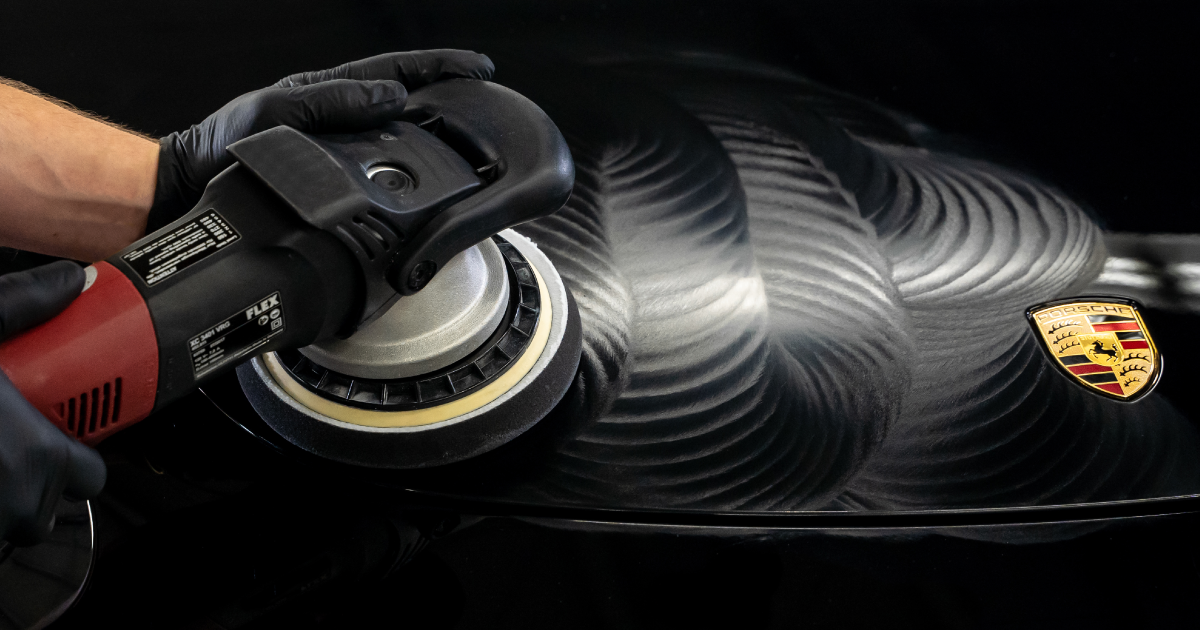
Letting the buffer stay in one spot damages the paint. Keep the buffer moving steadily across the surface. Slow, gentle movements give better shine and avoid burns. Focus on small sections and overlap slightly for even coverage.
Credit: malcoautomotive.com
Maintaining Your Electric Buffer
Maintaining your electric buffer keeps it working well for a long time. Regular care helps avoid damage and ensures smooth waxing. Follow simple steps to keep your buffer clean and ready for use.
Cleaning The Pads
Remove the pads after each use. Wash them with warm water and mild soap. Let the pads dry completely before using again. Clean pads prevent scratches on your car’s paint. Replace pads if they lose shape or become too dirty.
Storing The Buffer Properly
Store the buffer in a dry place away from dust. Keep it in its case or cover it with a cloth. Avoid storing in damp areas to prevent rust. Unplug the buffer before storing to protect the motor. Proper storage helps the buffer last longer.
Replacing Worn Components
Check the buffer regularly for worn parts. Replace pads and backing plates when they show signs of wear. Inspect the power cord for cuts or damage. Replace damaged cords to avoid electrical hazards. Using good parts keeps your buffer safe and effective.
Tips For Long-lasting Shine
Achieving a long-lasting shine after waxing your car with an electric buffer is possible with proper care. Simple habits help keep your car’s surface bright and protected. Follow these tips to maintain that fresh, glossy look for weeks.
Regular Maintenance Waxing
Wax your car every few months to keep the shine strong. Dirt and dust can wear down the wax layer. A quick touch-up with the electric buffer restores protection. Regular waxing prevents fading and keeps paint smooth. It also makes cleaning easier by repelling water and grime.
Protecting Against Environmental Damage
Park your car in shaded areas to avoid sun damage. UV rays dull the paint and wax over time. Rain and bird droppings can eat into the wax layer. Wash your car often to remove harmful dirt and pollutants. Use soft cloths to avoid scratching the waxed surface.
Using Sealants And Coatings
Sealants add a strong barrier on top of wax. They last longer and resist harsh weather better. Ceramic coatings offer even more protection for months. Apply these after waxing for a deeper shine. These layers keep your car looking new and guard against stains.

Credit: www.rockmanjewelry.com
Frequently Asked Questions
How Do I Prepare My Car For Waxing With An Electric Buffer?
First, wash and dry your car thoroughly. Remove dirt and grime to prevent scratches. Then, inspect the paint for damage before waxing. This ensures a smooth, clean surface for the wax to adhere properly.
What Type Of Wax Works Best With An Electric Buffer?
Use a soft paste or liquid wax designed for machine application. Avoid abrasive or hard waxes. These could damage your car’s paint or the buffer pad. Always choose a wax compatible with your buffer’s speed and pad type.
How Long Should I Buff Each Section Of My Car?
Buff each section for 1 to 2 minutes. Move the buffer evenly in circular motions. Avoid staying too long in one spot to prevent heat damage. Work methodically to cover the entire surface uniformly.
Can An Electric Buffer Cause Damage To My Car’s Paint?
Yes, if used incorrectly. High speed or too much pressure can burn or scratch the paint. Always use the correct pad, speed setting, and light pressure. Practice on a small area first to avoid damage.
Conclusion
Waxing your car with an electric buffer saves time and effort. It gives a smooth, shiny finish that lasts longer. Always use the right wax and clean the car first. Work in small sections to avoid mistakes. Keep the buffer moving to prevent damage.
With some practice, your car will look great every time. Enjoy the clean, polished look and protect your paint easily.


