

Your white car deserves to shine like new every day. But did you know that waxing it the right way can protect the paint and keep that bright, clean look longer?
If you’ve ever struggled with streaks, spots, or a dull finish, this guide is for you. By the end, you’ll know exactly how to wax your white car to make it look stunning and stay protected. Ready to transform your car’s shine and turn heads wherever you go?
Let’s dive in.
Choosing The Right Wax
Choosing the right wax is key to keeping your white car shiny and protected. The right wax boosts the color and hides small marks. It also guards against dirt and sun damage. Different waxes suit different needs and budgets. Knowing each type helps pick the best one for your car.
Types Of Wax For White Cars
Car waxes come in three main types: natural, synthetic, and hybrid. Natural waxes use carnauba, a plant-based ingredient. Synthetic waxes are made from chemicals for longer protection. Hybrid waxes mix natural and synthetic parts.
Natural wax gives a warm glow. Synthetic wax lasts longer and repels water well. Hybrid wax offers a balance of shine and durability.
Pros And Cons Of Each Wax Type
Natural wax shines beautifully but wears off faster. It needs more frequent application. Synthetic wax lasts longer and protects better. It can look less glossy on white paint. Hybrid wax combines benefits but may cost more.
Natural wax is easy to apply but less durable. Synthetic wax resists dirt but can be harder to remove. Hybrid wax offers good protection and shine but varies by brand.
Recommended Products
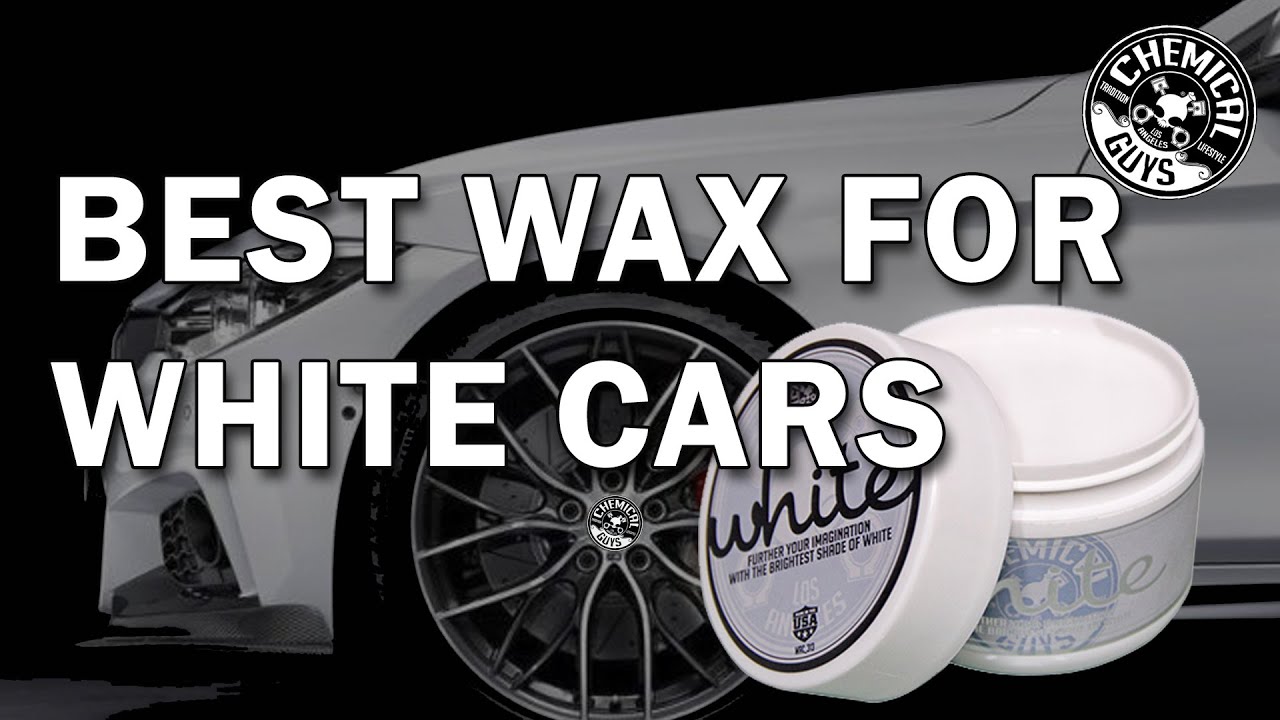
Carnauba wax brands like Meguiar’s Cleaner Wax suit white cars well. Turtle Wax Hybrid Solutions provides good shine and protection. Chemical Guys Butter Wet Wax is popular for a natural look. For synthetic, consider Meguiar’s Synthetic Sealant 2.0. Always test wax on a small area first.

Credit: www.youtube.com
Preparing Your Car
Preparing your white car for waxing is an important step. It helps the wax stick better. It also gives a smooth, shiny finish. Follow these simple steps to get your car ready.
Washing And Drying
Start by washing your car with a gentle car shampoo. Use a soft sponge or cloth to avoid scratches. Rinse thoroughly with clean water. Dry the car with a microfiber towel to prevent water spots.
Removing Contaminants
Check for dirt, sap, or bird droppings on the surface. Use a clay bar or a special cleaner to remove these. This step ensures no dirt stays under the wax. A clean surface means better protection and shine.
Claying The Surface
Claying removes tiny particles stuck in the paint. It feels like rubbing light sandpaper on the car. Use a lubricant to glide the clay bar smoothly. After claying, wipe the surface with a clean cloth. Your car’s surface will feel smooth and ready for waxing.
Wax Application Techniques
Waxing your white car properly makes a big difference in its shine and protection. Using the right techniques helps spread the wax evenly. This keeps your car looking bright and clean for longer.
There are two common ways to apply wax: by hand or with a machine. Both need specific tools and careful steps to get the best result. Let’s explore the tools and methods for each way.
Tools You Need
Start with a clean car and gather your tools. You need a soft foam applicator or microfiber cloth for hand waxing. For machine waxing, use a dual-action polisher with a foam pad. Also, have a clean microfiber towel ready to buff off excess wax.
Choose wax made for white or light-colored cars. This prevents yellowing or streaks. A shaded, cool area to work in protects the wax from drying too fast.
Applying Wax By Hand
Put a small amount of wax on your foam applicator. Spread it in thin, even circles on the car’s surface. Work on one small section at a time, about two feet wide.
Let the wax dry until it looks hazy, usually 5 to 10 minutes. Use a clean microfiber towel to buff the wax off gently. Buffing reveals a smooth, shiny finish without streaks.
Using A Waxing Machine
Attach a foam pad to your waxing machine. Apply a few small drops of wax onto the pad. Turn the machine on at a low speed and spread the wax in overlapping circles.
Keep the machine moving to avoid burning the paint. Let the wax haze over, then use a microfiber towel to wipe it off. This method saves time and gives a smooth, even coat.
Achieving An Even Coat
Achieving an even coat of wax on a white car is key to a smooth, shiny finish. An uneven layer can leave your car looking blotchy or dull. The right technique helps the wax spread uniformly. This section guides you through simple steps for an even wax coat.
Tips For Smooth Application
Start with a clean, dry surface. Dirt or water blocks wax from sticking well. Use a soft applicator pad to apply wax. Work in small sections for better control. Apply wax in thin, circular motions. This spreads the product evenly. Avoid pressing too hard; light pressure works best. Let the wax haze before buffing. This step ensures the coat sets properly.
Avoiding Streaks And Spots
Use a microfiber cloth for buffing. It lifts wax without scratching paint. Buff in straight lines, not circles. This prevents streak marks on white paint. Change cloth sides often to stop dirt build-up. Avoid waxing under direct sunlight. Heat dries wax too fast, causing spots. Take your time. Patience gives a flawless finish.
Buffing For Maximum Shine
Buffing is a key step to make your white car shine bright. It removes excess wax and smooths the surface. This step helps the paint reflect light better. Proper buffing brings out a deep, glossy finish. It also protects the wax layer for longer.
Focus on gentle, even movements. Too much pressure can damage the paint. Use the right cloth and method to get the best results.
Choosing The Right Cloth
Select a soft, clean microfiber cloth. Avoid rough or dirty fabrics. They can scratch the paint or leave lint behind. A microfiber cloth holds wax well and buffs smoothly. Use a cloth dedicated only for buffing your car.
Buffing Methods
Use small, circular motions to buff the wax. Work on one section at a time. This helps cover all areas evenly. Avoid wiping back and forth in straight lines. Circular buffing lifts the wax and polish better. Keep the cloth moving to prevent buildup.
Timing And Pressure
Buff the wax when it becomes hazy, not dry. This is the perfect time to polish it off. Use light to medium pressure on the cloth. Pressing too hard can damage the paint surface. Let the cloth do the work with smooth, gentle strokes. Take breaks to check your progress often.
Credit: www.youtube.com
Maintenance Tips
Keeping your white car looking bright and shiny takes more than just waxing it once. Regular care helps the wax last longer and protects your paint. Simple maintenance steps keep your car clean and fresh. Follow these tips to maintain your wax and keep your car glowing.
How Often To Wax
Wax your white car every three months. This helps protect the paint from dirt and damage. If you park outside a lot, wax it every two months. Regular waxing keeps the shine bright and stops the paint from fading.
Protecting Your Shine
Wash your car with mild soap and water before waxing. Avoid harsh cleaners that strip the wax. Use a soft cloth to dry the car gently. Park in the shade to keep the wax from melting in the sun. Cover your car if you expect rain or dust.
Dealing With Environmental Damage
Bird droppings and tree sap can harm your car’s paint. Clean these spots quickly with a soft cloth and warm water. Use a clay bar to remove stubborn dirt. Wax again after cleaning to restore protection. Regular care helps your white car stay spotless.
Common Mistakes To Avoid
Waxing a white car can make it shine beautifully. Avoiding common mistakes helps keep the paint smooth and bright. These simple errors can ruin your hard work and leave marks or streaks. Follow these tips to protect your car and get the best results.
Skipping Preparation Steps
Never wax a dirty car. Dirt and dust can scratch the paint. Wash your car thoroughly before waxing. Dry it completely to avoid water spots. Use clay bar treatment if needed to remove stubborn grime. Proper prep makes wax stick better and last longer.
Using Too Much Wax
Applying too much wax creates a thick layer that won’t dry properly. This can cause smudges and streaks on your white car. Use a small amount of wax and spread it evenly in thin layers. Thin layers dry faster and give a smoother finish.
Waxing In Direct Sunlight
Never wax your car under direct sunlight. The heat makes the wax dry too fast. This leads to uneven application and hard-to-remove residue. Choose a cool, shaded spot or wax your car in the early morning or late afternoon. This keeps the wax soft and easy to work with.
Credit: www.torquedetail.com
Frequently Asked Questions
How Often Should I Wax My White Car?
Wax your white car every 3 to 4 months for optimal protection. Regular waxing preserves shine and repels dirt effectively.
What Type Of Wax Is Best For White Cars?
Use a clear or white carnauba wax for white cars. It enhances gloss without adding unwanted color or streaks.
Can Waxing Remove Minor Scratches On White Cars?
Waxing can hide minor scratches by filling them temporarily. For deep scratches, use polishing or professional repair instead.
Should I Wash My White Car Before Waxing?
Always wash your white car thoroughly before waxing. Clean surface ensures better wax adhesion and prevents scratches during application.
Conclusion
Waxing a white car keeps it clean and shiny for longer. Use the right products and tools for best results. Work in small sections to avoid streaks or missed spots. Regular waxing protects the paint from dirt and sun damage.
Take your time and enjoy the process. Your car will look fresh and bright every day. Simple steps make a big difference in car care. Keep your white car looking its best with regular waxing.


