

Have you noticed strange noises when you brake? Or maybe your car feels different when you press the pedal?
These could be signs that your brakes and rotors need attention. Knowing when to replace them is crucial for your safety and your wallet. You’ll learn the simple ways to tell if your brakes and rotors are worn out. Keep reading to protect yourself and avoid costly repairs down the road.

Credit: www.youtube.com
Common Brake Problems
Common brake problems can show signs your brakes and rotors need attention. Knowing these signs helps keep driving safe. Brakes work hard and wear out over time. Watch out for noises, feelings, or changes when braking. These clues help spot trouble early and avoid bigger repairs.
Squeaking And Squealing Noises
Squeaking or squealing sounds often mean brake pads are worn. Pads have a small metal strip that makes noise as a warning. This sound tells you to check brakes soon. Ignoring it can lead to damage on rotors. The noise usually happens when starting to brake.
Grinding Sounds
Grinding noise means brake pads are very thin or gone. Metal parts rub directly on the rotors. This can cause serious damage and reduce stopping power. Grinding shows brakes need immediate repair. Driving with this noise can be unsafe and costly.
Vibrations When Braking
Feel vibrations or shaking in the brake pedal or steering wheel? Warped rotors often cause this problem. Heat and wear can bend the rotors over time. Vibrations mean brakes are not smooth and need fixing. This issue can affect control during stops.
Credit: www.reddit.com
Visual Brake Inspection
Visual brake inspection helps spot problems early. It saves money and keeps driving safe. You can do a basic check at home. No special tools needed. Just a little time and attention to detail.
Checking Brake Pad Thickness
Brake pads wear down with use. Thin pads mean less stopping power. Look through the wheel spokes to see the pads. New pads are usually about 10-12 mm thick. Replace pads if thickness is below 3 mm. Thin pads can cause damage to rotors.
Inspecting Rotor Surface
Rotors should have a smooth, even surface. Deep grooves or rough spots show wear. Run your finger gently over the rotor. Feel for bumps or ridges. Uneven rotors can cause vibration or noise. Damaged rotors need replacement or resurfacing.
Signs Of Rust And Corrosion
Rust on brakes affects performance. Small surface rust is normal after rain. Heavy rust or pitting is a problem. Check rotor edges and pad contact areas. Corrosion weakens brake parts and reduces safety. Clean light rust with a wire brush. Replace parts with severe corrosion.
Performance Changes
Performance changes are often the first sign your brakes or rotors need attention. Your car may feel different when stopping. These changes can affect safety and control. Pay close attention to how your brakes respond during driving.
Longer Stopping Distances
Your car takes more time and space to stop. This means the brake pads or rotors might be worn out. Longer stopping distances can be dangerous, especially in traffic. Do not ignore this warning sign.
Brake Pedal Feels Soft Or Spongy
The brake pedal should feel firm and steady. A soft or spongy pedal means air or fluid problems in the brake system. It can also show worn brake components. This makes braking less reliable and unsafe.
Pulling To One Side When Braking
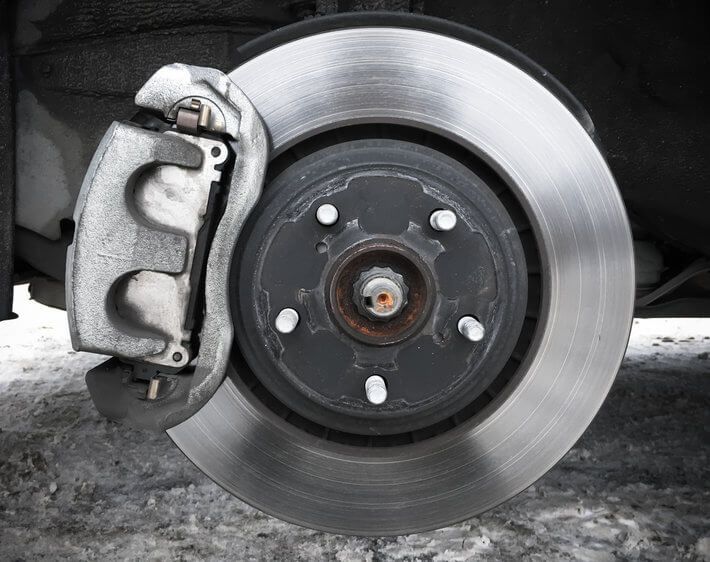
Your car pulls left or right while braking. This indicates uneven brake pad wear or rotor issues. It can cause loss of control and increase accident risk. Check brakes immediately if you notice this pull.
Credit: www.tiresplus.com
Brake Warning Indicators
Brake warning indicators alert you to problems with your braking system. They help you know when brakes or rotors need attention. Ignoring these signs can lead to costly repairs or unsafe driving.
Understanding these indicators is key to safe driving. Your car uses lights on the dashboard to warn about brake issues. Two common lights are the Dashboard Brake Light and the ABS Warning Light.
Dashboard Brake Light
This light usually looks like a circle with an exclamation mark or the word “BRAKE”. It turns on if the brake fluid is low or the parking brake is engaged. Sometimes it means the brake pads are worn out and need replacing. Do not ignore this light. Stop the car safely and check the brake system immediately.
Abs Warning Light
The ABS light stands for Anti-lock Braking System. It appears as the letters “ABS” on the dashboard. This light means the ABS is not working properly. The ABS helps stop the car safely on slippery roads. If this light stays on, your brakes might still work, but the ABS feature is disabled. Get the system checked soon to keep braking safe and effective.
When To Replace Brakes And Rotors
Knowing when to replace brakes and rotors is key for safe driving. Worn parts reduce stopping power and increase risk. Regular checks help spot problems early. Understanding wear limits and costs helps make smart choices.
Replacing brakes and rotors at the right time keeps your vehicle safe and reliable. Ignoring signs can lead to expensive damage or accidents.
Brake Pad Wear Limits
Brake pads wear down with use. Most pads start around 10-12 millimeters thick. Replace pads when thickness falls below 3 millimeters. Thin pads can cause poor braking and damage rotors. Listen for squealing sounds. They warn that pads are nearly gone.
Rotor Thickness Minimums
Rotors also wear thinner over time. Each rotor has a minimum thickness. This number is usually stamped on the rotor. Using rotors thinner than this risks cracking and failure. Measure rotor thickness with a micrometer. Replace rotors if they are below the limit.
Cost Vs. Safety Considerations
Brake and rotor replacement costs vary by vehicle and parts quality. Cheap parts may save money but lower safety. High-quality parts last longer and perform better. Prioritize safety over saving a few dollars. Proper brakes protect you and others on the road.
Preventive Brake Maintenance
Preventive brake maintenance helps keep your car safe and saves money. Checking brakes often stops small problems from growing. It also ensures your brakes work well when you need them most.
Good maintenance means better control and less risk on the road. It helps you spot worn parts early. This way, you avoid costly repairs or accidents.
Regular Brake Inspections
Check your brakes every few months or before long trips. Look for squeaking sounds or a soft brake pedal. These signs show your brakes need attention. A simple inspection can find worn pads or damaged rotors.
Inspect brake fluid levels too. Low fluid can reduce brake power. Mechanics can do full checks during oil changes or tire rotations.
Timely Replacement Of Brake Components
Replace brake pads before they wear out completely. Thin pads can damage rotors, leading to expensive repairs. Rotors may also need replacing if they are warped or cracked.
Follow the car manual for replacement times. Waiting too long can affect stopping ability and safety. Timely changes keep brakes working smoothly and extend their life.
Driving Habits That Protect Brakes
Drive gently to reduce brake wear. Avoid hard stops and quick starts. Use engine braking by shifting to lower gears downhill. This lowers stress on brake parts.
Keep safe distance from other vehicles. This helps avoid sudden stops. Smooth driving saves your brakes and improves fuel efficiency.
Frequently Asked Questions
How Can I Tell If My Brakes Need Replacing?
If you hear squealing or grinding noises, your brakes likely need replacing. Also, if the brake pedal feels soft or the car pulls to one side, it’s time to check your brakes.
What Are The Signs Of Worn Rotors?
Worn rotors cause vibrations or pulsations when braking. You may also notice grooves or cracks on the rotor surface, indicating they need replacement.
How Often Should Brakes And Rotors Be Inspected?
Brakes and rotors should be inspected every 10,000 to 15,000 miles. Regular checks help detect wear early and ensure safe driving conditions.
Can I Drive With Worn Brakes Or Rotors?
Driving with worn brakes or rotors is unsafe. It increases stopping distance and risks brake failure, putting you and others in danger.
Conclusion
Brakes and rotors keep you safe on the road. Watch for noises, vibrations, or longer stopping times. These signs often mean it is time for new parts. Regular checks help you avoid big problems later. Don’t wait until brakes fail.
Stay alert and act quickly for your safety. Your car will run smoother with fresh brakes and rotors. Taking care of them saves money and stress. Keep your drive safe and worry-free. Simple steps make a big difference.

