

You have a vinyl record that means a lot to you. Maybe it’s a rare find, a gift, or a favorite album you want to keep safe.
Wrapping it properly is the key to protecting it from scratches, dust, and damage. But how do you wrap a vinyl record the right way? You’ll learn simple steps that anyone can follow to keep your vinyl collection looking and sounding perfect.
Stick with me, and you’ll never worry about damaging your records again.

Credit: www.wikihow.com
Choosing The Right Materials
Choosing the right materials is key to protect your vinyl records during wrapping. The right supplies keep records safe from dust, scratches, and damage. Good materials also make storage easier and help preserve sound quality over time.
Using proper items helps avoid common problems like warping or surface marks. Each material has a specific role in keeping your vinyl in top condition. Let’s explore what to use for the best results.
Selecting Protective Sleeves
Protective sleeves shield the vinyl from dust and scratches. Use high-quality inner sleeves made of anti-static paper or polyethylene. These sleeves prevent static buildup that can attract dirt.
Outer sleeves protect the album cover from wear and tear. Choose clear plastic sleeves that fit snugly without bending the cover. Avoid cheap sleeves that can stick to the record or cover.
Using Bubble Wrap And Padding
Bubble wrap adds a cushioning layer around the record and cover. It absorbs shocks during transport or storage. Use small bubble wrap to avoid pressure points.
For extra padding, add foam sheets or soft cloth between records. This stops records from rubbing against each other. Proper padding reduces the risk of cracks and warping.
Tape And Labeling Supplies
Use acid-free tape to seal wrapped records without damaging them. Avoid regular tape, which can leave sticky residue. Use small pieces to secure bubble wrap or sleeves gently.
Label your records clearly with permanent markers or printed stickers. Mark the artist, album, and side to find records easily. Good labeling saves time and keeps your collection organized.
Credit: deepgrooves.eu
Preparing The Vinyl Record
Preparing the vinyl record is a key step before wrapping it. A clean and dry record stays safe and looks great. Taking time to prepare the record protects it from damage during wrapping.
Follow simple steps to make sure the record is ready. Clean the surface carefully and check for any dust or moisture. This helps keep the record in the best shape.
Cleaning The Record Surface
Use a soft, lint-free cloth to clean the vinyl surface. Gently wipe in a circular motion, following the grooves. Avoid harsh cleaners or rough cloths that may scratch the record. A mild cleaning solution made for vinyl can help remove fingerprints and smudges. This step removes dirt that can stick under the wrapping.
Ensuring Dry And Dust-free Condition
After cleaning, let the record dry completely. Any moisture can cause damage inside the wrapping. Place the record in a clean, dry place for a few minutes. Check the surface closely for dust or particles. Use a soft brush or cloth to remove any leftover dust. A dry, dust-free record is easier to wrap tightly and safely.
Step-by-step Wrapping Process
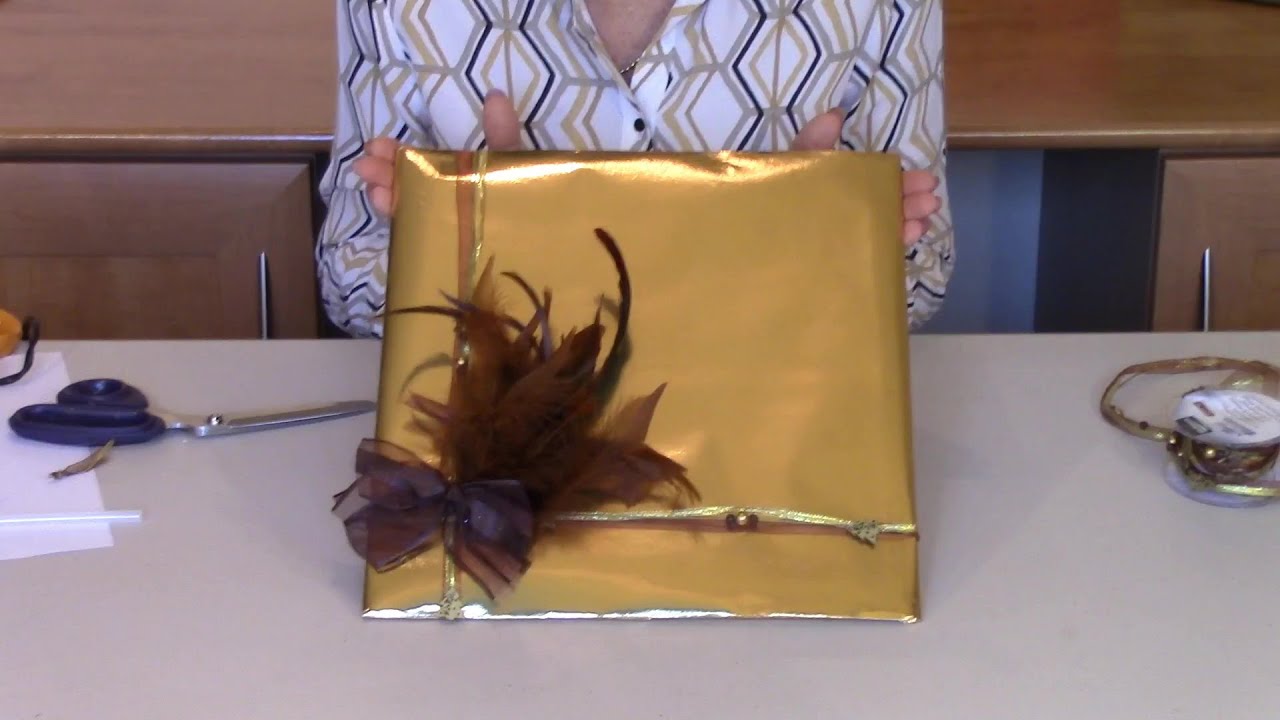
Wrapping a vinyl record properly protects it during storage or shipping. Follow these simple steps to keep your record safe and sound. Each step helps prevent scratches and damage. Take your time and handle the record gently.
Placing The Record In The Sleeve
Hold the vinyl record by its edges to avoid fingerprints. Slide it carefully inside its inner sleeve. Make sure the record fits snugly without bending. Use the outer sleeve to cover the inner one. This adds extra protection against dust and dirt.
Applying Bubble Wrap Around The Sleeve
Cut a piece of bubble wrap large enough to cover the record sleeve completely. Lay the bubble wrap flat on a clean surface. Place the record sleeve in the center of the bubble wrap. Wrap the bubble wrap tightly around the sleeve. This cushion helps absorb shocks during transit.
Securing The Wrap With Tape
Use clear packing tape to seal the bubble wrap edges. Tape all open sides to keep the wrap in place. Avoid taping directly on the record sleeve to prevent damage. Check that the tape holds the wrap firmly. This step keeps the record safe and secure.
Credit: www.youtube.com
Storage And Handling Tips
Proper storage and handling protect vinyl records from damage. It keeps sound quality clear and extends the record’s life. Simple steps make a big difference. Follow these tips to keep your collection safe and clean.
Choosing The Right Storage Box
Select boxes made for vinyl records. They should be sturdy and fit records snugly. Avoid boxes that are too tight or too loose. Use acid-free materials to prevent record damage. Store records upright, not flat, to avoid warping.
Maintaining Optimal Temperature And Humidity
Keep records in a cool, dry place. Ideal temperature is between 65°F and 70°F (18°C to 21°C). Humidity should stay around 45% to 50%. Avoid extreme heat or cold. High humidity causes mold, while dryness can crack sleeves.
Handling Records Safely
Hold records by the edges and label only. Avoid touching the grooves to prevent oils and dirt. Clean hands before handling. Use a soft cloth or brush to remove dust gently. Place records back in their sleeves after playing.
Common Wrapping Mistakes To Avoid
Wrapping a vinyl record needs care and attention. Many beginners make mistakes that can harm the record or its cover. Avoiding these errors helps keep your collection safe and looking good. Here are some common wrapping mistakes to watch out for.
Using Harsh Adhesives
Strong tapes or glues can damage the record sleeve. They may leave sticky residue or tear the cover when removed. Use gentle, removable tapes instead. This keeps the vinyl and sleeve in good shape.
Wrapping Too Tightly
Pressing the wrap too hard can warp the vinyl. It may cause the record to bend or crack. Leave some space for air and movement. A loose wrap protects the record better.
Ignoring Label Protection
The label on the record is delicate. Wrapping without protecting the label can cause smudges or scratches. Place a soft paper or cloth between the record and wrap. This stops damage to the label.
Frequently Asked Questions
How Do I Prepare A Vinyl Record For Wrapping?
Clean the vinyl record gently to remove dust and fingerprints. Use a soft, lint-free cloth. Ensure the record is dry before wrapping to avoid damage or mold growth.
What Materials Are Best For Wrapping Vinyl Records?
Use acid-free tissue paper or soft cloth for wrapping. Avoid plastic wraps that can trap moisture. Choose materials that protect against scratches and dust during storage.
How Should I Wrap A Vinyl Record Without Damaging It?
Place the record inside an inner sleeve first. Wrap gently with tissue paper, avoiding tight folds. Handle edges carefully to prevent warping or scratches.
Can I Use Vinyl Record Wraps For Long-term Storage?
Yes, acid-free wraps protect records from dust and light. Combine with sturdy outer sleeves or boxes for durability. Proper wrapping extends vinyl record lifespan effectively.
Conclusion
Wrapping a vinyl record is simple with the right steps. Take your time and be gentle. Use clean materials to keep the record safe. Proper wrapping helps protect your collection from dust and damage. You will enjoy your music longer this way.
Practice a few times to feel confident. Now, your vinyl records stay neat and ready to play. Keep them wrapped well and handle with care.


