

Are you thinking about pressure washing your car but worried about damaging the paint? Knowing the right PSI (pounds per square inch) to use is key to keeping your vehicle clean and safe.
Too much pressure can cause scratches or even chip the paint, while too little might not get the job done. You’ll discover exactly what PSI is safe for pressure washing your car. By the end, you’ll feel confident tackling the task without fear of harm.
Keep reading to protect your car’s finish and make it shine like new!
Ideal Psi Range For Cars
Finding the right PSI for pressure washing cars is very important. Too much pressure can damage paint and parts. Too little pressure may not clean well. The ideal PSI range helps clean cars safely and effectively. This range depends on the car’s surface and dirt level.
Low Vs High Psi Effects
Low PSI is gentle on the car’s paint and trim. It removes dirt without harm. High PSI can strip paint and leave marks. Strong pressure may also harm windows and seals. Using the wrong PSI risks costly repairs. Choose the right pressure to keep the car safe.
Recommended Psi For Different Car Surfaces
For painted surfaces, keep PSI between 1200 and 1900. This cleans well without damage. Wheels and tires can handle higher PSI, around 2000 to 2300. Use lower pressure on decals and stickers, about 1200 PSI. Glass and mirrors require gentle pressure, near 1000 PSI. Adjust PSI based on the car part for best results.
Factors Influencing Safe Psi
Knowing the safe PSI for pressure washing cars depends on many factors. These factors decide how much pressure is safe for your car’s paint. Using too much pressure can damage the paint or clear coat. Understanding these elements helps protect your car while cleaning it well.
Type Of Paint Finish
Different paint finishes handle pressure differently. Glossy and metallic finishes are more delicate. Matte finishes may need gentler care to avoid damage. Clear coats protect paint but can be thin in some areas. Use lower PSI on delicate finishes to keep paint safe.
Age And Condition Of Paint
Older paint can be weaker and more prone to damage. Faded or chipped paint needs extra care. Newer paint is usually stronger and can handle more pressure. Check your paint’s condition before starting. Lower PSI is best for old or damaged paint.
Nozzle Type And Distance
The nozzle controls how water sprays on the car. Wide spray nozzles spread pressure over a larger area. Narrow nozzles focus pressure on one spot, increasing risk of damage. Keep the nozzle at least 12 inches from the surface. Adjust distance and nozzle type to reduce paint damage risk.
Risks Of Using Excessive Psi
Using too much pressure from a power washer can harm your car. High PSI may clean faster but can cause serious damage. Knowing the risks helps protect your car’s look and value. Careful use keeps your vehicle safe and shiny.
Paint Damage And Chipping
Strong water pressure can peel off paint. It can also cause tiny chips in the paint surface. This weakens the paint and makes your car look old. Paint damage can lead to rust spots over time. Keeping PSI low helps avoid these problems.
Water Intrusion Issues
Water can get inside the car’s parts if pressure is too high. This can damage electrical systems and cause corrosion. Water trapped in doors or windows creates mold and smells. Using safe PSI stops water from entering sensitive areas.
Impact On Decals And Trim
High pressure can lift or tear decals on your car. Trim pieces made of plastic or rubber may break or warp. Loose parts make your car look untidy and less cared for. Lower PSI protects these delicate parts from damage.

Credit: www.turtlewax.com
Choosing The Right Pressure Washer
Choosing the right pressure washer for cleaning your car is important. The wrong tool can damage your paint or waste water. Knowing which type of pressure washer fits your needs saves time and protects your vehicle. This guide helps you pick the best machine for safe and effective car washing.
Electric Vs Gas Models
Electric pressure washers are quieter and lighter. They work well for small jobs and home use. Gas models offer more power and mobility. They suit larger areas or tough dirt. For cars, electric models usually provide enough pressure without risking damage.
Adjustable Psi Features
PSI means pounds per square inch. It measures water pressure strength. Adjustable PSI lets you control the force. Lower PSI is safer for car paint and delicate parts. Choose a washer with easy PSI settings to clean gently and thoroughly.
Portability And Convenience
Portability matters for moving around your car. Lightweight washers are easier to carry and store. Some models have wheels for better mobility. A compact design helps reach tight spots. Pick a pressure washer that fits your space and cleaning style.
Safe Pressure Washing Techniques
Pressure washing a car can give it a fresh, clean look quickly. Using the right techniques keeps the paint safe and avoids damage. Applying the correct pressure and angle helps protect the car’s surface and finish. Small steps before washing also improve results and protect the vehicle.
Proper Distance Maintenance
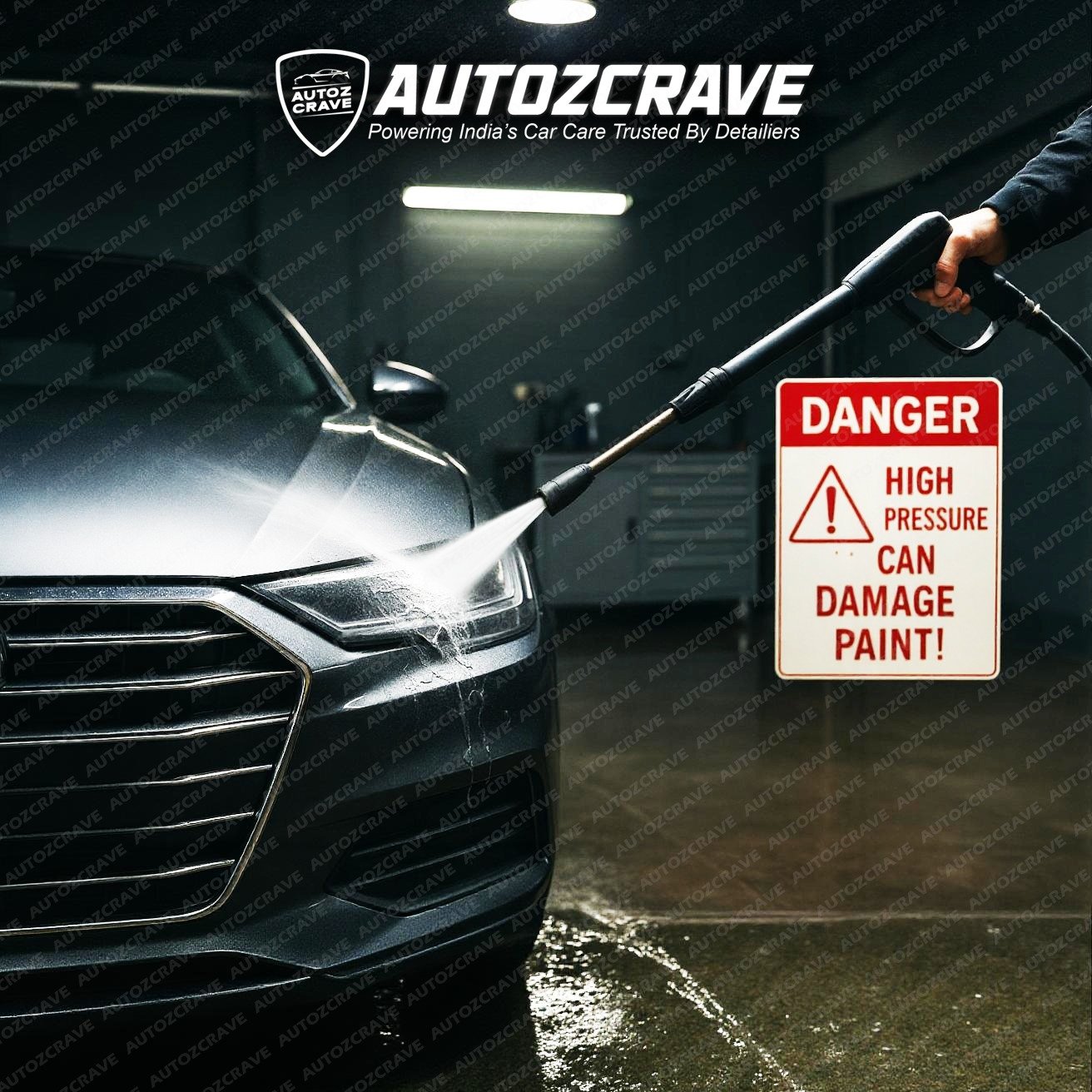
Keep the pressure washer nozzle at least 12 to 18 inches from the car. This distance helps prevent paint chips and surface damage. Holding the nozzle too close can cause scratches or peel the paint. Move the wand steadily to avoid focusing pressure on one spot.
Optimal Spray Angle
Spray water at a 45-degree angle instead of straight on. This angle reduces the force hitting the car directly. It helps loosen dirt without harming the paint or trim. Avoid spraying directly at edges, seals, or sensitive parts like mirrors and lights.
Pre-washing Preparation
Rinse the car with plain water to remove loose dirt. Check for any cracks or weak paint spots. Cover delicate parts like air vents and electrical outlets. Use a foam cannon or soap designed for cars to avoid harsh chemicals. This step reduces the chance of scratches during pressure washing.
Credit: autozcrave.com
Additional Tips To Protect Car Paint
Protecting your car’s paint during pressure washing is very important. The right care keeps your vehicle looking new for longer. Small steps make a big difference in avoiding damage and fading.
Follow these tips to keep your paint safe and shiny after washing. They help maintain the car’s beauty and value.
Using Detergents And Softeners
Choose detergents made for cars only. Harsh chemicals can strip paint and cause damage. Use softeners to reduce water hardness. This helps avoid spots and stains on the surface. Always rinse off all soap completely to prevent residue build-up.
Post-wash Care And Waxing
Dry your car with a soft cloth or chamois to stop water marks. Apply a good wax after washing. Wax adds a protective layer that shields paint from dirt and UV rays. It also makes future cleaning easier and keeps the shine bright.
Frequency Of Pressure Washing
Pressure wash your car only when needed. Too often can wear down the paint over time. Once every few weeks is enough for most cars. Adjust based on your local weather and how dirty the car gets. Regular light cleaning with a sponge is safer for daily dirt.

Credit: www.turtlewax.com
Frequently Asked Questions
What Is The Safe Psi For Pressure Washing Cars?
The safe PSI range for washing cars is 1200 to 1900 PSI. This pressure effectively cleans without damaging paint or trim. Avoid using PSI above 2000 as it may strip paint or cause dents. Always test on a small area first.
Can High Psi Damage My Car’s Paint?
Yes, high PSI can damage car paint by causing chips or scratches. Pressures above 2000 PSI risk stripping wax and paint layers. Use moderate pressure and keep the nozzle at least 12 inches away from the surface to avoid damage.
What Nozzle Should I Use For Car Pressure Washing?
Use a 25-degree or wider nozzle for car washing. Narrower nozzles increase pressure and risk damage. A 25-degree nozzle provides a balanced spray that cleans gently and efficiently without harming paint or trim.
How Far Should The Pressure Washer Nozzle Be From The Car?
Maintain a distance of 12 to 18 inches between the nozzle and car surface. Closer distances increase pressure impact and damage risk. Adjust distance as needed to clean dirt without harming paint or decals.
Conclusion
Safe PSI matters when pressure washing your car. Too much pressure can damage paint and parts. Keep PSI below 1200 for gentle cleaning. Use a wide spray nozzle to spread water evenly. Hold the wand at least 12 inches from the surface.
Take your time and rinse carefully to avoid scratches. Protect your car’s finish and enjoy a clean look. Pressure washing is easy with the right PSI and care. Stay safe, clean smart, and keep your car shining.


