
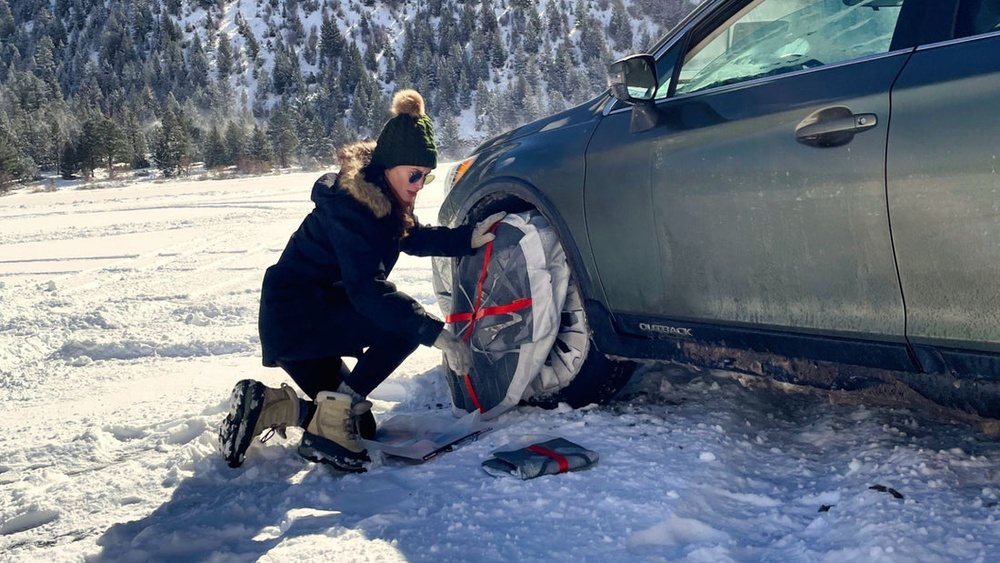
If you drive a front wheel drive car, you know how tricky winter roads can get. Slippery ice and deep snow can make every trip stressful and unsafe.
That’s where tire chains come in. They give your front wheels the extra grip you need to stay in control. But choosing the right chains and using them correctly can be confusing. You’ll discover everything you need to know about tire chains for front wheel drive cars.
By the end, you’ll feel confident and ready to tackle winter roads safely. Keep reading to find out how to protect yourself and your car this season.
Why Tire Chains Matter
Tire chains play a key role for front wheel drive cars in snowy and icy conditions. They improve grip and help you stay safe on slippery roads. Driving without tire chains can cause slipping and loss of control. Chains give your tires extra traction, making driving easier in bad weather.
Challenges With Front Wheel Drive
Front wheel drive cars pull the vehicle with the front tires. This setup can struggle on snow and ice. The front tires must steer, pull, and stop the car. This puts a lot of pressure on them. Without extra grip, front tires can slip and slide. This makes it hard to start moving or climb hills.
Slipping tires cause loss of control. It increases the risk of accidents. Front wheel drive cars may also have trouble braking on icy roads. The limited traction makes it tough to stop quickly. These challenges show why extra help, like tire chains, matters.
Benefits Of Using Tire Chains
Tire chains wrap around the tires and dig into snow and ice. They boost traction and prevent slipping. Chains help front tires pull the car forward safely. This makes starting, stopping, and turning easier.
Using tire chains reduces the chance of getting stuck. It also improves braking on slick surfaces. Chains give you better control and confidence on winter roads. They make driving safer for front wheel drive cars in harsh conditions.
Choosing The Right Chains
Driving with tire chains on a front wheel drive car changes how you control your vehicle. Chains give extra grip on snow and ice. They help your tires hold the road better. Using chains needs care and some new driving habits. This keeps you safe and avoids damage to your car.
Adjusting Driving Habits
Drive slower than usual with tire chains. Avoid sharp turns and quick stops. Chains can slip if you are too fast. Keep a bigger distance from other cars. Smooth actions help chains grip the road well. Listen for unusual sounds; it may mean chains are loose.
Speed And Handling
Do not exceed 30 mph with chains. High speeds cause chains to break or slip. Front wheel drive cars pull the front, so chains improve traction here. Expect the steering to feel heavier. Brake gently to keep control. Slow down before curves or hills.
Maintenance On The Road
Check chains after driving a short distance. Tighten any loose links to avoid damage. Remove chains when you reach clear roads. Driving on dry pavement wears out chains fast. Clean chains from salt and dirt after use. Store them dry to prevent rust.
Installation Tips
Knowing the legal rules about tire chains is very important. These rules protect drivers and keep roads safe during snowy and icy conditions. Different places have different laws. Following these laws helps avoid fines and accidents.
Chain Laws By Region
Each region has its own rules about tire chains. Some places allow chains only on certain roads. Others require chains for front wheel drive cars during winter. Always check local laws before driving in snow.
When Chains Are Required
Chains are often required during heavy snow or ice. Signs on the road will tell you when to use chains. Sometimes, law enforcement will give orders to install chains. Following these rules helps prevent slipping and crashes.
Penalties For Non-compliance
Not using chains when required can lead to fines. The amount varies by region and severity. In some cases, drivers can lose points on their license. Ignoring chain laws also increases the risk of accidents and liability.
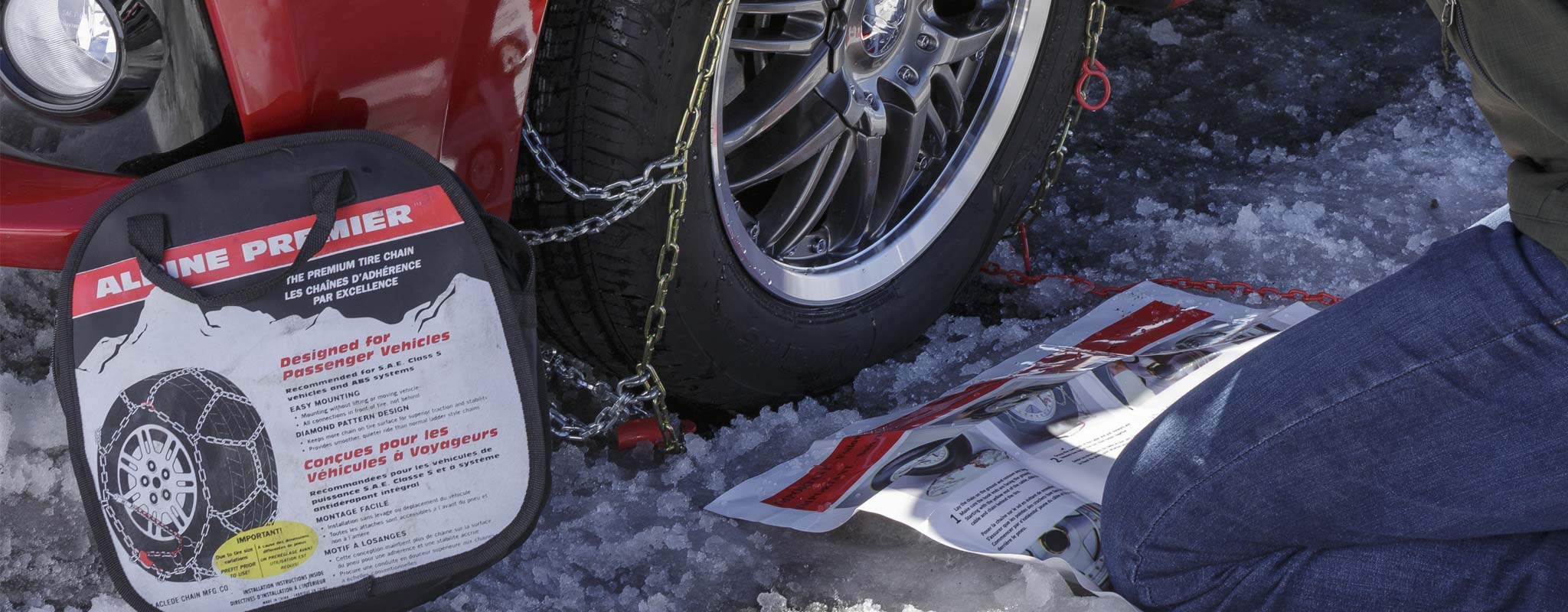
Credit: www.lesschwab.com
Driving With Tire Chains
Tire chains are a popular choice for improving traction on snow and ice. Still, they are not the only option for front wheel drive cars. Many drivers find tire chains hard to install or uncomfortable to use. Alternatives offer easier use and can work well in different winter conditions. Understanding these options helps drivers make better choices for safety and convenience.
Snow Socks And Traction Devices
Snow socks are fabric covers that fit over tires. They provide good grip on snow and ice. Snow socks are lightweight and easy to put on. They do not damage tires or roads. Traction devices include products like cables and textile covers. These improve grip without the bulk of chains. Both options are quieter and smoother than chains.
Winter Tires Vs. Chains
Winter tires have special rubber and tread for cold weather. They work well on snow and ice all season long. Chains offer extra grip but only in deep snow or ice. Winter tires give better everyday performance without extra effort. Chains may be better for extreme conditions or short trips. Each option suits different driving needs and weather.
Pros And Cons Comparison
Tire chains provide strong traction but are hard to install. They can be noisy and may damage roads or tires. Snow socks are easy to use but wear out faster. They are less effective on bare ice or hard snow. Winter tires offer all-around safety but cost more upfront. They do not need removal and work in many conditions. Choosing depends on driving habits, budget, and local weather.
Legal Considerations
Taking care of tire chains for front wheel drive cars is important. Proper storage and cleaning keep the chains ready for use. Chains last longer and work better with good care. Follow simple steps to maintain your chains after every trip in snow or ice.
Cleaning After Use
Remove the chains from your tires carefully. Shake off dirt, salt, and mud from the chains. Use water and a brush to clean them thoroughly. Dry the chains completely to stop rust from forming. Clean chains work well and stay safe for the next drive.
Proper Storage Methods
Store chains in a dry, cool place away from moisture. Use a plastic bag or container to keep them safe. Avoid folding or tangling the chains. Lay them flat or hang them to keep their shape. Proper storage stops damage and saves space.
Extending Chain Lifespan
Check the chains for wear or broken links before each use. Fix small problems early to avoid bigger damage. Use chains only on snowy or icy roads to prevent wear. Regular care and correct use help your chains last many seasons.

Credit: www.popularmechanics.com
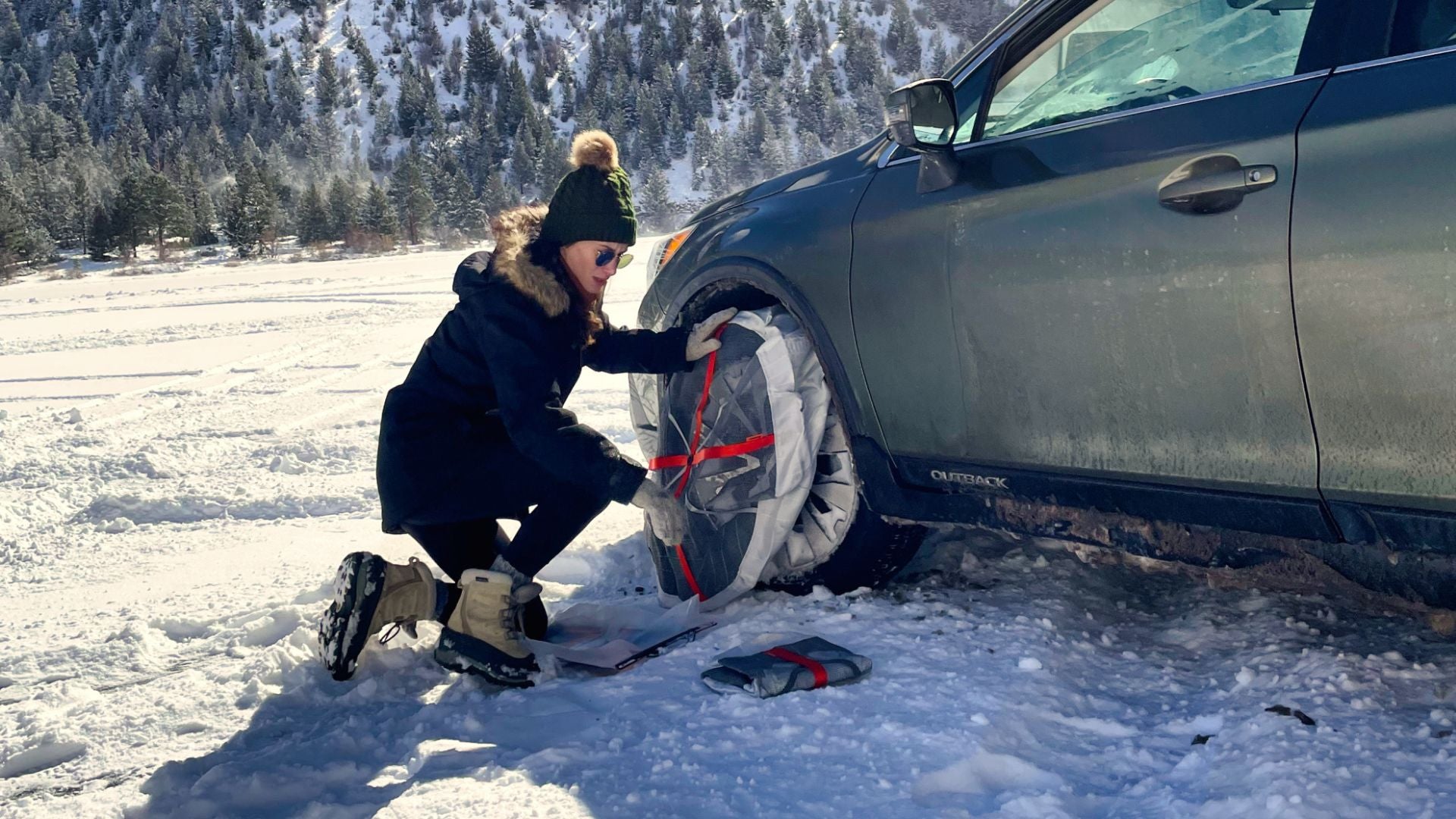
Credit: autosock.us
Frequently Asked Questions
What Are Tire Chains For Front Wheel Drive Cars?
Tire chains are devices fitted around tires to improve traction on snow and ice. For front wheel drive cars, chains enhance grip on slippery roads, ensuring safer driving in winter conditions.
How Do Tire Chains Improve Front Wheel Drive Traction?
Tire chains dig into snow and ice, increasing friction. This prevents wheel slippage and improves control, making it easier for front wheel drive cars to move and stop safely on icy surfaces.
Can I Use Tire Chains On All Front Wheel Drive Tires?
Tire chains fit most front wheel drive tires, but always check your vehicle’s manual. Some tires or wheel sizes may require specific chain types or may not allow chains at all.
Are Tire Chains Legal For Front Wheel Drive Cars Everywhere?
Tire chain laws vary by region and season. Always check local regulations before use. Some areas require chains in winter, while others may restrict or ban them on certain roads.
Conclusion
Tire chains help front wheel drive cars stay safe on snowy roads. They improve grip and reduce slipping. Installing chains is simple with the right tools and practice. Always check local laws before using chains. Drive slowly and carefully while chains are on.
Proper use keeps you and others safe during winter. Choose chains that fit your tires well for best results. Stay prepared and confident when winter weather arrives.


