

Have you ever wondered what the safest way to tow your rear wheel drive car is? Whether your vehicle broke down unexpectedly or you need to move it a short distance, knowing the right towing method can save you from costly damage.
Towing a rear wheel drive car isn’t as simple as hooking it up and driving away—your car’s unique setup demands special care. You’ll discover the key steps and expert tips to tow your car without risking its transmission or tires.
Keep reading to protect your investment and avoid common towing mistakes that many car owners make.
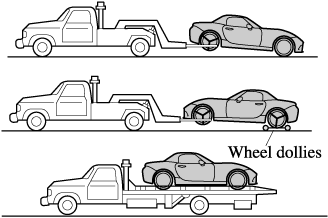
Credit: owners-manual.mazda.com
Preparing Your Rear Wheel Drive Car
Preparing your rear wheel drive car for towing is a crucial step. It ensures safety and prevents damage to your vehicle. Taking time to prepare makes the towing process smooth and trouble-free.
Check The Owner’s Manual
Start by reading the owner’s manual carefully. It has specific instructions for towing your rear wheel drive car. Some cars need special settings or parts to tow safely. Follow these guidelines strictly to avoid costly repairs.
Inspect The Towing Equipment
Examine all towing gear before use. Check the tow dolly, straps, and hooks for any damage. Make sure the equipment can handle your car’s weight. Using faulty equipment can cause accidents or car damage.
Secure Loose Parts
Look around your car for loose parts like mirrors or antennas. Remove or secure them tightly to prevent loss during towing. Loose parts can fall off and cause danger on the road. Take this simple step to keep everything safe.
Choosing The Right Towing Method
Choosing the right towing method for a rear wheel drive car is important. It protects the vehicle and makes towing safe. Different methods suit different situations. Knowing each option helps you pick the best one for your car.
Flatbed Towing
Flatbed towing lifts the entire car off the ground. This method stops any wheel movement. It is the safest choice for rear wheel drive cars. The car stays stable and avoids damage to the transmission. Flatbeds work well for long distances and rough roads.
Dollies And Wheel Lifts
Dollies lift only the rear wheels, keeping the front wheels on the road. This method can cause wear on the front tires. It suits short trips and quick moves. Wheel lifts carry just the rear wheels off the ground. Both methods need careful handling to avoid damage.
Tow Bars
Tow bars connect the front of the car to the towing vehicle. The rear wheels stay on the road and roll freely. This method can harm the transmission if not done right. It fits small distances and flat roads. Tow bars need special equipment and setup.
Setting Up The Car For Towing
Preparing a rear wheel drive car for towing is important. Proper setup helps avoid damage. It also makes towing safer and smoother. Follow these steps to get the car ready before towing.
Disengage The Transmission
Start by disengaging the transmission. This stops the engine from driving the wheels. For automatic cars, use the neutral position. For manual cars, press the clutch and shift to neutral. This step prevents damage to the transmission during towing.
Use Neutral Gear
Set the gear to neutral. This lets the wheels spin freely. It reduces wear on the drivetrain parts. Keep the key in the ignition if needed to unlock the steering wheel. Neutral gear helps avoid extra pressure on the rear wheels.
Protect The Tires And Suspension
Check the tires before towing. Inflate them to the right pressure. This prevents flat spots and tire damage. Use wheel chocks or blocks to stop the car from moving. Avoid heavy loads on the suspension. Protecting tires and suspension keeps the car safe during transport.

Credit: greentowing-losangeles.com
Safety Measures During Transport
Transporting a rear wheel drive car requires careful attention to safety. This ensures the vehicle stays secure and no damage happens. Proper steps can prevent accidents on the road. Follow these key safety measures during towing.
Properly Secure The Vehicle
Always fasten the car tightly to the tow truck or trailer. Use strong straps or chains on all four wheels. Check that the car cannot move or shift during transport. Double-check the connections before starting your trip.
Check Lights And Signals
Make sure the tow vehicle’s lights and signals work well. Brake lights, turn signals, and hazard lights must be visible. This helps other drivers understand your moves. Test the lights before leaving the pickup point.
Drive Carefully And Monitor Conditions
Drive slowly and keep a safe distance from other vehicles. Watch the road and weather conditions closely. Avoid sudden braking or sharp turns to keep the car stable. Stop regularly to check the car’s security and straps.
Common Mistakes To Avoid
Towing a rear wheel drive car requires careful attention. Many make simple mistakes that cause damage or danger. Avoiding these errors saves time and money. Learn the most common mistakes to prevent trouble on the road.
Ignoring Weight Limits
Every tow vehicle has a maximum weight it can safely pull. Ignoring this limit risks damage to both vehicles. Overloading causes poor handling and longer stopping distances. Always check the car’s weight before towing. Use a scale or find the weight in the owner’s manual. Never exceed the tow rating of your equipment.
Overlooking Brake Requirements
Towing without proper brakes is unsafe and often illegal. Rear wheel drive cars may need trailer brakes or supplemental brake systems. These help control the load and reduce wear on your vehicle. Check local laws about brake requirements for your setup. Test the brakes before every trip to ensure they work well.
Neglecting Regular Checks
Frequent checks during a tow prevent accidents and breakdowns. Inspect tire pressure on both vehicles before and during the drive. Look at all connections, chains, and lights. Loose or damaged parts can cause serious problems. Stop regularly to recheck everything, especially on long trips.
Credit: www.toyota-4runner.org
Post-towing Inspection
After towing a rear wheel drive car, a careful check is very important. This step ensures the car is safe to drive. It helps spot any issues caused by towing. Taking time to inspect your car can save money and prevent accidents.
Check For Damage
Look closely at the car’s body and undercarriage. Check for dents, scratches, or broken parts. Pay attention to the wheels and tires. Make sure no bolts or parts are loose or missing. Damage might not be visible at first glance.
Inspect Fluid Levels
Check all fluid levels after towing. Look at the engine oil, transmission fluid, and brake fluid. Low or dirty fluids can cause serious engine problems. Fill or change fluids if needed before driving again.
Test Drive The Car
Drive the car slowly on a quiet road. Listen for strange noises from the engine or wheels. Feel if the brakes work smoothly. Notice if the steering feels normal. Stop immediately if something feels wrong.
Frequently Asked Questions
Can You Tow A Rear Wheel Drive Car Safely?
Yes, you can tow a rear wheel drive car safely. Use a flatbed tow truck or lift the rear wheels off the ground. This prevents damage to the transmission and drivetrain. Always follow the manufacturer’s towing guidelines for best results.
What Is The Best Towing Method For Rear Wheel Drive Cars?
The best method is flatbed towing. It keeps all wheels off the ground, avoiding transmission damage. If flatbed towing isn’t available, use a tow dolly to lift the rear wheels. Avoid towing with all four wheels on the ground.
Why Avoid Towing Rear Wheel Drive Cars With All Wheels Down?
Towing with all wheels down can damage the transmission. The rear wheels turn the driveshaft, which can cause harm if the engine isn’t running. This leads to costly repairs. Always lift the rear wheels or use a flatbed to prevent damage.
How To Prepare A Rear Wheel Drive Car For Towing?
Put the car in neutral to free the transmission. Release the parking brake to allow wheel movement. Secure the car properly on the tow truck or dolly. Check the car’s manual for any specific towing instructions before starting.
Conclusion
Towing a rear wheel drive car needs care and the right method. Keep the drive wheels off the ground to avoid damage. Use a flatbed or tow dolly for safer towing. Always check the vehicle’s owner manual for specific instructions.
Following these tips helps protect your car and towing vehicle. Stay safe and tow smart to prevent costly repairs. Towing does not have to be hard or risky. Just plan well and take it slow.


