Have you ever wondered what it feels like to drive a car that turns heads and tells a story? A vintage 3 wheel car is more than just a vehicle—it’s a piece of history that sparks curiosity and admiration wherever it goes.
If you’re someone who loves unique rides with character, this classic design will grab your attention. You’ll discover why these cars are so special, how they work, and what makes them a must-have for collectors and enthusiasts alike. Ready to dive into the fascinating world of vintage 3 wheel cars?
Let’s get started!
Credit: www.classicandsportscar.com
History Of Vintage 3 Wheel Cars
Vintage 3 wheel cars have a unique place in automotive history. They blend simplicity with style and efficiency. Their design offered a new way to think about transport.
These cars often combined the compactness of motorcycles with the comfort of cars. Many pioneers and manufacturers explored this design over the years. Their story reveals innovation and creativity in early vehicle design.
Early Innovations
The idea of three wheels appeared in the late 19th century. Early inventors wanted a cheaper, lighter vehicle than four-wheel cars. Many early models used motorcycle parts to save cost. These vehicles were easier to build and maintain. The three-wheel design also helped reduce weight and fuel use. Early 3 wheel cars were popular in Europe and the US.
Popular Models Through Decades
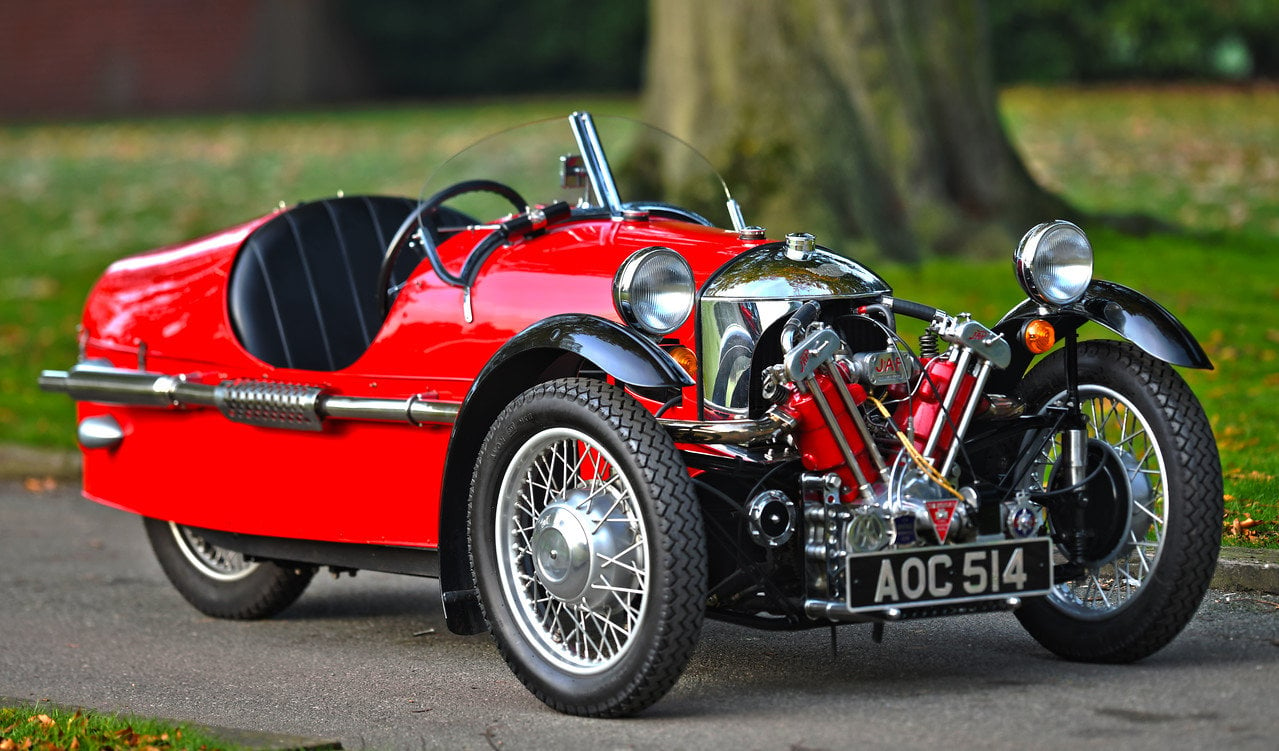
In the 1920s and 1930s, several models gained attention. The Morgan 3 Wheeler became a classic example. It combined speed with a sporty look. The 1950s saw the rise of small, economical 3 wheel cars. The Reliant Robin from the UK was one famous model. It became a symbol of affordable transport. These cars served many people who needed simple, cheap rides.
Key Manufacturers
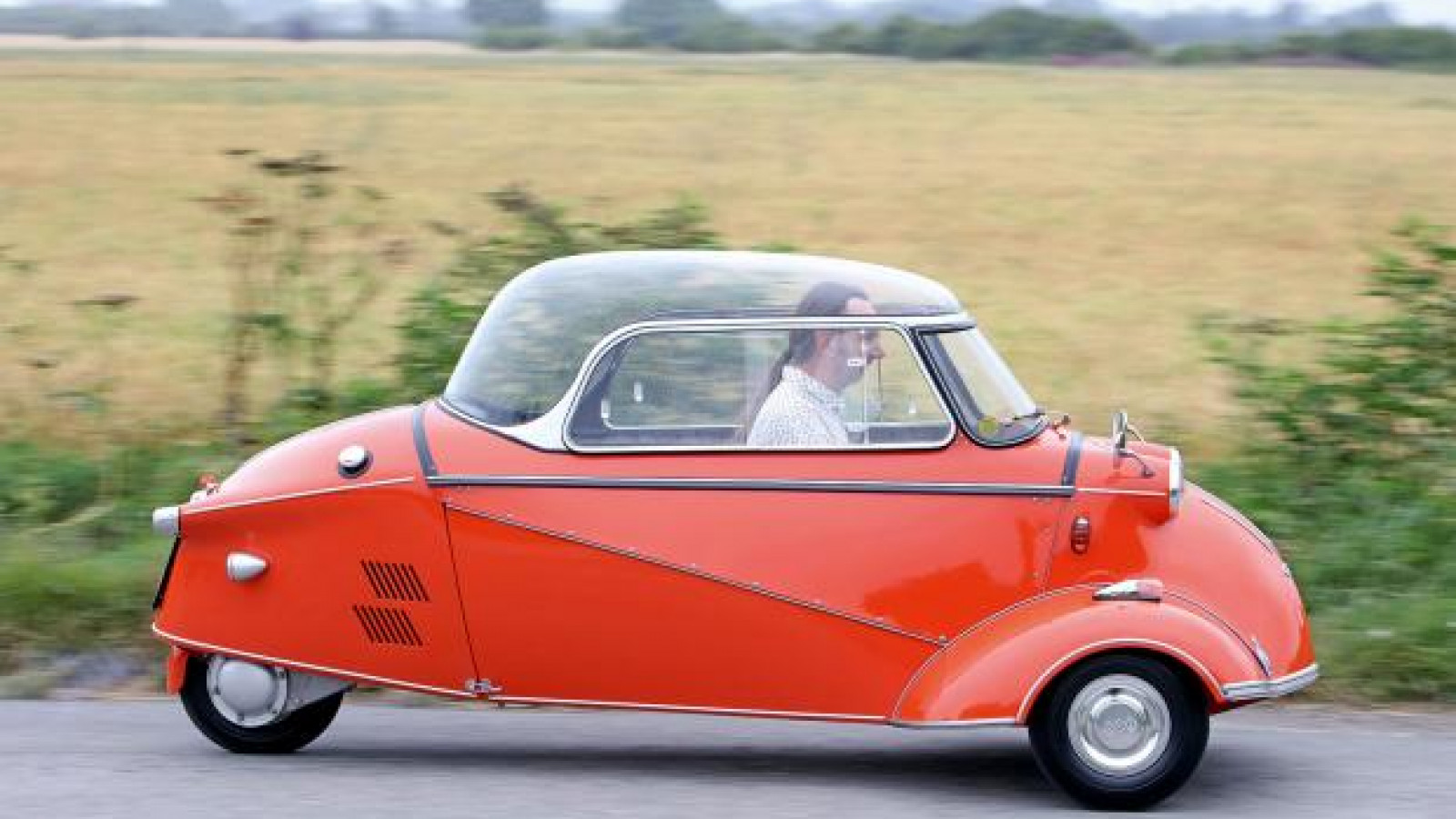
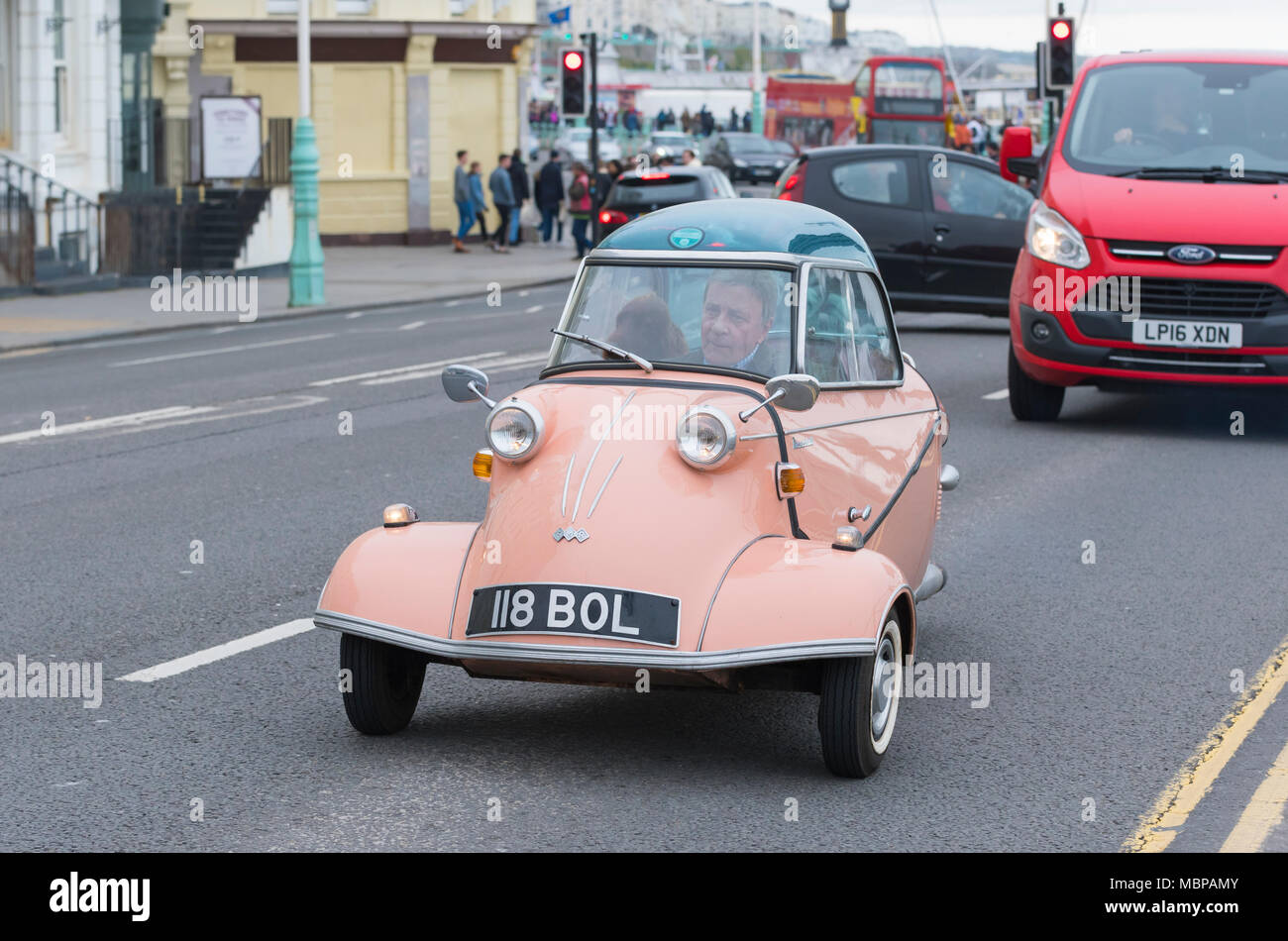
Many companies tried their hand at 3 wheel cars. Morgan Motor Company led with their sporty designs. Reliant Motors built economical and practical models. Other firms like Bond and Heinkel also made notable vehicles. These manufacturers pushed the limits of the three-wheel concept. Their work influenced small car design for years.
Distinctive Design Features
Vintage 3 wheel cars stand out for their unique design. Their look is not like usual cars. These vehicles show creativity and smart engineering. Each part has a special role. The design makes them easy to spot and remember.
Chassis And Frame
The chassis of vintage 3 wheel cars is light yet strong. Makers used steel or aluminum for durability. The frame supports the entire car and its parts. It is often simpler than four-wheel cars. This design helped reduce weight and cost. It also made the car easier to repair.
Wheel Configuration
Three wheels give these cars a unique shape. Usually, two wheels are in front or back. The single wheel balances the car’s weight. This setup saves space and fuel. It also allows the car to be narrow and nimble. The wheel design affects how the car handles turns and speed.
Body Styles And Materials
Body styles vary from open-top to closed cabins. Many vintage models have rounded, smooth shapes. Makers used metal, wood, or fiberglass for the body. Each material added a different look and feel. Light materials helped improve speed and fuel use. The styles reflect the fashion and tech of their time.
Performance And Mechanics
The performance and mechanics of vintage 3 wheel cars offer a unique driving experience. These vehicles have simple designs yet deliver surprising power and control. Their mechanics focus on efficiency and ease of maintenance. Understanding their engine types, handling, and fuel efficiency helps appreciate these classic cars better.
Engine Types
Vintage 3 wheel cars often use small, lightweight engines. Most models feature single-cylinder or two-cylinder engines. These engines provide enough power for city driving. Some vintage models have air-cooled engines. Air cooling keeps the engine simple and reduces weight. The compact engines make the cars easy to maintain. Engine parts are often simple and widely available. This simplicity ensures long-lasting performance.
Handling And Stability
Handling in vintage 3 wheel cars differs from regular cars. Their three-wheel design gives a unique balance. Two wheels in front provide steering control. One wheel at the back helps with stability. These cars can easily navigate tight corners. Their lightweight frame adds to nimble handling. However, sharp turns require slower speeds for safety. Drivers feel connected to the road through direct steering. The low center of gravity improves balance on straight roads.
Fuel Efficiency
Fuel efficiency is one of the main benefits of vintage 3 wheel cars. Their small engines consume less fuel than larger cars. The lightweight structure reduces energy needed to move. Many vintage models achieve good mileage on regular gasoline. Low fuel use makes these cars affordable to run. Simple engine design also means fewer fuel system problems. Drivers enjoy longer trips with fewer refueling stops. This efficiency suits daily commuting and short trips well.
Cultural Impact And Popularity
The vintage 3 wheel car holds a special place in automotive history. It is more than just a vehicle. It reflects a unique time in design and culture. Its charm and simplicity attract many people worldwide. This car has influenced art, movies, and even lifestyle.
Many classic car lovers admire its distinct look. The 3 wheel design stands out on roads filled with four-wheel vehicles. Enthusiasts value its rarity and the stories behind each model. This interest has helped keep the vintage 3 wheel car alive in public memory.
Iconic Appearances In Media
Vintage 3 wheel cars often appear in movies and TV shows. They add a retro or quirky vibe to scenes. Some films use these cars to show a character’s unique personality. Cartoons and animations also feature these cars for their fun shape. This media exposure boosts interest and keeps the car popular.
Collector Communities
Many collectors focus on vintage 3 wheel cars. They share information and trade parts in forums and clubs. These communities organize events where members show off their cars. They discuss history, repairs, and modifications. This network supports the car’s legacy and grows its fan base.
Restoration And Preservation
Restoring vintage 3 wheel cars is a popular hobby. People enjoy bringing old cars back to life. Restoration involves fixing engines, paint, and interiors. Preserving these cars helps keep history alive. Workshops and specialists often help owners with the process.
Modern Influence And Revival
The vintage 3 wheel car is gaining new interest today. Classic designs inspire modern creativity. These cars combine old charm with new ideas. This blend brings the vintage style back to life. Enthusiasts and designers explore fresh ways to use three wheels. The revival shows how past and present connect in car design.
Contemporary 3 Wheel Designs
Modern 3 wheel cars have sleek shapes and unique styles. They focus on being light and easy to drive. Designers use smooth lines to improve aerodynamics. Some models have open cabins for a fun ride. Others offer closed cabins for comfort and safety. These designs keep the vintage spirit but add a modern touch.
Technological Upgrades
New technology makes 3 wheel cars smarter and safer. Electric engines replace old gas motors for clean driving. Advanced batteries give longer range and quick charging. Safety features like airbags and stability control are common now. Smart dashboards show useful info clearly. These upgrades improve the driving experience greatly.
Future Trends
Future 3 wheel cars may include self-driving features. Lightweight materials will make cars even more efficient. Solar panels might help power some models. Designers plan to mix style with eco-friendly solutions. Urban use will grow, as these cars fit small spaces. The future looks bright for 3 wheel cars.
Credit: monochrome-watches.com
Credit: www.alamy.com
Frequently Asked Questions
What Defines A Vintage 3 Wheel Car?
A vintage 3 wheel car is a classic vehicle with three wheels, often from the early to mid-20th century. It features unique designs and engineering, combining nostalgia with rare automotive history. These cars are prized by collectors for their distinct style and mechanical simplicity.
Why Were Vintage 3 Wheel Cars Popular?
Vintage 3 wheel cars gained popularity due to their affordability and fuel efficiency. They offered an economical alternative to traditional cars during their time. Their compact size made them ideal for city driving and easy parking, appealing to budget-conscious drivers and enthusiasts alike.
How Are Vintage 3 Wheel Cars Different From Modern Cars?
Vintage 3 wheel cars have a simpler design and fewer safety features than modern cars. They typically have one wheel in front and two at the rear, unlike the four-wheel layout today. Their engines are smaller, and they emphasize style and novelty over performance and safety.
Are Vintage 3 Wheel Cars Easy To Maintain?
Yes, vintage 3 wheel cars are generally easier to maintain due to their simple mechanics. Parts can be rare but are often available through specialty suppliers. Enthusiasts enjoy restoring these cars because they require less complex technology and offer hands-on mechanical experience.
Conclusion
Vintage 3 wheel cars hold a special charm and history. They offer a unique driving experience you won’t find in regular cars. Collectors and fans enjoy their style and simplicity. These cars remind us of a different time in automotive design.
Owning one can bring joy and a sense of nostalgia. They stand out on the road and turn heads easily. For anyone interested in classic vehicles, vintage 3 wheel cars are worth exploring. A blend of style, fun, and history all in one package.