
Are you tired of uncomfortable bike rides because your seat cover just doesn’t fit right? Knowing the correct measurements for bike seat covers can make all the difference in your comfort and riding experience.
But how do you find the perfect fit for your bike seat? You’ll discover simple tips to measure your bike seat accurately. By the end, you’ll be ready to choose a seat cover that feels like it was made just for you.
Keep reading to unlock the secret to a smoother, more enjoyable ride!
Why Seat Cover Size Matters
Choosing the right size for a bike seat cover is very important. A cover that fits well protects the seat and makes riding more comfortable. Too small or too big covers can cause problems while riding. Knowing why seat cover size matters helps you pick the best one for your bike.
Comfort And Fit
A properly sized seat cover fits snugly on the bike seat. It stops the cover from slipping or bunching up during rides. Good fit means better comfort and less distraction while cycling. A loose cover can make the ride bumpy and uncomfortable.
Protection Of The Bike Seat
Right size covers protect the bike seat from rain, dirt, and wear. Covers that are too small leave parts of the seat exposed. Oversized covers can tear or wear out quickly. Proper size keeps the seat safe and lasts longer.
Easy Installation And Removal
Seat covers that fit well are easy to put on and take off. Covers that are too tight or too loose can be hard to handle. A good fit saves time and effort. This is helpful for quick cleaning or changing the cover.
Credit: www.esquim.com
Common Bike Seat Shapes
Bike seats come in different shapes. Each shape fits a specific type of riding style. Choosing the right seat cover means knowing these shapes well.
Bike seat covers should match the seat shape. This ensures comfort and proper fit. Below are common bike seat shapes and their features.
Road Bike Seats
Road bike seats are narrow and long. They help reduce weight and increase speed. These seats have a slim design for less air resistance. Seat covers for road bikes should be thin and tight.
Mountain Bike Seats
Mountain bike seats are wider and padded. They offer comfort on rough trails. These seats have extra cushioning for shock absorption. Covers for mountain bike seats need to be durable and soft.
Cruiser Bike Seats
Cruiser bike seats are large and wide. They provide maximum comfort for casual rides. These seats often have extra foam and springs. Seat covers for cruiser bikes should be thick and plush.
Key Measurements To Take
Taking the right measurements is key for choosing a bike seat cover that fits well. Accurate sizing helps avoid discomfort and slipping. It also ensures better protection for your bike seat. Focus on three main measurements to get the best fit.
Length Measurement
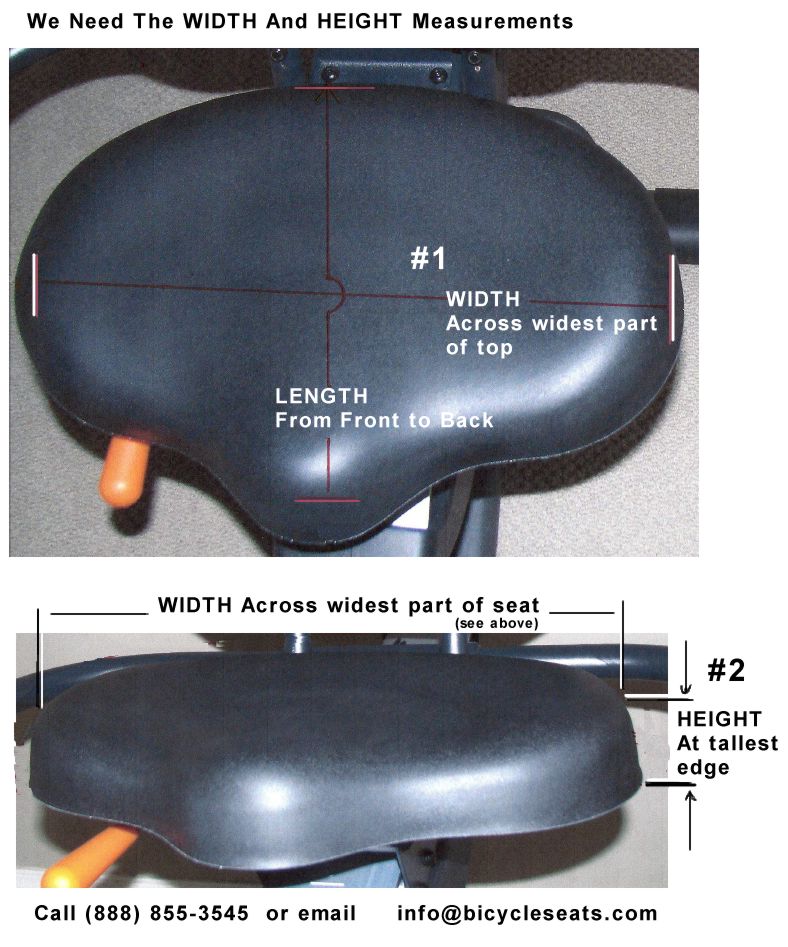
Measure the seat from the front tip to the back end. Use a flexible tape for accuracy. This length tells you how long the cover should be. Do not guess, as seats vary a lot in length.
Width Measurement
Check the widest part of the seat. Place the tape across the seat’s broadest point. This width ensures the cover covers the seat fully. A tight or loose cover can cause discomfort during rides.
Height And Thickness
Measure the seat’s height from the base to the top. Also, check the thickness of any padding. These help find a cover that fits snugly around the seat. Covers too thin or thick may not stay in place well.

Credit: lelabbyestelle.com
Tools For Measuring Seat Covers
Measuring a bike seat cover correctly ensures a perfect fit. Using the right tools makes the process easy and accurate. These tools help you get exact dimensions for comfort and protection.
Measuring Tape
A flexible measuring tape is ideal for bike seats. It bends around curves and corners smoothly. Use it to measure length, width, and height easily. Soft tapes provide precise numbers without damaging the seat.
Ruler Or Straight Edge
A ruler works well for flat or straight parts of the seat. It helps measure exact widths or lengths on flat surfaces. Use it alongside a measuring tape for detailed measurements. This tool adds accuracy to your reading.
Calipers
Calipers give precise measurements of thickness or small distances. They work well for narrow or raised parts of the seat. Use calipers to measure the seat’s height and thickness carefully. This tool ensures tight fitting covers.
Notepad And Pen
Write down every measurement as you go. Keeping notes prevents forgetting or mixing numbers. Clear records help when buying or making seat covers. A notepad and pen keep your work organized.
Standard Seat Cover Sizes
Bike seat covers come in standard sizes to fit most bicycles. These sizes help riders find the right cover for comfort and protection. Choosing the correct size improves your riding experience.
Standard seat cover sizes usually include small, medium, and large. Each size fits different seat shapes and dimensions. Knowing these sizes helps you pick the best cover for your bike.
Small Size Covers
Small seat covers fit narrow bike seats. They usually measure around 8 to 10 inches in length. These covers suit racing bikes and children’s bicycles. Small covers provide a snug and secure fit.
Medium Size Covers
Medium seat covers fit most standard bike seats. Their length ranges from 10 to 12 inches. These covers work well for mountain and hybrid bikes. Medium covers offer comfort and easy installation.
Large Size Covers
Large seat covers fit wide and long bike seats. They measure about 12 to 14 inches in length. These covers suit cruiser and comfort bikes. Large covers provide extra padding and support.

Credit: www.amazon.com
Tips For Choosing The Right Cover
Choosing the right bike seat cover makes your ride more comfortable. The right cover protects your seat and fits well. Here are some tips to help you pick the best one.
Material Considerations
Pick a material that feels soft but lasts long. Neoprene covers provide good cushioning and resist water. Vinyl covers are easy to clean but less breathable. Look for materials that match your riding style.
Fit And Comfort
Measure your bike seat before buying a cover. Choose a cover that fits snugly without slipping. A loose cover can cause discomfort during rides. Check if the cover has extra padding for comfort.
Weather Resistance
Choose covers that protect against rain and sun damage. Waterproof covers keep your seat dry in wet weather. UV-resistant covers stop fading and cracking from the sun. Think about your local weather when selecting a cover.
Diy Seat Cover Measurement Guide
Measuring your bike seat for a cover is easy and important. A good fit keeps the cover snug and protects the seat well. This DIY guide helps you take the right measurements. It saves money and ensures comfort.
Gathering Your Tools
Start with a soft measuring tape. If you don’t have one, use a piece of string and a ruler. Have a pen and paper ready to write down numbers.
Measuring Seat Length
Place the tape at the front tip of the seat. Stretch it along the top to the back end. Note this length carefully.
Measuring Seat Width
Find the widest part of the seat. Wrap the tape across this spot. Write down the width measurement.
Measuring Seat Height
Measure from the bottom to the highest point of the seat. This helps cover the sides well. Record the height for a perfect fit.
Checking For Special Shapes
Look for curves or unusual shapes on your seat. Measure around these areas if needed. This ensures the cover fits every part.
Double-checking Your Numbers
Measure all parts twice to avoid mistakes. Compare both sets of numbers. Use the larger numbers for a comfortable cover fit.
Frequently Asked Questions
What Are The Standard Bike Seat Cover Measurements?
Standard bike seat covers typically measure 10-12 inches in length and 6-8 inches in width. Sizes vary by bike type. Always check your seat’s dimensions before purchasing a cover to ensure a proper fit and comfort during rides.
How To Measure A Bike Seat For A Cover?
Use a measuring tape to measure the seat’s length from front to back. Then, measure the widest part across the seat. These two dimensions help find the right cover size. Accurate measurements ensure your cover fits snugly and protects the seat well.
Do Bike Seat Covers Fit All Bike Types?
Most covers are designed to fit common bike seats but sizes vary. Road, mountain, and cruiser bikes have different seat shapes and sizes. Check the product description for compatibility and measure your seat to confirm fit before buying a cover.
Why Are Accurate Bike Seat Measurements Important?
Accurate measurements ensure the seat cover fits properly and stays secure. A well-fitted cover enhances comfort and protects the seat from wear and weather. Incorrect sizing can cause slipping or damage, reducing your riding experience and seat longevity.
Conclusion
Choosing the right size matters for your bike seat cover. Measure your seat’s length and width carefully. A good fit keeps you comfortable while riding. Too tight or loose covers can cause problems. Use a tape measure or ruler for best results.
Remember, simple steps help you enjoy every ride more. Keep these tips in mind when shopping next time. Your bike seat deserves the perfect cover. Comfort and protection go hand in hand.


