

Have you ever noticed the small plastic covers inside your car’s wheel holes and wondered what they do? These simple-looking parts play a big role in protecting your wheels and keeping your car in top shape.
If you want to understand how they shield your vehicle from damage and why they matter for your car’s performance, you’re in the right place. Keep reading to discover everything you need to know about plastic covers in wheel hole protecting—and how they can save you time, money, and hassle down the road.
Purpose Of Plastic Wheel Hole Covers
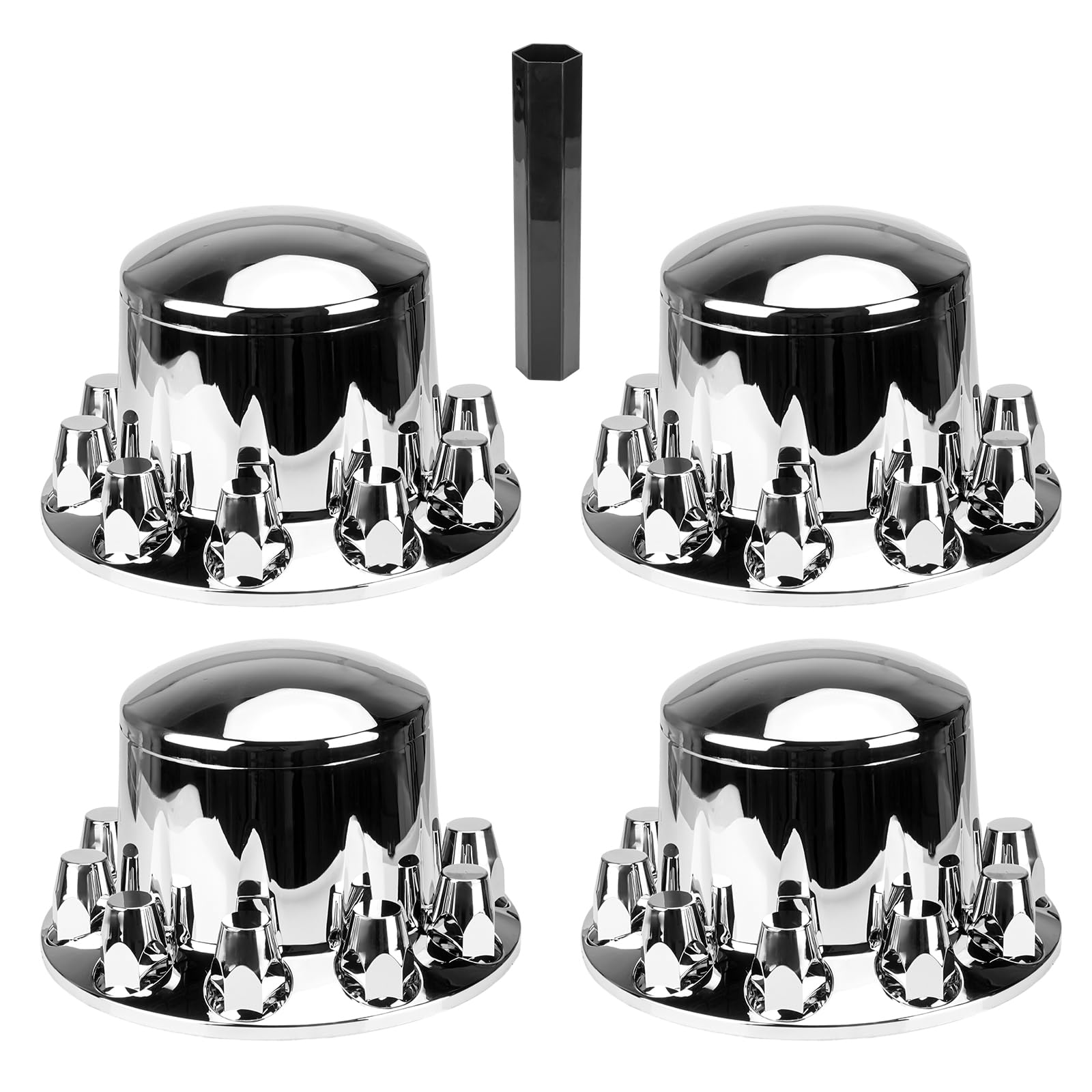
Plastic wheel hole covers serve an important role in protecting your vehicle’s wheels and rims. They act as a barrier between the wheel holes and outside elements. These covers help keep the wheel area clean and safe. Their purpose goes beyond just looks. They offer practical benefits that improve your car’s durability and appearance.
Shielding Against Dirt And Debris
Plastic wheel hole covers block dirt and debris from entering wheel holes. Dust, mud, and small stones can get stuck inside these holes. This buildup can harm the wheel over time. Covers prevent this by creating a protective shield. They keep wheels cleaner for longer. This reduces the need for frequent cleaning and maintenance.
Preventing Rust And Corrosion
Wheel holes are vulnerable to rust and corrosion. Water and moisture can collect in these areas. Over time, this causes metal parts to weaken and rust. Plastic covers stop water from reaching metal surfaces. They act as a waterproof barrier. This helps extend the life of your wheels by preventing damage.
Enhancing Vehicle Appearance
Plastic covers improve the overall look of your vehicle. They provide a smooth and finished look to wheel holes. These covers come in different styles and colors. This allows you to match them with your car’s design. A clean and stylish wheel area adds to your vehicle’s appeal.
Materials And Design Features
Plastic covers for wheel holes protect your vehicle from dirt, water, and damage. Their materials and design play a key role in performance and appearance. Choosing the right type ensures long-lasting protection and a good fit. Below are important details about the materials and design features of these covers.
Types Of Plastics Used
Most plastic wheel hole covers use durable materials like ABS and polypropylene. ABS plastic is strong and resists impact well. Polypropylene is lightweight and handles heat and chemicals. Some covers use a mix of plastics for added strength and flexibility. These plastics keep covers sturdy in tough road conditions.
Common Design Styles
Wheel hole covers come in several styles. Some have smooth, flat surfaces for a clean look. Others feature textured or patterned designs to hide dirt better. Some covers include raised edges to block mud and water. The design often matches the vehicle’s style and helps improve its appearance.
Durability Factors
Durability depends on plastic type and thickness. Thicker plastics resist cracks and warping. UV protection in the plastic prevents sun damage. Quality finishes stop scratches and fading. Proper design helps covers stay secure during driving. Together, these factors extend the cover’s life and keep wheels safe.
Installation Process
The installation process of plastic covers in wheel hole protecting is simple and straightforward. Proper installation ensures the covers fit tightly and protect the wheel holes from dirt, dust, and damage. Following clear steps helps avoid mistakes and saves time.
Tools Required
- Screwdriver (flathead or Phillips)
- Socket wrench set
- Rubber mallet
- Cleaning cloth
- Protective gloves
Step-by-step Installation
- Clean the wheel holes thoroughly using a cloth.
- Put on protective gloves to avoid injuries.
- Align the plastic cover with the wheel hole.
- Press the cover firmly into place.
- Use a rubber mallet to gently tap the cover if needed.
- Secure the cover using screws or bolts as required.
- Tighten screws with a screwdriver or socket wrench.
- Check that the cover fits tightly and does not move.
Tips For Secure Fitting
- Make sure wheel holes are dry and clean before installation.
- Do not overtighten screws to avoid damage.
- Check the fit after driving for a few miles.
- Re-tighten screws if the cover feels loose.
- Regularly inspect the covers for wear and tear.

Credit: www.g-locbrakes.com
Maintenance And Cleaning
Plastic covers in wheel hole protection need regular care to stay effective. Dirt and grime can build up quickly. Cleaning and maintenance keep them looking new and working well. Simple steps help avoid damage and extend their life.
Recommended Cleaning Methods
Use a soft cloth or sponge with mild soap and water. Gently wipe the plastic covers. Avoid harsh chemicals that can cause discoloration. Rinse with clean water to remove soap. Dry with a soft towel to stop water spots.
Avoiding Damage During Maintenance
Never use abrasive brushes or sharp tools. They can scratch the plastic surface. Avoid strong solvents like acetone or alcohol. These can weaken the material. Handle the covers carefully to prevent cracking or bending.
Longevity Tips
Clean the covers regularly to stop dirt buildup. Store the vehicle in a shaded place to reduce sun damage. Check for cracks or loose parts often. Replace damaged covers quickly to protect the wheels well.
Benefits Beyond Protection
Plastic covers in wheel hole protecting offer more than just safety. They bring several benefits that improve your vehicle’s overall value and appeal. These covers help maintain the car’s look and function over time. They also allow personalization and save money in the long run.
Improved Vehicle Resale Value
Plastic covers keep wheel holes free from dirt and damage. This prevents rust and corrosion, which lower a car’s value. A clean, well-maintained wheel area shows buyers the vehicle was cared for. It makes the car easier to sell at a good price.
Customization Options
These covers come in many colors and styles. You can match them to your car’s paint or choose a contrasting color. Custom covers add a unique look to your vehicle. They let you express your style without major changes.
Cost-effectiveness
Plastic covers are affordable and easy to install. They protect expensive parts from damage and reduce repair costs. Instead of replacing damaged metal, you only replace a cover. This saves money and keeps your car looking new longer.
Comparing Plastic Covers With Other Materials
Plastic covers are common for protecting wheel holes. They guard against dirt, rust, and damage. Other materials also serve this purpose. Comparing plastic covers with metal and rubber options helps find the best choice. Each material has unique features and uses.
Metal Vs Plastic Covers
Metal covers are strong and last long. They resist impacts better than plastic. Metal can handle high heat without warping. Plastic covers weigh less and cost less. They are easier to install and replace. Metal may rust if not coated well. Plastic does not rust but can crack in cold weather.
Rubber Alternatives
Rubber covers are flexible and absorb shocks well. They fit snugly around wheel holes. Rubber resists water and dirt effectively. It can wear out faster than plastic or metal. Rubber may deform in hot weather. Plastic covers keep their shape under heat. Rubber is softer but less durable.
Pros And Cons Overview
Plastic covers are lightweight and affordable. They resist rust and are easy to clean. Plastic may crack in extreme cold or from sharp impacts. Metal covers are durable but heavier and pricier. They offer strong protection but need maintenance. Rubber covers provide good shock absorption. They wear out faster and may deform. Choosing the right cover depends on use, climate, and budget.
Common Issues And Troubleshooting
Plastic covers in wheel hole protecting help keep wheels safe and clean. They face common issues that affect their performance. Knowing how to solve these problems can save time and money. Here are some common problems and how to fix them.
Fitment Problems
Plastic covers may not fit perfectly on some wheels. This causes them to fall off or move while driving. Check the size of the cover before buying. Make sure it matches the wheel hole diameter. Adjust the cover by pressing or bending gently to fit better. Avoid forcing the cover, as it can break.
Damage Repair
Plastic covers can crack or scratch from road debris. Small cracks can be fixed with strong adhesive or plastic glue. Clean the area first and let the glue dry completely. For deep scratches, sanding the surface lightly helps smooth out rough spots. Replace covers with severe damage to keep wheels protected.
When To Replace Covers
Replace plastic covers if they no longer fit securely. Warped or broken covers lose their protective ability. Also, swap covers if they show many cracks or deep scratches. Old covers may fade, reducing the car’s appearance. New covers improve protection and keep wheels looking fresh.

Credit: www.wideworldofindoorsports.com
Credit: bona-store.com
Frequently Asked Questions
What Are Plastic Covers In Wheel Hole Protecting?
Plastic covers in wheel holes protect the wheel hub from dust, dirt, and moisture. They prevent corrosion and extend wheel life. These covers enhance the vehicle’s appearance and reduce maintenance needs.
How Do Plastic Wheel Hole Covers Prevent Damage?
They block debris and water from entering wheel holes. This stops rust and wear on the wheel hub. Plastic covers also reduce brake dust buildup, keeping wheels cleaner and safer.
Are Plastic Wheel Hole Covers Easy To Install?
Yes, plastic covers are simple to install. They typically snap into place without tools. This makes them a convenient upgrade for protecting wheel holes quickly.
Can Plastic Wheel Hole Covers Improve Vehicle Safety?
Indirectly, yes. By preventing rust and brake dust buildup, they maintain wheel integrity and brake efficiency. This contributes to safer driving conditions over time.
Conclusion
Plastic covers protect wheel holes from dirt and damage. They help keep wheels clean and last longer. These covers are easy to install and remove. Many drivers use them to avoid costly repairs. They come in different sizes and designs.
Choosing the right cover improves your vehicle’s look. Small investment, big protection. Keep your wheels safe and your ride smooth. Consider plastic covers as a simple way to care for your car. They work quietly but make a difference.


