
Have you ever noticed the thin, raised line running along the edges of some seat covers? That little detail is called piping, and it can make a big difference in how your seats look and feel.
But what exactly is piping in seat covers, and why should you care about it? Understanding this simple feature can help you choose seat covers that not only protect your seats but also add style and comfort to your ride.
Keep reading to discover how piping works and why it might be the upgrade your car’s interior needs.
Piping Basics
Piping is a small detail in seat covers that makes a big difference. It adds a neat edge and a clean finish to the fabric. Piping not only improves looks but also increases the durability of the seat covers. Understanding piping basics helps in choosing the right style for your car.
What Is Piping?
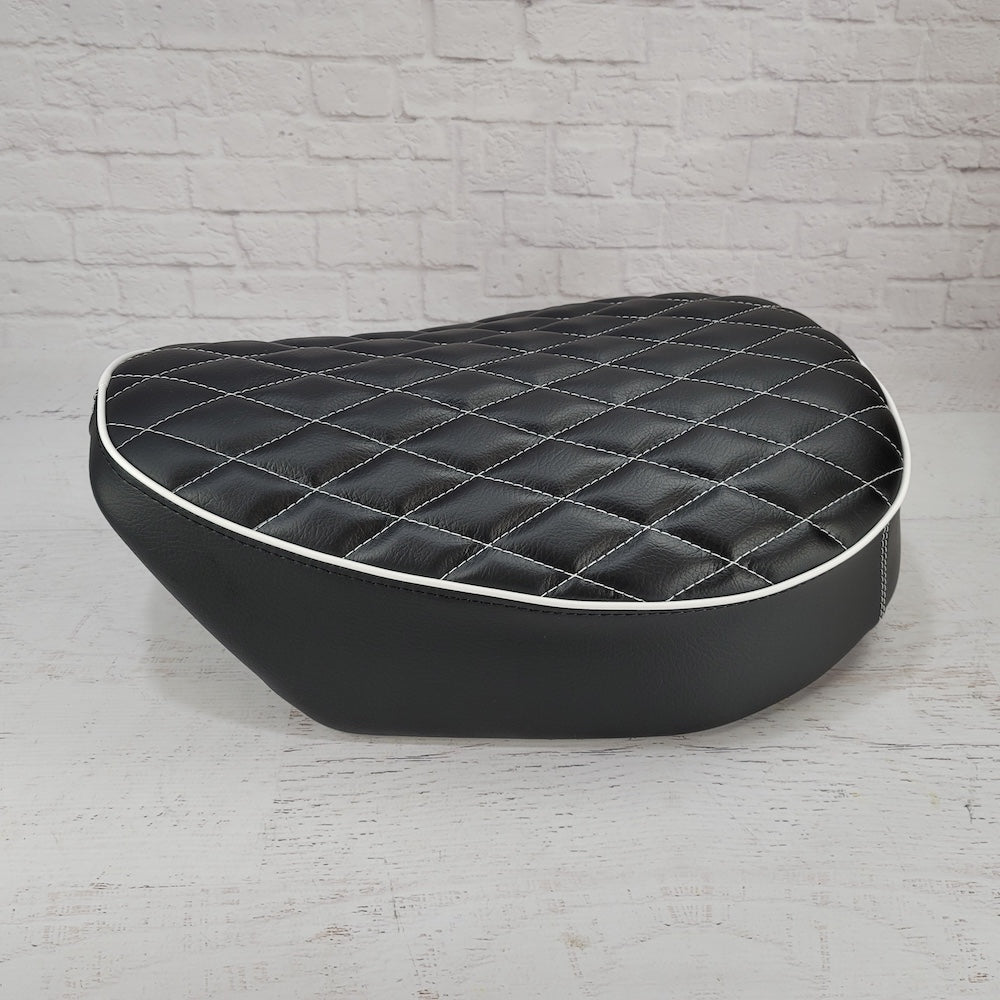
Piping is a thin strip of fabric sewn into the edges of seat covers. It creates a raised border that outlines the shape. This detail gives the seat cover a polished and tailored look. Piping helps protect the edges from wear and tear. It also adds strength to seams, making the cover last longer.
Common Materials Used
Fabric piping often matches or contrasts with the seat cover material. Cotton and polyester are popular choices for soft piping. Leather piping gives a luxury feel and is very durable. Vinyl piping is water-resistant and easy to clean. The choice depends on style, comfort, and maintenance needs.
Types Of Piping Styles
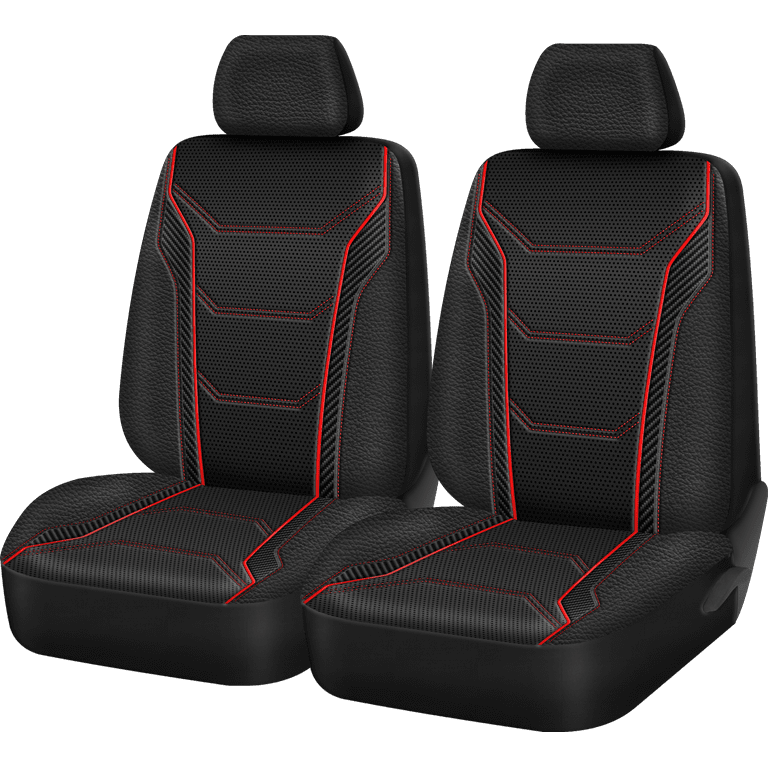
Single welt piping is the most common style, with one cord inside the fabric. Double welt piping uses two cords for a thicker edge. Flat piping lies flush with the fabric for a subtle look. Decorative piping may include patterns or colors to add flair. Each style changes the seat cover’s appearance and feel.
Credit: www.walmart.com
Benefits Of Piping In Seat Covers
Piping in seat covers offers several key benefits. It is a small detail that makes a big difference. Piping improves both the look and the durability of seat covers. It also allows for creative design choices. These benefits make piping a popular feature in many car and furniture seat covers.
Enhances Aesthetic Appeal
Piping adds a clean, finished edge to seat covers. It creates a sharp contrast or a smooth blend with the main fabric. This detail makes seat covers look more stylish and polished. It helps seats stand out or match the interior perfectly. Piping can change a simple cover into something eye-catching.
Adds Structural Strength
Piping strengthens the edges of seat covers. It prevents the fabric from stretching or fraying over time. This added support helps seat covers keep their shape. It also increases the lifespan of the covers. Strong edges mean less wear and tear from daily use.
Customizable Design Options
Piping comes in many colors, materials, and thicknesses. This variety allows for unique combinations. You can choose piping to match or contrast with the seat fabric. Custom piping can highlight certain areas or patterns. It offers endless possibilities to personalize seat covers.
Choosing The Right Piping
Choosing the right piping for seat covers is important. It can change the look and feel of your seats. Piping adds style and protects the edges of the fabric. Selecting the best piping means thinking about color, thickness, and strength. These choices affect comfort and durability.
Matching Colors And Textures
Pick piping color that blends well with seat fabric. You can match the exact shade or use a contrast color for style. Texture matters too. Smooth piping suits leather seats, while soft piping fits cloth seats better. Matching color and texture makes the seat cover look complete and neat.
Selecting The Right Thickness
Thickness of piping changes its appearance and comfort. Thin piping looks subtle and modern. Thick piping offers a bold, strong outline. Consider seat shape and size. Thin piping works well for small seats. Thick piping fits large seats and heavy use. Choose thickness that fits your style and seat design.
Durability Considerations
Piping must last long with daily use. Choose materials that resist wear and tear. Vinyl and leather piping are strong and easy to clean. Fabric piping can wear out faster but feels softer. Check stitching quality too. Strong stitching keeps piping in place. Durable piping saves money and keeps seats looking good.

Credit: www.wetokole.com
Piping Installation Techniques
Piping installation is a key step in making seat covers look neat and professional. It adds a border that strengthens the edges and gives a stylish finish. Different techniques exist to attach piping firmly and neatly. Each method suits various materials and skill levels. Understanding these methods helps create durable and attractive seat covers.
Machine Sewing Methods
Machine sewing is the fastest way to install piping. It uses a special presser foot called a piping foot. This foot holds the piping close to the fabric edge. The machine stitches the piping and fabric together in one pass. Straight stitching is common, but some use zigzag for stretch fabrics. Maintaining steady speed helps prevent puckering. Proper needle size and thread type match the fabric and piping for strong seams.
Hand Stitching Tips
Hand stitching offers more control for delicate or curved sections. Use small, even stitches to keep the piping smooth. A slip stitch or ladder stitch hides the thread well. Keep tension consistent to avoid loose or tight spots. Pin the piping in place before stitching to prevent shifting. A thimble can protect fingers during longer sewing sessions. Hand sewing suits repairs or finishing touches on seat covers.
Common Installation Challenges
Piping installation can face several issues. Uneven edges may cause the piping to look messy. Thick or stiff piping is harder to sew smoothly. Curved corners require careful easing to avoid wrinkles. Fabric stretching or slipping can cause misalignment. Using too much thread tension can pucker the fabric. Testing on scrap fabric helps identify problems before working on the final piece.
Trends In Seat Cover Piping
Seat cover piping adds style and structure to car interiors. Trends in piping change how seat covers look and feel. These trends highlight colors, shapes, and materials that catch the eye. They also focus on comfort and sustainability.
Bold Color Contrasts
Bright piping colors stand out against neutral seat covers. Red, blue, or yellow piping creates a fresh, fun look. This contrast draws attention to the seat’s shape. It makes the interior feel lively and new.
Minimalist Designs
Simple piping lines suit modern car interiors. Thin, subtle piping matches sleek, clean seats. This style avoids clutter and focuses on elegance. It fits well with cars that have a calm, quiet design.
Eco-friendly Materials
More seat covers use piping made from natural fibers. Cotton, hemp, and recycled fabrics are popular choices. These materials are gentle on the planet and last long. Eco-friendly piping adds a green touch to car design.
Maintenance And Care
Proper maintenance and care keep piped seat covers looking fresh and new. Piping adds style and strength to seat covers. Taking care of it helps protect your car’s interior and saves money on repairs. Simple steps can extend the life of your seat covers and maintain their appeal.
Cleaning Piped Seat Covers
Remove dust and dirt gently with a soft brush or cloth. Use mild soap and water to clean the fabric around the piping. Avoid harsh chemicals that can damage the piping material. Dry the covers completely to prevent mold and mildew. Spot clean stains quickly to avoid permanent marks.
Repairing Damaged Piping
Inspect piping regularly for tears or loose threads. Small damages can be fixed with fabric glue or needle and thread. For large tears, replace the damaged piping section. Fixing piping early stops damage from spreading. Seek professional help if unsure about repairs.
Extending Longevity
Park in shaded areas to protect seat covers from sun damage. Avoid sharp objects that can cut or tear piping. Use seat covers consistently to reduce wear on original seats. Regular cleaning keeps the fabric and piping in good condition. Proper care ensures your seat covers last longer.
Credit: www.cheekyseats.net
Frequently Asked Questions
What Is Piping In Seat Covers?
Piping in seat covers is a decorative trim sewn along the edges. It enhances the seat’s appearance and adds durability. Piping helps maintain the cover’s shape and provides a polished, tailored look for car or furniture seats.
Why Is Piping Important In Seat Covers?
Piping adds strength to seat covers by reinforcing seams. It prevents fraying and wear in high-stress areas. Additionally, piping improves aesthetics by giving a clean, finished edge that complements the overall design of the seat.
What Materials Are Used For Piping In Seat Covers?
Common materials for piping include leather, vinyl, and fabric. The choice depends on seat cover material and desired style. Durable materials ensure long-lasting trim that withstands regular use and exposure to elements.
Can Piping Be Customized In Seat Covers?
Yes, piping can be customized in color, thickness, and material. Custom piping allows matching or contrasting with seat colors. This personalization enhances the seat cover’s uniqueness and style appeal.
Conclusion
Piping adds style and strength to seat covers. It creates clean edges and a neat look. This small detail helps covers last longer. It also makes seat covers fit better. Choosing piping in your seat covers improves both form and function.
It’s a smart way to upgrade your car’s interior. Simple, effective, and easy to notice. Piping shows care in design and quality. Worth considering for any seat cover project.

