

Have you ever wondered what makes a car wash so effective at removing dirt and grime in just minutes? The secret lies in the water pressure used during the wash.
But what exactly is the water pressure at a car wash, and why does it matter for your vehicle’s cleanliness and safety? You’ll discover how water pressure works, what levels are ideal, and how it affects the quality of your car wash.
Keep reading to learn what you need to know to protect your car while getting it sparkling clean.
Basics Of Water Pressure
Water pressure is the force that pushes water through pipes and nozzles. It controls how strong the water flows at a car wash. Proper water pressure helps clean cars effectively without damaging the paint. Too low pressure means weak cleaning power. Too high pressure can harm the car’s surface.
Understanding water pressure helps choose the right equipment for a car wash. It also ensures good water use and saves money. Let’s explore how water pressure is measured, the units used, and what affects it.
Measuring Water Pressure
Water pressure is measured using a device called a pressure gauge. This tool shows the force of water inside the pipes. It usually connects to the water line at the car wash. The gauge helps keep water pressure at the right level for cleaning. It also helps find problems like leaks or blockages.
Units Used In Water Pressure
Water pressure is shown in units called PSI and bar. PSI means pounds per square inch. It tells how many pounds of force push on one square inch of area. Bar is another unit often used in Europe and other places. One bar equals about 14.5 PSI. Both units help compare water pressure easily.
Factors Affecting Water Pressure
Several things change water pressure at a car wash. Pipe size matters. Smaller pipes lower the pressure. The water source also affects pressure. Water towers or pumps create different forces. Distance from the water source can reduce pressure. Blockages or leaks in pipes reduce pressure too. Temperature and weather can have small effects as well.

Credit: www.walmart.com
Water Pressure In Car Washes
Water pressure plays a key role in car washes. It helps remove dirt, grime, and stains from vehicles. The right pressure cleans effectively without harming the paint or parts. Understanding water pressure levels helps you know how car washes work. It also shows why different types of car washes use different pressures.
Typical Pressure Levels
Most car washes use water pressure between 1,200 and 2,000 PSI (pounds per square inch). This range cleans dirt well without causing damage. Self-service car washes often offer pressure around 1,500 PSI. Automatic car washes may use slightly higher pressure up to 2,000 PSI. Pressure varies based on the cleaning task and vehicle type.
Pressure Variations By Car Wash Type
Touchless car washes use high water pressure, around 2,000 PSI. They rely on strong water jets to clean without brushes. Brush car washes use lower pressure, about 1,200 to 1,500 PSI. Brushes do most of the scrubbing, so water pressure stays gentler. Hand washes use very low pressure to avoid damage.
Safety Considerations
High water pressure can harm paint and trim. It may also cause water to enter sensitive parts. Car owners should avoid using pressure washers above 2,000 PSI on their cars. Always keep a safe distance when using high-pressure equipment. Professional car washes balance pressure to clean safely and effectively.
Equipment And Technology
The equipment and technology at a car wash play a key role in managing water pressure. These tools control how water sprays and cleans your vehicle. Proper equipment ensures the right pressure for effective cleaning without damage.
Pressure Pumps And Nozzles
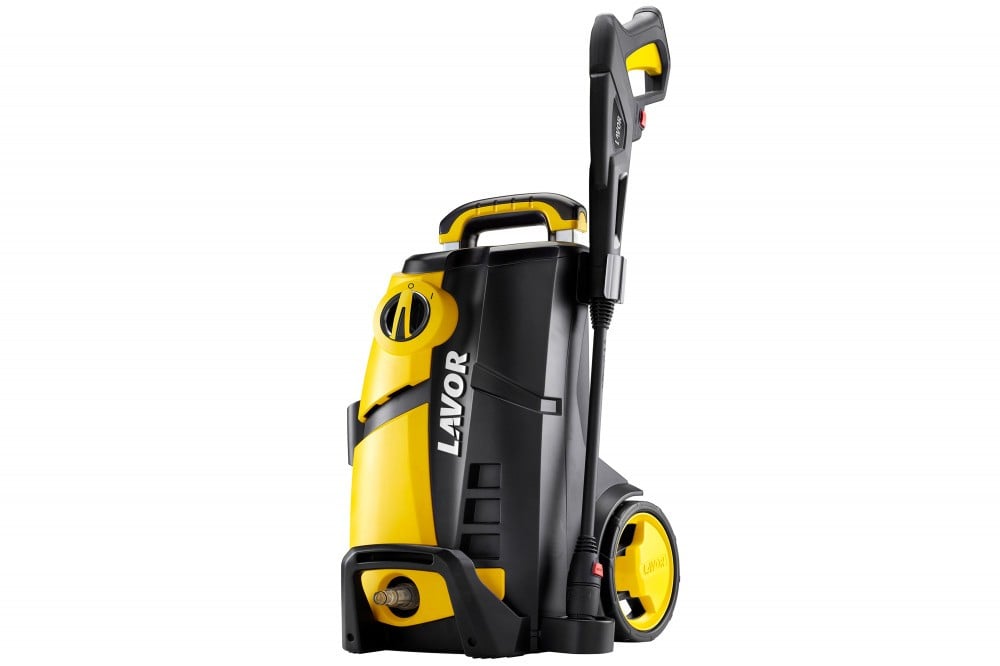
Pressure pumps push water at high force through hoses. Nozzles then shape the water flow. Different nozzles create sprays with varying pressure and patterns. This helps clean dirt from cars gently or powerfully.
Automatic Vs Manual Systems
Automatic car washes use machines to control water pressure and movements. These systems adjust pressure quickly for each cleaning stage. Manual systems let workers control the pressure by hand. They need skill to use the right force on cars.
Maintenance And Calibration
Regular maintenance keeps pumps and nozzles working well. Calibration checks pressure levels to match cleaning needs. Poor upkeep can cause low pressure or damage from too much force. Proper care extends equipment life and cleans cars safely.
Credit: orkidastore.com
Impact On Cleaning Efficiency
The water pressure at a car wash plays a key role in how well your car gets clean. It affects how dirt, grime, and soap work together to remove build-up. The right pressure makes cleaning faster and more effective. Yet, the pressure must be balanced to protect your car’s paint and use soap efficiently.
Pressure And Dirt Removal
Higher water pressure helps remove tough dirt and mud. It pushes grime off the car’s surface quickly. Low pressure may leave some dirt behind, making the wash less effective. Strong pressure breaks down sticky residues that plain water cannot. The right amount of pressure ensures a cleaner car in less time.
Balancing Pressure And Paint Safety
Too much pressure can harm your car’s paint. It may cause scratches or chips if the water is too strong. Gentle pressure protects the paint and clear coat. Car washes use safe pressure levels to avoid damage. Finding the balance keeps your car clean and safe.
Water Pressure And Soap Usage
Water pressure affects how soap spreads on the car. High pressure helps soap reach all areas quickly. Low pressure might not rinse soap well, leaving spots. Proper pressure saves soap by making it work better. This balance means a cleaner car with less soap waste.
Troubleshooting Pressure Issues
Water pressure plays a key role in car washing. Low or high pressure can harm your vehicle or leave it dirty. Knowing how to fix pressure problems helps you get the best wash every time. This section explains common issues, how to adjust pressure, and when to get professional help.
Common Pressure Problems
Low water pressure is a frequent issue at car washes. It causes weak water flow and poor cleaning. Clogged nozzles or hoses often cause this problem. High water pressure can damage paint or decals. It may happen if the pressure settings are too high or equipment malfunctions. Uneven pressure is another problem. It leads to spots missed during washing.
How To Adjust Pressure
Start by checking the pressure gauge on the machine. Most car washes allow you to adjust settings easily. Turn the dial or press buttons to change pressure levels. Use medium pressure for most vehicles. Avoid very high pressure to protect paint and trim. Clean nozzles and hoses regularly to prevent blockages. Test the spray on a small area before washing the whole car.
When To Call A Professional
Some pressure problems need expert help. If adjusting settings does not fix low or high pressure, call a technician. Equipment issues like pump failure or leaks require repairs. Professionals can check internal parts and make safe fixes. Regular maintenance by experts keeps the car wash in good shape. Don’t ignore pressure problems to avoid costly damage later.
Environmental And Cost Factors
Water pressure at a car wash affects both the environment and your expenses. Using the right pressure helps save water and energy. It also lowers costs. Understanding these factors helps you choose better car wash options. It supports eco-friendly habits and saves money.
Water Consumption And Waste
Car washes use a lot of water to clean vehicles. High water pressure can waste water by spraying too much. Efficient car washes recycle water to reduce waste. Lower pressure settings use less water but still clean well. Saving water helps protect the environment and reduce bills.
Energy Use And Pressure Levels
Energy powers the pumps that create water pressure. Higher pressure means more energy used. Using very high pressure is not always better. Moderate pressure cleans effectively and saves energy. Choosing the right pressure level reduces energy costs and pollution.
Cost Efficiency Tips
Check car washes that recycle water and use energy-saving pumps. Avoid using too high water pressure to save water and energy. Regular maintenance keeps equipment running efficiently. Simple steps reduce water bills and energy costs. Smart choices help protect the planet and your wallet.

Credit: www.amazon.com
Frequently Asked Questions
What Is The Ideal Water Pressure At A Car Wash?
The ideal water pressure at a car wash ranges between 1200 to 1900 PSI. This pressure effectively removes dirt without damaging the car’s paint or surface.
How Does Water Pressure Affect Car Wash Quality?
Higher water pressure improves cleaning by removing tough grime faster. However, excessive pressure can harm paint, so balance is key for optimal results.
What Water Pressure Do Automatic Car Washes Use?
Automatic car washes typically use water pressure between 1400 to 1600 PSI. This range safely cleans vehicles while protecting delicate parts like mirrors and trim.
Can Low Water Pressure Clean A Car Effectively?
Low water pressure under 1000 PSI may struggle to remove stubborn dirt. It can clean light dust but may require longer wash times for thorough cleaning.
Conclusion
Water pressure at a car wash plays a key role in cleaning your vehicle. Too much pressure can damage paint or parts. Too little pressure may not clean well. Most car washes use pressure between 1000 and 3000 PSI. This range cleans effectively without harm.
Knowing this helps you choose the right car wash. Clean cars last longer and look better. Next time you wash your car, think about pressure. It makes all the difference.


