

Are you thinking about making your own car seat covers but don’t know where to start? Knowing exactly what materials you need is the first step to creating covers that fit perfectly and look great.
Whether you want to protect your seats from wear and tear or give your car a fresh new look, having the right supplies makes all the difference. Keep reading, and you’ll discover the essential materials that will help you turn your car seats into something truly special—without any guesswork or wasted time.
Choosing Fabric Types
Choosing the right fabric for car seat covers is key to comfort and durability. Different fabrics offer unique benefits. Some are soft, others tough, and some resist water well. Picking the best fabric depends on your needs and style.
Leather And Faux Leather
Leather looks classy and feels smooth. It is strong and lasts long. It cleans easily but costs more. Faux leather is cheaper and cruelty-free. It also resists stains and scratches well. Both types add a sleek look to your car.
Neoprene And Polyester
Neoprene is thick and water-resistant. It protects seats from spills and dirt. Polyester is lightweight and dries fast. It resists fading from sunlight. Both fabrics work great for outdoor use. They offer comfort and easy cleaning.
Cotton And Canvas
Cotton feels soft and breathes well. It keeps you cool on hot days. Canvas is tough and holds up against wear. Both fabrics are easy to sew. They come in many colors and patterns. These fabrics suit those who want natural textures.
Selecting Padding Materials
Choosing the right padding materials is key to making comfortable car seat covers. Padding adds softness and support. It also helps the covers keep their shape. Different padding materials offer different levels of comfort and durability. Understanding the common types will help you pick the best one for your project.
Foam Types
Foam is a popular choice for seat cover padding. It provides good support and cushioning. Memory foam molds to the body shape for extra comfort. High-density foam lasts longer and keeps its form well. Low-density foam is softer but wears out faster. Choose foam thickness based on your comfort needs and seat design.
Batting Options
Batting is a soft layer often used under fabric. Polyester batting is lightweight and resists moisture. Cotton batting feels natural and is breathable. Wool batting offers warmth and durability but costs more. Batting adds a smooth feel and helps hide seams. Pick batting that matches the climate and comfort you want.
Essential Tools For Sewing
Having the right tools is key to sewing car seat covers. These tools help you cut, measure, and stitch fabric with ease. Using proper tools saves time and creates neat, strong covers. Below are the essential tools for sewing car seat covers.
Sewing Machine
A good sewing machine makes stitching faster and cleaner. It handles thick fabrics and layers well. Choose a machine with strong needles and adjustable speed. This tool is a must for durable car seat covers.
Cutting Tools
Sharp cutting tools give precise fabric shapes. Use fabric scissors or rotary cutters. These tools help cut patterns without frayed edges. Keep blades sharp for smooth and easy cutting.
Measuring Instruments
Accurate measurements ensure perfect fit covers. Use a measuring tape or ruler to measure fabric and seats. Mark fabric with tailor’s chalk or fabric pens. This step prevents mistakes and wasted material.

Credit: www.amazon.com
Additional Supplies
Making car seat covers requires more than just fabric. You need some extra supplies to ensure a perfect fit and long-lasting quality. These items help hold the cover together and make it easy to install. Pay attention to these small but important details.
Thread And Needles
Choose strong, durable thread that matches your fabric. Polyester thread works well for car seat covers. Use heavy-duty needles suitable for thick materials. This prevents thread breakage and ensures neat stitching. Proper thread and needles keep your cover secure.
Zippers And Velcro
Zippers allow easy removal of seat covers for cleaning. Pick sturdy zippers that blend with your fabric color. Velcro strips help hold covers tightly in place. Use quality Velcro with strong adhesive or sew it on. Both zippers and Velcro improve cover fit and function.
Elastic Bands And Fasteners
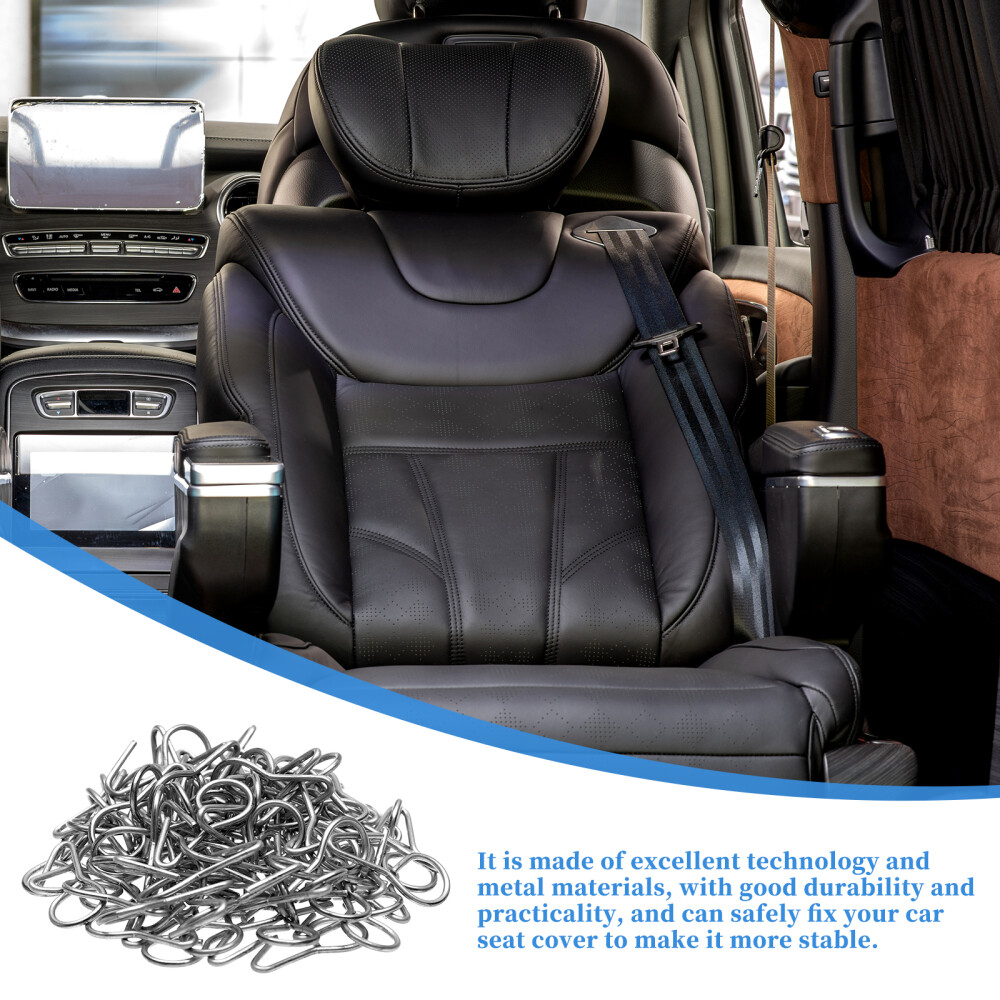
Elastic bands stretch to fit snugly around seats. They keep covers from slipping during use. Fasteners like hooks or clips provide extra security. Choose fasteners that are easy to attach and remove. These supplies keep your seat covers stable and comfortable.
Preparing Materials For Assembly
Preparing materials for assembly is the first step in making car seat covers. Gathering and organizing supplies ensures a smooth process. It helps prevent mistakes and saves time. The main tasks include measuring, cutting, marking, and creating patterns. Clear steps keep the work neat and accurate.
Measuring And Cutting Fabric
Accurate measurements are essential for a perfect fit. Use a tape measure to get the seat’s width, height, and depth. Write down each number carefully. Add extra fabric for seams and tucking. Cut the fabric using sharp scissors or a rotary cutter. Cut slowly to avoid jagged edges. Keep fabric flat on a clean surface. This step creates the basic shape for the covers.
Marking And Pattern Making
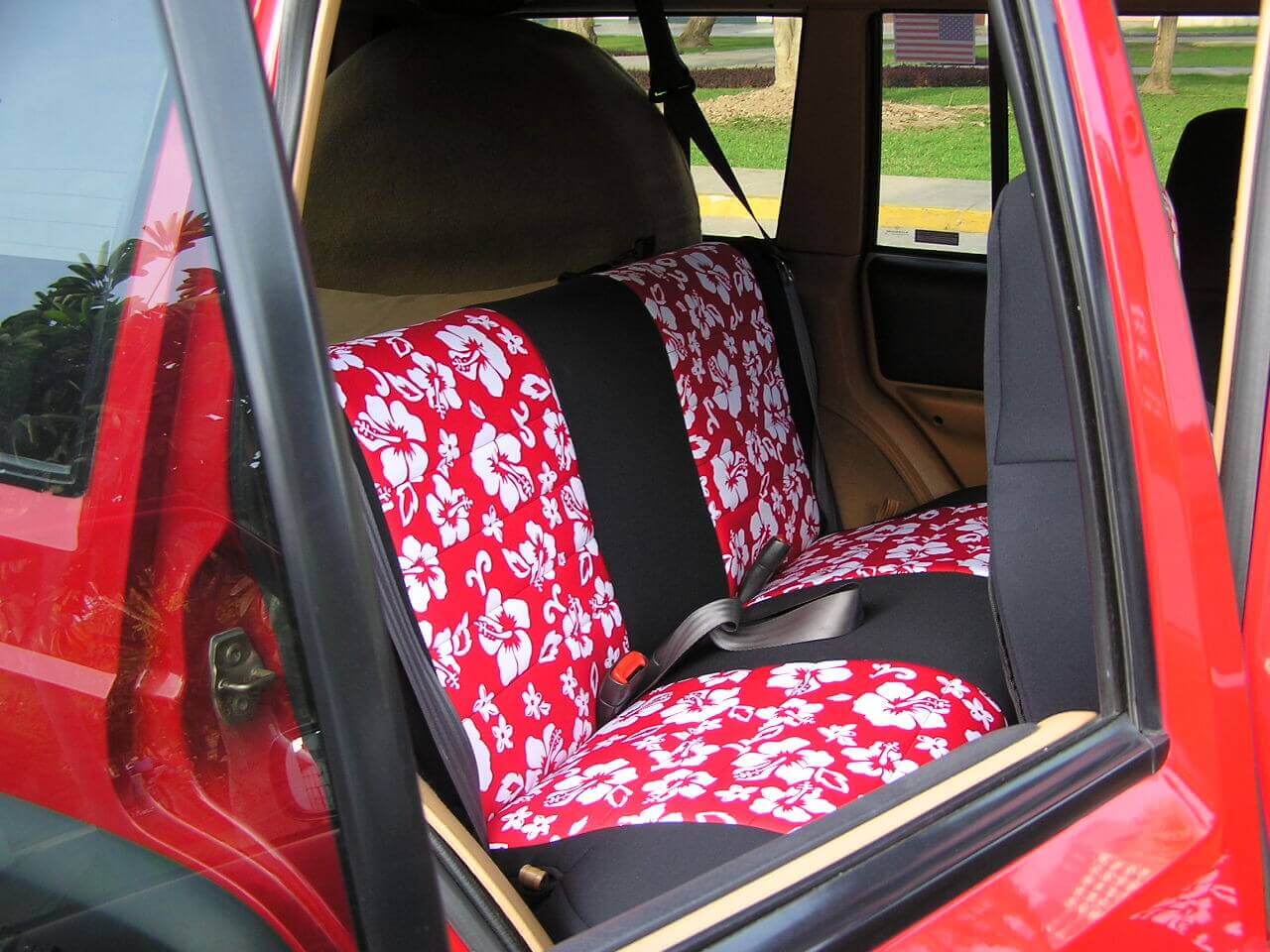
Marking the fabric guides where to sew and fold. Use tailor’s chalk or a fabric marker. Draw lines for seams, darts, and edges. Pattern making helps copy seat shapes precisely. Use paper or cardboard to create templates. Fit patterns on the fabric before cutting. Adjust patterns to match your car seat’s curves. This step helps keep all parts aligned during assembly.
Credit: www.wetokole.com
Tips For Durable Seat Covers
Durable car seat covers protect your seats from wear and tear. Strong materials and smart techniques help make covers last long. Focus on key areas like seams and fabric protection. These tips improve the life of your seat covers and keep them looking good.
Reinforcing Seams
Seams hold the seat cover together. Use strong thread made for heavy fabrics. Double stitching adds extra strength. Sew slowly to keep stitches even and tight. Reinforce corners and edges where stress is high. This prevents tearing and keeps covers intact.
Waterproofing Techniques
Water can damage seat covers quickly. Use waterproof sprays or coatings on fabric. Test sprays on a small fabric area first. Let the cover dry fully before use. Waterproof covers resist spills and stains better. This keeps your seats clean and dry longer.
Credit: www.ebay.com
Frequently Asked Questions
What Materials Are Best For Car Seat Covers?
The best materials for car seat covers include leather, neoprene, polyester, and faux suede. These materials offer durability, comfort, and style. Choose based on your car’s interior and personal preference for protection and aesthetics.
How Much Fabric Do I Need For Seat Covers?
You typically need 3 to 5 yards of fabric for a full set of car seat covers. The exact amount depends on seat size, fabric width, and cover style.
Do I Need Special Tools For Making Seat Covers?
Basic tools include scissors, sewing machine, measuring tape, and fabric chalk. Optional tools like upholstery needles and adhesive spray can improve fit and finish.
Can I Use Foam Padding For Seat Covers?
Yes, foam padding adds comfort and shape to seat covers. Use thin foam layers to avoid bulk and ensure a snug fit.
Conclusion
Choosing the right materials makes car seat covers last long and look good. Fabric, foam, thread, and tools all play a key role. Each material adds strength, comfort, or style to your covers. Simple supplies can create a custom fit for your seats.
With the right items, you save money and enjoy a fresh car look. Ready to start your project? Gather these materials and bring your idea to life. Small steps lead to great results.


