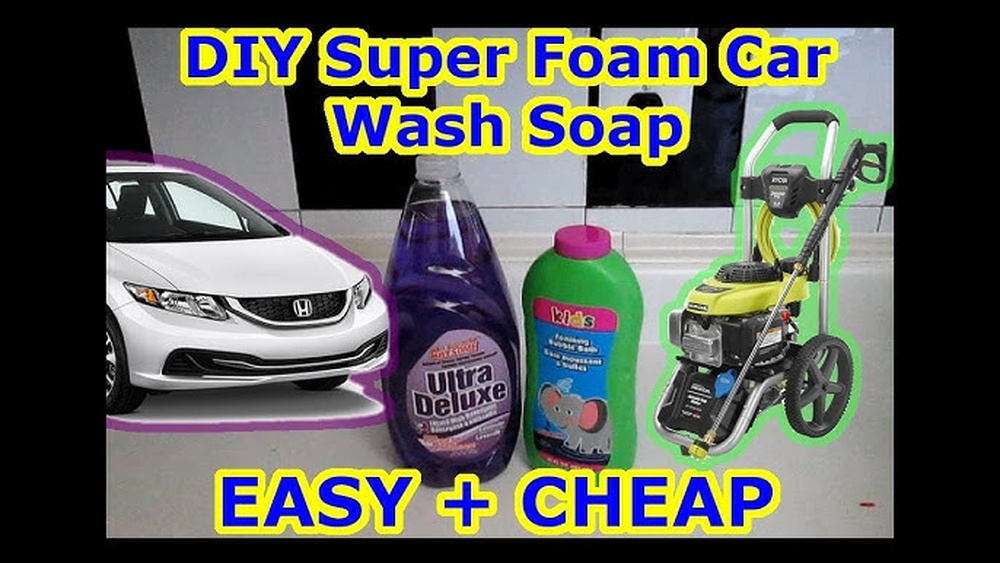
When it comes to cleaning your car with a pressure washer, knowing the right PSI (pounds per square inch) is key. Too much pressure can damage your paint, while too little might not get your car truly clean.
You want the perfect balance that protects your vehicle and leaves it sparkling. You’ll discover exactly what PSI is best for pressure washing your car, so you can avoid costly mistakes and achieve that showroom shine every time. Keep reading to find out how to get the job done right and keep your car looking its best.

Credit: www.youtube.com
Ideal Psi For Car Washing
Choosing the right PSI for washing your car matters a lot. PSI stands for pounds per square inch. It shows how strong the water pressure is. Too much pressure can harm your car’s paint. Too little pressure may not clean well. Finding the ideal PSI keeps your car safe and clean.
Recommended Psi Range
The best PSI for car washing is usually between 1200 and 1900. This range cleans dirt and grime without damage. Pressure washers under 1200 PSI may not remove tough dirt. Over 1900 PSI risks scratching or peeling paint. Stick to this range for safe cleaning.
Why Too High Psi Can Damage Paint
High PSI blasts away dirt but can strip paint. It can cause tiny scratches and swirl marks. Paint can peel if pressure is too strong. Car surfaces are delicate and need gentle care. High pressure can also harm decals and trim parts.
Benefits Of Using Proper Psi
Using the right PSI keeps your car looking new longer. It removes dirt without harming paint or parts. Proper pressure saves time and water. It helps avoid costly repairs from paint damage. Your car stays shiny and smooth with safe pressure.
Factors Influencing Psi Choice
Choosing the right PSI for pressure washing a car depends on several key factors. These factors help protect the car’s surface while ensuring effective cleaning. Understanding these elements can help avoid damage and achieve the best results. Let’s explore the main factors that influence PSI choice.
Car Surface Type
The type of surface on your car affects the PSI needed. Smooth, painted surfaces require lower PSI to avoid scratches. Metal and plastic parts can handle moderate pressure. Delicate surfaces like decals or chrome need very gentle pressure. Adjust PSI to match the car’s material for safe cleaning.
Nozzle Type And Spray Angle
Nozzle type changes water flow and pressure. A wide spray angle spreads water over a larger area. This lowers the impact force on the car. Narrow angles concentrate water, increasing pressure and potential damage. Use wider angles for delicate parts and narrow angles for tough dirt.
Dirt And Grime Levels
Heavy dirt and grime require higher PSI to remove. Light dust or pollen can be cleaned with low pressure. Stubborn stains might need a pre-wash treatment. Adjust PSI based on how dirty the car is to protect the paint while cleaning efficiently.
Comparing Different Psi Levels
Choosing the right PSI for pressure washing a car is important. Different PSI levels clean differently. Each level suits certain cleaning tasks. Knowing the best PSI helps protect your car’s paint and finish.
Low Psi For Gentle Cleaning
Low PSI means less water pressure. It is gentle on the car’s surface. Use it to remove light dust and dirt. Perfect for delicate areas like windows and mirrors. It cleans without damaging paint or decals.
Medium Psi For Regular Washing
Medium PSI offers a balance of power and safety. It removes regular dirt and grime. Ideal for daily or weekly car washes. It cleans well without hurting the car’s surface. Use it for most washing needs.
High Psi For Tough Stains
High PSI is strong and powerful. It removes stubborn stains like mud and bird droppings. Best for deep cleaning after off-road trips. Use with caution to avoid paint damage. Keep the nozzle at a safe distance.

Credit: www.esseg.eu
Tips For Safe Pressure Washing
Pressure washing a car can be quick and effective. Doing it safely protects your car’s paint and parts. Follow these tips to keep your car safe and clean.
Using the right methods helps avoid damage and keeps your car looking great.
Maintaining Safe Distance
Keep the pressure washer nozzle at least 12 inches away from the car. Too close can hurt the paint or dent parts. Hold the nozzle steady and move it slowly to clean evenly.
Adjust the distance if you see water splashing hard or paint peeling.
Using Proper Detergents
Choose detergents made for cars. Harsh chemicals can strip paint or harm rubber seals. Use only small amounts to avoid residue build-up.
Rinse the car well after using soap to remove all detergent traces.
Avoiding Sensitive Areas
Do not spray directly on car lights, mirrors, or electrical parts. Water pressure can damage these areas. Focus on body panels and wheels instead.
Cover sensitive parts with plastic if needed. This keeps water out and prevents damage.
Pressure Washer Settings And Accessories
Choosing the right pressure washer settings and accessories is key to cleaning your car safely. Using the correct pressure avoids damage to paint and parts. Accessories help spread soap and reach tricky areas. Understanding these tools improves your car wash results.
Adjusting Pressure Settings
Set the pressure between 1200 and 1900 PSI for car washing. This range cleans dirt without harming paint. Start with a lower setting to test the surface. Increase pressure only if needed. Avoid using high pressure to protect delicate areas.
Choosing The Right Nozzle
Nozzles control the water spray angle and force. Use a 25-degree nozzle for gentle cleaning. It covers a wider area and reduces damage risk. Avoid narrow nozzles like 0 or 15 degrees. They spray too hard and can scratch the paint.
Using Foam Cannons And Brushes
Foam cannons apply soap evenly and loosen dirt. They create thick foam that clings to the car. Use soft brushes for stubborn dirt on wheels and grills. Brushes help without scratching the surface. Always rinse off foam before brushing.

Credit: www.caranddriver.com
Frequently Asked Questions
What Psi Is Safe For Pressure Washing Cars?
A PSI between 1200 and 1900 is safe for washing cars. It effectively removes dirt without damaging paint or surfaces. Use a wide spray tip to reduce pressure impact and avoid paint chips.
Can High Psi Damage A Car’s Paint?
Yes, high PSI above 2000 can damage car paint. It may cause chips, scratches, and remove protective coatings. Always use moderate pressure and keep the nozzle at a safe distance.
What Nozzle Is Best For Car Pressure Washing?
A 25-degree or 40-degree nozzle is ideal for cars. These nozzles provide a wide spray, reducing pressure concentration. They clean effectively without harming the paint or trim.
How Close Should The Pressure Washer Be To The Car?
Keep the nozzle at least 12 to 18 inches from the car. Closer distances increase pressure and risk paint damage. Maintain consistent distance while washing for even cleaning.
Conclusion
Choosing the right PSI is key to cleaning your car safely. Too much pressure can damage the paint. Too little pressure won’t remove dirt well. A range of 1200 to 1900 PSI works best for most cars. Use a wide spray nozzle to protect the surface.
Keep the washer at least a foot away from the car. This balance helps clean effectively without harm. Remember, gentle power cleans best. Keep your car shining without risk. Simple steps lead to great results.