
Are you ready to give your car seat covers a perfect, secure fit? One small tool can make all the difference: hog rings.
But with so many sizes available, how do you know which size hog rings are right for your car seat covers? Choosing the wrong size can lead to loose covers or even damage to your seats. You’ll discover exactly what size hog rings you need to get a tight, professional-looking finish every time.
Keep reading to find out how to make your car seats look sharp and stay in place—without the frustration.
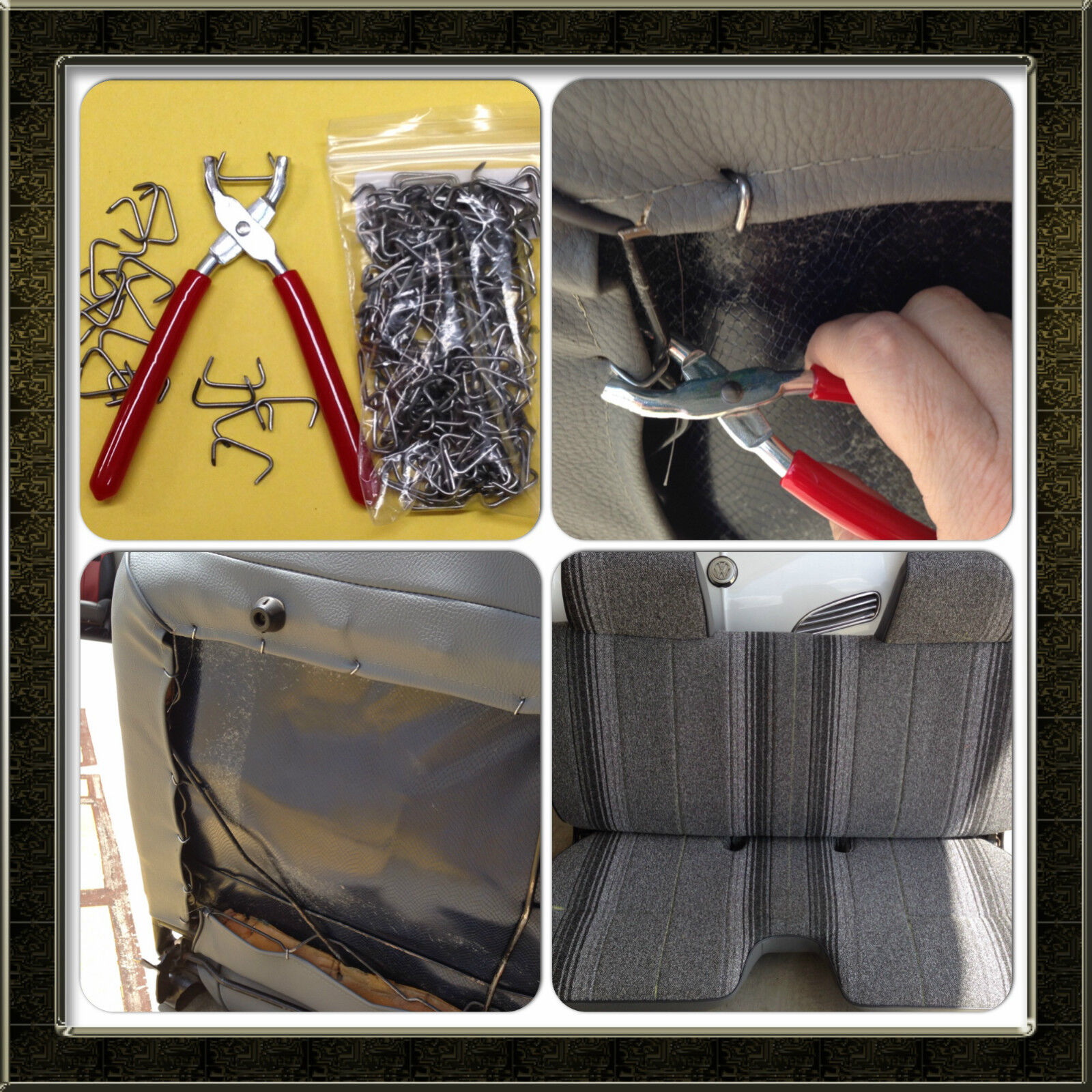
Credit: www.hogrings.com
Choosing Hog Ring Sizes
Choosing the right size hog rings is important for securing car seat covers. The correct size ensures a tight fit and durability. Using the wrong size can cause loose covers or damage. This guide explains the common sizes, material strength, and compatibility with seat covers.
Common Hog Ring Dimensions
Hog rings come in several sizes. The most common are 7/16 inch, 3/8 inch, and 5/16 inch. Larger rings are stronger and better for thick materials. Smaller rings work well with thin fabrics. Size choice depends on the thickness of the seat cover and the area to be secured.
Material And Strength Considerations
Most hog rings are made of steel or stainless steel. Steel rings are strong but may rust over time. Stainless steel rings resist rust and last longer. Choose a ring with enough strength to hold the seat cover firmly. Weak rings can bend or break easily.
Compatibility With Seat Cover Types
Different seat covers need different ring sizes. Vinyl or leather covers usually need larger, stronger rings. Fabric covers can use smaller rings without risk of tearing. Always match the hog ring size to the cover material for best results. This keeps the cover tight and secure.
Tools For Installing Hog Rings
Installing hog rings for car seat covers needs the right tools. The tools help attach the rings tightly and safely. Choosing proper tools makes the job easier and faster. It also helps avoid damage to the seat or cover. Below, learn about the main tools and accessories used for installing hog rings.
Manual Vs. Pneumatic Pliers
Manual pliers are simple and cost less. They work well for small jobs or occasional use. You squeeze the handles to close the hog rings. It takes more effort and time. Pneumatic pliers use air pressure to close rings quickly. They are best for large or frequent jobs. Pneumatic tools reduce hand fatigue and speed up work. Both types fit different needs and budgets.
Essential Accessories
Besides pliers, you need hog rings of the right size. Small rings fit thin materials; bigger rings suit thicker covers. Extra rings keep the work smooth without delay. Gloves protect your hands from sharp edges. A sturdy work surface helps hold the seat steady. These accessories support the main tools and improve safety.
Safety Tips
Wear safety glasses to protect eyes from flying rings. Keep fingers away from plier jaws. Check tools for damage before use. Work in a well-lit area to see clearly. Dispose of used or bent rings properly. Following safety steps prevents injuries during installation.
Step-by-step Installation
Installing hog rings for car seat covers needs care and the right steps. Each step helps the cover fit tightly and last longer. Follow these simple steps to get a neat and secure fit.
Preparing The Seat Cover
Start by cleaning the seat surface. Remove old covers and any dirt or dust. Lay the new seat cover flat and check for holes or tears. Make sure you have the right size hog rings ready. This step makes the installation smooth and easy.
Positioning Hog Rings Correctly
Place the seat cover on the seat, pulling it tight. Align the edges where the hog rings will go. Hold the hog ring with pliers and position it around the fabric and seat frame. Keep the rings evenly spaced for a strong hold. Proper placement avoids wrinkles and gaps.
Securing And Finishing
Squeeze the hog ring pliers to close the ring tightly. Check that the ring holds the fabric firmly without tearing it. Continue around the seat until all edges are secured. Trim any loose threads for a clean look. The cover should feel snug and look smooth.
Troubleshooting Common Issues
Troubleshooting common issues with hog rings for car seat covers helps keep your work strong and neat. Problems can slow down your project or cause poor results. Knowing solutions saves time and effort.
Loose Covers
Loose covers happen when hog rings do not hold fabric tightly. Check if you use the right size. Too big rings don’t grip well. Make sure to close rings fully with the tool. Tighten the cover evenly before clipping. This stops wrinkles and sagging.
Ring Breakage
Rings break if they are too small or made of weak metal. Use rings sized for car seat covers, usually 3/16 or 1/4 inch. Avoid cheap rings that snap easily. Handle the tool gently to stop bending or twisting rings during use.
Tool Malfunctions
Tool problems slow work and cause bad clips. Clean the tool regularly to avoid rust and dirt buildup. Check moving parts for smooth action. Oil joints if needed. Replace worn jaws or springs to keep strong pressure on rings.
Buying Tips For Hog Rings
Choosing the right hog rings is important for a smooth car seat cover installation. The right size and quality make the process easier and the results stronger. This section shares practical tips to help you select the best hog rings for your project.
Where To Purchase
Hog rings are available at hardware stores, auto parts shops, and online. Local stores let you see the product before buying. Online shops offer more variety and better prices. Check the seller’s reviews to avoid low-quality rings.
Price Vs. Quality
Cheap hog rings may break or rust quickly. High-quality rings last longer and hold better. Balance price with durability. Spending a little more usually saves money over time. Choose rings made of strong, rust-resistant metal.
Bulk Vs. Individual Packs
Bulk packs cost less per ring and suit large projects. Individual packs are good for small jobs or testing sizes. Buy bulk only if you are sure about the size and type. Otherwise, try small packs first to avoid waste.
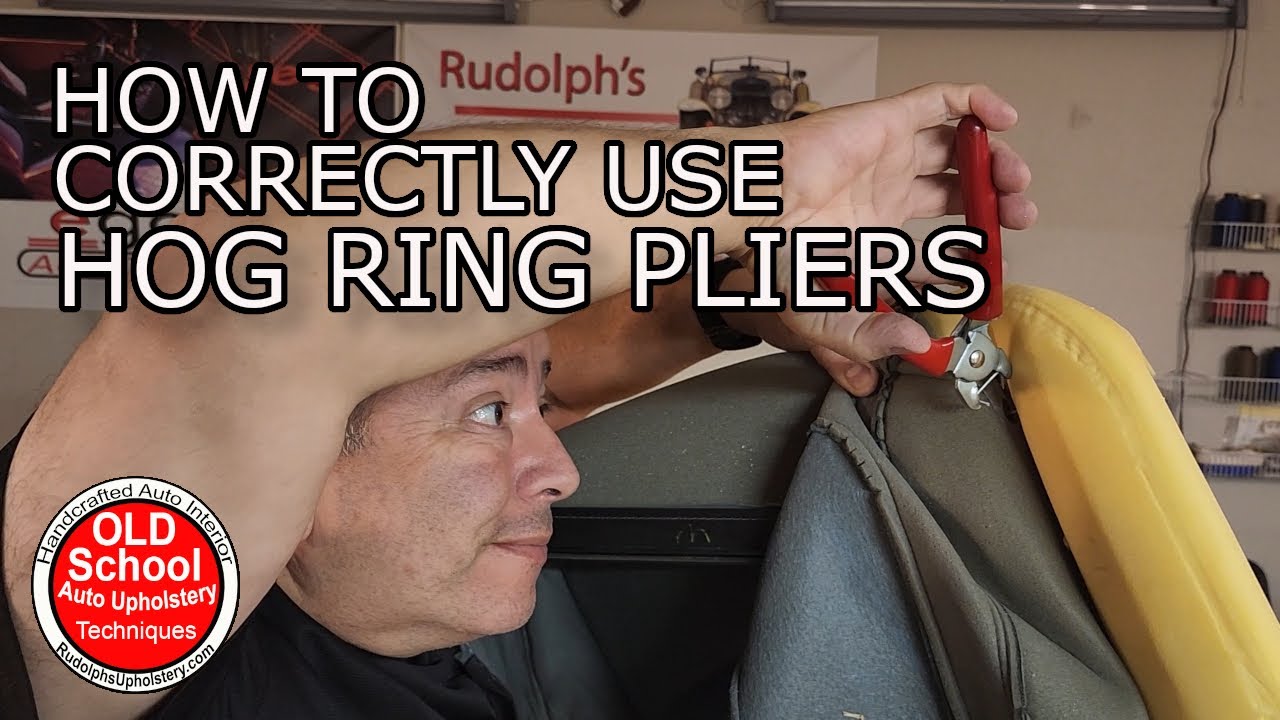
Credit: www.youtube.com

Credit: www.eastwood.com
Frequently Asked Questions
What Size Hog Rings Work Best For Car Seat Covers?
The most common size for car seat covers is 9/16 inch hog rings. This size offers a strong hold and fits standard hog ring pliers.
Can I Use Larger Hog Rings For Seat Covers?
Larger hog rings may not fit properly and can damage the seat fabric. Stick to 9/16 inch for optimal results.
Are Stainless Steel Hog Rings Better For Car Seats?
Yes, stainless steel hog rings resist rust and last longer. They are ideal for car seat covers exposed to moisture.
How Many Hog Rings Do I Need Per Car Seat Cover?
You typically need 15 to 25 hog rings per seat cover. The exact number depends on seat size and cover design.
Conclusion
Choosing the right size hog rings makes installing seat covers easier. Small rings hold fabric tightly without tearing. Larger rings fit thicker materials better. Using the correct size keeps covers secure and neat. This helps your car seats look great and last longer.
Always check the ring size before starting your project. Simple steps lead to better results and less frustration. Your car seat covers will stay in place with the right hog rings.

