Choosing the right pressure washer for your car can feel confusing. You want something powerful enough to clean thoroughly but gentle enough to avoid damage.
If you pick the wrong size, you might end up with streaks, scratches, or a lot of wasted time. You’ll discover exactly what size pressure washer suits your car’s needs. By the end, you’ll know how to keep your vehicle sparkling clean without any risk.
Keep reading to find the perfect balance of power and care for your car wash.

Credit: www.amazon.com
Choosing Pressure Washer Power
Choosing the right pressure washer power is key to cleaning your car effectively. Too much power can damage the paint, while too little may not clean well. Understanding the power settings helps pick the best washer for your needs.
Psi And Gpm Explained
PSI means pounds per square inch. It shows the pressure of water from the washer. Higher PSI means stronger water force.
GPM means gallons per minute. It tells how much water flows out in one minute. More GPM means more water to wash dirt away.
Both PSI and GPM work together to clean surfaces well. Knowing these helps choose the right machine.
Ideal Psi For Car Cleaning
Cars need gentle but strong cleaning power. A pressure washer with 1200 to 1900 PSI works best.
This range cleans dirt and grime without hurting paint or decals. Lower PSI may not remove tough stains.
Choose washers with adjustable PSI to control pressure on delicate parts.
Balancing Power And Safety
High pressure can cause paint chips and scratches. Always test on a small area first.
Use a wider spray tip to reduce pressure impact. Keep the nozzle at least 12 inches away.
Safety means cleaning your car well and protecting its finish. Balance power with gentle care.
Types Of Pressure Washers
Choosing the right pressure washer for cleaning cars depends on the type of machine. Pressure washers come in different styles, each with unique features. Understanding these types helps select the best one for car washing.
Electric Vs Gas Models
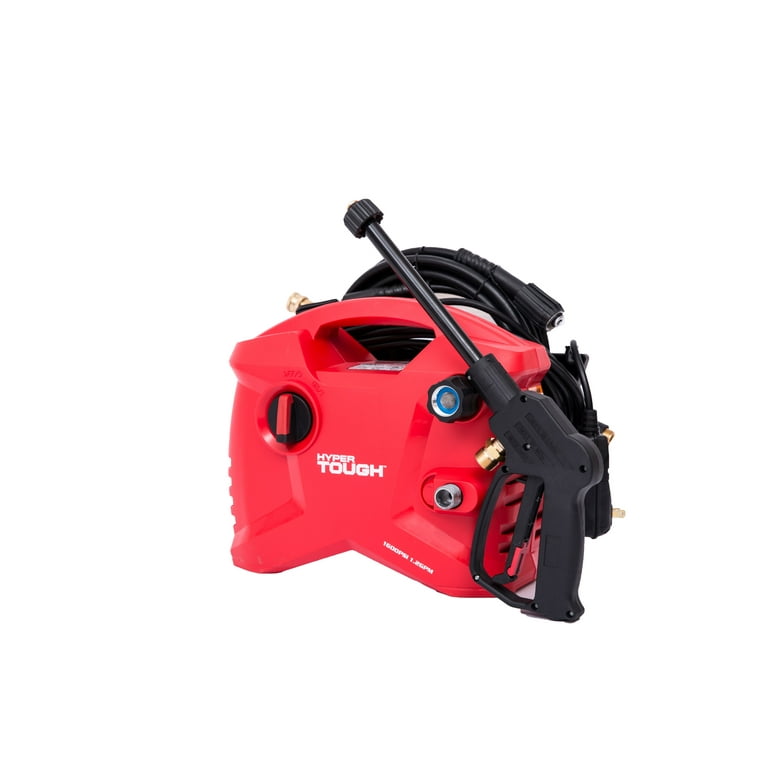
Electric pressure washers run on electricity. They are quieter and lighter than gas models. Electric units work well for small to medium jobs. Gas pressure washers use fuel to power the engine. They offer more power and mobility. Gas models suit heavy-duty cleaning tasks. For car washing, electric models often provide enough pressure.
Portable Vs Stationary Units
Portable pressure washers are easy to move around. They fit well in small garages or driveways. These units usually weigh less and have wheels. Stationary pressure washers stay in one spot. They may have larger tanks and stronger motors. Portable units are more practical for washing cars at home.
Pros And Cons For Car Use
Electric washers are easy to start and maintain. They produce less noise, ideal for neighborhoods. Their lower pressure can protect car paint. Gas washers deliver strong cleaning power quickly. They work well on tough dirt and grime. Portable models offer convenience and flexibility. Stationary units may provide longer cleaning sessions. Choose based on cleaning needs and space available.
Nozzle Selection And Pressure Settings
Selecting the right nozzle and pressure setting is key for cleaning cars safely. The wrong choice can harm your vehicle’s paint or trim. Understanding nozzle types and how to adjust pressure helps you clean effectively without damage.
Common Nozzle Types
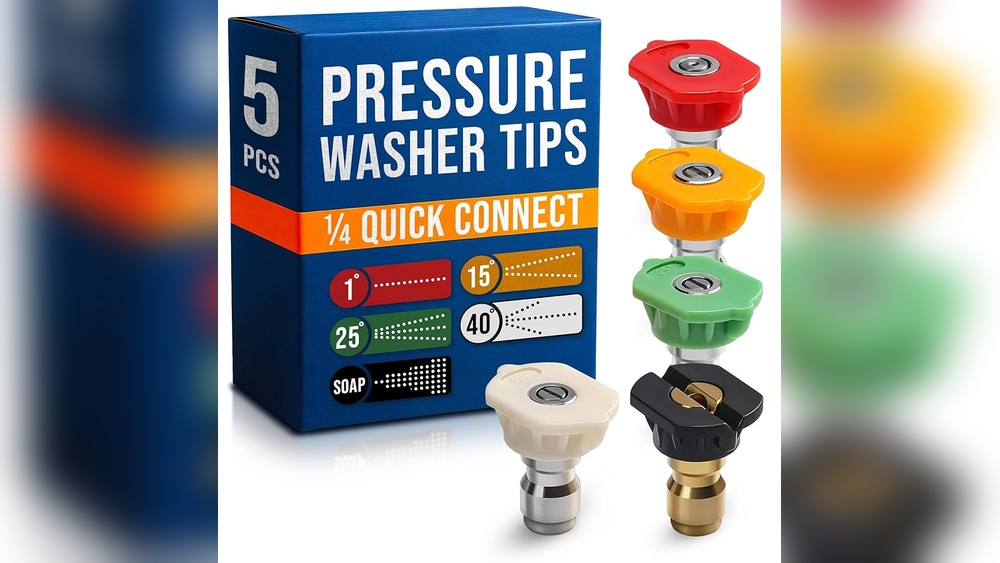
Nozzles control water flow and spray angle. A 0-degree nozzle creates a strong, narrow stream. Use it carefully, as it can damage surfaces. A 15-degree nozzle offers a wider spray, ideal for tough dirt. The 25-degree nozzle provides a gentler spray for general cleaning. The 40-degree nozzle produces the widest, softest spray. It works best on delicate surfaces like car paint.
Adjusting Pressure For Delicate Surfaces
High pressure can strip paint or damage trim. Use a lower pressure setting when cleaning your car. Start with the lowest setting and increase only if needed. Keep the nozzle at least 12 inches away from the surface. This reduces the risk of scratches and chips. Test on a small area first to check for any damage.
Avoiding Damage To Paint And Trim
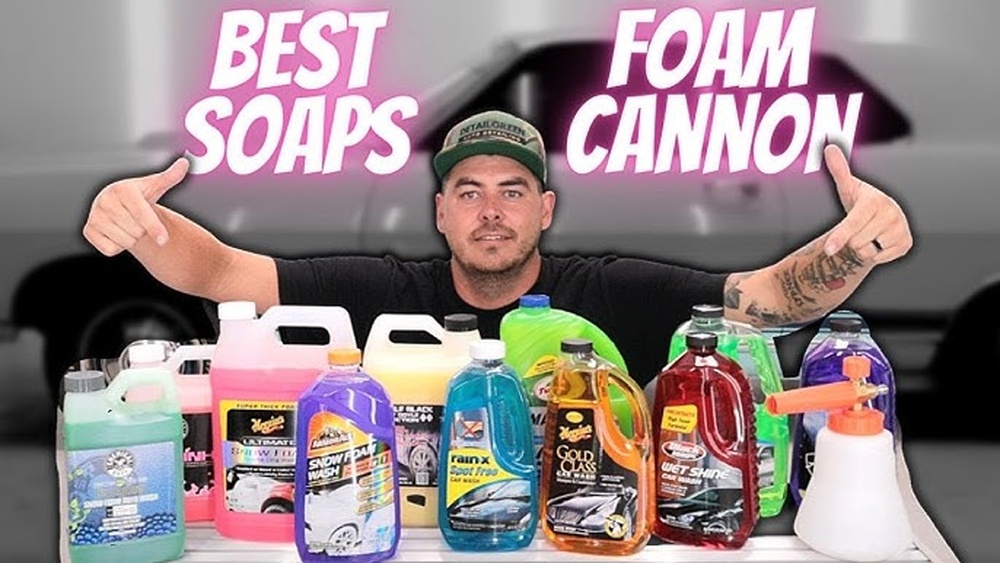
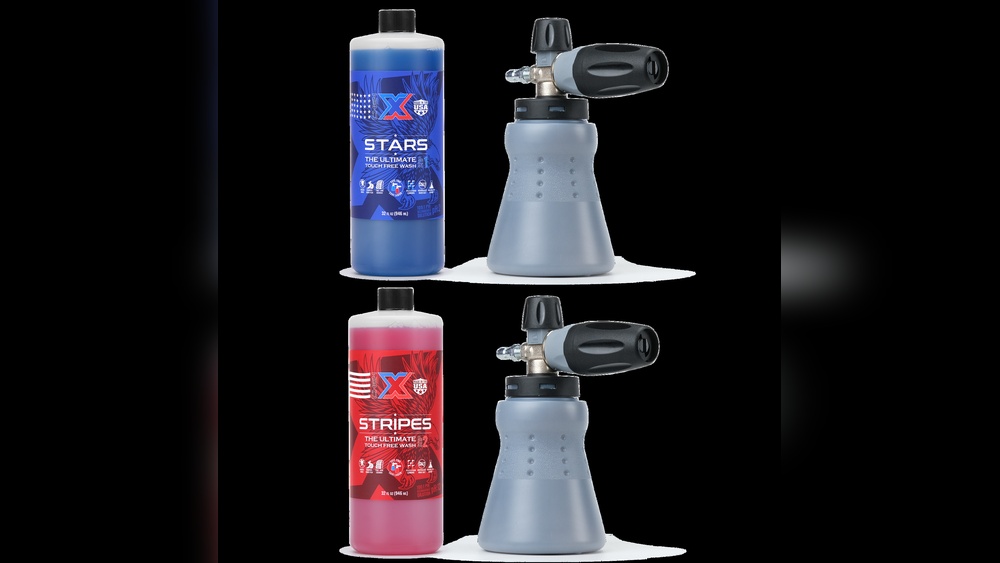
Use the correct nozzle and pressure to protect your car. Avoid the 0-degree nozzle on painted surfaces. Do not hold the nozzle too close to the paint or trim. Move the spray evenly to prevent streaks or spots. Use a foam cannon or soap for extra protection. Wash the car in sections for even cleaning.
Additional Features To Consider
Choosing the right pressure washer size for cars is important. But extra features also matter. These features improve cleaning and make the job easier. They help save time and effort. Here are key features to consider.
Built-in Detergent Tanks
A built-in detergent tank holds soap or cleaning solution. It mixes with water during washing. This feature saves time because you do not add detergent by hand. It also ensures the right amount of soap is used. You get better cleaning results with less effort.
Hose Length And Mobility
Long hoses let you reach all parts of your car without moving the machine. Mobility means the pressure washer is easy to move and carry. Wheels and lightweight design help a lot. A good hose and mobility make washing faster and less tiring.
Safety Features
Safety features protect you and your machine. Look for automatic shut-off to save energy and prevent damage. Some washers have trigger locks to avoid accidental spraying. These features keep you safe and protect your pressure washer from problems.
Maintenance Tips For Pressure Washers
Proper maintenance keeps your pressure washer working well for a long time. It saves money on repairs and ensures strong cleaning power. Simple steps help avoid common problems and improve performance.
Cleaning And Storage
After each use, rinse the pressure washer with clean water. Remove dirt and soap from nozzles and hoses. Store the machine in a dry, cool place. Cover it to protect from dust and moisture. Proper storage stops rust and damage.
Preventing Clogs And Damage
Check the water supply for dirt or debris. Use clean water only. Clean or replace filters regularly. Avoid running the washer without water. This can cause serious damage to the pump and motor. Use the right spray tips to prevent nozzle clogs.
Regular Inspections
Look for leaks, cracks, or worn parts often. Tighten loose bolts and fittings. Inspect the hose for cracks or holes. Replace damaged parts quickly to avoid bigger problems. Test the pressure and spray pattern before each use.
Cost And Budget Considerations
Choosing the right pressure washer for your car depends a lot on your budget. Understanding cost helps you pick a machine that fits your needs without overspending. Quality and power often affect the price. This section breaks down costs to help you decide wisely.
Price Ranges By Type
Electric pressure washers usually cost less. They often range from $100 to $300. Gas models are pricier, starting around $300 and going up to $600 or more. Small, portable washers cost less than heavy-duty, professional ones. Consider what fits your budget and cleaning needs.
Long-term Value
Investing in a durable pressure washer saves money over time. A higher upfront cost often means better parts and longer life. Cheaper washers may need repairs or replacement sooner. Think about how often you will use it. Quality machines often use less water and electricity, lowering bills.
Affordable Options For Beginners
Beginners can find good washers under $200. These models work well for light car cleaning. Look for machines with moderate pressure (around 1300-1900 PSI). They are easy to use and maintain. Start with a simple washer to learn the basics before upgrading.
Best Practices For Car Washing
Car washing with a pressure washer needs care and the right steps. Following best practices helps protect your car’s paint and finish. It also makes cleaning easier and more effective.
Pre-wash Preparations
Start by rinsing your car with plain water. This removes loose dirt and dust. Choose a pressure washer with a safe PSI, usually under 1200 for cars. Check all windows and doors are closed tightly. Cover sensitive parts like air intakes and lights if possible. Use soap made for cars to avoid damage. Prepare a soft brush or sponge for stubborn spots.
Proper Washing Techniques
Keep the pressure washer nozzle at least 12 inches from the car. Spray in smooth, even motions to avoid paint damage. Wash the car from top to bottom to prevent dirt from spreading. Use a soap mixture to break down grease and grime. Avoid spraying directly into engine areas or seals. Rinse thoroughly to remove all soap and dirt.
Post-wash Care
Dry the car with a clean microfiber towel to stop water spots. Check for missed spots and clean them gently by hand. Inspect seals and joints for water buildup. Apply a wax or sealant to protect the paint. Store your pressure washer properly to keep it ready for next use. Regular care extends your car’s shine and life.
Credit: www.walmart.com
Credit: www.eveagetool.com
Frequently Asked Questions
What Pressure Washer Psi Is Ideal For Cars?
A pressure washer with 1200 to 1900 PSI is ideal for cars. It cleans effectively without damaging paint. Higher PSI may harm the car’s surface.
How Many Gpm Should A Car Pressure Washer Have?
For washing cars, a flow rate of 1. 2 to 1. 5 GPM is sufficient. It provides enough water to rinse dirt gently and efficiently.
Can A Pressure Washer Damage Car Paint?
Yes, if the pressure is too high or the nozzle is too close. Using a low PSI and proper distance avoids paint damage while cleaning.
Should I Choose Electric Or Gas Pressure Washer For Cars?
Electric pressure washers are better for cars. They are lighter, quieter, and provide enough power for gentle cleaning. Gas washers are usually too strong.
Conclusion
Choosing the right pressure washer size helps clean your car well. Smaller washers work for light dirt and quick washes. Bigger washers handle tough grime but may hurt paint. Aim for a balance of power and safety. A washer with 1200 to 1900 PSI suits most cars.
Remember, water pressure and flow both matter. Use the right nozzle for gentle cleaning. Clean your car carefully to keep its shine long. The right washer makes washing easier and better every time.