

If you want your car wash to look professional and get the best results, choosing the right soap for your foam cannon is key. Using the wrong soap can leave your vehicle streaky or even damage the paint.
But don’t worry—you’re about to discover exactly what type of soap works best to create thick, clingy foam that makes cleaning easier and more effective. By the end of this article, you’ll know how to pick the perfect soap that protects your car while giving it a showroom shine.
Ready to upgrade your car wash game? Let’s dive in!

Credit: www.mckillans.com
Choosing The Right Soap
Choosing the right soap for your foam cannon makes a big difference in cleaning results. The soap affects how thick the foam is and how well it removes dirt. It also protects your vehicle’s paint and the foam cannon itself. Selecting the soap carefully helps you get the best foam and keeps surfaces safe.
Types Of Soaps Compatible With Foam Cannons
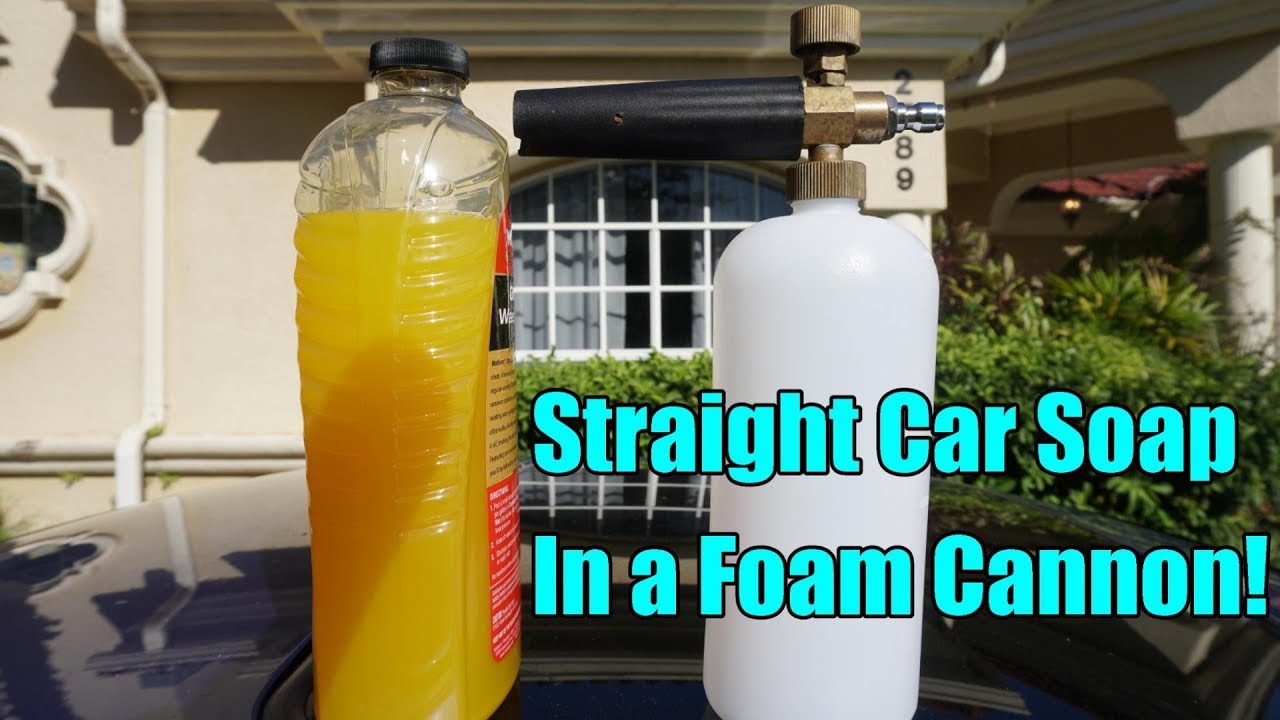
Not all soaps work well with foam cannons. Look for soaps labeled as foam cannon safe or snow foam. These soaps create thick, dense foam that clings to surfaces. Car wash soaps, pressure washer soaps, and snow foam detergents fit well. Avoid dish soaps or household cleaners as they can damage paint and equipment.
Ph Levels And Their Impact
Soap pH affects both cleaning power and surface safety. Soaps with neutral or slightly acidic pH (around 6-7) are gentle on paint. Alkaline soaps (pH above 7) clean better but may harm wax or sealant layers. Choose a soap with balanced pH to protect your vehicle’s finish while cleaning effectively.
Biodegradable Vs. Conventional Soaps
Biodegradable soaps break down naturally and are safer for the environment. They clean well without harsh chemicals. Conventional soaps may contain strong chemicals that harm plants and water sources. Using biodegradable soap helps reduce environmental impact while still providing good foam and cleaning power.

Credit: www.chemicalguys.com
Key Ingredients To Look For
Choosing the right soap for your foam cannon depends on its ingredients. These ingredients affect foam thickness, cleaning power, and car protection. Understanding these key elements helps you pick an effective and safe soap.
Surfactants That Create Thick Foam
Surfactants lower water’s surface tension, making soap spread and foam well. Strong surfactants create thick, long-lasting foam that clings to surfaces. Look for soaps with sodium lauryl sulfate or cocamidopropyl betaine. These ingredients produce rich foam and clean dirt effectively.
Additives For Shine And Protection
Some soaps include additives that add shine and protect paint. Ingredients like polymers and waxes form a thin layer on the car. This layer repels water and dust, keeping the surface cleaner longer. Such additives improve the finish and help maintain the car’s look.
Avoiding Harmful Chemicals
Avoid soaps with harsh chemicals like strong acids or alkalis. These can damage car paint and strip protective coatings. Also, avoid soaps with phosphates or bleach. These chemicals harm the environment and can cause skin irritation. Choose gentle, biodegradable soaps for safety and eco-friendliness.
Top Soap Brands For Foam Cannons
Choosing the right soap for your foam cannon is key to getting thick, rich foam. The soap must create bubbles that last long and clean well. Many brands offer special soaps made for foam cannons. Some focus on quality, others on price, and some let you make your own mix at home. Here are the top soap brands and options for foam cannons.
Popular Commercial Options
Many car enthusiasts trust commercial foam cannon soaps. Brands like Chemical Guys, Meguiar’s, and Adam’s Polishes are well-known. These soaps create dense foam that sticks to surfaces. They clean dirt and grime without damaging paint. They often come in concentrates, so a little goes a long way. These soaps are safe for most car finishes and easy to use.
Budget-friendly Alternatives
Affordable soaps can also work well in foam cannons. Simple dish soaps like Dawn or Joy can create good foam. They are easy to find and cost less than specialty soaps. Use them in small amounts to avoid stripping wax or sealant. These soaps work well for regular car washes and quick cleaning jobs. They offer a good balance between cost and performance.
Diy Soap Recipes
Making your own foam cannon soap can be fun and effective. A common recipe mixes water, dish soap, and a bit of glycerin. Glycerin helps keep the foam thick and long-lasting. Some DIY formulas add baking soda or car shampoo for extra cleaning power. Homemade soaps let you control ingredients and save money. Experiment to find the best mix for your car’s needs.
How Soap Affects Foam Quality
Soap plays a key role in foam quality when using a foam cannon. The type and amount of soap affect how thick and long-lasting the foam is. Different soaps create different foam textures and cleaning effects. Understanding these factors helps you choose the best soap for your needs.
Foam Thickness And Longevity
Soap ingredients control how thick the foam appears. Some soaps create dense, creamy foam that clings to surfaces longer. Thick foam holds dirt and grime better during cleaning. Longevity depends on soap’s ability to trap air bubbles. Soaps with strong foaming agents last longer on the surface.
Cleaning Power Vs. Foam Production
More foam does not always mean better cleaning. Some soaps produce lots of foam but have weaker cleaning power. Others clean well but create less foam. Balancing foam and cleaning strength is important. Choose a soap that cleans effectively without losing foam quality.
Adjusting Soap Concentration
The amount of soap used changes foam quality. Higher soap concentration usually makes thicker foam. Too much soap can cause slippery residue or clog the foam cannon. Too little soap results in weak foam and poor cleaning. Find the right soap mix for best results.
Using Soap Safely With Your Equipment
Using soap safely with your foam cannon protects your equipment and improves cleaning results. Choosing the right soap and handling it correctly keeps your foam cannon working well. It also prevents damage and clogs that can reduce its lifespan.
Preventing Clogs And Damage
Use soaps made for foam cannons only. Soaps with thick or oily ingredients cause clogs. Avoid household soaps and dish detergents. These can harm seals and pumps. Always rinse the cannon after use to clear soap residue. Clean filters regularly to stop blockages. This keeps water flow strong and smooth.
Proper Dilution Ratios
Follow the soap maker’s dilution instructions. Too much soap creates thick foam that clogs. Too little soap reduces cleaning power. Use a measuring cup for accuracy. Mix soap with water before adding to the cannon. Correct dilution protects the pump and spray nozzle.
Maintenance Tips After Use
Flush the foam cannon with clean water after each use. This removes leftover soap and dirt. Store the cannon in a dry place to avoid rust. Check hoses and connectors for cracks or leaks. Replace damaged parts quickly. Regular maintenance keeps your foam cannon ready for the next job.
Troubleshooting Common Issues
Troubleshooting common issues with your foam cannon can save time and improve results. Many users face simple problems that affect foam quality. Understanding these issues helps you get better foam and cleaner surfaces. Below are common problems and easy fixes to try.
Foam Not Forming Properly
Check soap concentration first. Too little soap means weak foam. Use soap made for foam cannons only. Adjust the foam cannon’s nozzle and air mix. Low pressure from your washer can cause thin foam. Make sure water pressure meets foam cannon needs.
Soap Residue Problems
Soap residue can stick to your car if soap is too strong. Use the right soap dilution for your foam cannon. Rinse the surface well after foaming. Avoid harsh soaps that leave marks. Clean your foam cannon after use to prevent buildup inside.
Adjusting For Water Hardness
Hard water reduces foam quality. Minerals block soap from lathering well. Use a water softener if your water is hard. Choose soap formulas that work with hard water. Test your water hardness to pick the best soap and get thick foam.
Credit: www.youtube.com
Frequently Asked Questions
What Type Of Soap Works Best In A Foam Cannon?
Use a pH-balanced, car wash soap designed for foam cannons. Avoid harsh detergents or dish soaps as they can damage paint and reduce foam quality.
Can I Use Dish Soap In My Foam Cannon?
No, dish soap is too harsh and can strip wax or sealant. It produces less foam and may harm your vehicle’s finish.
How Much Soap Should I Mix In A Foam Cannon?
Typically, use a 1:10 soap-to-water ratio. Adjust concentration depending on foam thickness and cleaning needs for best results.
Are Commercial Foam Cannon Soaps Better Than Homemade Solutions?
Yes, commercial soaps are formulated for optimal foam and paint safety. Homemade mixes often lack proper pH balance and foaming agents.
Conclusion
Choosing the right soap makes foam cannon use much better. Soaps with good foam and gentle ingredients protect your car’s paint. Avoid harsh chemicals that can cause damage or leave spots. Always pick a soap made for foam cannons or car washing.
This helps create thick foam that cleans well and rinses easily. Using the correct soap saves time and keeps your car shiny. Try different soaps to find the one that works best for you. Clean smart, clean safe, and enjoy a sparkling car every time.


