

Have you ever wondered what water pressure is used in a manual car wash? Knowing this can help you understand how your car gets cleaned so effectively without damage.
The right water pressure plays a key role in removing dirt and grime while protecting your vehicle’s paint. You’ll discover the ideal water pressure range for manual car washes and why it matters for your car’s care. Keep reading to find out how this simple detail can make a big difference for your next wash.
Water Pressure Basics
Understanding water pressure is key to knowing how a manual car wash works well. Water pressure affects how clean your car gets and how much water is used. It helps to remove dirt and grime without damaging your car’s paint.
Knowing the basics of water pressure helps you choose the right tools and techniques for washing your car. Let’s explore what water pressure really means, how it is measured, and the units used.
What Is Water Pressure?
Water pressure is the force water pushes against a surface. In a car wash, this force helps remove dirt from the car’s body. Higher water pressure means stronger force and better cleaning power.
Too much pressure can harm the car’s paint, while too little may not clean well. Manual car washes use moderate pressure for safe and effective cleaning.
Measuring Water Pressure
Water pressure is measured by checking the force of water flow. Tools like pressure gauges show how much pressure is in the water stream. These tools help car wash operators keep pressure at the right level.
Pressure gauges are easy to use and give quick results. They ensure the water pressure is neither too low nor too high for washing.
Units Of Water Pressure
Water pressure is usually measured in PSI, which means pounds per square inch. This shows how much force is applied to one square inch of surface. Another unit is bar, used in some countries.
Manual car washes often use water pressure between 100 to 200 PSI. This range cleans well and protects the car paint.
Credit: www.walmart.com
Water Pressure In Manual Car Washes
Water pressure plays a key role in manual car washes. It helps remove dirt, grime, and stains from the vehicle’s surface. The right pressure ensures a clean car without causing damage. Understanding water pressure in manual car washes helps you see how they work effectively.
Typical Pressure Range
Manual car washes usually use water pressure between 500 and 1500 PSI. This range is strong enough to clean the car well. It is gentle enough to avoid harming the paint or windows. Pressure below 500 PSI may not clean thoroughly. Above 1500 PSI, there is a risk of damage to the car’s surface.
Pressure Variations By Equipment
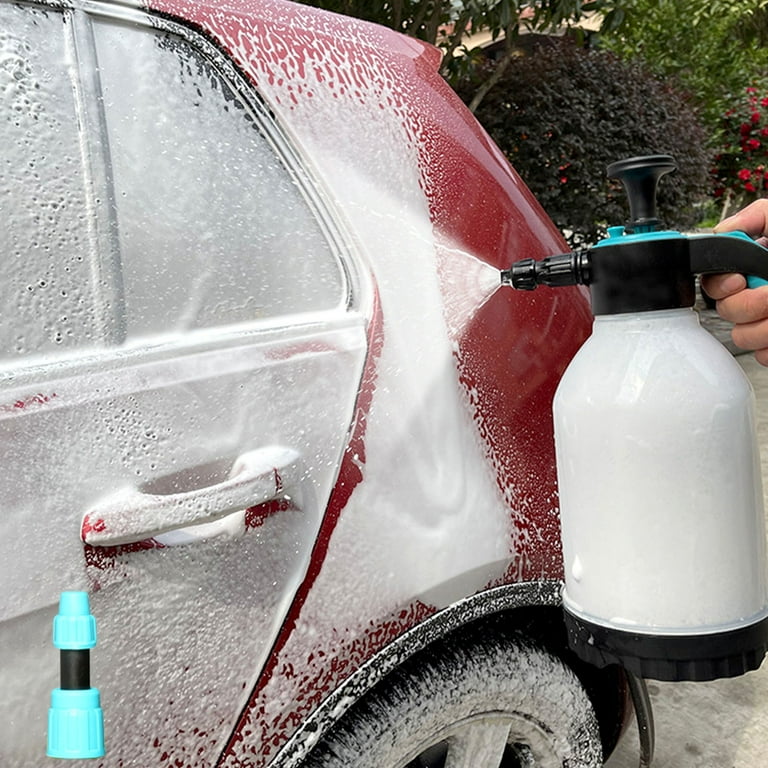
Different equipment in manual car washes can change the water pressure. Handheld spray nozzles often have adjustable pressure settings. Some use a trigger to control the flow and strength. Foam guns or brushes may use lower pressure to protect the car paint. The type of hose or pump also affects the pressure used during washing.
Impact On Cleaning Efficiency
Higher water pressure removes dirt faster and better. It helps break down tough stains and mud. Lower pressure needs more scrubbing and longer washing time. Too much pressure can damage paint and seals. Balanced pressure gives good cleaning without risking harm. It makes manual car washing both safe and effective.
Choosing The Right Pressure
Choosing the right water pressure in a manual car wash matters a lot. The right pressure cleans well without harming your car’s paint or parts. It also uses water wisely to save resources. Understanding how to pick the right pressure helps you wash better and safer.
Factors Influencing Pressure Selection
Different cars and dirt types need different pressures. A very dirty car needs stronger water pressure. Light dirt or dust requires less force. Weather conditions, like cold or hot days, can change how pressure works. The type of cleaning tools used also matters. Choose pressure based on these key factors.
Surface Sensitivity And Pressure
Car surfaces vary in how strong they are. Paint, chrome, and plastic parts react differently to water pressure. High pressure can damage soft paint or scratch plastic. Use low pressure on delicate areas. Hard surfaces like tires can handle more force. Always match pressure to surface sensitivity.
Balancing Pressure And Water Usage
Strong water pressure cleans fast but uses more water. Low pressure saves water but may need more time. Balance pressure to clean well and save water. This helps protect the environment and reduce costs. Good balance leads to an effective and eco-friendly wash.

Credit: www.amazon.com
Equipment And Pressure Settings
Manual car washes rely on specific equipment and pressure settings to clean vehicles effectively. Choosing the right tools and adjusting the water pressure properly ensures a thorough wash without damaging the car’s surface. Understanding the types of equipment and how to manage pressure settings helps maintain the best cleaning results.
Pressure Washers Vs. Hoses
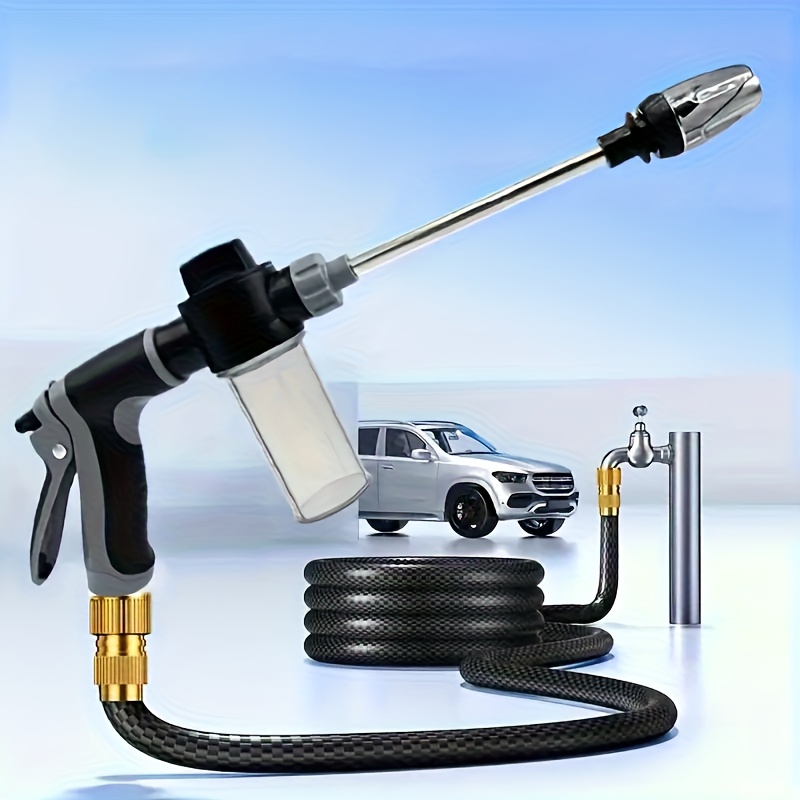
Pressure washers deliver water at high pressure, making it easier to remove dirt and grime. They use pumps to increase water force, reaching up to 2000 psi or more. Hoses provide a gentler flow, usually below 100 psi, and require manual effort to clean stubborn spots. Pressure washers save time and effort compared to hoses. Hoses are better for delicate parts or light cleaning tasks.
Adjustable Pressure Nozzles
Adjustable nozzles control water pressure and spray pattern. They allow users to switch between wide sprays and focused jets. Lower pressure settings protect the car’s paint and trim. Higher pressure helps remove tough dirt but can cause damage if too strong. Adjusting the nozzle ensures the right pressure for each part of the car.
Maintenance For Consistent Pressure
Regular equipment maintenance keeps water pressure steady. Clean filters prevent clogs that reduce pressure. Check hoses and nozzles for leaks or damage. Replace worn parts to avoid pressure drops. Proper maintenance extends equipment life and improves washing quality. Consistent pressure means better cleaning results every time.
Safety And Damage Prevention
Safety and damage prevention are key in manual car washing. High water pressure can clean well, but it may also harm your car. Using the right pressure helps protect the paint and delicate parts. It also keeps your car safe from scratches and dents. Knowing the correct water pressure keeps your car looking great for longer.
Avoiding Paint Damage
Water pressure that is too strong can strip the paint. Paint chips and scratches can appear easily. Use a moderate pressure level to keep the paint safe. Always test the pressure on a small area first. Gentle cleaning protects the shine and color of your car.
Protecting Delicate Parts
Car parts like mirrors, antennas, and sensors are fragile. High pressure can break or loosen these parts. Spray gently around these areas. Use low water pressure near delicate spots. This prevents costly repairs and keeps parts intact.
Safe Distance And Pressure Levels
Keep the spray nozzle at a safe distance from the car. Usually, 12 to 18 inches works well. Holding the nozzle too close can cause damage. Adjust the water pressure according to the dirt level. Start low and increase only if needed. This method cleans safely without harm.
Credit: www.temu.com
Environmental Considerations
Water pressure in manual car washes plays a big role in environmental impact. Using the right pressure helps save water and reduce pollution. Careful choices protect nature and keep water clean. Understanding these factors helps us choose better car wash methods that are safe for the environment.
Water Conservation Tips
Use only the water needed for cleaning. Avoid running water for a long time. Use a bucket and sponge to control water use. Fix leaks to stop water waste. Wash cars on grass or gravel to reduce runoff.
Eco-friendly Cleaning Practices
Choose biodegradable soaps that break down easily. Avoid harsh chemicals that harm plants and animals. Use cloth towels instead of paper to reduce waste. Rinse cars with low-pressure water to save water and protect paint. Work in shaded areas to reduce evaporation.
Reducing Wastewater Impact
Collect wash water to prevent it from reaching storm drains. Use filters to remove dirt and oil from wastewater. Direct wastewater to proper treatment systems. Avoid washing cars near water bodies to protect fish and plants. Clean equipment regularly to prevent chemical spills.
Frequently Asked Questions
What Water Pressure Is Ideal For A Manual Car Wash?
The ideal water pressure for manual car washes is between 1000 and 1500 PSI. This range effectively removes dirt without damaging the car’s paint or trim.
Can High Water Pressure Damage My Car’s Paint?
Yes, water pressure above 2000 PSI can harm paint and sensitive parts. Always use moderate pressure to protect your vehicle’s finish.
How Does Water Pressure Affect Cleaning Efficiency?
Higher water pressure removes stubborn dirt faster but risks damage. Moderate pressure balances cleaning power and vehicle safety.
Is Low Water Pressure Effective For Manual Car Washing?
Low water pressure may not remove tough grime efficiently. However, it is safer for delicate areas and reduces the risk of paint damage.
Conclusion
Manual car washes usually use water pressure between 1200 and 1900 PSI. This range cleans dirt well without harming the car’s paint. Too much pressure can cause scratches or damage. Too little pressure may not remove grime properly. Choosing the right pressure keeps your car safe and clean.
Remember, gentle but strong water works best. This knowledge helps you understand what happens during a manual wash. It also guides you when washing your car at home. Clean cars last longer and look better every day.

