

You’ve probably seen those thin, flimsy toilet seat covers in public restrooms and wondered, “Do these really protect me?” You’re not alone. Many people believe these covers are a must-have for hygiene, but what if they’re actually useless?
If you want to know the truth about toilet seat covers and whether they’re worth your time, keep reading. By the end, you’ll see why you might be better off skipping them altogether—and how to stay truly clean without relying on something that doesn’t work.
Credit: www.huffpost.com
Common Myths About Toilet Seat Covers
Many people believe toilet seat covers protect against germs and keep toilets clean. These common myths make people feel safer in public restrooms. Yet, the truth shows these covers offer little real protection. Understanding these myths helps clear confusion about toilet seat covers.
Germs And Hygiene Concerns
People think toilet seats carry many germs. The seat surface is often cleaner than other parts. Most germs come from the air or your own skin. Toilet seats are not a major source of harmful bacteria. Using seat covers does not stop germs effectively.
Protection Against Direct Contact
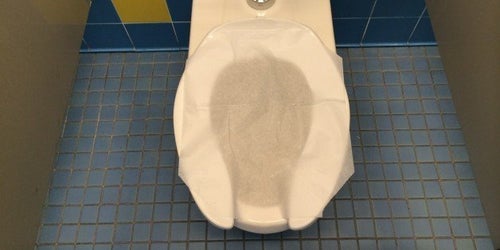
Many avoid touching toilet seats directly. They assume covers create a barrier. But covers are thin and often full of holes. They do not block all contact with the seat. Skin can still touch the surface beneath. Covers give a false sense of protection.
Preventing Urine Splash
People use seat covers to stop urine splash. But covers only cover the seat top. Splash often happens inside the bowl or on the floor. Covers do not stop urine spray or smell. Proper cleaning is better than relying on covers.
Scientific Findings On Toilet Seat Cleanliness
Scientific studies have examined how clean toilet seats really are. These findings challenge the common fear about germs on toilet seats. Research shows toilet seats are not as dirty as many believe. Understanding this can change how we think about using toilet seat covers.
Bacterial Presence On Toilet Seats
Scientists found very few harmful bacteria on toilet seats. Most bacteria are harmless and come from skin contact. Toilet seats are often cleaned regularly, reducing germs. The type of bacteria found usually does not cause illness. Touching a toilet seat rarely leads to infections.
Comparison With Other Bathroom Surfaces
Surfaces like door handles and sink taps have more germs than toilet seats. These areas are touched more often and less cleaned. Bathroom floors and flush handles show higher bacteria levels. Toilet seats are smoother and get wiped more frequently. This makes them one of the cleaner spots in a bathroom.
Effectiveness Of Toilet Seat Covers
Toilet seat covers are common in public restrooms. Many believe they protect from germs. But their real effectiveness is limited. Understanding how well they work helps you make better hygiene choices.
Barrier Function Limitations
Toilet seat covers act as a thin paper layer. They cover only the seat surface. They do not block germs in the air or from splash. Most bacteria and viruses do not stick to seats. Body contact with the seat is usually minimal. The covers often tear or slip, reducing protection. Their thin material offers little real barrier.
Potential For Cross-contamination
Using toilet seat covers may cause more harm than good. Touching the cover dispenser can spread germs from hands. Improper disposal of used covers can create a mess. Sometimes, people touch the seat or cover after use. This contact transfers bacteria to hands. Then, germs can move to face or objects. This risk lowers any hygiene benefits from the cover.

Credit: www.usatoday.com
Environmental Impact Of Disposable Covers
Disposable toilet seat covers seem like a clean choice. Yet, their environmental effects tell a different story. These covers add to pollution and waste problems. This section explores how they impact our planet.
Waste Generation And Landfill Issues
Millions of disposable covers end up in landfills daily. These covers do not break down quickly. They stay in the soil for many years. This buildup adds to the growing waste problem worldwide. Landfills grow larger and harder to manage. The covers take space and slow natural decay.
Sustainability Concerns
Most covers are made from paper with plastic coatings. These materials use energy and water to produce. The production process releases harmful gases into the air. The covers cannot be recycled easily. This means more trees are cut down to make new ones. The cycle harms forests and wildlife habitats. Using disposable covers is far from sustainable.
Alternative Hygiene Practices
Toilet seat covers often seem like a must-have for public restrooms. Yet, they do little to stop germs effectively. Instead, focus on better hygiene habits. These habits protect you more than a thin paper cover. Simple actions keep you safe and clean.
Hand Washing Importance
Washing hands well is the best way to avoid germs. Use soap and water for at least 20 seconds. Clean hands stop the spread of bacteria and viruses. Hand sanitizers help but don’t replace washing. Always wash hands after using the restroom.
Using Personal Toilet Seat Covers
Carrying your own seat cover can add protection. Choose thick, strong covers made for toilet seats. They provide a better barrier than public paper covers. Dispose of them properly after use. Personal covers reduce contact with germs on the seat.
Choosing Clean Restrooms
Select restrooms that look clean and well-maintained. Clean floors and surfaces mean less chance of germs. Avoid restrooms with strong odors or visible dirt. Clean restrooms offer a safer environment. They reduce your risk of picking up infections.
When Toilet Seat Covers Might Help
Toilet seat covers often feel unnecessary in many places. Yet, some moments call for their use. Understanding these situations helps you decide when they might offer benefits. Let’s explore times when toilet seat covers could actually help.
Situations With Visible Dirt
Visible dirt on a toilet seat can make using it uncomfortable. Toilet seat covers act as a barrier in these cases. They provide a cleaner surface to sit on quickly. This can prevent contact with germs or stains. Using a cover here can feel more hygienic.
Personal Comfort And Peace Of Mind
Some people feel uneasy sitting on public toilet seats. Covers can ease worries about germs and bacteria. They create a sense of safety and comfort. Even if the seat looks clean, covers calm the mind. This peace can make bathroom visits less stressful.

Credit: uk.style.yahoo.com
Frequently Asked Questions
Are Toilet Seat Covers Really Necessary?
Toilet seat covers often provide a false sense of cleanliness. Most bacteria on toilet seats pose minimal health risks. Proper handwashing is more effective than using covers.
Do Toilet Seat Covers Prevent Infections?
Toilet seat covers do not significantly reduce infection risk. Germs mostly spread through hand contact, not toilet seats. Regular cleaning and hygiene are better prevention methods.
What Are Better Alternatives To Toilet Seat Covers?
Using disposable wipes or cleaning the seat before use is more effective. Practicing good hand hygiene reduces germ transmission more reliably than covers.
Why Do Some People Avoid Using Toilet Seat Covers?
Some avoid covers because they can tear easily and clog plumbing. Others find them unnecessary and wasteful. Awareness of their limited protection discourages use.
Conclusion
Toilet seat covers do not protect you as much as you think. Germs spread mostly through hands, not the seat. Cleaning your hands well is far more effective. Many covers are thin and tear easily. They can even increase waste without good reason.
Choosing to skip them saves money and helps the environment. Focus on hand hygiene and regular bathroom cleaning instead. Simple habits keep you safer than any seat cover. Think twice before using them next time.

