Are you thinking about making a real difference in people’s lives? Becoming an aged care worker might be the perfect path for you.
This job isn’t just about tasks—it’s about compassion, respect, and helping others live with dignity. If you want to know how to start this rewarding career, keep reading. You’ll discover clear steps to get qualified, what skills you need, and how this role can change not only the lives of older adults but also your own.
Ready to find out how you can become an aged care worker? Let’s dive in.
Credit: www.youtube.com
Skills Needed For Aged Care
Becoming an aged care worker requires specific skills. These skills help provide the best care for elderly people. They make daily tasks easier and improve the quality of life for those you help. Understanding these skills is the first step to a rewarding career in aged care.
Communication And Empathy
Strong communication helps you understand the needs of elderly clients. Listening carefully and speaking clearly matters a lot. Empathy means feeling and showing care for others. It helps build trust and comfort between you and the elderly person. This skill makes difficult situations easier to handle.
Physical And Emotional Stamina
Aged care work can be physically demanding. You may need to lift or support people safely. Emotional stamina is important too. You will face tough moments and must stay calm. Keeping your energy and focus helps you do your job well every day.
Time Management
Many tasks need to be done during a shift. Managing time well ensures you complete all duties. Prioritizing tasks prevents stress and helps you stay organized. Good time management improves care quality and keeps clients happy.
Educational Requirements
Starting a career as an aged care worker requires some important education. This helps you learn the skills needed to care for elderly people safely and kindly. Training programs vary but all focus on practical knowledge and real-world skills. Understanding these educational steps can guide you toward a successful role in aged care.
Certificate And Diploma Courses
Certificate and diploma courses form the base of aged care education. They cover topics like personal care, hygiene, and communication. These courses usually take a few months to complete. You learn how to support daily activities and respond to emergencies. Many community colleges and training centers offer these courses. Completing them helps you meet job requirements and gain confidence.
Specialized Training Programs
Specialized training programs build on basic certificates. They focus on areas such as dementia care, palliative care, or mental health support. These programs teach you how to handle complex situations with empathy. They often include hands-on practice in real care settings. Specialized training improves your skills and job prospects. Employers value workers with this extra knowledge and care ability.
Gaining Practical Experience
Gaining practical experience is key to becoming a skilled aged care worker. It helps you understand the daily tasks and challenges in this field. Hands-on work builds confidence and improves your skills quickly. Experience also shows employers your commitment and readiness to help others.
Internships And Volunteering
Internships and volunteering offer real-world exposure. You get to work with elderly people and learn from experienced staff. These opportunities often take place in care homes or community centers. Volunteering allows you to practice communication and basic care skills. It also teaches patience and empathy, which are vital in aged care.
On-the-job Training
Many aged care jobs include on-the-job training. This means you learn while working under supervision. Training covers personal care, safety, and emergency response. It helps you understand workplace rules and teamwork. On-the-job training is a great way to gain skills fast and earn income at the same time.
Credit: overseasstudentsaustralia.com
Certifications And Licensing
Certifications and licensing are key steps to become an aged care worker. They prove your skills and knowledge in this field. Most employers ask for specific certifications to ensure safe and quality care. Holding the right credentials helps you stand out and gain trust from clients and employers. Understanding which certifications are essential and how to keep them current is crucial for your career.
Essential Certifications
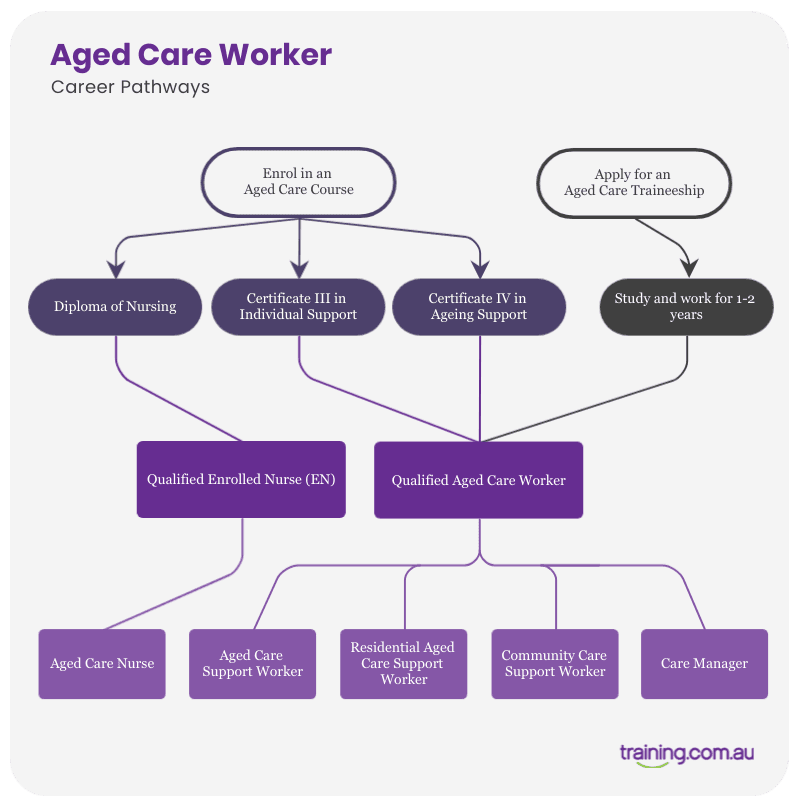
First, get a Certificate III in Individual Support or an equivalent qualification. This certificate is the minimum requirement in many places. It covers basic care skills, safety, and communication. Some roles may require a first aid certificate. Police checks and working with vulnerable people clearances are also important. These documents show you are fit to work with the elderly.
Maintaining Credentials
Certifications do not last forever. You must renew them regularly to stay qualified. Some require refresher courses or updated training. Keep track of expiry dates to avoid gaps in your credentials. Staying current helps you follow new care standards and rules. Employers prefer workers who keep their certifications up to date.
Job Search Strategies
Finding a job as an aged care worker needs a clear plan. Effective job search strategies help you stand out. Focus on creating a strong resume and using the right job portals. Networking also plays a key role in finding the right opportunity. These steps increase your chances of success.
Building A Strong Resume
Start with a clean and simple resume format. Highlight your skills related to aged care work. Include any training, certificates, and experience you have. Use clear bullet points to describe your duties. Show your ability to care for elderly people. Avoid long sentences and complex words. Proofread to remove any errors.
Networking And Job Portals
Connect with people who work in aged care. Join local groups or online communities. Ask for advice and job leads. Use job portals that focus on health and care jobs. Upload your resume and keep it updated. Apply to jobs that match your skills. Follow up with employers after applying. Networking and online tools often lead to more job offers.
Career Advancement Opportunities
A career in aged care offers many chances to grow and improve your skills. You can move into different roles or learn new skills to help more people. Exploring career advancement opportunities keeps your work exciting and rewarding.
Advancing your career also means you can earn more and have better job security. The aged care sector values workers who keep learning and take on new challenges. Here are some ways to advance your career in aged care.
Specializations In Aged Care
Specializing lets you focus on a specific area of aged care. You could work with people who have dementia or support palliative care patients. Other specializations include mental health support and rehabilitation care. Specializing helps you become an expert in one area. It also increases your chances of getting better jobs and pay.
Further Education Paths
Taking more courses can open new doors in your career. You can study to become a registered nurse or a care coordinator. Short courses in first aid, medication management, or aged care support skills also help. Education shows employers you are serious about your work. It gives you new knowledge and confidence to take on bigger roles.
Credit: www.training.com.au
Frequently Asked Questions
What Qualifications Do I Need To Become An Aged Care Worker?
To become an aged care worker, you typically need a certificate III in aged care or equivalent. Some employers may require a police check and first aid certification. Relevant training ensures you understand elderly care needs and safety standards.
How Long Does Training For Aged Care Workers Take?
Training usually takes 6 to 12 months, depending on the course and study mode. Certificate programs combine theory and practical work experience. Completing training helps you gain essential skills to support elderly clients effectively.
What Skills Are Essential For Aged Care Workers?
Key skills include empathy, communication, patience, and physical stamina. Aged care workers must handle personal care, medication support, and emotional assistance. Strong interpersonal skills help build trust and improve client well-being.
Can I Work In Aged Care Without Formal Qualifications?
Some entry-level roles accept on-the-job training, but formal qualifications are preferred. Completing a certificate improves job prospects and allows career growth. Employers value certified workers for their knowledge and professionalism.
Conclusion
Becoming an aged care worker brings many rewards. You help older people live better lives. Training and patience are key to this job. Start by learning basic care skills. Find courses that suit your needs. Gain experience through volunteering or internships.
Stay kind, patient, and ready to listen. Your work will make a real difference. Every small effort counts in aged care. Choose this path if you want to help others daily. It is a job full of heart and meaning.