You’ve just applied wax to your car, and now you’re wondering: how long should you wait before buffing it off? This simple question can make a big difference in how shiny and protected your car looks.
If you rush or wait too long, you might not get the smooth, glossy finish you want. You’ll discover the perfect timing to buff your car wax for the best results. Keep reading to make your car shine like new every time!
Choosing The Right Wax
Choosing the right wax plays a big role in how well your car shines and stays protected. Not all waxes are the same. Some work better on certain car finishes. Knowing the types and ingredients helps you pick the best one. The right wax also affects how long you should let it sit before buffing. Let’s explore the main points to help you decide.
Types Of Car Wax
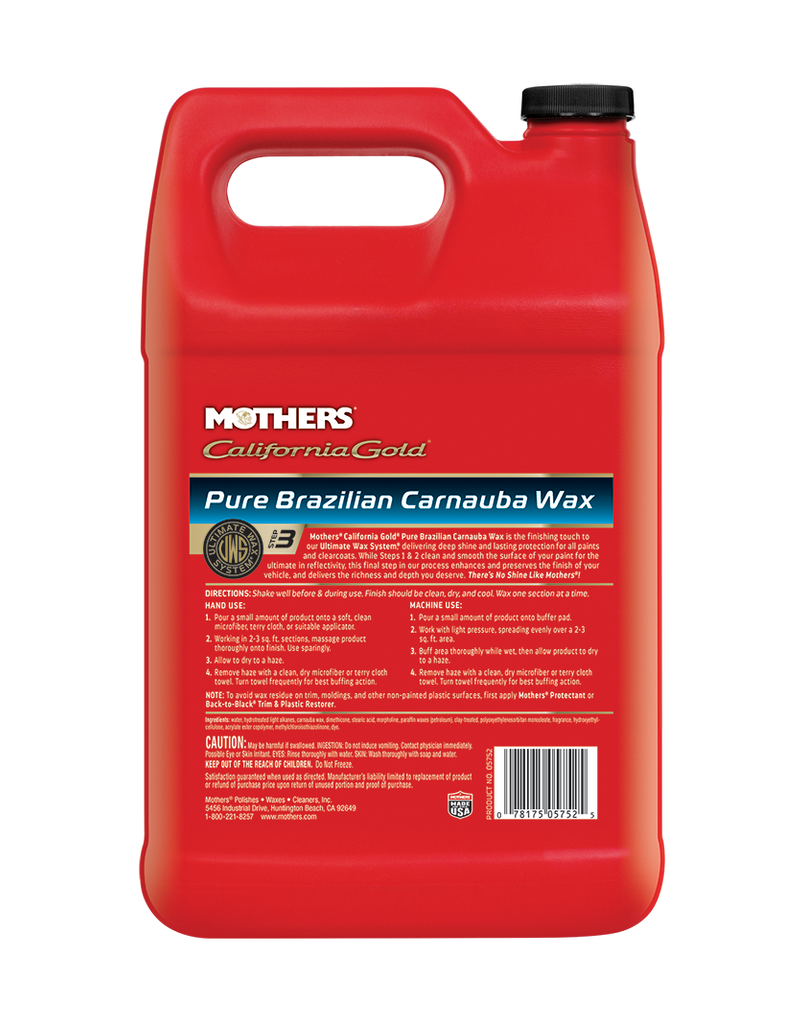
Car wax comes in three main types: natural, synthetic, and hybrid. Natural wax is made from carnauba. It gives a deep shine but wears off faster. Synthetic wax uses man-made ingredients. It lasts longer but may not shine as much. Hybrid wax combines both for balanced results. Pick the type that fits your needs and schedule.
Wax Ingredients And Formulations
Ingredients affect wax performance. Carnauba wax offers a warm, glossy finish. It works best on dark colors. Synthetic waxes use polymers and sealants. They protect well against dirt and rain. Some waxes include fillers to hide small scratches. Check the label to understand what each wax offers.
Selecting Wax For Your Car’s Finish
Different car finishes need different waxes. Clear coats benefit from synthetic wax for long protection. Older paint may do better with natural wax for shine. Matte finishes need special waxes that don’t add gloss. Always pick a wax made for your car’s paint type. This ensures the best look and protection.
Credit: www.yourmechanic.com
Preparing Your Car For Waxing
Preparing your car for waxing is a key step to get the best shine and protection. Proper preparation helps the wax stick well and last longer. Skipping this step can lead to uneven application and poor results.
Cleaning And Drying The Surface
Start by washing your car thoroughly. Use car shampoo and water to remove dirt and dust. Clean all areas including wheels and lower panels. Rinse well to avoid soap residue. Dry the car with a soft towel or microfiber cloth. A dry surface helps the wax spread evenly.
Removing Old Wax And Contaminants
Old wax can block new wax from bonding to the paint. Use a clay bar or wax remover to clear old layers. This also removes contaminants like tar and tree sap. Work gently to avoid scratching the paint. A clean surface means better wax adhesion.
Ideal Conditions For Waxing
Wax your car in a shaded area. Direct sunlight can cause the wax to dry too fast. Choose a cool, dry day for best results. Avoid windy or dusty places to keep the surface clean. Proper conditions help the wax set smoothly and shine brightly.
Applying Wax Correctly
Applying wax correctly is key to getting the best shine and protection for your car. The process is simple but needs care and the right tools. Applying wax the right way helps the wax bond well with the paint. This makes the car look shiny and keeps it safe from dirt and weather. Follow these steps for a smooth wax application.
Tools And Materials Needed
Use a clean microfiber cloth or foam applicator pad. Have a good quality car wax. Keep a separate soft microfiber towel for buffing. Make sure the car is clean and dry before starting. Avoid old or rough cloths that might scratch the paint.
Wax Application Techniques
Apply a small amount of wax on the applicator pad. Spread the wax in thin, even circles on one section of the car. Cover about a two-foot square area at a time. Let the wax dry until it looks hazy or dull. This usually takes 5 to 10 minutes. Then, use the microfiber towel to buff the wax off in gentle circular motions.
Common Mistakes To Avoid
Do not apply wax in direct sunlight or on a hot car. Avoid using too much wax; thick layers take longer to dry. Never let wax dry too long; it becomes hard to buff off. Do not skip buffing, as it removes residue and boosts shine. Avoid dirty or damp cloths, which cause streaks and scratches.
Credit: mothers.com
Timing Before Buffing
Timing is key when waxing a car. Knowing how long to wait before buffing helps achieve a smooth, shiny finish. Buffing too early can smear the wax. Waiting too long makes it hard to remove. This section explains the ideal timing for best results.
How Long Wax Takes To Haze
Most car waxes start to haze within 5 to 15 minutes. This hazing means the wax is drying on the surface. The exact time depends on the wax type and the weather. Paste waxes may take longer than liquid waxes. Watch for a light, dull film forming on the paint.
Factors Affecting Drying Time
Temperature affects how fast wax dries. Warm weather speeds up drying. Cold weather slows it down. Humidity also plays a role. High humidity can delay drying. Thin layers of wax dry faster than thick ones. Apply wax evenly for consistent drying time.
Signs Wax Is Ready To Buff
Look for a light haze or dullness on the wax. The surface feels dry but not sticky. The wax should not wipe off easily with a finger. If the wax smears, it needs more time. Once dry, use a clean microfiber cloth for buffing. Buff gently in circular motions for a shiny finish.
Buffing Tips And Tricks
Buffing wax on your car is a key step to get a shiny, smooth finish. Doing it right helps protect your paint and makes your car look new. Small details in buffing make a big difference. Use the right tools and methods. Handle tough spots carefully to avoid damage.
Choosing The Right Cloth Or Buffer
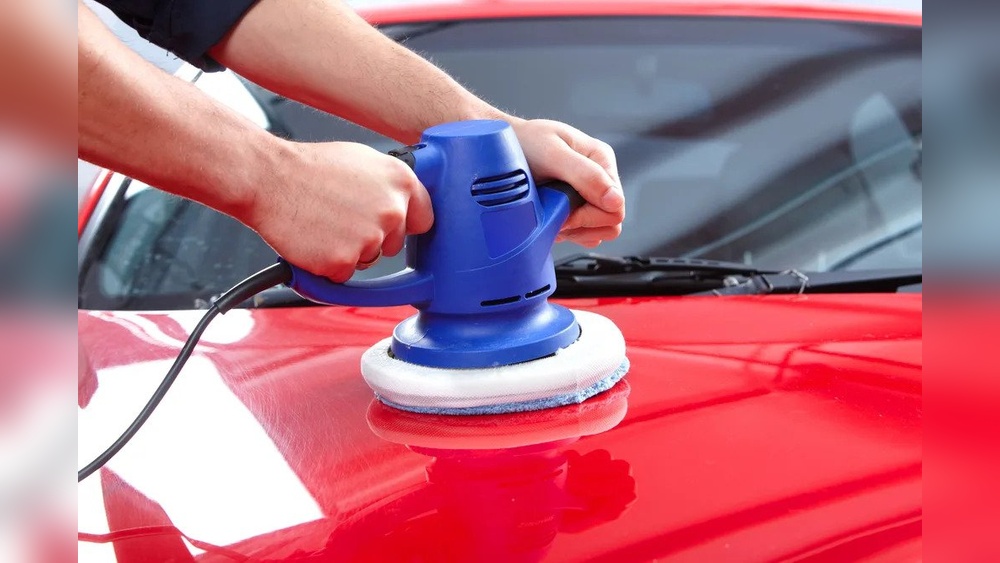
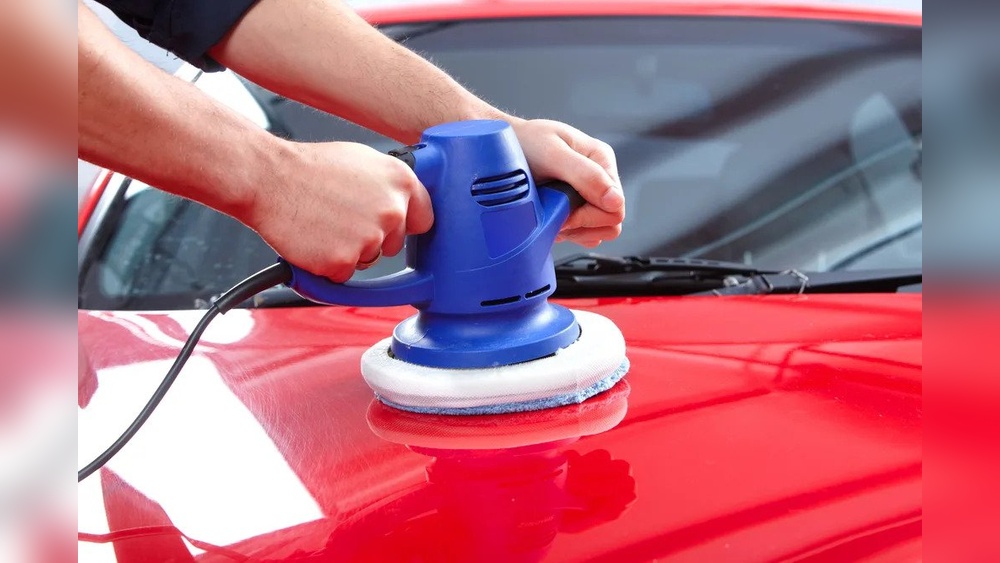
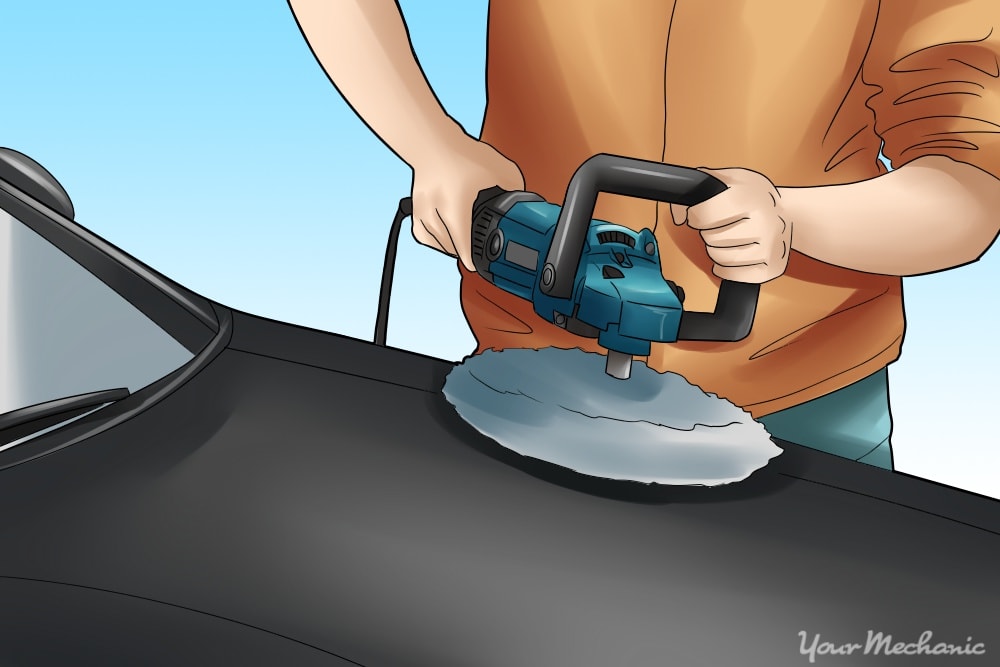
Use a soft microfiber cloth for buffing by hand. It removes wax without scratching the paint. Avoid rough or dirty cloths. For bigger jobs, use a dual-action buffer. It spreads wax evenly and saves time. Check the buffer pad is clean and soft. Replace it if it looks worn out.
Buffing Techniques For A Glossy Finish
Buff in small circles with light pressure. Do not press too hard. Use steady, even strokes to remove haze. Work on one section at a time. Flip the cloth often to avoid spreading wax residue. Buff until the surface feels smooth and shines. This brings out the deep gloss of the wax.
How To Handle Stubborn Spots
Some areas may keep wax residue after buffing. Use a clean corner of your cloth to rub gently. For very tough spots, spray a bit of detailing spray. Wipe carefully to avoid scratching. Avoid scrubbing hard, as it can damage paint. Repeat gently until the spot clears and the shine returns.
Aftercare And Maintenance
After applying and buffing wax on your car, proper aftercare is key. It keeps the shine strong and the paint safe. Good maintenance helps the wax last longer and protects your car from dirt and damage. Simple steps help keep your car looking fresh between waxes.
Taking care of your wax finish does not take much time. A little effort goes a long way for a bright, clean car.
How Often To Wax Your Car
Wax your car every three to four months. This timing keeps the paint protected. Frequent waxing can build up layers. But too much waxing can cause dullness. Adjust based on your car’s exposure to sun and rain.
Protecting Wax Against Weather
Weather affects wax durability. Rain, sun, and snow wear it down. Park your car in shade when possible. Use a car cover during bad weather. Wash your car regularly to remove dirt and salt. Clean surfaces hold wax better.
Quick Touch-ups Between Waxes
Use spray wax for quick shine boosts. These sprays add a light protective layer. Apply after washing or drying the car. They help maintain the wax finish between full wax jobs. Easy to use and save time.

Credit: www.kanatamazda.com
Frequently Asked Questions
How Long Should Car Wax Dry Before Buffing?
Car wax typically needs 5 to 15 minutes to dry. Wait until it forms a hazy or dull film. This indicates it’s ready for buffing, which helps achieve a shiny, protective finish on your car’s surface.
Can Waxing Too Long Harm My Car’s Paint?
Yes, leaving wax too long can make removal difficult. Over-dried wax can harden and become stubborn. This may scratch the paint during buffing. Always follow manufacturer’s recommended drying time for best results.
How Do I Know When Wax Is Ready To Buff?
Wax is ready when it appears matte or hazy. It should not feel sticky or wet. If it wipes off easily with a cloth, it’s ready for buffing to reveal a smooth, glossy finish.
Does Temperature Affect Wax Drying Time On Cars?
Yes, temperature affects wax drying time significantly. Warm weather speeds up drying, while cold slows it down. Avoid waxing in extreme heat or cold for optimal application and drying results.
Conclusion
Letting wax dry just right matters a lot for your car’s shine. Wait until the wax looks dull or hazy before buffing. Too soon, and you won’t get the best protection. Too late, and it becomes hard to remove. Use a soft cloth to buff gently in small circles.
This simple step brings out the wax’s full effect. Keep your car’s surface clean before waxing. Regular waxing keeps your paint safe and bright. A little care goes a long way for a beautiful finish.