
If you’ve noticed squeaking sounds or your car isn’t stopping as smoothly as before, it might be time to replace your brakes and rotors. But how much does it actually cost to get this done?
You probably want to avoid surprises when you take your car in for service. Understanding the real price behind brakes and rotors can help you plan better and make smarter decisions. You’ll discover the key factors that affect the cost and how to get the best value for your money.
Keep reading to find out exactly what to expect and how to avoid overpaying.
Credit: www.ebay.com
Brake System Components
The brake system is vital for vehicle safety. It stops the car quickly and smoothly. Understanding its main parts helps you know the cost of repairs. The key components include brake pads, rotors, and calipers. Each part plays a special role in braking.
Knowing about these parts can help you make smart decisions. It also explains why prices vary for brake and rotor replacements.
Brake Pads
Brake pads press against the rotors to slow the car. They wear down over time and need replacement. Pads come in different materials, like ceramic or semi-metallic. Ceramic pads cost more but last longer and make less noise. Semi-metallic pads are cheaper but wear the rotors faster. The price of brake pads depends on the type and vehicle model.
Rotors
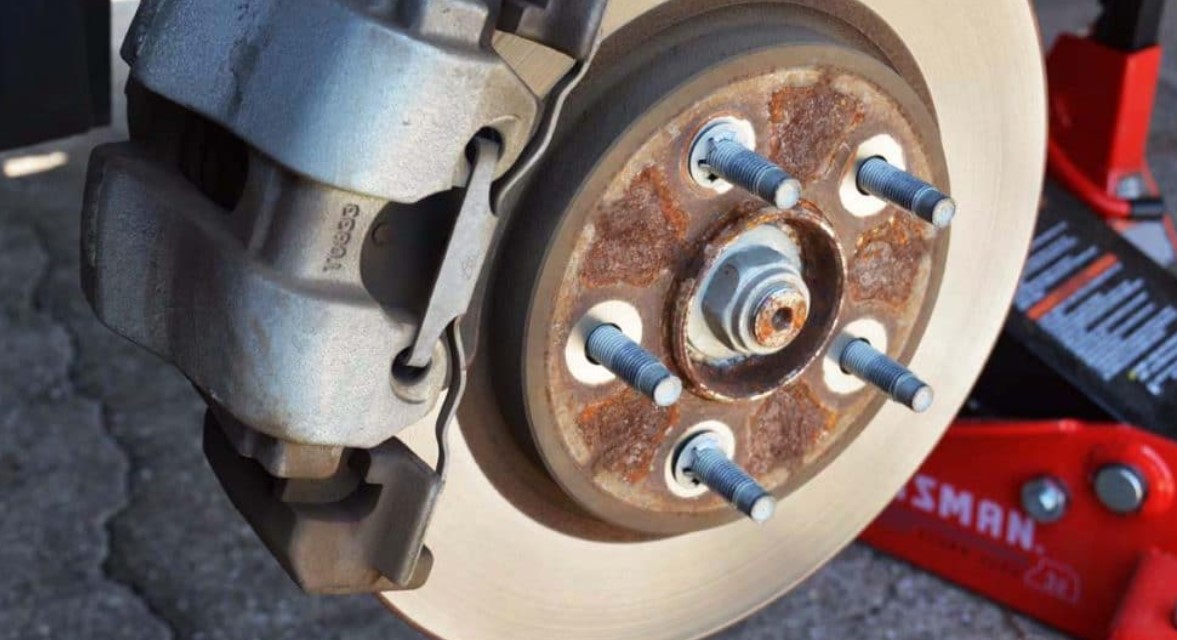
Rotors are metal discs that the brake pads clamp onto. They absorb heat and help stop the wheels. Rotors can get warped or thin after heavy use. Replacing rotors costs more than brake pads. Some rotors are plain, while others are drilled or slotted for better cooling. Upgraded rotors increase the overall brake repair cost.
Calipers And Hardware
Calipers hold the brake pads and push them against the rotors. They use hydraulic pressure to work. Calipers can stick or leak, needing repair or replacement. Brake hardware includes clips, pins, and springs that hold parts in place. Replacing hardware keeps brakes working smoothly. Caliper and hardware costs add to the total brake service price.

Credit: shop.advanceautoparts.com
Factors Influencing Brake Repair Costs
Brake repair costs vary for many reasons. Understanding these factors helps you plan your budget better. Costs depend on parts, labor, and the vehicle type. Each repair job is unique. Knowing what affects the price can save you money.
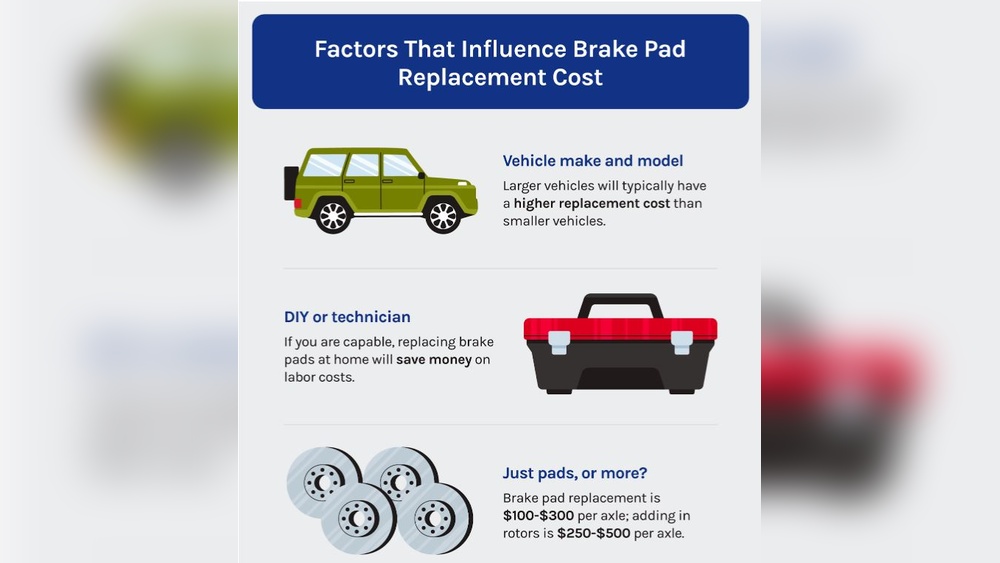
Vehicle Make And Model
Some cars need special brake parts. Luxury or sports cars often have higher costs. Parts for common cars are cheaper and easier to find. Older models may require custom parts, raising the price. Your vehicle’s brand and model affect the overall cost.
Type Of Brake Pads And Rotors
Brake pads and rotors come in different materials. Standard pads are cheaper but wear out faster. Ceramic or performance pads cost more but last longer. Rotors vary from basic to high-performance types. Choosing quality parts affects both price and safety.
Labor Charges
Labor costs depend on the shop’s location and reputation. Experienced mechanics usually charge more. Some repairs take longer, increasing labor fees. Dealerships often have higher labor rates than local shops. Labor is a key part of the total brake repair cost.
Additional Repairs
Brake jobs sometimes reveal other issues. Worn calipers or brake lines add to the cost. Brake fluid replacement may be necessary too. Fixing these problems increases the overall price. Ignoring extra repairs can lead to bigger costs later.
Typical Cost Ranges
Understanding the typical cost ranges for brakes and rotors helps you plan your car maintenance budget. Prices vary by car type, parts quality, and labor costs. Knowing these ranges keeps surprises away and helps you make smart choices.
Brake Pads Replacement Prices
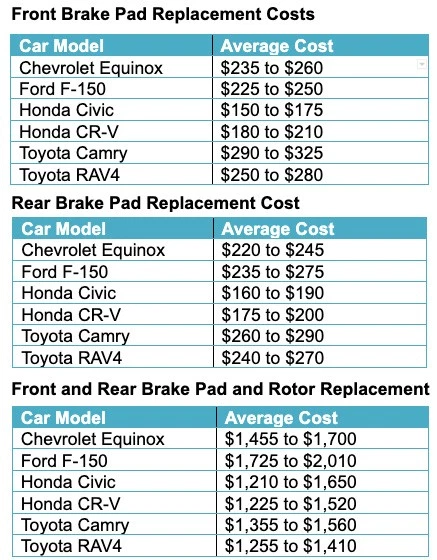
Replacing brake pads usually costs between $100 and $300 per axle. Economy brake pads fall on the lower side of this range. Premium or performance pads push the price toward the higher end. Labor charges often add $70 to $150 to the total cost. Brake pads wear out faster than other parts, so expect to replace them every 30,000 to 70,000 miles.
Rotor Replacement Costs
Rotors typically cost more than brake pads. The price ranges from $200 to $400 per axle. High-quality rotors or specialty types can cost even more. Labor fees can add $100 to $200 depending on the shop. Rotors last longer than pads but may need replacement after 50,000 to 70,000 miles. Warped or damaged rotors reduce braking safety and performance.
Complete Brake Job Estimates
A full brake job includes pads, rotors, and labor. Expect to pay between $300 and $700 per axle. Luxury or performance vehicles may cost $800 or more. This service ensures all parts work well together. It improves safety and driving comfort. A complete brake job is a good investment for long-term car health.
Credit: omegaautocare.com
Diy Vs Professional Service
Choosing between DIY brake replacement and professional service is important. It affects cost, safety, and time. Some car owners prefer saving money by doing the work themselves. Others trust mechanics to ensure quality and safety. Both choices have benefits and risks.
Pros And Cons Of Diy Brake Replacement
Doing brakes and rotors yourself can save money on labor costs. Parts are usually cheaper when bought separately. You learn about your car and feel proud after finishing the job. But, brake work is tricky and needs precision. Mistakes can cause brake failure and accidents. Tools and space are also needed. It takes time and patience, especially for beginners.
When To Choose A Mechanic
Mechanics have experience and the right tools for brake jobs. They can spot hidden problems quickly. Professional service ensures brakes work well and last longer. If you feel unsure or lack tools, a mechanic is safer. Complex brake systems and modern cars need expert care. Time is saved, and you avoid risks with trained help.
Ways To Save On Brake Repairs
Brake repairs can get expensive fast. Knowing ways to save helps keep your car safe without emptying your wallet. Simple steps can lower costs on brakes and rotors. Smart choices protect your car and your budget.
Choosing Quality Parts Wisely
Cheap parts may fail quickly and cost more over time. Pick parts that last longer and work well. Look for trusted brands with good reviews. Quality parts reduce future repairs and save money.
Shop Around For Quotes
Different shops charge different prices for brake work. Getting several quotes helps find the best deal. Don’t settle for the first price. Compare labor and parts costs for real savings.
Regular Maintenance Tips
Keep brakes clean and check pads often. Small fixes stop big problems later. Avoid hard braking and heavy loads. Regular care extends brake life and cuts repair bills.
Signs You Need New Brakes And Rotors
Knowing the signs of worn brakes and rotors helps keep driving safe. Brakes wear down with use and need timely replacement. Rotors also wear or get damaged and affect braking performance. Watch for clear signs that show your brakes or rotors need attention. Catching these early saves money and prevents accidents.
Squealing Or Grinding Noises
Squealing sounds mean brake pads are thin and worn. Grinding noises happen when pads wear out completely. Metal rubbing on metal damages rotors. These sounds warn you to check brakes immediately. Driving with these noises can cause more damage and higher costs.
Vibration While Braking
Feeling vibration or shaking when pressing the brake pedal is a warning. Warped rotors cause uneven contact with brake pads. This leads to vibration in the steering wheel or brake pedal. Vibration means rotors may need resurfacing or replacement. Ignoring this can reduce braking control and safety.
Brake Warning Lights
Brake warning lights on the dashboard indicate a problem. Sensors monitor brake pad thickness and system health. A light means pads are low or there is a system fault. Do not ignore these lights. Have your brakes inspected to avoid failure or accidents.
Frequently Asked Questions
How Much Do Brake Pads And Rotors Cost Together?
The average cost for brake pads and rotors ranges from $250 to $500 per axle. Prices vary by vehicle type, quality, and labor charges. High-performance parts or luxury cars may cost more. Always request a detailed quote before service.
What Factors Affect Brake And Rotor Replacement Cost?
Costs depend on vehicle make, model, part quality, and labor rates. Premium materials and advanced braking systems increase prices. Location and mechanic expertise also influence the final cost. Regular maintenance can help reduce unexpected expenses.
Can I Replace Brake Pads Without Changing Rotors?
Yes, if rotors are in good condition and within thickness limits. However, replacing both ensures optimal braking performance and safety. Mechanics often recommend changing rotors with pads to avoid uneven wear and noise.
How Often Should Brakes And Rotors Be Replaced?
Brake pads usually need replacement every 30,000 to 70,000 miles. Rotors last longer but may require replacement every 50,000 to 70,000 miles or if warped. Driving habits and road conditions can affect lifespan.
Conclusion
Brake and rotor costs vary by car and part quality. Choosing the right parts helps keep your car safe. Regular checks prevent costly repairs later. Shop around for fair prices and trusted shops. Timely brake service keeps you and others safe on roads.
Understanding costs helps you plan your car care budget. Don’t delay fixing brakes when you notice issues. Good brakes mean smooth, safe driving every day.


