When it comes to your vehicle’s safety, understanding your brakes is key. You might wonder, “How many rotors do I need for my front brakes?” This question is more important than it seems because the right number of rotors can affect how well your car stops and how safe you feel behind the wheel.
Whether you’re fixing your brakes yourself or just curious about how they work, knowing the answer will help you make smarter choices. Keep reading to discover everything you need to know about front brake rotors and why they matter for your driving safety.
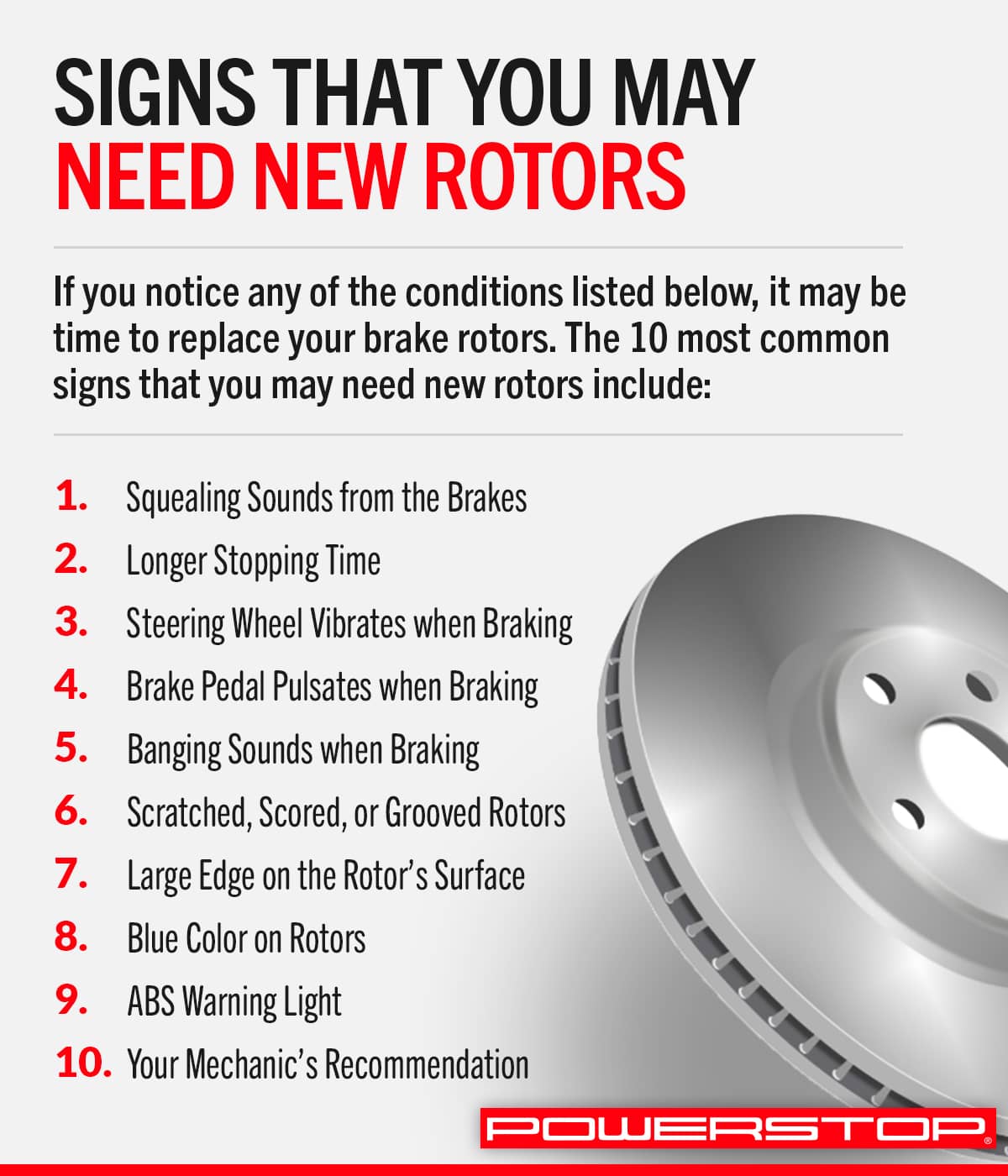
Credit: www.powerstop.com
Basics Of Front Brake Rotors
Understanding front brake rotors is important for safe driving. Rotors work with brake pads to stop your vehicle. Knowing their basics helps you maintain your brakes well.
Rotors are the round discs attached to your wheels. They provide a surface for brake pads to press against. This action slows down or stops the car.
Role Of Rotors In Braking
Rotors turn with the wheels. When you press the brake pedal, brake pads clamp onto the rotors. This creates friction that slows the wheels. The harder the pads press, the faster the car stops.
Rotors also help spread heat away. Braking creates a lot of heat from friction. Good rotors cool down quickly to avoid damage. If rotors get too hot, braking becomes less effective.
Types Of Brake Rotors
There are several types of rotors. Solid rotors are simple, flat discs. They work well for everyday driving.
Vented rotors have air channels inside. These channels help cool the rotor faster. They are better for heavier cars or tough driving.
Slotted rotors have grooves on the surface. Slots help remove dirt and water. They also improve braking in wet conditions.
Drilled rotors have holes drilled through them. These holes help cool the rotor and reduce brake fade. They are common in sports cars.

Credit: www.youtube.com
Factors Influencing Rotor Quantity
The number of rotors needed for front brakes depends on several key factors. Understanding these can help you choose the right brake parts. Each factor plays a role in how your vehicle stops and handles.
These factors affect the quantity and type of rotors used in the front brakes. Knowing them prevents mistakes and ensures safety on the road.
Vehicle Make And Model
Different vehicles come with different brake setups. Some cars use one rotor per front wheel, while others may have unique designs. The size and weight of your vehicle affect the rotor size and number. Always check the specifications for your car’s make and model.
Driving Conditions
Driving style and environment impact rotor needs. City driving with frequent stops requires strong rotors. Off-road or mountainous driving demands durable, often larger rotors. High-speed driving needs rotors that cool quickly to avoid brake fade.
Brake System Design
Brake systems vary by design and technology. Some use disc brakes with one rotor on each front wheel. Others might combine disc and drum brakes, changing rotor requirements. Advanced systems like ABS or electronic brakes also influence rotor choice.
Single Vs Dual Rotor Setups
Choosing between single and dual rotor setups for front brakes affects vehicle performance. Each setup offers unique benefits suited for different needs. Understanding these helps pick the right braking system for your vehicle.
Advantages Of Single Rotors
Single rotors are simpler and lighter. They reduce overall vehicle weight. This helps improve fuel efficiency and handling. Single rotors cost less to buy and maintain. They fit most standard passenger cars well. Their braking power is enough for daily driving. Less complexity means fewer parts to wear out.
When Dual Rotors Are Needed
Dual rotors provide stronger braking force. They spread heat better, preventing brake fade. This setup suits heavy vehicles and performance cars. Dual rotors improve stopping power at high speeds. They are common in trucks and SUVs. Dual rotors help in tough driving conditions. They offer better control during hard braking.
.jpg)
Credit: www.cbac.com
Signs You Need Rotor Replacement
Rotors are a key part of your vehicle’s braking system. Over time, they wear out and need replacement. Knowing the signs helps keep your brakes working well. Watch for clear signals from your car and the rotors themselves. Acting early can prevent bigger problems and keep driving safe.
Wear And Tear Indicators
Check rotors for grooves or deep scratches. These marks show the rotor surface is worn down. Look for rust spots or discoloration on the rotor. Warped rotors may have uneven surfaces or cracks. Measure rotor thickness if possible. Thin rotors lose strength and stop working well.
Performance Symptoms
Feel for vibration when braking. This can mean rotors are warped or damaged. Listen for squealing or grinding sounds during stops. These noises often come from worn rotors or pads. Notice if braking distance increases. Longer stopping distances signal rotor problems. A pulsing brake pedal also means rotor issues.
Choosing The Right Rotors
Choosing the right rotors for your front brakes affects safety and performance. Rotors come in different types and sizes. Picking the right one ensures smooth braking and longer part life.
Consider factors like material and size. These affect how well the brakes work and how long they last. Understanding these points helps you make the best choice for your vehicle.
Material Considerations
Rotors are made from various materials. The most common are cast iron, steel, and composite blends. Cast iron is affordable and handles heat well. Steel rotors are stronger but may cost more. Composite rotors combine materials for better cooling and less weight.
Material choice affects heat dissipation and wear resistance. Better materials reduce brake fade and extend rotor life. Think about your driving style and conditions. Choose a material that fits your needs and budget.
Compatibility And Size
Rotors must fit your vehicle’s make and model. Size matters for proper brake function. Using the wrong size can cause poor braking or damage. Check your vehicle manual or ask a trusted mechanic.
Match rotor thickness and diameter to your car’s specifications. Also, ensure the rotor matches the caliper and wheel design. Proper fit improves safety and driving comfort. Always use rotors designed for your front brakes.
Installation Tips And Best Practices
Installing front brake rotors requires care and attention. Follow the right steps to ensure safety and performance. Proper installation helps your brakes work well and last longer.
Proper Tools And Equipment
Use the correct tools for brake rotor installation. A lug wrench, jack, and socket set are essential. A torque wrench ensures bolts are tightened correctly. Brake cleaner removes dirt and grease from rotors. A C-clamp helps compress brake calipers safely. Having all tools ready saves time and avoids mistakes.
Safety Precautions
Always park your vehicle on a flat surface. Use wheel chocks to prevent rolling. Wear safety glasses to protect your eyes. Gloves protect your hands from sharp parts and chemicals. Never work on hot brakes; let them cool first. Double-check the car is securely lifted before starting. Safety keeps the job smooth and injury-free.
Maintenance To Extend Rotor Life
Maintaining your front brake rotors is key to keeping them in good shape. Proper care helps avoid frequent replacements. It also ensures safe braking and smooth driving.
Regular Inspections
Check your rotors often for signs of wear or damage. Look for grooves, cracks, or rust on the surface. Uneven rotor wear can cause brake noise or vibration. Early detection helps fix issues before they get worse. Inspect brake pads too, as worn pads harm rotors quickly.
Cleaning And Care
Keep rotors clean to prevent dirt build-up. Use a brake cleaner spray and a soft brush to remove dust and grime. Avoid harsh chemicals that can damage rotor surfaces. Make sure to dry rotors before driving. Clean rotors help brakes work better and last longer.
Frequently Asked Questions
How Many Rotors Are Needed For Front Brakes?
Typically, you need two rotors for front brakes—one per wheel. Each rotor works with a brake caliper to stop the wheel effectively.
Can Front Brakes Work With One Rotor Only?
No, front brakes require two rotors for balanced braking. Using one rotor can cause uneven wear and unsafe braking performance.
Do Front And Rear Brakes Need The Same Rotor Size?
No, front rotors are often larger than rear ones for better heat dissipation. This difference improves front braking efficiency and safety.
How Often Should Front Brake Rotors Be Replaced?
Front rotors usually last 30,000 to 70,000 miles. Replace them when warped, scored, or below the minimum thickness specified by the manufacturer.
Conclusion
Most vehicles need two rotors for front brakes—one per wheel. This setup helps your car stop safely and evenly. Using the right number of rotors keeps your brakes working well. It also prevents wear and tear on other parts. Always check your vehicle’s manual for exact information.
Proper brake care means safer driving every day. Simple steps, big difference. Choose the right parts, and your brakes will last longer. Safety first, always.