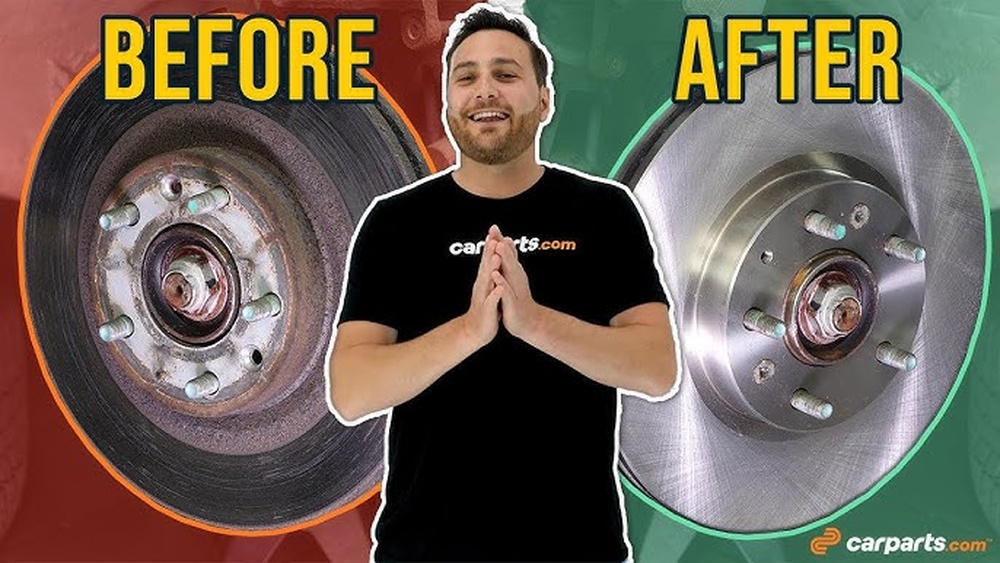
Your brakes and rotors are some of the most important parts of your car. They keep you safe every time you hit the road.
But how do you know when it’s time to replace them? Waiting too long can put you at risk, while changing them too early might cost you more than necessary. You’ll discover clear signs and simple tips to help you decide exactly when to replace your brakes and rotors.
Keep reading to protect yourself and save money on car repairs.
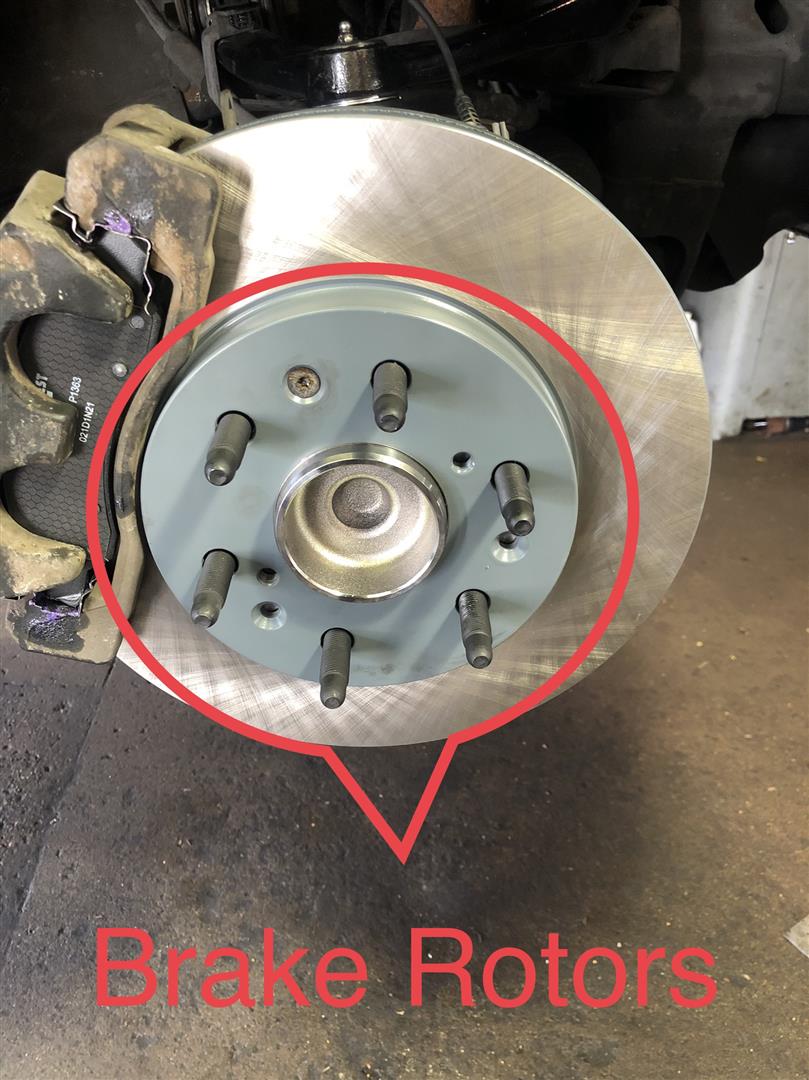
Credit: www.ricksautoservice.org
Signs Of Worn Brakes
Worn brakes show clear signs. Noticing these signs early keeps you safe. It helps avoid costly repairs. Knowing what to watch for is key. The following signs point to worn brakes.
Squeaking And Grinding Noises
Squeaking sounds occur when brake pads wear thin. This noise warns you to check brakes soon. Grinding noises mean metal parts touch. It signals severe wear and urgent brake replacement.
Reduced Braking Performance
Brakes feel less powerful during stops. You may need more distance to halt. This drop in performance shows worn pads or rotors. It is dangerous and needs prompt attention.
Vibrations And Pulsations
Shaking or pulsing in the brake pedal is common. It often happens when rotors are warped. These vibrations reduce control and comfort. Fixing this issue improves safety and driving feel.
Brake Pad Replacement Frequency
Brake pads are a key part of your car’s braking system. They press against the rotors to stop the vehicle. Over time, brake pads wear down and need replacement. Knowing how often to change them helps keep your car safe. It also avoids costly repairs later.
The frequency of brake pad replacement depends on several factors. This section explains the average lifespan of brake pads, what affects their wear, and the types of brake pads available.
Average Lifespan Of Brake Pads
Most brake pads last between 30,000 and 70,000 miles. Some wear out sooner, depending on driving habits and conditions. Checking them every 10,000 miles helps catch wear early. Many car makers suggest inspecting brake pads at every oil change.
Factors Affecting Brake Pad Wear
Heavy braking and stop-and-go traffic wear pads faster. Driving in hilly or mountainous areas also causes quicker wear. Using the brakes hard and often heats the pads and rotors. This heat breaks down the brake material faster. Weather conditions, like rain or snow, can also affect pad life.
Types Of Brake Pads And Durability
Semi-metallic pads are durable and work well in hot conditions. They last longer but can be noisier. Ceramic pads are quieter and produce less dust. They may wear out slower on smooth roads. Organic pads are softer and quieter but wear out faster. Choosing the right pad depends on your driving style and needs.
Rotor Replacement Timing
Knowing the right time to replace your rotors helps keep your car safe. Rotors wear out with use and must be checked often. Replacing them too late can harm braking performance. Early replacement may not be needed and can cost extra. Understanding rotor replacement timing saves money and stress.
When Rotors Need Replacement
Rotors need replacement if they are too thin or cracked. Your mechanic measures rotor thickness to check safety. If below the limit, replace them immediately. Deep grooves or warping also mean replacement time. Worn rotors reduce braking power and increase risk.
Rotor Resurfacing Vs. Replacement
Resurfacing removes small imperfections to smooth rotor surface. It can extend rotor life if damage is minor. Replace rotors if too thin or severely damaged. Resurfacing costs less but is not always possible. Choose replacement for better braking and safety.
Signs Of Rotor Damage
Feel vibrations or pulsing when braking? Rotors may be warped. Listen for squealing or grinding noises. These sounds often show rotor wear. Visual cracks or rust spots signal rotor problems. Notice longer stopping distances? Check rotors right away.

Credit: www.reddit.com
Maintenance Tips For Brakes And Rotors
Brakes and rotors play a vital role in vehicle safety. Proper care helps them last longer and work better. Follow these maintenance tips to keep your braking system in top shape. Small efforts can prevent costly repairs and keep you safe on the road.
Regular Inspections
Check brakes and rotors often for wear and damage. Look for thin brake pads or deep grooves on rotors. Listen for unusual noises like squeaking or grinding. Early detection stops problems from getting worse. Regular inspections keep your brakes reliable.
Driving Habits That Extend Brake Life
Drive gently to reduce brake wear. Avoid sudden stops and hard braking. Use engine braking on downhill roads. Keep a safe distance to brake smoothly. Good driving habits save your brakes and rotors from quick damage.
Professional Brake Service
Have a mechanic inspect brakes regularly. They can measure pad thickness and rotor condition. Professionals spot hidden issues and fix them properly. Routine brake service ensures safety and extends part life.
Costs And Considerations
Brake and rotor replacements come with costs that vary by car type and part quality. Knowing these costs helps plan your budget better. Consider how often you drive and road conditions too. These factors affect how fast your brakes wear out.
Choosing the right parts matters. Cheaper parts may save money now but wear out fast. Quality parts last longer and keep you safer. Let’s look at typical costs and what to think about when replacing brakes and rotors.
Brake Pad Replacement Costs
Brake pads usually cost between $100 and $300 for parts and labor. Prices change by car make and model. Some luxury cars have higher costs. Basic brake pads are cheaper but wear faster. Premium pads last longer but cost more. Replacing brake pads early can save money on rotor damage.
Rotor Replacement Costs
Rotors cost more than brake pads. Expect to pay $200 to $400 for both parts and labor. Some rotors can be resurfaced instead of replaced. Resurfacing costs less but works only if rotors are not too thin or damaged. New rotors improve braking performance and safety.
Choosing Quality Parts
Quality matters for brake pads and rotors. OEM (Original Equipment Manufacturer) parts fit well and last long. Aftermarket parts vary in quality. Read reviews and check warranties before buying. Good parts mean safer drives and fewer repairs. Always balance cost with quality for the best results.
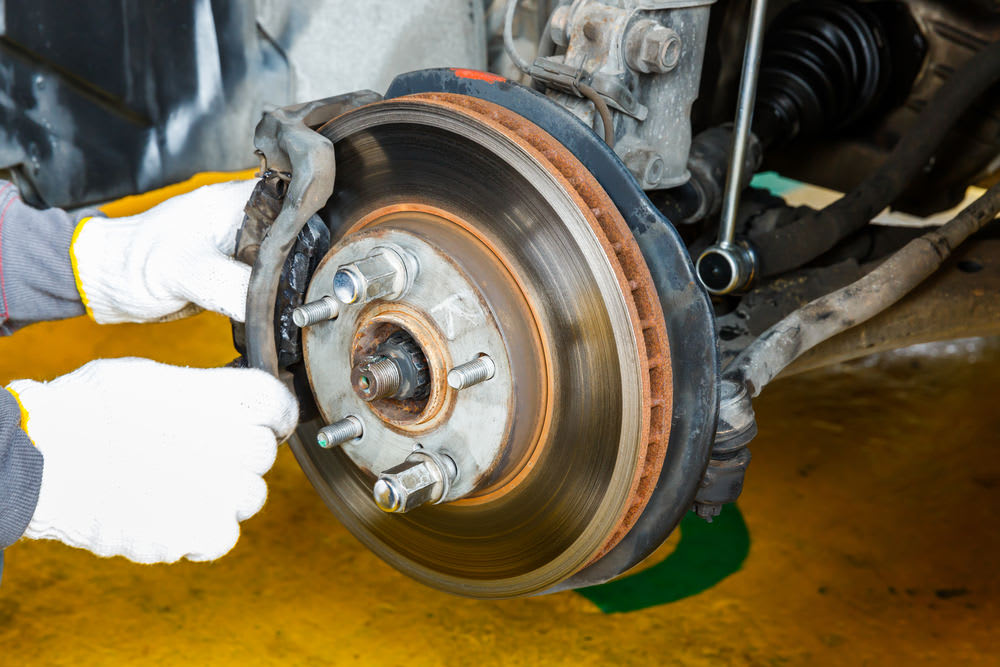
Credit: www.yourmechanic.com
Frequently Asked Questions
How Often Should Brake Pads Be Replaced?
Brake pads typically need replacement every 30,000 to 70,000 miles. This varies by driving habits and vehicle type. Regular inspections help detect wear early and ensure safety.
When Do Rotors Require Replacement?
Rotors should be replaced if they are warped, cracked, or below minimum thickness. Usually, rotors last about 50,000 to 70,000 miles but vary by use and maintenance.
Can Worn Rotors Damage Brake Pads?
Yes, worn rotors can cause uneven brake pad wear and reduce braking efficiency. Timely rotor replacement prevents further damage and maintains smooth braking performance.
What Signs Indicate Brake And Rotor Replacement?
Common signs include squealing noises, vibrations, reduced braking power, and longer stopping distances. These symptoms suggest it’s time to inspect and possibly replace brakes and rotors.
Conclusion
Brakes and rotors wear out over time and need regular checks. Usually, brake pads last 30,000 to 70,000 miles, but this varies. Rotors often last longer but may need replacement if warped or thin. Pay attention to sounds, vibrations, or poor braking.
Regular maintenance keeps you safe on the road. Don’t wait for a problem to fix your brakes. Stay alert and replace parts as needed. Safety always comes first.