Brake dust on your rotors can be more than just an eyesore—it can affect your car’s performance and safety. If you’ve noticed that grimy, dark layer building up after every drive, you might be wondering how to get it off quickly and effectively.
You don’t need expensive tools or professional help to keep your rotors clean and working smoothly. You’ll discover simple, step-by-step methods to remove brake dust and keep your brakes in top shape. Stick with me, and by the end, you’ll feel confident tackling this task yourself—saving time, money, and stress.
Ready to bring back that clean, fresh look to your wheels? Let’s dive in.
Why Brake Dust Builds Up
Brake dust is a common problem for many car owners. It builds up on brake rotors and wheels, making them look dirty. Understanding why brake dust forms helps to manage it better.
Brake dust comes from the brake pads and rotors rubbing together. This friction creates tiny particles. These particles stick to the rotor surface and wheels. Over time, the dust collects and becomes visible.
What Causes Brake Dust To Form?
Brake dust forms during braking. The brake pads press against the rotors to stop the car. This contact wears down the pads and rotors. Small bits break off and float in the air. These bits fall back onto the rotor and wheels.
Types Of Brake Pads Affect Dust Levels
Different brake pads produce different amounts of dust. Organic pads create more dust but are softer. Ceramic pads make less dust and last longer. Semi-metallic pads fall in between. The pad material affects dust buildup speed and amount.
Driving Style Impacts Dust Accumulation
Hard or frequent braking causes more dust. City driving with stop-and-go traffic increases dust. Gentle braking reduces dust production. Long downhill drives may create more dust from constant braking.
Environmental Factors Play A Role
Dust and dirt in the air add to buildup. Wet weather can mix dust with water and make it stick. Dry and dusty roads increase dust accumulation. Cleaning rotors often helps reduce buildup caused by the environment.

Credit: wd40.com.au
Tools You’ll Need
Cleaning brake dust off rotors requires some basic tools. These tools make the job easier and safer. Using the right tools also protects your rotors from damage. Prepare everything before starting for smooth work.
Brake Cleaner Spray
This spray removes brake dust and grime quickly. It evaporates fast and leaves no residue. Use it to clean the rotor surface effectively.
Soft-bristle Brush
A soft brush helps scrub off stuck dust gently. It reaches into small grooves and corners. Avoid hard brushes to prevent scratching the rotor.
Microfiber Cloth
Use a microfiber cloth to wipe the rotor clean. It traps dust and dirt without scratching. This cloth also helps dry the rotor after cleaning.
Protective Gloves
Wear gloves to protect your skin from chemicals. Gloves keep your hands clean and safe during work. Choose gloves that fit well and resist tears.
Jack And Jack Stands
Lift the vehicle safely to access the rotors. Jack stands hold the vehicle steady while you work. Never rely on the jack alone for support.
Safety Measures Before Cleaning
Before cleaning brake dust off rotors, wear gloves and eye protection for safety. Make sure the car is cool and parked on a flat surface. Keep the area well-ventilated to avoid breathing in dust.
Wear Protective Gear
Brake dust contains tiny metal and chemical particles. These can irritate your skin and lungs. Always wear gloves to protect your hands. Use a dust mask to avoid breathing in particles. Safety goggles shield your eyes from dust and debris.
Work In A Well-ventilated Area
Brake dust can be harmful if inhaled in large amounts. Clean your rotors outside or in a space with good airflow. Fresh air helps reduce dust concentration. Avoid cleaning in enclosed spaces to stay safe.
Ensure The Vehicle Is Secure
Before cleaning, park your car on a flat surface. Apply the parking brake to stop it from moving. Use wheel chocks to block the wheels. Never work under a car supported only by a jack.
Allow Rotors To Cool Down
Rotors can get very hot after driving. Wait at least 30 minutes before cleaning. Touching hot rotors can cause burns. Cold rotors let you clean safely and better remove dust.
Credit: www.buybrakes.com
Step-by-step Cleaning Process
Cleaning brake dust off rotors is important for safe driving and better brake performance. A clear process helps you do the job right. Follow these steps carefully to clean your rotors effectively.
Removing The Wheel
Start by loosening the lug nuts with a wrench. Then, lift the vehicle using a jack. Remove the wheel carefully and set it aside. This gives you full access to the brake rotor.
Applying Brake Cleaner
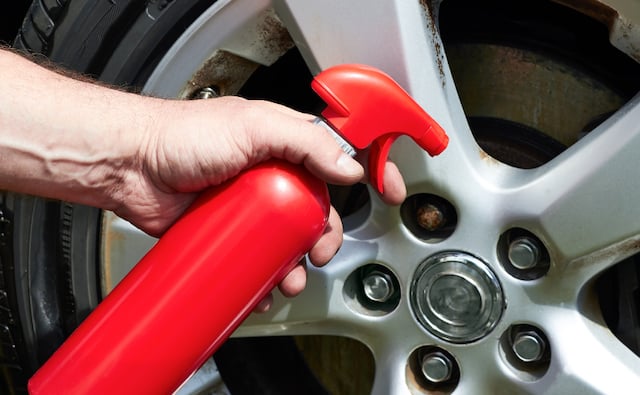
Spray brake cleaner directly onto the rotor surface. Use enough to cover the dusty areas. Brake cleaner dissolves brake dust and grease quickly. Avoid touching the rotor while spraying to keep it clean.
Scrubbing The Rotor
Use a soft brush or cloth to scrub the rotor gently. Focus on areas with heavy brake dust buildup. Do not use hard brushes to avoid scratching the rotor surface. Continue scrubbing until the rotor looks clean.
Rinsing And Drying
Rinse the rotor with clean water to remove cleaner and dirt. Use a cloth to dry the rotor completely. Make sure no moisture remains to avoid rust. Reinstall the wheel once the rotor is dry and clean.
Alternative Cleaning Methods
Brake dust can build up on rotors and affect braking performance. Besides commercial cleaners, some alternative methods work well. These methods use common household items or simple tools. They help remove brake dust without harsh chemicals. Here are two effective ways to clean brake dust off rotors.
Using Vinegar And Baking Soda
Vinegar and baking soda create a natural cleaning solution. Mix equal parts vinegar and water in a spray bottle. Spray the mixture on the rotor surface. Let it sit for a few minutes to break down grime. Sprinkle baking soda on the rotor next. The baking soda reacts with vinegar and helps lift dirt. Use a soft brush or cloth to scrub gently. Rinse the rotor with clean water to remove residue. This method is gentle and eco-friendly.
Using Sandpaper Or Steel Wool
Sanding the rotor surface can remove stubborn brake dust. Use fine-grit sandpaper or steel wool for this task. Rub the rotor gently in a circular motion. This removes rust and brake dust layers. Avoid aggressive sanding to prevent damage. Clean the rotor with a dry cloth afterward. This method suits rotors with tough grime buildup. Always wear gloves and safety glasses for protection.

Credit: www.reddit.com
Preventing Brake Dust Buildup
Brake dust buildup on rotors can reduce braking efficiency and damage parts. Preventing this buildup saves time and money on repairs. It also keeps your wheels cleaner and your brakes working well for longer. Simple steps help reduce brake dust and keep your rotors in good shape.
Regular Maintenance
Check your brakes often for dust and dirt. Clean the rotors and pads with a soft brush or cloth. Avoid using harsh chemicals that may harm the parts. Regular cleaning stops dust from sticking and builds up over time. Keep your brake system in top condition with routine checks.
Quality Brake Pads
Choose brake pads made from low-dust materials. Ceramic pads produce less dust than metallic ones. They also wear down more slowly, causing less buildup. Good quality pads improve braking and reduce dust on rotors. Replace worn pads quickly to prevent more dust and damage.
Protective Coatings
Apply special coatings on your rotors to protect them. These coatings make it harder for dust to stick. They also help prevent rust and corrosion. Coatings extend the life of your rotors and keep them cleaner. Use a coating suitable for your brake type for best results.
Common Mistakes To Avoid
Cleaning brake dust off rotors is important for safe driving and good performance. Many people make mistakes that can damage the rotors or reduce brake efficiency. Avoiding these errors helps keep your brakes working well and lasting longer.
Using Harsh Chemicals
Some cleaners can harm rotor surfaces. Avoid acids or strong solvents. Use brake cleaner sprays made for this purpose. These remove dust without damaging metal.
Scrubbing With Abrasive Tools
Hard brushes or steel wool can scratch rotors. Use a soft cloth or a non-abrasive brush. Gentle cleaning protects the rotor’s smooth surface.
Ignoring Safety Precautions
Brake dust may contain harmful particles. Wear gloves and a mask during cleaning. Work in a well-ventilated area to avoid breathing dust.
Not Removing Wheels
Cleaning rotors without taking off the wheels is hard. It limits access and may leave dirt behind. Removing wheels allows thorough cleaning.
Using Water Excessively
Too much water can cause rust on rotors. Avoid soaking rotors with water. Use brake cleaner and wipe dry immediately.
Frequently Asked Questions
How Do You Safely Clean Brake Dust Off Rotors?
Use a brake cleaner spray and a soft brush. Avoid harsh chemicals or abrasive tools to prevent rotor damage. Always wear gloves and eye protection while cleaning.
What Tools Are Best For Removing Brake Dust?
A dedicated brake cleaner, microfiber cloth, and soft-bristled brush work best. These tools effectively remove dust without scratching the rotor surface.
Can Water Alone Clean Brake Dust From Rotors?
Water alone is not effective. Brake dust is greasy and sticky, so use a brake cleaner for thorough removal. Follow with a dry cloth to prevent rust.
How Often Should Brake Rotors Be Cleaned?
Clean brake rotors every 10,000 to 15,000 miles or during brake pad replacement. Regular cleaning maintains braking efficiency and prolongs rotor life.
Conclusion
Cleaning brake dust off rotors keeps your brakes working well. Use gentle cleaners and soft brushes to avoid damage. Regular cleaning stops dust build-up and helps your car last longer. Take safety steps, like wearing gloves and working in a safe place.
Clean rotors mean better stopping power and safer driving. Keep this simple routine to protect your brakes every time. Your car will thank you with smoother rides and less noise. A little care goes a long way.