Your brakes are one of the most important parts of your car. But do you know how often you should change your brake rotors?
Ignoring this can cost you more than just money—it can put your safety at risk. You’ll discover the key signs that tell you when it’s time for new rotors. Keep reading to protect yourself and keep your car running smoothly.
Credit: www.reddit.com
Signs Of Worn Brake Rotors
Brake rotors wear out over time and affect your car’s safety. Recognizing worn brake rotors early can prevent accidents. Several signs show when it is time to change them. These signs are easy to spot with a little attention.
Visible Damage And Warping
Check your rotors for cracks or deep grooves. These marks mean the rotor is damaged. Warping happens when rotors get too hot and bend. Warped rotors cause uneven contact with brake pads. This reduces braking power and can be dangerous.
Unusual Noises
Squealing or grinding sounds while braking are warning signs. Squealing means the brake pads or rotors are worn. Grinding noise often means metal is rubbing on metal. This sound means the rotor surface is damaged. Do not ignore these noises. They tell you to inspect the brake system.
Vibration And Pulsation
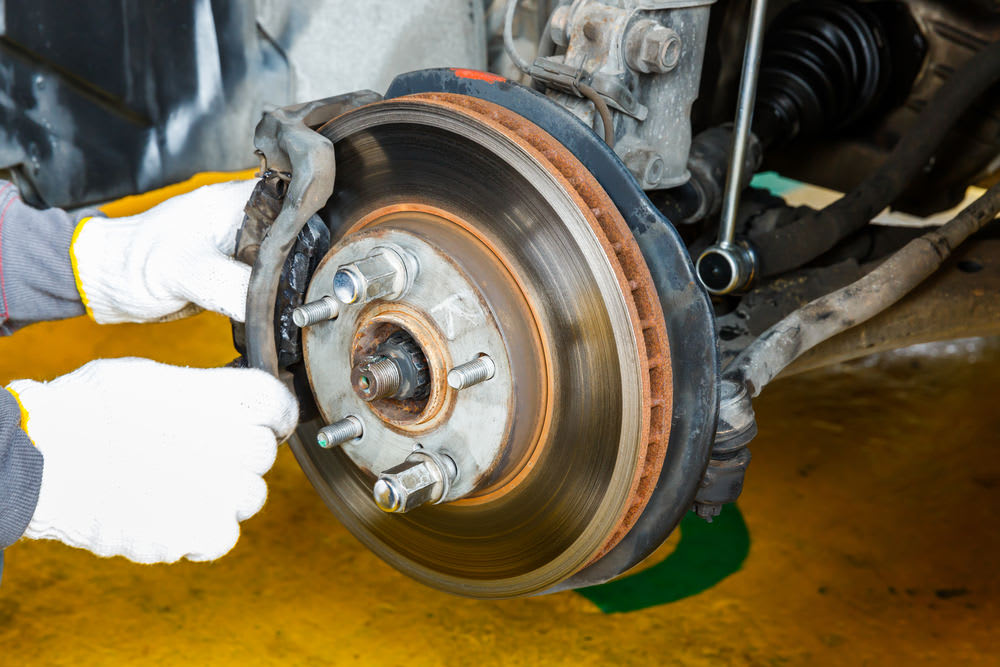
If the brake pedal or steering wheel shakes while braking, the rotors might be warped. Pulsation means the rotor surface is uneven. This unevenness causes brakes to grip irregularly. Vibrations reduce driving comfort and brake control. Feeling these signs means the rotors need checking.
Credit: www.yourmechanic.com
Factors Affecting Rotor Lifespan
Brake rotors do not wear out at the same rate for every vehicle. Several factors affect how long rotors last. Understanding these factors helps you know when to replace them. Knowing what affects rotor lifespan keeps your brakes safe and effective.
Driving Habits
How you drive changes how fast rotors wear down. Hard braking wears rotors faster than smooth stops. Frequent stop-and-go driving also adds more stress. Long downhill driving with heavy braking heats rotors. Heat can cause warping or cracks. Gentle and steady braking helps rotors last longer.
Climate And Road Conditions
Weather affects rotor lifespan. Wet or salty roads cause rust on rotors. Rust makes rotors weaker and wears them faster. Hot climates can cause rotors to overheat more. Cold weather can make metal brittle. Rough or gravel roads create more dust and dirt. Dirt can speed up rotor wear. Clean, dry roads help rotors stay in good shape.
Rotor Material And Quality
Rotors come in different materials and qualities. High-quality rotors last longer and resist wear better. Cheap rotors wear out quickly and may crack. Some rotors have coatings to protect against rust. Cast iron rotors are common but can rust easily. Composite or coated rotors resist heat and corrosion better. Choose rotor material based on your driving and climate needs.
Recommended Replacement Intervals
Knowing the right time to change brake rotors helps keep your car safe. Rotors wear down from use, heat, and road conditions. Following recommended replacement intervals prevents brake failure and expensive repairs. Pay attention to guidelines and regular checks for best results.
Manufacturer Guidelines
Car makers give specific advice on rotor replacement. These guidelines consider the rotor type and car model. Check the owner’s manual or official website for details. Following these tips ensures your brakes work as designed. Stick to the manufacturer’s schedule for safety and performance.
Mileage-based Recommendations
Brake rotors often need changing between 30,000 and 70,000 miles. This range depends on driving habits and conditions. Heavy braking or rough roads may shorten rotor life. Track your mileage to plan rotor replacement. Regular updates help avoid sudden brake problems.
Inspection Frequency
Inspect rotors every 10,000 to 15,000 miles or twice a year. Look for grooves, cracks, or uneven wear on the surface. Listen for brake noise, which may signal rotor issues. Frequent checks catch problems early, saving money and keeping you safe. A simple inspection can prevent serious brake failures.
Risks Of Delaying Rotor Replacement
Delaying the replacement of brake rotors can cause serious problems. Rotors wear down over time and lose their ability to work properly. Ignoring worn rotors puts your car and safety at risk. Understanding these risks can help you decide when to replace them.
Reduced Braking Efficiency
Worn rotors make it harder for brakes to stop the car quickly. The brake pads cannot grip the rotor surface well. This leads to longer stopping distances. You may feel vibrations or hear noises when braking. These signs show reduced braking power.
Increased Repair Costs
Delaying rotor replacement can cause other parts to wear out. Brake pads wear faster on damaged rotors. This means you must replace pads more often. Severe rotor damage may need full brake system repairs. Fixing more parts costs much more money.
Safety Hazards
Bad rotors affect your control over the vehicle. Sudden brake failure can happen in emergency stops. This increases the chance of accidents. Driving with worn rotors is dangerous for you and others. Regular checks and timely replacement keep you safe.
Diy Vs Professional Replacement
Changing brake rotors is a task that some car owners handle themselves. Others prefer to hire a professional mechanic. Both choices have pros and cons. Understanding the differences helps you decide the best approach for your situation.
Tools And Skills Needed
Replacing brake rotors needs special tools. You need a jack, lug wrench, and socket set. Also, a torque wrench is important to tighten bolts correctly. Skills like safely lifting the car and removing wheels are essential. Knowing how to handle brake parts is helpful too. Mistakes can cause brake failure or damage.
Cost Comparison
Doing it yourself saves money on labor costs. Parts usually cost the same for DIY or professional jobs. Professionals charge for time and expertise. DIY costs include buying or renting tools. Also, you might spend more if mistakes happen. Professional service costs more but ensures proper installation.
When To Seek Professional Help
Choose a professional if you feel unsure or lack tools. Strange noises or vibrations after repair need expert check. Complex brake systems require special knowledge. If you cannot lift the car safely, call a mechanic. Professionals guarantee safety and correct rotor replacement.
Maintenance Tips For Longer Rotor Life
Brake rotors wear down over time. Proper care helps them last longer. Follow these simple maintenance tips to keep your rotors in good shape. This saves money and improves safety on the road.
Regular Inspections
Check your brake rotors often. Look for cracks, grooves, or rust. Small issues can grow into big problems. Catching damage early stops further wear. Inspect rotors every 10,000 miles or during brake service.
Proper Driving Techniques
Avoid hard braking whenever possible. Slow down gently to reduce rotor stress. Sudden stops heat rotors quickly, causing warping. Keep a safe distance from other cars. Smooth driving helps rotors last longer.
Brake Pad Compatibility
Use brake pads made for your rotor type. Mixing pads and rotors can cause uneven wear. Match pad material to rotor surface for best results. Replace pads before they wear out completely. This protects the rotors underneath.

Credit: www.hawkperformance.com
Frequently Asked Questions
How Often Should Brake Rotors Be Replaced?
Brake rotors typically need replacement every 30,000 to 70,000 miles. This depends on driving habits, rotor quality, and vehicle type. Regular inspections help identify wear and warping early to ensure safety and optimal braking performance.
What Signs Indicate Brake Rotor Replacement?
Common signs include vibrations when braking, squealing noises, and visible grooves or cracks on rotors. Reduced braking efficiency or a pulsating brake pedal also signals rotor wear. Timely replacement prevents damage to other brake components.
Can Brake Rotors Be Resurfaced Instead Of Replaced?
Yes, rotors can be resurfaced if they have minor grooves or warping. However, resurfacing is only possible if the rotor thickness remains above the manufacturer’s minimum limit. Otherwise, replacement is necessary for safe braking.
Does Driving Style Affect Brake Rotor Lifespan?
Aggressive driving with frequent hard braking shortens rotor life. Smooth and gradual braking helps extend rotor lifespan. Regular maintenance and avoiding excessive heat buildup also protect brake rotors from premature wear.
Conclusion
Brake rotors wear down with time and use. Check them regularly for signs of damage. Listen for noise or vibration when braking. Replace rotors if they are thin or cracked. Proper maintenance keeps your brakes safe and strong. Don’t wait until problems get worse.
Taking care of brake rotors helps protect you on the road. Stay alert and schedule checks as needed. Your safety depends on good brake performance.