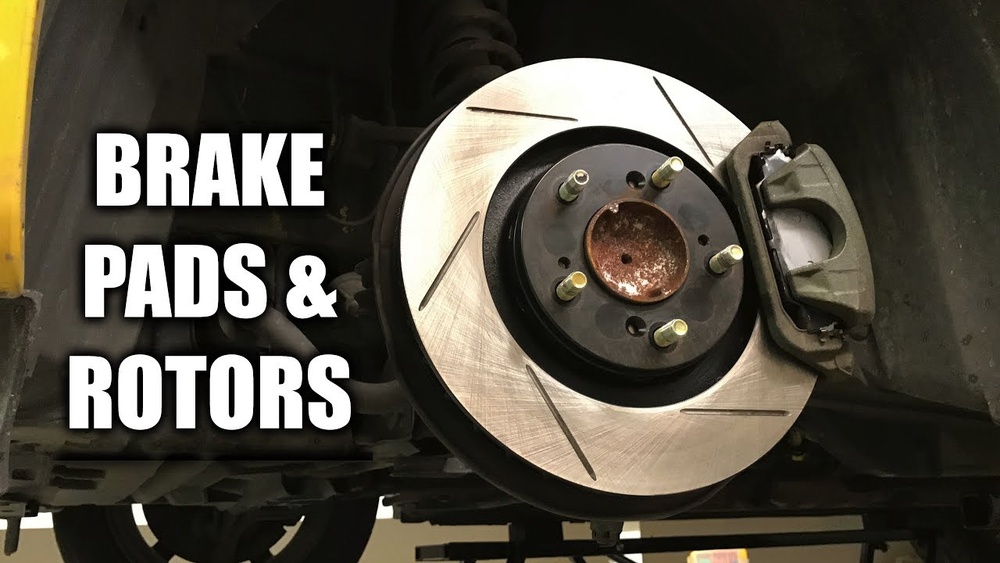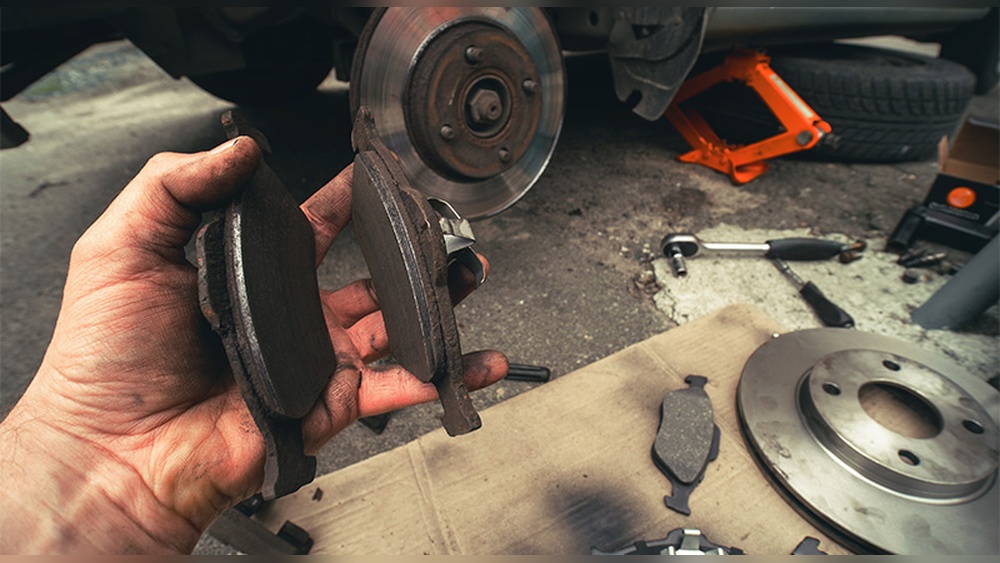
When it’s time to replace your brake pads and rotors, one question probably tops your mind: how much should you expect to pay? Knowing the right price can save you from overspending or settling for low-quality parts that put your safety at risk.
You’ll discover clear, straightforward answers to help you make smart decisions for your car and your wallet. Keep reading to find out what factors affect the cost, how to spot a fair deal, and what you should never compromise on when it comes to your brakes.
Credit: www.thedrive.com
Brake Pads And Rotors Basics
Brake pads and rotors are key parts of your car’s braking system. They help your vehicle stop safely and smoothly. Knowing their basics helps you understand costs and maintenance. This section explains types of brake pads, rotor materials, and how these parts work together.
Types Of Brake Pads
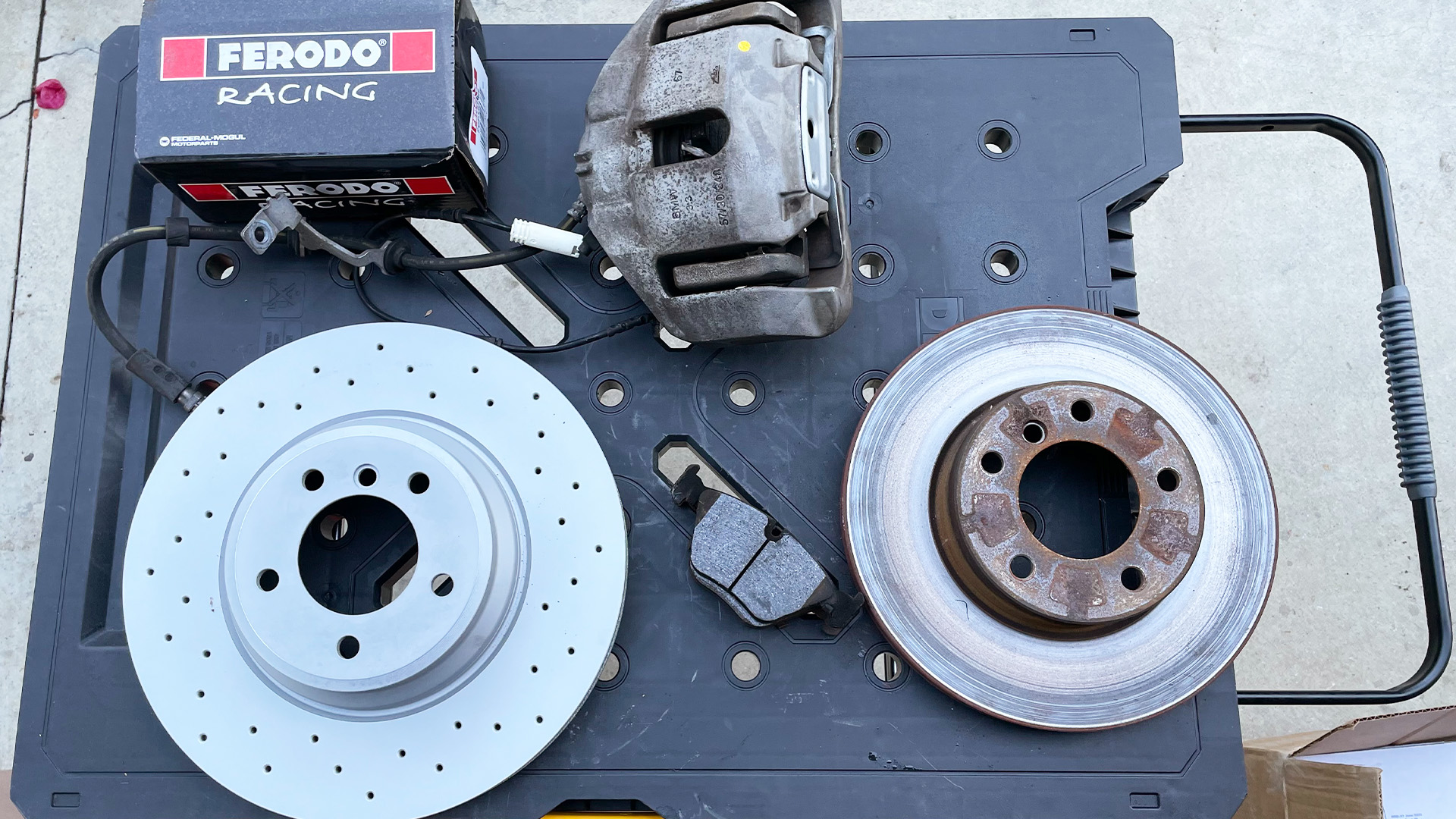
Brake pads come in three main types: organic, semi-metallic, and ceramic. Organic pads are soft and quiet but wear faster. Semi-metallic pads last longer and cool well but can be noisy. Ceramic pads offer smooth, quiet braking and last long but cost more. Each type suits different driving needs and budgets.
Different Rotor Materials
Rotors are usually made from cast iron, steel, or carbon composite. Cast iron rotors are common and affordable but heavy. Steel rotors are lighter and resist warping better. Carbon composite rotors are light and strong but very expensive. The rotor material affects performance and price.
How Brake Components Work Together
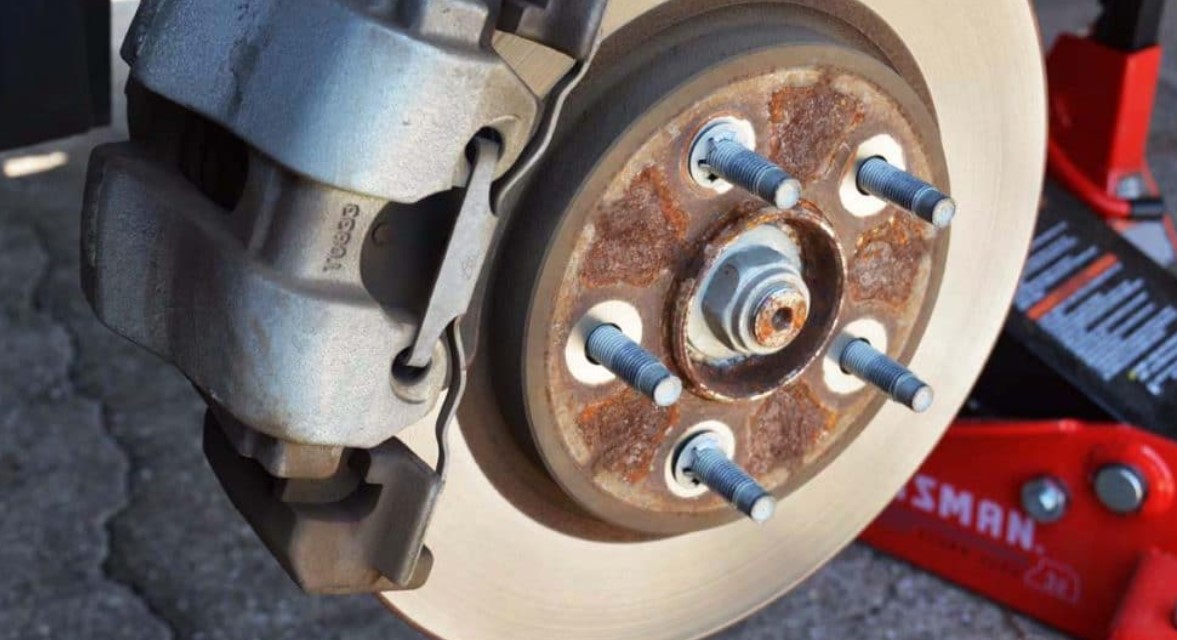
Brake pads press against rotors to stop your car. The friction between pads and rotors slows the wheels. Good brake pads and rotors work as a team for smooth, safe braking. Worn pads or rotors reduce braking power and increase stopping distance.
Credit: omegaautocare.com
Factors Affecting Replacement Costs
Several factors influence how much you pay for brake pads and rotors. Understanding these elements helps you prepare for the cost. Prices vary depending on your vehicle and service choices.
Vehicle Make And Model
Brake parts differ by car type. Luxury cars usually cost more. Some models need special parts not easy to find. This increases the price of replacements.
Quality And Brand Options
Parts come in various quality levels. Cheap parts save money but wear out faster. High-quality brands last longer and perform better. Choosing the right brand affects your total cost.
Labor Costs Variation
Mechanic fees depend on experience and shop rates. Some shops charge more for complex brake jobs. Labor costs can be a large part of the bill. Always ask for a clear labor estimate.
Location And Shop Type
Prices vary by region. Urban areas often have higher costs than rural ones. Dealerships usually charge more than independent shops. Choosing where to service your brakes impacts the price.
Average Cost Breakdown
Understanding the average cost of brake pads and rotors helps you plan your car maintenance budget. Prices can vary based on car type, brand, and quality. Here is a simple breakdown to guide you.
Brake Pads Price Range
Brake pads usually cost between $30 and $100 per set. Economy pads are cheaper but wear out faster. Premium pads last longer but cost more. Most drivers choose a mid-range option for good balance.
Rotor Price Range
Rotors cost more than pads, typically from $40 to $150 each. Standard rotors are less expensive. Performance or specialty rotors can cost over $200. Quality rotors improve braking and last longer.
Combined Replacement Costs
Replacing both brake pads and rotors together costs between $150 and $300 per axle. Labor charges add $80 to $150 depending on the shop. Doing both parts at once saves money in the long run.
Diy Vs Professional Replacement
Deciding between DIY and professional brake pad and rotor replacement affects cost and safety. Both choices have pros and cons. Understanding these can help you save money and keep your car safe.
Pros And Cons Of Diy
Doing the job yourself can save money on labor. Parts cost less when bought online or at stores. You can work on your own schedule. Learning new skills feels rewarding.
DIY also has risks. Mistakes can lead to unsafe brakes. It takes time and patience to do it right. You need a good workspace and proper tools. No warranty covers your work.
When To Choose A Mechanic
Choose a mechanic if you lack experience with car repairs. Complex brake systems need professional knowledge. Mechanics offer guarantees on parts and labor. They can spot other car issues during the service. Time is saved when a pro handles the job.
Tools Needed For Diy
Basic tools include a jack, lug wrench, and socket set. You need a C-clamp or brake caliper tool to compress pistons. Brake cleaner and grease help with part installation. Safety gear like gloves and goggles protects you. Make sure tools are in good condition.
Saving Money On Brake Repairs
Brake repairs can cost a lot, but there are ways to save money without risking safety. Simple steps help lower expenses on brake pads and rotors. Smart choices and regular care keep brakes working longer. Spending less on repairs is possible with the right approach.
Choosing Affordable Parts
Not all brake parts cost the same. Some brands offer good quality at lower prices. Look for parts that meet safety standards but do not cost too much. Avoid very cheap parts that wear out fast. Choose parts that balance price and durability.
Maintenance Tips To Extend Life
Regular brake checks help avoid big repairs. Keep brake fluid clean and at the right level. Drive gently to reduce brake wear. Avoid hard stops and heavy loads. Clean brakes from dirt and dust often. These habits make brake pads and rotors last longer.
Finding Discounts And Deals
Many shops offer discounts on brake parts and service. Check local stores and online for sales. Some places give deals for first-time customers or during holidays. Use coupons or promo codes if available. Small savings add up over time.

Credit: www.youtube.com
Signs You Need New Brake Pads And Rotors
Knowing the signs of worn brake pads and rotors helps keep your car safe. Brake parts wear down over time and show clear symptoms. Recognizing these signs early prevents accidents and costly repairs. This section explains what to watch for and when to act.
Common Warning Symptoms
Squeaking or grinding noises often mean brake pads are worn out. A pulsing feeling in the brake pedal can show rotor problems. Longer stopping distances mean brakes are less effective. Brake warning lights on the dashboard should never be ignored. Vibration or shaking when braking also signals issues.
Impact On Vehicle Safety
Worn brake pads reduce the car’s ability to stop quickly. Damaged rotors cause uneven braking and loss of control. Brake failure increases the risk of accidents and injuries. Good brakes are crucial for safe driving in all conditions. Ignoring brake signs puts you and others in danger.
When To Schedule Replacement
Replace brake pads every 30,000 to 70,000 miles depending on use. Rotors usually last longer but check them during brake service. Schedule replacements when you notice noise, vibration, or poor braking. Regular brake checks help catch problems early. Do not delay repairs once symptoms appear.
Frequently Asked Questions
How Much Do Brake Pads Typically Cost?
Brake pads usually cost between $30 and $80 per set. Prices vary based on material, brand, and vehicle type. Premium pads cost more but last longer. Labor costs add to the total if installed by a mechanic.
What Is The Average Price For Brake Rotors?
Brake rotors generally range from $40 to $100 each. High-performance or specialty rotors can cost more. Labor fees for rotor replacement also increase the overall expense. Prices depend on the vehicle model and rotor quality.
Can I Replace Brake Pads And Rotors Myself?
Yes, DIY replacement is possible with basic tools and knowledge. Follow safety guidelines and vehicle-specific instructions carefully. However, professional installation ensures proper function and safety. DIY saves labor costs but requires time and skill.
How Often Should Brake Pads And Rotors Be Replaced?
Brake pads typically last 30,000 to 70,000 miles, while rotors last 50,000 to 70,000 miles. Replace both if you notice vibrations, noise, or decreased braking. Regular inspections help avoid costly repairs and maintain vehicle safety.
Conclusion
Brake pads and rotors vary in price based on quality and brand. Choosing the right parts helps keep your car safe. Cheap options might save money now but cost more later. Good brake parts last longer and work better. Always compare prices and check reviews before buying.
Proper maintenance prevents costly repairs down the road. Spend wisely to protect yourself and your vehicle. Remember, brakes are not a place to cut corners. Safety matters most in every drive you take.