If you’re using a foam cannon to wash your car, you might wonder how much pressure it really needs to work best. Too little pressure, and the foam won’t stick or clean well.
Too much, and you could waste soap or even damage your paint. Getting this just right can save you time and give your car that perfect, sparkling finish. You’ll discover exactly how much pressure your foam cannon needs to deliver thick, clinging foam that cleans effectively without any risk.
Keep reading to unlock the secret to a flawless car wash every time.
Credit: adamspolishes.com
Foam Cannon Basics
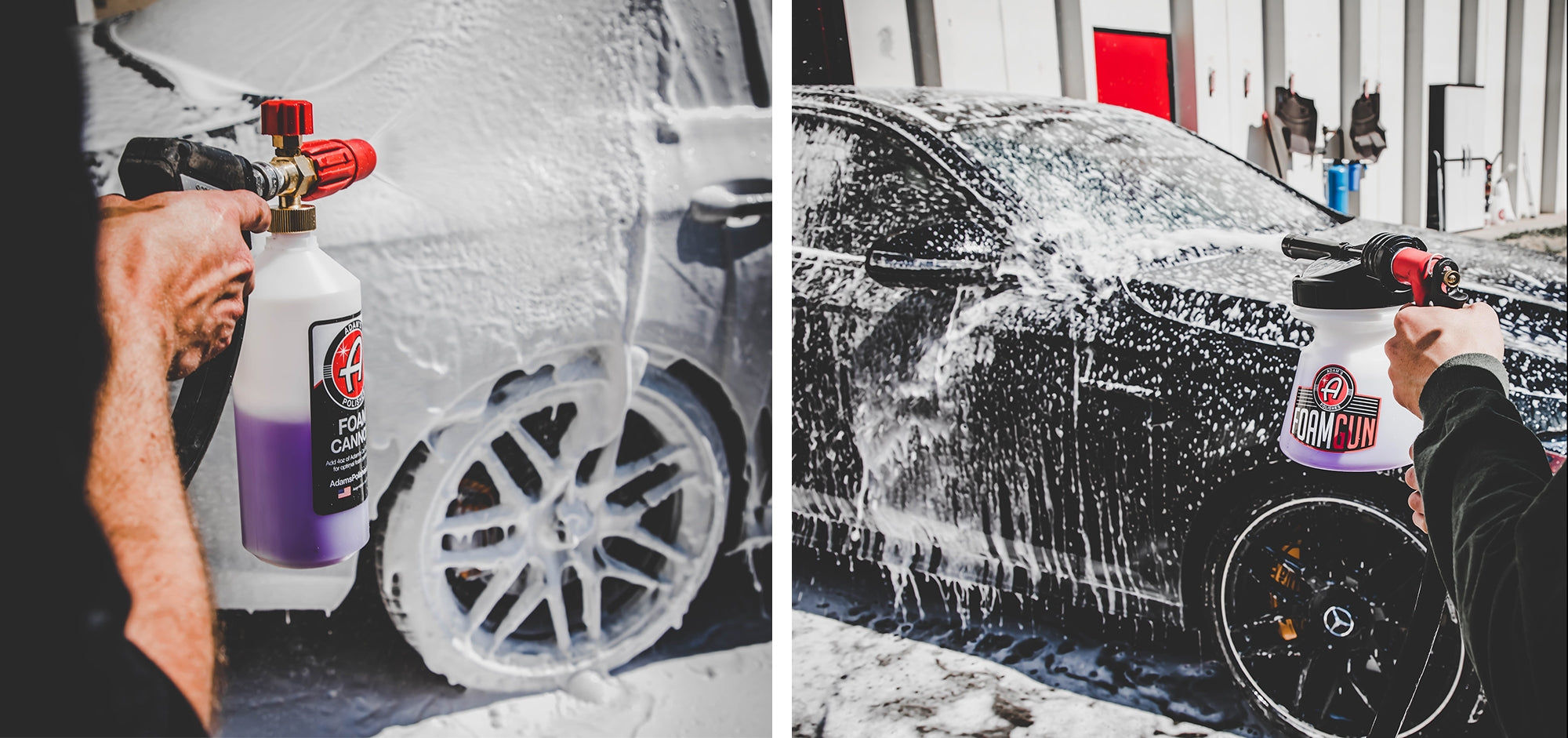
A foam cannon is a popular tool for car washing. It sprays thick foam that covers the vehicle. This foam helps lift dirt and grime. Using a foam cannon makes cleaning easier and safer for your paint.
Understanding how a foam cannon works helps you use it well. It also helps in knowing how much pressure is needed for the best results.
What Is A Foam Cannon
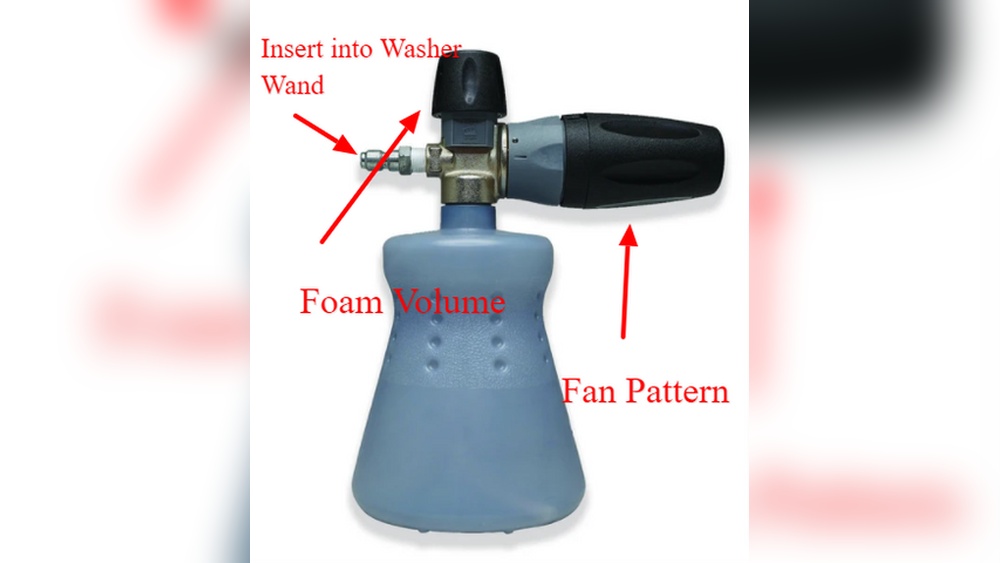
A foam cannon is a device that attaches to a pressure washer. It mixes soap and water to create thick foam. The foam clings to surfaces, loosening dirt. Foam cannons save time and reduce scrubbing.
How Foam Cannons Work
Water from the pressure washer enters the foam cannon. Inside, soap mixes with the water. The mixture is forced through a nozzle. This creates thick foam that sprays out. The pressure helps the foam stick to surfaces. This foam traps dirt and grime, making it easier to rinse away.
Pressure Requirements
Pressure plays a key role in foam cannon performance. It affects how well the foam covers the surface and how thick the foam becomes. Choosing the right pressure ensures efficient cleaning and protects your vehicle’s paint. Understanding pressure needs helps you get the best results.
Optimal Psi Range
The ideal pressure for a foam cannon usually falls between 1000 and 2000 PSI. This range provides enough force to mix soap and water properly. It also sprays foam evenly over the vehicle. Pressures in this range work well with most pressure washers.
Impact Of Low Pressure
Low pressure means weaker foam spray. The foam may be thin and spread unevenly. This can cause poor cleaning results. Dirt and grime might not loosen easily. Low pressure also wastes soap and water.
Risks Of Excessive Pressure
Too much pressure can damage surfaces. High PSI may strip wax or paint. It can also cause the foam to break down quickly. Excessive pressure wastes soap and water. It increases the risk of harming your vehicle.
Types Of Pressure Washers
Choosing the right pressure washer affects foam cannon performance. Different pressure washers offer various power levels and features. Understanding the types helps pick the best one for your cleaning needs. Two main types are electric and gas pressure washers.
Electric Vs Gas Models
Electric pressure washers are quiet and lightweight. They need less maintenance and are easy to use. These models suit light to medium cleaning jobs. Gas pressure washers are louder and heavier. They provide more power and work longer without plugs. Gas models handle tough dirt and large areas better.
Pressure Output Differences
Pressure output is important for foam cannon use. Electric washers usually provide 1300 to 2000 PSI. Gas washers often deliver 2000 to 4000 PSI or more. Higher PSI means stronger water force, better for stubborn grime. Foam cannons work well with washers that have at least 1500 PSI. Too much pressure can damage surfaces or the foam cannon.

Credit: www.amazon.com
Choosing The Right Pressure
Choosing the right pressure for your foam cannon is key to effective cleaning. Pressure affects how well the foam sticks and removes dirt. Too much pressure can damage surfaces. Too little pressure may not clean well. Understanding the right pressure helps protect your items and get the best results.
Matching Foam Cannon To Washer
Foam cannons work best when paired with the right pressure washer. Check the washer’s pressure output before buying a foam cannon. Most foam cannons need between 1000 and 3000 PSI. Using a washer with lower pressure can reduce foam quality. A washer with too high pressure might harm the cannon or surface. Match the PSI rating of both tools for safe, effective cleaning.
Adjusting Pressure For Surface Types
Different surfaces need different pressure levels. Soft surfaces like car paint require low pressure. Around 1000 to 1500 PSI keeps paint safe. Hard surfaces like concrete can handle higher pressure. Up to 3000 PSI removes tough dirt. Always start with lower pressure. Increase slowly if needed. This approach protects surfaces and cleans well.
Improving Foam Quality
Improving foam quality is key to getting the best results with a foam cannon. Good foam cleans better and saves time. It also protects your car’s paint from scratches. Understanding how pressure affects foam helps you adjust the cannon properly. Small changes can make a big difference in foam performance.
Role Of Water Pressure
Water pressure controls how well the foam mixes with soap. Too low pressure makes weak foam that falls off quickly. High pressure pushes soap through the nozzle faster, creating thick foam. The ideal pressure range is usually between 800 and 1200 PSI. This range balances foam thickness and spray distance. Consistent pressure helps the foam stick to surfaces longer.
Foam Thickness And Coverage
Thick foam covers more area and stays on longer. It traps dirt and grime better than thin foam. Adjusting the soap-to-water ratio affects foam thickness. More soap creates thicker foam but can clog the cannon. Good coverage means spraying evenly across the entire surface. Move the cannon slowly to avoid missing spots. Proper thickness and coverage reduce the need for extra scrubbing.
Common Mistakes
Using a foam cannon can make car washing easier and more fun. Many people make common mistakes that reduce its effectiveness. These mistakes often relate to pressure settings. Knowing what to avoid helps you get better foam and protect your car’s paint.
Using Too Much Pressure
High pressure might seem like a good idea to get thick foam fast. But too much pressure can damage your car’s paint. It can also cause the foam to spray unevenly. This wastes soap and water. Using moderate pressure is best. It helps create a rich foam layer without harming surfaces.
Ignoring Manufacturer Guidelines
Each foam cannon comes with specific instructions. These include the right pressure range and soap mix. Ignoring these guidelines often causes poor results. The foam may be too thin or too thick. It can also lead to equipment damage. Following the manufacturer’s advice keeps your foam cannon working well longer.
Maintenance Tips
Proper care helps your foam cannon last longer and work well. Regular maintenance keeps pressure steady and foam thick. Follow these simple tips to avoid common problems and keep your equipment ready for every wash.
Cleaning The Foam Cannon
Rinse the foam cannon after each use. Use clean water to remove soap and dirt. This prevents buildup inside the nozzle and tube. Soak parts in warm water once a week for deeper cleaning. Avoid harsh chemicals that can damage the foam cannon.
Preventing Pressure Issues
Check the pressure regularly before use. Too much pressure can harm the foam cannon parts. Too little pressure makes foam weak. Inspect hoses and connections for leaks or cracks. Tighten any loose fittings to keep pressure steady. Store the foam cannon in a dry place to prevent rust and damage.

Credit: www.amazon.com
Frequently Asked Questions
What Pressure Is Ideal For A Foam Cannon?
The ideal pressure for a foam cannon is between 1000 and 2000 PSI. This range ensures thick foam without damaging surfaces. Lower pressure produces less foam, while higher pressure might cause overspray and waste soap.
Can Low Pressure Affect Foam Cannon Performance?
Yes, low pressure reduces foam thickness and coverage. Foam cannons need adequate pressure to mix soap and water properly. Insufficient pressure results in thin foam and less effective cleaning.
Does High Pressure Damage Foam Cannon Nozzles?
High pressure can wear out foam cannon nozzles faster. Most foam cannons are designed for pressures up to 3000 PSI. Exceeding recommended pressure risks damage and reduces the lifespan of the equipment.
How To Adjust Pressure For Different Foam Types?
Adjust pressure based on foam thickness desired. Use lower pressure for light foam and higher for dense foam. Experiment with pressure and soap ratio to get optimal results.
Conclusion
Finding the right pressure for a foam cannon is key. Too low, and foam won’t stick well. Too high, and it might waste water or damage surfaces. Aim for a balanced pressure around 40 to 60 PSI for best results.
This range helps create thick foam that cleans effectively. Remember, adjusting pressure depends on your water source and equipment. Keep testing to find what works best for your needs. Clean cars better and faster with proper foam cannon pressure. Simple steps lead to great shine every time.