

If you want to protect your car from rust and damage, undercoating is a smart move. But how much does it cost to undercoat a car?
Knowing the price can help you decide if this is the right choice for your vehicle and budget. You’ll discover the real costs involved, what affects the price, and how to get the best value. Keep reading to make sure you’re not surprised when it’s time to protect your car’s underside.
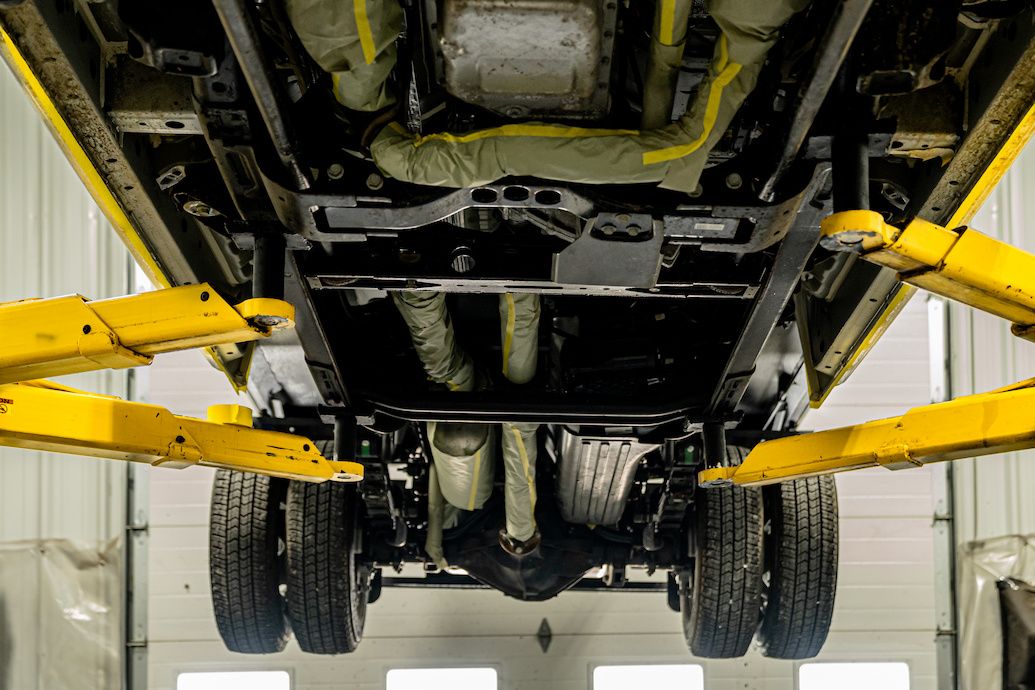
Credit: www.linex.com
Factors Affecting Undercoating Costs
Several factors influence the cost of undercoating a car. Understanding these helps plan your budget better. Prices vary widely depending on what you choose and your vehicle’s specifics. The type of material, vehicle size, coverage area, and local labor rates all play a role.
Type Of Undercoating Material
The kind of material used affects the price directly. Common options include rubberized, wax-based, and asphalt-based coatings. Rubberized coatings tend to cost more but last longer. Wax-based ones are cheaper but may need reapplication sooner. Asphalt-based coatings offer good protection at a moderate price.
Size And Type Of Vehicle
Bigger vehicles need more material and time to undercoat. Trucks and SUVs usually cost more than small cars. The shape and design also matter. Complex undercarriages require extra work, raising the price.
Extent Of Coverage
Full undercarriage coverage costs more than spot treatments. Some choose to cover only high-risk areas for rust. Complete coverage protects better but requires more labor and material. Partial coverage saves money but may not last as long.
Labor And Location Variations
Labor costs vary by region and shop. Urban areas often have higher rates than rural ones. Experienced technicians may charge more but provide better results. Always check local prices to get an accurate estimate.

Credit: www.youtube.com
Common Undercoating Materials And Prices
Undercoating protects your car’s underbody from rust and damage. Choosing the right material affects durability and price. Each type has unique features and cost points. Understanding common undercoating materials helps you make a good choice.
Rubberized Undercoating
Rubberized undercoating offers strong protection against moisture and salt. It creates a thick, flexible barrier that prevents rust. This type usually costs between $100 and $300. It sticks well to metal and absorbs road noise.
Asphalt-based Undercoating
Asphalt-based undercoating is thick and durable. It is good for heavy-duty protection on trucks and older cars. Prices range from $150 to $350. It resists stones and debris but can harden and crack over time.
Polyurethane Undercoating
Polyurethane undercoating forms a tough, long-lasting shield. It resists chemicals and weather damage. This option costs around $200 to $400. It stays flexible and maintains its protective qualities longer than others.
Wax-based Undercoating
Wax-based undercoating is easy to apply and water-resistant. It protects against moisture and salt but wears off faster. The price is usually between $50 and $150. It requires reapplication more often for continued protection.
Diy Vs Professional Undercoating
Undercoating a car protects it from rust and damage caused by water, salt, and dirt. Choosing between DIY and professional undercoating depends on budget, skill, and time. Both options offer different advantages and costs. Understanding these can help you make the right choice.
Cost Comparison
DIY undercoating costs less. You pay for materials only. Expect to spend $30 to $100 on sprays and brushes.
Professional undercoating costs more. Prices range from $100 to $300. This includes labor and quality materials.
DIY saves money but takes time. Professionals charge more but ensure a thorough job.
Tools And Materials Needed
For DIY, basic tools include a spray can or brush, gloves, and a jack. You also need cleaning supplies to prep the car.
Professionals use specialized equipment. They have high-pressure sprayers and protective gear. Their products are often stronger and last longer.
DIY tools are easy to find. Professional tools provide better coverage and protection.
Risks And Benefits
DIY risks include uneven coverage and missing spots. It may not last as long. But you learn new skills and save money.
Professional undercoating offers consistent results. It protects your car better and lasts longer. The risk is higher cost and needing to schedule an appointment.
Choosing depends on your budget and confidence in doing the work.
Additional Services Impacting Cost
Undercoating a car involves more than just applying a protective layer. Several extra services can change the total cost. These services help protect your car better and last longer. Knowing these can help you plan your budget well.
Rust Treatment
Rust treatment is key for older cars or those exposed to moisture. It stops rust from spreading under the car. This service adds to the cost but saves money on future repairs. Rust treatment helps the undercoat stick better too.
Surface Preparation
Surface preparation makes the undercoat more effective. It includes cleaning and removing old coatings or dirt. This step ensures the new layer bonds well to the metal. Good preparation takes time and adds to the price.
Warranty And Maintenance Packages
Some shops offer warranties or maintenance plans with undercoating. A warranty covers repairs if the coating peels or fails. Maintenance packages include check-ups and touch-ups. These extras raise the initial cost but offer peace of mind.
Tips To Save Money On Undercoating
Undercoating your car helps protect it from rust and damage. The cost can vary, but there are ways to save money. Simple strategies can reduce the price without cutting corners. Here are some tips to help you spend less on undercoating.
Seasonal Discounts
Many shops offer discounts during certain times of the year. Winter and early spring often have lower prices. Demand drops during these months, so shops try to attract customers. Scheduling your undercoating during off-peak seasons can save you money.
Choosing The Right Material
Undercoating materials differ in price and quality. Some products cost less but still offer good protection. Ask the shop about affordable options that fit your needs. Avoid expensive materials if your car does not need heavy-duty protection.
Bundling Services
Car service centers often give discounts for multiple services. Combining undercoating with oil changes or tire rotations may lower the total cost. Check if the shop has package deals. Bundling saves money and time in one visit.
Expected Lifespan And Value Of Undercoating
Undercoating your car protects it from rust and damage caused by road salt, water, and debris. Understanding its lifespan and value helps you decide if it is worth the cost. Different materials last different times. The effect on your car’s resale value is important. Knowing how often to reapply saves money and effort.
Durability Of Different Materials
Undercoating materials vary in strength and life. Rubberized coatings last about 5 years. Wax-based types usually need reapplication every 1 to 2 years. Asphalt-based coatings are thick and durable but can crack over time. Choosing the right material affects how long the protection lasts.
Impact On Vehicle Resale Value
A well-maintained undercoat can increase your car’s resale value. It shows buyers the car is cared for and less likely to have rust. Cars with visible rust or damage lose value quickly. Undercoating adds a layer of protection that appeals to buyers.
Frequency Of Reapplication
Reapplying undercoating depends on the material and climate. In harsh winters, salt and moisture wear down coatings faster. Check your undercoat every year for cracks or peeling. Regular touch-ups keep your car protected and extend its lifespan.

Credit: www.reddit.com
Frequently Asked Questions
How Much Does Car Undercoating Typically Cost?
Car undercoating usually costs between $100 and $300. Prices depend on car size, type of undercoat, and location. Higher quality or professional services may cost more. DIY kits are cheaper but need more effort and skill.
What Factors Influence Undercoating Car Prices?
Undercoating costs vary due to vehicle size, material quality, labor charges, and geographic location. Additional rust repair or surface preparation also increases expenses. Choosing between rubberized or wax-based coatings affects price. Professional application generally costs more than DIY methods.
Is Undercoating Worth The Cost For Car Protection?
Undercoating protects your car from rust, salt, and moisture damage. It can extend vehicle life and maintain resale value. The initial cost is balanced by long-term savings on repairs. Regular maintenance enhances undercoating effectiveness, making it a valuable investment.
Can I Undercoat My Car Myself To Save Money?
Yes, DIY undercoating kits are available and cost less than professional services. However, proper surface cleaning and application are essential to avoid issues. DIY is suitable for small cars or minor rust prevention but requires time and effort.
Conclusion
Undercoating a car helps protect it from rust and damage. The cost depends on the type of undercoat and the car size. Choosing a good quality undercoat saves money in the long run. Regular maintenance keeps the car in better shape.
Consider undercoating as an investment in your vehicle’s life. It keeps your car safer and stronger through harsh weather. Knowing the cost helps you plan your budget well. Take care of your car, and it will last longer.


