
You want your car to look its best, shining bright and protected from the elements. But how often should you wax your car to keep it looking fresh and new?
Waxing isn’t just about appearance—it shields your paint from dirt, sun damage, and rain. If you’re unsure when to wax or worried about wasting time and money, this guide will clear things up. Keep reading to discover the perfect waxing schedule for your car and how it can save you from costly repairs down the road.
Why Wax Your Car
Waxing your car is more than just making it shine. It keeps your vehicle safe and looking new. Many people skip waxing, not knowing its real benefits. A simple layer of wax can protect your car’s paint and improve its appearance. It is a small effort with big rewards.
Regular waxing helps keep dirt, dust, and water off your car. This makes cleaning easier and prevents damage over time. The wax forms a shield that guards your car against many threats. It also adds a deep, glossy finish that catches the eye.
Benefits Of Waxing
Waxing makes your car look fresh and clean. The shine gives your vehicle a new feel. It hides small scratches and imperfections on the paint. Wax also helps keep the color bright and vibrant.
Wax makes washing easier by stopping dirt from sticking. This saves time and effort. It also helps protect your car’s value. A well-maintained paint job means better resale price later.
Protection From Elements
Cars face many elements like sun, rain, and dust. Sunlight can fade paint and cause it to crack. Rain and water spots can leave marks and stains. Dust and dirt can scratch the paint surface.
Wax acts as a barrier against these dangers. It protects your paint from UV rays and water damage. It also reduces the chance of rust forming. This layer keeps your car’s surface strong and safe.
Credit: www.peoriavw.com
Factors Influencing Wax Frequency
Knowing how often to wax your car depends on several key factors. These affect how long the wax lasts and how well it protects your car’s paint. Understanding these factors helps keep your car looking fresh and shiny for longer.
Climate And Weather
Hot sun can wear down wax quickly. UV rays can fade wax and paint. Rain and snow also affect wax. Water can wash away wax layers. Salt from roads causes extra damage. Cars in harsh climates need waxing more often.
Car Usage And Storage
Daily drivers face more dirt and grime. Dust, bugs, and pollution stick to the car. This breaks down the wax faster. Cars kept in garages stay cleaner longer. Covered cars need less frequent waxing. The more you drive, the more often to wax.
Type Of Wax Used
Different waxes last different times. Synthetic waxes usually last longer than natural ones. Carnauba wax gives a deep shine but fades sooner. Sealants protect for many months. Choose wax based on how long you want protection. The wax type changes your waxing schedule.
Recommended Waxing Intervals
Knowing the right time to wax your car protects its paint and shine. Waxing creates a barrier against dirt, rain, and sun damage. Different schedules work best depending on your needs and environment. Here are some common waxing intervals to consider.
Monthly Waxing
Monthly waxing keeps your car’s surface very well protected. It is ideal for cars parked outside often. Frequent waxing helps repel water and dirt quickly. It keeps the paint looking fresh and glossy all the time. This schedule suits people who want maximum protection and shine.
Quarterly Waxing
Waxing every three months balances protection and effort. It works well for cars parked in garages but driven regularly. This schedule prevents dirt buildup and sun damage effectively. It also saves time compared to monthly waxing. Many car owners find quarterly waxing a good routine.
Biannual Waxing
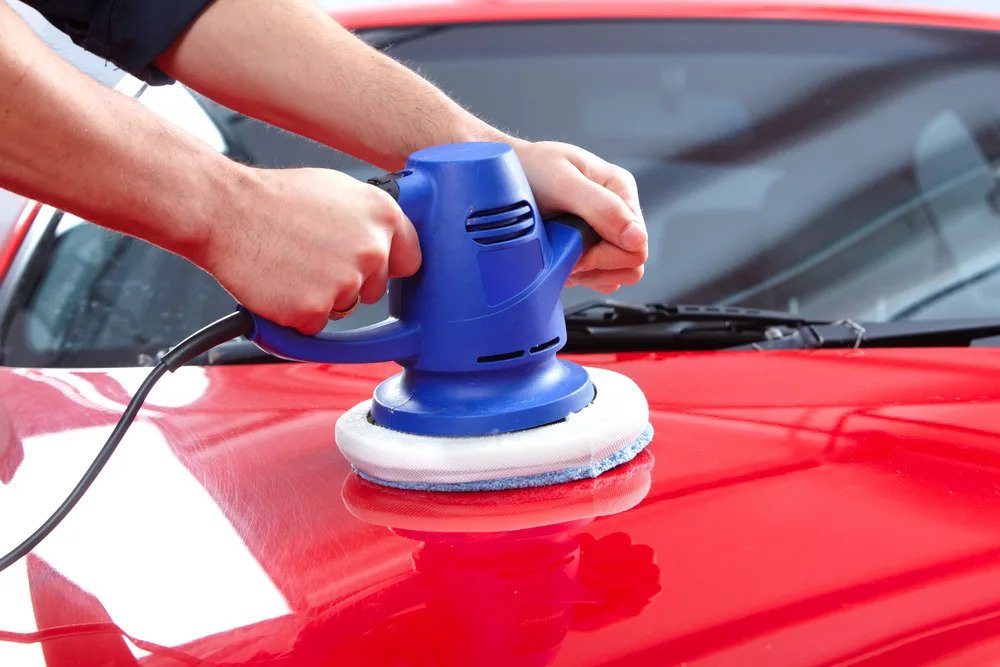
Waxing twice a year fits cars with light use or garage storage. It provides basic protection against weather and dirt. This interval is enough in mild climates with less sun and rain. Biannual waxing keeps the paint safe but may need touch-ups. It suits those who want low maintenance care.
Credit: ethoscarcare.com
Signs Your Car Needs Waxing
Knowing when your car needs waxing helps keep its shine and protect its paint. Waxing your car at the right time saves you from costly paint damage. Watch for clear signs on your car’s surface. These signs show your car needs a fresh wax layer.
Dull Or Faded Paint
Paint looks dull or faded without a protective wax layer. The bright shine disappears, leaving a flat surface. Wax restores the glossy look and guards paint from sun damage. Notice any loss of brightness? It’s time to wax.
Water Beading Loss
Wax makes water bead up on your car’s surface. Drops gather as small beads and roll off easily. If water spreads flat without beading, wax is worn out. This means the protective layer is gone and needs replacing.
Surface Contaminants
Dirt, bird droppings, and tree sap stick more without wax. These contaminants harm the paint and leave stains. Wax creates a smooth barrier that repels grime. When cleaning feels harder, your car needs waxing again.
Choosing The Right Wax
Choosing the right wax is key to keeping your car’s paint shiny and protected. Not all waxes work the same. Picking the best one depends on your car’s needs and your preferences. Understanding different wax types helps you make a good choice.
Natural Vs Synthetic Waxes
Natural waxes come from carnauba, a plant-based material. They give a warm, deep shine that many people like. Natural waxes usually last a few weeks. Synthetic waxes are made in labs. They last longer and protect better against rain and sun. Synthetic waxes often cost less and are easier to apply.
Liquid, Paste, Or Spray
Paste wax is thick and offers strong protection. It takes more time to apply but lasts longer. Liquid wax is easier to spread and dries faster. It suits those who want quick results. Spray wax is the easiest to use. It gives a light shine and is good for touch-ups between full waxes.
Wax For Different Paint Types
Some waxes work better on certain paint types. For clear coat paint, synthetic waxes protect well without harming the surface. For older or single-stage paint, natural waxes help keep the color rich. Matte paint needs special wax made for matte finishes. Regular wax can make matte paint shiny, which is not good.
Credit: cleantools.net
Waxing Tips For Best Results
Waxing your car keeps its paint shiny and protected. Doing it right makes the wax last longer and looks better. Follow these simple tips for the best waxing results.
Preparing Your Car Surface
Start with a clean car. Wash it well to remove dirt and grime. Dry the car completely before waxing. Check for any paint damage. Fix small scratches or chips first. This helps the wax stick properly.
Application Techniques
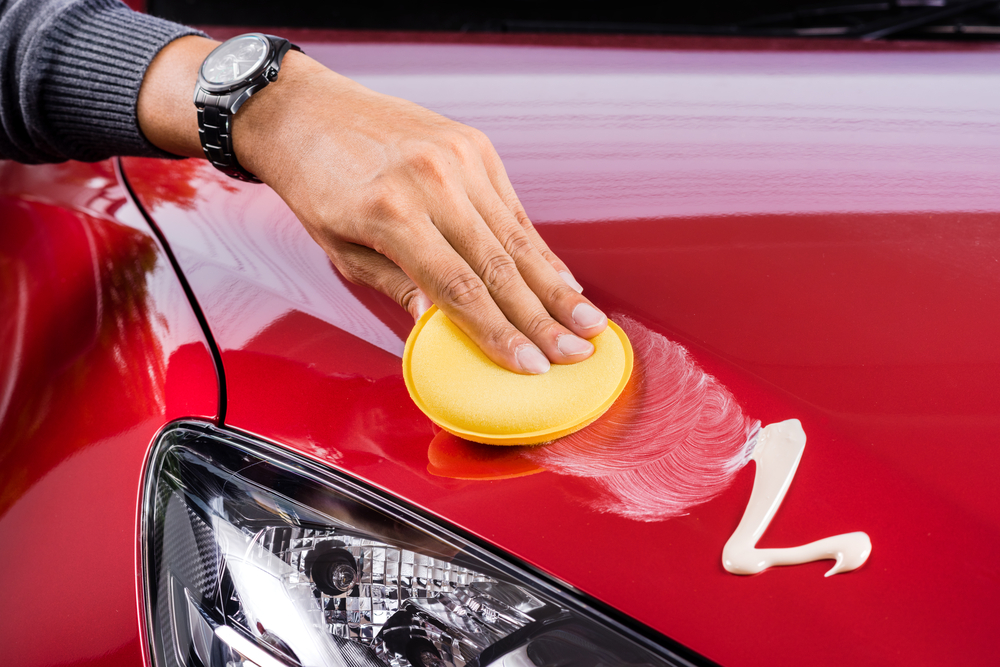
Use a soft cloth or foam applicator. Apply wax in small, circular motions. Work on one section at a time. Avoid thick layers. Thin, even coats work best. Let the wax dry until it looks hazy before buffing.
Aftercare And Maintenance
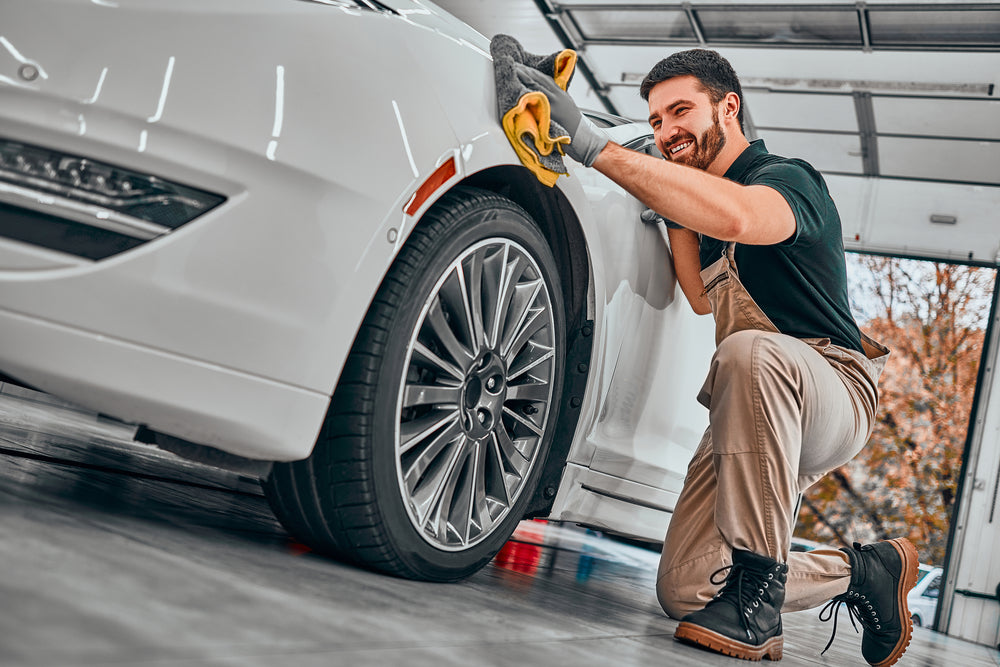
Buff the wax with a clean microfiber towel. Use light pressure for a smooth finish. Avoid washing the car for two weeks. This lets the wax cure fully. Regularly clean with a gentle soap to protect the wax layer.
Common Waxing Mistakes To Avoid
Waxing your car protects its paint and keeps it shiny. Avoid common mistakes to get the best results. These errors can cause damage or reduce wax effectiveness. Learning what to avoid helps keep your car looking great longer.
Waxing In Direct Sunlight
Waxing under bright sun can dry the wax too fast. This makes it hard to spread evenly. The wax may leave streaks or spots. Always wax in the shade or on a cool surface.
Using Too Much Product
Applying too much wax does not mean better protection. Excess wax is harder to remove and wastes product. Use a thin, even layer for best coverage. A little wax goes a long way.
Skipping Surface Cleaning
Waxing over dirt or dust can scratch your car’s paint. Always wash and dry the car before waxing. Clean surfaces help the wax stick better. This step improves shine and protection.
Alternatives To Traditional Wax
Traditional wax keeps your car shiny and protected. Still, there are other options. These alternatives offer different levels of protection and ease of use. They can last longer than wax and resist dirt and water better.
Sealants And Coatings
Sealants are synthetic products that protect your car’s paint. They last longer than wax, often up to six months. Sealants create a hard, glossy layer that shields against dirt and light scratches. Applying sealants is easy and quick, making them popular for regular car care. They also resist water better, causing it to bead and roll off your car.
Ceramic Coatings Benefits
Ceramic coatings are liquid polymers that bond with your car’s paint. They form a strong, durable layer that lasts for years. This coating protects against UV rays, chemicals, and minor scratches. Ceramic coatings make cleaning your car easier by repelling dust and grime. They keep the shine vibrant and deep, much longer than wax or sealants.
Frequently Asked Questions
How Often Should I Wax My Car For Best Protection?
Wax your car every 3 to 4 months for optimal protection. Regular waxing shields paint from UV rays, dirt, and moisture. This frequency maintains shine and prevents damage effectively.
Can Waxing Frequency Vary By Car Color?
Yes, darker colors need waxing more often. Dark paint shows scratches and fading faster. Waxing every 2 to 3 months helps maintain a glossy, vibrant finish.
Does Weather Affect How Often Cars Need Waxing?
Extreme weather means more frequent waxing is needed. Sun, rain, and snow degrade wax faster. Waxing every 3 months helps protect your car in harsh climates.
Will Frequent Waxing Damage My Car’s Paint?
No, proper waxing won’t harm the paint. Use quality wax and clean the surface first. Over-waxing isn’t harmful but offers no extra benefits.
Conclusion
Waxing your car regularly keeps its paint bright and safe. Most cars benefit from waxing every three months. This schedule helps stop dirt and water damage. Some cars need waxing more if driven a lot or parked outside. Use good wax and apply it carefully for best results.
Taking care of your car’s shine is simple and rewarding. A well-waxed car looks clean and lasts longer. Try to make waxing part of your routine. Your car will thank you with a fresh, shiny look.


