Are your old brake pads and rotors piling up in the garage? You might not realize it, but throwing them away the wrong way can harm the environment and even cost you more in the long run.
Knowing how to dispose of these parts safely and responsibly is easier than you think—and it can save you time, money, and stress. You’ll discover simple steps to get rid of your old brake pads and rotors the right way.
Keep reading to protect your car, your wallet, and the planet.

Credit: www.brakeandfrontend.com
Why Proper Disposal Matters
Proper disposal of old brake pads and rotors is important. These parts contain materials that can harm the environment. Throwing them away with regular trash can cause pollution. Taking the right steps protects nature and keeps communities safe.
Environmental Impact
Brake pads and rotors often hold metals and chemicals. These substances can leak into soil and water. This pollution harms plants, animals, and humans. Recycling helps recover valuable metals and reduces waste. It also lowers the need to mine new materials.
Legal Requirements
Many places have rules about disposing of car parts. These laws ensure harmful materials do not pollute the environment. Failing to follow them can lead to fines or penalties. Taking old brake pads and rotors to proper centers meets these laws. It keeps you safe from legal trouble.

Credit: king-racing.com
Identifying Brake Pads And Rotors
Knowing how to identify brake pads and rotors is key for proper disposal. These parts wear down over time and need replacement. Understanding their types and materials helps you handle them safely.
Brake pads and rotors look different depending on the vehicle and use. Taking a closer look can help you spot the right parts. This knowledge prevents mistakes and supports recycling efforts.
Types Of Brake Pads
Brake pads come in three main types: organic, semi-metallic, and ceramic. Organic pads use natural fibers and are softer. Semi-metallic pads mix metal with other materials for strength. Ceramic pads are harder and last longer but cost more.
Each type behaves differently in heat and wear. Knowing the type helps you decide how to dispose of old pads. Some materials need special handling due to metal content or dust.
Common Rotor Materials
Rotors are usually made from cast iron or steel. Cast iron is heavy and affordable. Steel rotors offer better performance and resist warping. Some high-end rotors use carbon or ceramic materials for racing cars.
Metal rotors can often be recycled easily. Non-metal parts or coatings might require special treatment. Identifying the material ensures correct disposal and protects the environment.
Preparation Before Disposal
Preparing old brake pads and rotors for disposal is important. Proper preparation keeps the environment safe. It also makes the disposal process easier and cleaner. Follow simple steps to get ready before throwing them away.
Cleaning And Handling
Remove dirt and grease from brake pads and rotors. Use a brush or cloth to wipe off dust. Avoid using water as brake parts can rust. Handle parts gently to avoid breaking them. Keep parts dry and free of oil. This helps recycling centers process them better.
Safety Precautions
Wear gloves to protect your hands from sharp edges. Use a mask to avoid breathing brake dust. Work in a well-ventilated area to reduce dust inhalation. Do not use compressed air to clean parts. Dispose of dust and debris carefully to protect health. Store parts away from children and pets before disposal.
Disposal Options
Disposing of old brake pads and rotors properly helps protect the environment. These parts contain metals and materials that can be harmful if thrown away carelessly. Choosing the right disposal option ensures safe handling and possible recycling. Several places accept used brake parts for disposal or recycling.
Recycling Centers
Recycling centers often accept brake pads and rotors. They separate metals like steel and iron for reuse. Bringing your old parts here reduces landfill waste. Call ahead to confirm they take automotive parts. Some centers may charge a small fee for disposal.
Auto Parts Stores
Many auto parts stores offer recycling services for old brake parts. Stores sometimes partner with recycling programs. Drop off your brake pads and rotors during store hours. This option is convenient and helps keep parts out of the trash. Check with the store about any specific rules.
Household Hazardous Waste Facilities
Household hazardous waste facilities handle materials that require special care. Brake pads and rotors may fall under this category. These facilities safely dispose of or recycle hazardous automotive parts. Locate your nearest facility through local government websites. Follow their guidelines for drop-off times and procedures.
Step-by-step Disposal Guide
Disposing of old brake pads and rotors needs care. Follow this step-by-step guide to do it right. It keeps you safe and helps the environment. Each step is simple and clear to follow.
Removing Old Parts Safely
Wear gloves and safety glasses before you start. Use the right tools to remove brake pads and rotors. Avoid touching brake dust directly; it can be harmful. Place removed parts on a clean surface. Check for any sharp edges or broken pieces.
Packaging For Transport
Wrap brake pads and rotors in newspaper or cloth. This stops dirt and dust from spreading. Use a sturdy box to hold the parts. Seal the box tightly with tape. Label the box as “Used Brake Parts” for easy identification.
Dropping Off At The Facility
Find a local recycling center or auto parts store. Confirm they accept old brake pads and rotors. Take the packaged parts to the facility during their working hours. Hand over the parts to the staff. Ask if you need to fill any forms.
Alternatives To Disposal
Old brake pads and rotors do not always need to end up in the trash. Many parts can have a second life with simple care. Choosing alternatives to disposal helps reduce waste and saves resources. This approach benefits the environment and your wallet.
Reusing And Refurbishing
Some brake parts can be reused or refurbished. Rotors can often be resurfaced to make them smooth again. Refurbishing can restore pads that still have life left. This process lowers the need for new parts. It also cuts down on metal waste. Local mechanics or workshops may offer these services. They check parts for safety before reuse. This is a smart way to extend the life of your brakes.
Donating Usable Parts
Brake pads and rotors in good condition can be donated. Some schools, car clubs, or community groups accept these parts. They use donations for teaching or repair projects. Donating helps others learn car maintenance skills. It also supports people who cannot afford new parts. Always check if the parts are safe and functional. This option keeps parts out of landfills and helps the community.
Tips For Future Brake Maintenance
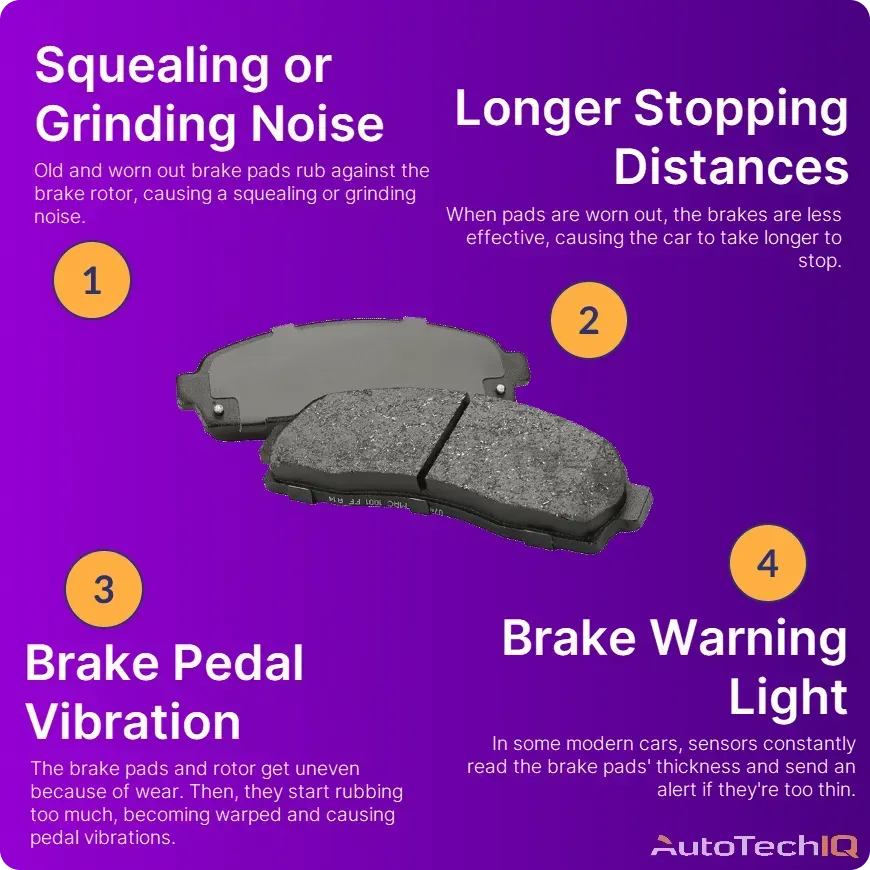
Taking care of your brakes after replacing old pads and rotors helps them last longer. Proper maintenance keeps your car safe and saves money. Follow these tips to keep your brakes in good shape.
Extending Brake Life
Check your brake pads often. Replace them before they wear out completely. Use smooth, steady pressure when braking. Avoid hard stops that wear pads faster. Keep brake fluid clean and at the right level. Regularly inspect rotors for damage or warping. Clean brake parts to prevent dirt buildup. These habits help brakes last longer and work better.
Choosing Eco-friendly Options
Pick brake pads made from natural or recycled materials. These cause less harm to the environment. Dispose of old pads and rotors at recycling centers. Avoid throwing them in the trash. Use brake cleaner sprays that do not contain harmful chemicals. This protects nature and keeps pollution low. Small eco-friendly steps make a big difference over time.
Credit: www.autotechiq.com
Frequently Asked Questions
How Should I Dispose Of Old Brake Pads Safely?
Dispose of old brake pads at local auto parts stores or recycling centers. Avoid trashing them to prevent environmental harm. Some shops offer free disposal services for used brake parts. Always check local regulations to ensure proper handling and recycling.
Can I Recycle Old Brake Rotors And Pads?
Yes, brake rotors and pads can be recycled. Metals like steel and iron are reusable. Remove any non-metal parts before recycling. Drop them off at scrap yards or metal recycling facilities for proper processing.
Why Is Proper Brake Pad Disposal Important?
Proper disposal prevents hazardous materials from polluting the environment. Brake pads may contain harmful substances like asbestos or heavy metals. Safe disposal protects water and soil quality. It also complies with environmental laws and community health standards.
Where Can I Take Old Brake Parts For Disposal?
You can take old brake parts to auto repair shops, recycling centers, or hazardous waste facilities. Many auto shops accept used parts for free. Check with your local waste management for designated drop-off locations.
Conclusion
Proper disposal of old brake pads and rotors keeps the environment safe. Recycling metals helps save natural resources and reduces waste. Take used parts to local recycling centers or auto shops. Avoid throwing them in regular trash bins. Small actions make a big difference for our planet.
Stay responsible and protect the earth while maintaining your vehicle. Clean and safe disposal benefits everyone. Remember, your care helps build a healthier world for future generations. Simple steps lead to better habits and a cleaner environment.