

Have you ever applied wax to your car and wondered how long you should wait before it’s fully dry? Knowing the right drying time can make a big difference in how shiny and protected your car looks.
If you rush it, the wax might not set properly; wait too long, and you could waste valuable time. You’ll discover exactly how long it takes for car wax to dry, what factors affect drying time, and tips to get the best results every time.
Keep reading to make sure your car shines like new!
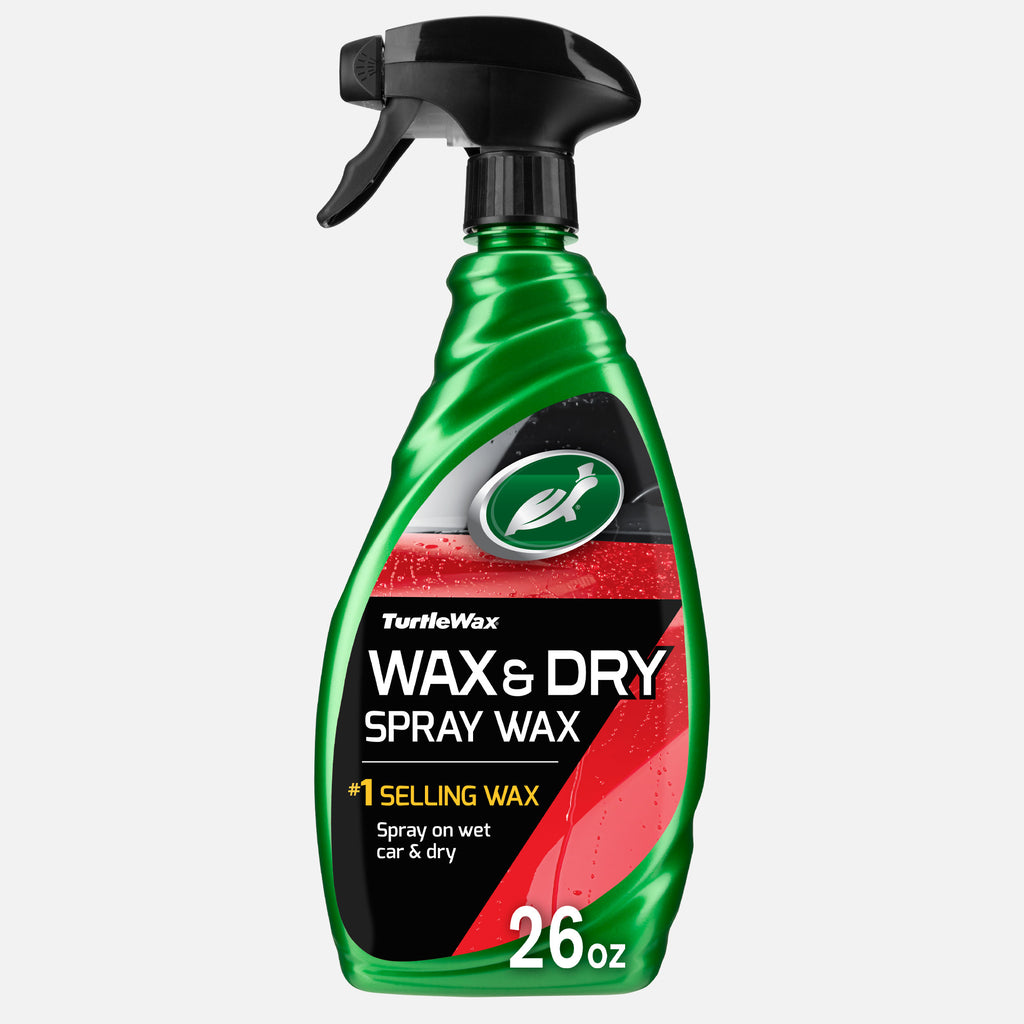
Credit: www.turtlewax.com
Factors Affecting Wax Drying Time
Wax drying time varies due to several important factors. These factors influence how quickly the wax hardens and bonds with the car’s surface. Understanding them helps you plan the waxing process better. It also ensures the best shine and protection for your vehicle.
Type Of Car Wax
Different waxes dry at different speeds. Paste wax usually takes longer to dry than liquid wax. Spray waxes tend to dry very fast but may offer less protection. Synthetic waxes often dry quicker than natural waxes. Choose the type based on your time and protection needs.
Weather Conditions
Temperature and humidity change drying time. Warm, dry weather speeds up drying. Cold or humid air slows the process. Avoid waxing in rainy or extremely cold weather. Ideal conditions help wax dry evenly and firmly.
Application Thickness
Thicker layers of wax take more time to dry. Applying too much wax can cause uneven drying and streaks. Thin, even coats dry faster and look better. Multiple thin layers often protect better than one thick layer.
Surface Temperature
The temperature of your car’s surface matters. A hot surface helps wax dry quickly. Too hot, and the wax might dry too fast and be hard to buff. Cool surfaces slow drying and can cause smudging. Waxy surfaces dry best at moderate temperatures.
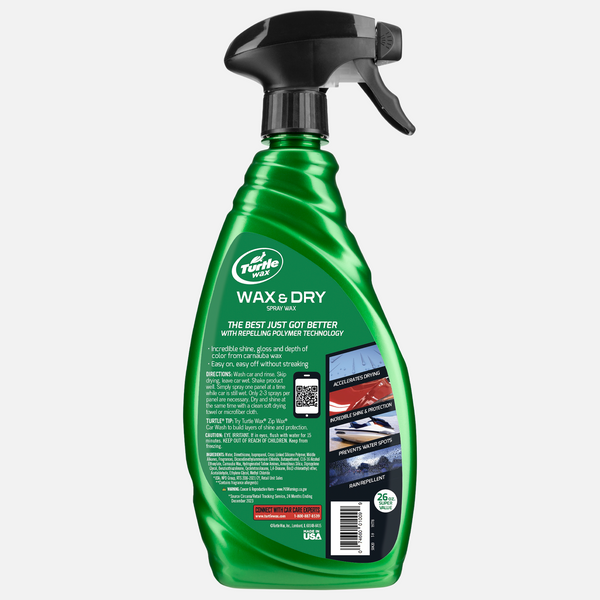
Credit: www.turtlewax.com
Typical Drying Times For Car Wax
Knowing how long car wax takes to dry helps plan your car care. Drying time varies by wax type. Each wax type has its own drying speed. This section explains typical drying times for common car waxes.
Paste Wax Drying Duration
Paste wax takes the longest to dry. It usually needs 10 to 15 minutes. The wax hardens on the car surface during this time. Wait until it feels dry to touch. Rubbing too soon may cause streaks or spots.
Liquid Wax Drying Duration
Liquid wax dries faster than paste wax. It typically takes 5 to 10 minutes. The thin layer absorbs quickly into the paint. You can wipe it off once it looks hazy. Quick drying makes it easy to use.
Spray Wax Drying Duration
Spray wax dries the fastest of all. It takes about 2 to 5 minutes to dry. The fine mist spreads thinly on the surface. It evaporates quickly, leaving a smooth finish. Spray wax suits quick touch-ups and light protection.
Synthetic Wax Drying Duration
Synthetic wax drying times vary widely. Usually, they dry within 5 to 15 minutes. Some formulas dry fast, others need more time. Check the product label for exact drying details. Synthetic wax blends protection with ease of use.
Tips To Speed Up Wax Drying
Wax drying time can vary based on several factors. Speeding up the process helps save time and protects your car’s finish. Small changes in how you apply wax and where you do it can make a big difference. Use these tips to help your car wax dry faster and look better.
Ideal Application Environment
Wax dries best in a cool, dry place. Avoid direct sunlight to stop wax from drying too fast or unevenly. High humidity can slow drying, so choose a day with low moisture. A shaded garage or covered area works well. This keeps wax smooth and easier to buff.
Using Fans Or Shade
Fans help move air over the wax and speed up drying. Place a fan near the car but not too close to blow wax off. Shade protects wax from harsh sun rays and heat. Park your car under a tree or an awning. Both methods keep the wax curing evenly and quickly.
Proper Wax Application Techniques
Use thin, even layers of wax. Thick layers take longer to dry and may leave streaks. Apply wax with a soft cloth or foam applicator in small sections. Work in circular motions to spread wax evenly. Wipe off excess wax before it fully hardens to prevent smudges.
Signs Wax Is Ready For Buffing
Knowing when car wax is ready for buffing is key to a shiny finish. Wax that’s too wet or too dry can ruin your work. You need clear signs to start buffing at the right moment. These signs help protect your car’s paint and make your wax last longer.
Visual Indicators
Look for a haze or cloudy film on the waxed surface. This means the wax has dried but not hardened fully. The haze should be even and light. Avoid buffing if the wax looks wet or sticky. The color might change slightly, becoming duller than when first applied. This change shows the wax is ready.
Tactile Tests
Touch the wax lightly with your finger. It should feel dry and slightly powdery. If your finger sticks or feels waxy, wait longer. A dry touch means the wax has set properly. Do not press hard or rub too much. A gentle touch gives the best result.
Common Mistakes To Avoid
Do not buff too soon, or you will smear the wax. Avoid waiting too long, as the wax becomes hard and hard to remove. Buffing in direct sunlight can dry the wax unevenly. Skip buffing with dirty or rough cloths; they can scratch your paint. Use a clean, soft microfiber cloth for best results.
Aftercare For Long-lasting Shine
After applying car wax, proper care keeps your car’s shine bright and fresh. Wax protects the paint but needs support from good habits. These simple steps help your wax last longer and keep your car looking great.
Washing Post-waxing
Wait at least two days before washing your car. This gives the wax time to harden and bond with the paint. Use a mild car shampoo and soft cloth or sponge. Avoid harsh soaps or strong chemicals that can wear off the wax. Rinse thoroughly to remove all soap residues.
Regular Maintenance
Clean your car regularly to remove dirt and dust. Use a quick detailer spray to refresh the wax layer between washes. Check the wax condition every few weeks. Reapply wax every three months to maintain a deep shine and strong protection.
Avoiding Harsh Conditions
Park your car in shade to protect wax from sun damage. Avoid driving on rough or dirty roads that can scratch the wax. Stay away from bird droppings and tree sap; they can eat through the wax fast. Clean these spots quickly to keep the wax safe.
Credit: www.turtlewax.co.uk
Frequently Asked Questions
How Long Does Car Wax Take To Dry?
Car wax typically takes 10 to 30 minutes to dry. Drying time depends on wax type, temperature, and humidity. Always check the wax instructions for exact timing. Avoid exposure to water during this period for best results.
Does Temperature Affect Car Wax Drying Time?
Yes, higher temperatures speed up drying, while cold slows it down. Ideal drying occurs between 60°F and 80°F. Avoid applying wax in extreme heat or cold to ensure proper curing and finish.
Can I Speed Up Car Wax Drying Time?
Yes, using a fan or drying cloth helps speed up drying. Avoid direct sunlight as it can cause uneven drying. Patience is key to achieving a smooth, durable wax finish.
How To Know When Car Wax Is Fully Dry?
Wax is fully dry when it feels tack-free and slightly hazy. This usually occurs within 15 to 30 minutes. Follow product instructions for specific signs to ensure proper curing before buffing.
Conclusion
Car wax usually takes about 10 to 30 minutes to dry. Drying time depends on the wax type and weather conditions. Warmer days help wax dry faster, while cold or humid days slow it down. Always wait until the wax feels dry before wiping it off.
Patience helps achieve a smooth, shiny finish. Proper drying keeps your car protected longer. Take your time for the best results. Your car will look great and stay safe from dirt and damage. Simple care makes a big difference.

