
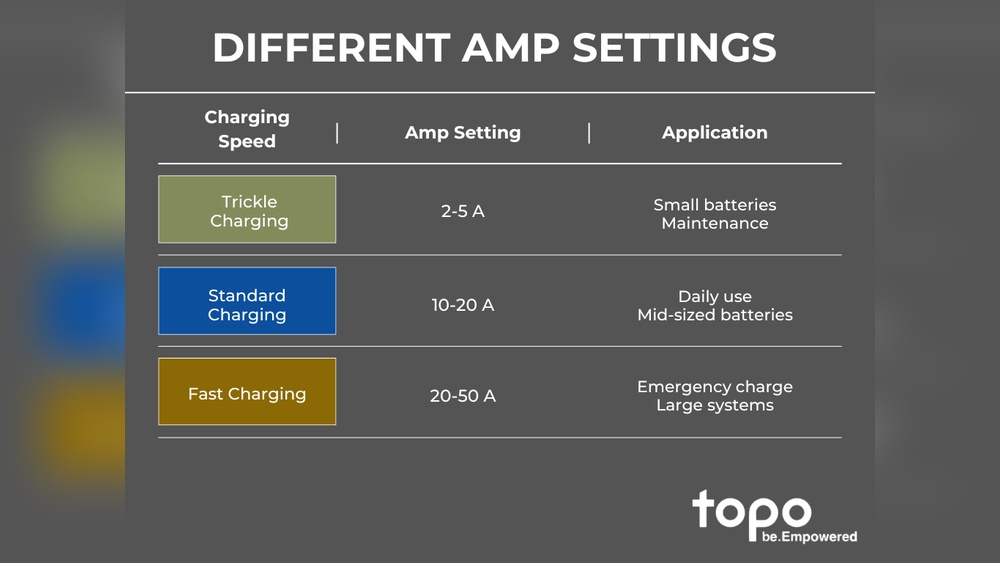
Are you wondering how many amps your car battery charger should have? Choosing the right charger can make a big difference in how quickly and safely your battery gets charged.
If you pick one with too many amps, you risk damaging your battery. Too few amps, and you’ll be waiting forever to get your car running again. You’ll discover exactly what amp rating works best for your car battery, helping you avoid costly mistakes and get back on the road faster.
Keep reading to find out what you need to know!
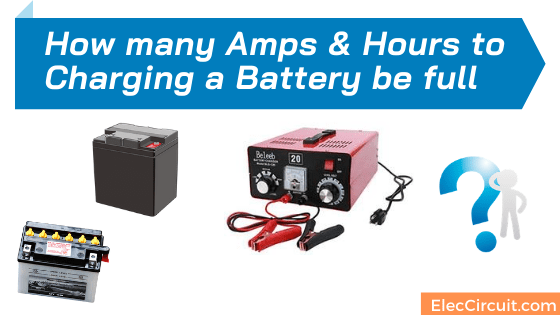
Credit: www.eleccircuit.com
Car Battery Charger Basics
Car battery chargers come in many sizes and power levels. Choosing the right charger depends on your battery and how fast you want to charge it. Understanding the basics helps you pick the best charger for your car. It also helps to know how chargers work and what amps mean for charging speed and safety.
Charging a car battery is not just about plugging in a device. The charger must match the battery type and size. Using the wrong charger can damage the battery or take too long to charge. This section explains the key points about car battery chargers.
What Amps Mean For Charging
Amps show how much electric current a charger delivers. Higher amps mean faster charging. But charging too fast can hurt the battery. Low amps charge the battery slowly but safely. Most car batteries need chargers that deliver between 2 and 10 amps.
For example, a 2-amp charger might take all night to fully charge a battery. A 10-amp charger can do it in a few hours. Always check the battery’s recommended charging rate. This prevents damage and keeps the battery healthy.
Types Of Car Battery Chargers
There are three main types of chargers. Each type works differently and suits different needs.
- Trickle Chargers: Provide a low, steady current. Ideal for maintaining a battery over time.
- Standard Chargers: Offer medium amps for regular charging. Good for daily use.
- Fast Chargers: Deliver high amps quickly. Useful for quick charges but require care.
Choosing the right type depends on how often you use your car and how fast you want the battery charged. Knowing these basics helps you make a smart choice.
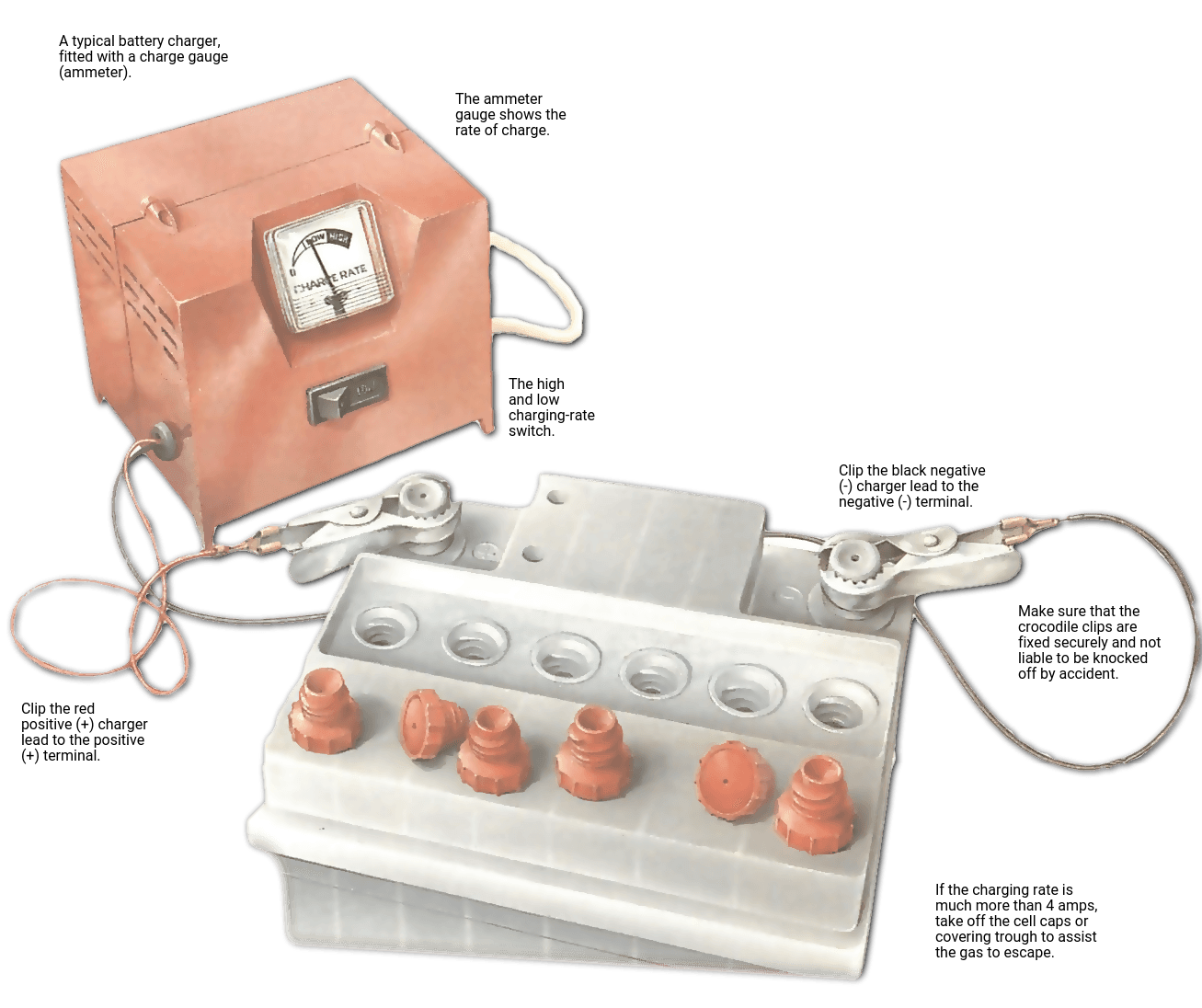
Credit: www.howacarworks.com
Amps And Charging Speed
Amps play a key role in how fast a car battery charger works. The amp rating shows the amount of electric current the charger can send to the battery. Higher amps mean faster charging, but not all batteries need high amps. Understanding amps helps pick the right charger for your battery’s health and speed.
Low Amp Chargers
Low amp chargers usually deliver 1 to 3 amps. They charge slowly and gently. This slow charging protects the battery from damage. It works well for small batteries or when you want to maintain the battery over time. Low amp chargers are safe for overnight charging. They help keep the battery full without overloading it.
High Amp Chargers
High amp chargers can deliver 10 amps or more. They charge the battery quickly. High amps are useful for dead batteries or fast charging needs. But fast charging can cause heat and stress the battery. High amp chargers are best used with caution. Some batteries may not handle high amps well.
Choosing The Right Amp For Your Battery
Match the charger amp to your battery size and condition. Small car batteries need lower amps. Large or deep-cycle batteries may require higher amps. Check your battery manual for recommended charging rates. Use low amps for regular maintenance charging. Use higher amps only for quick boosts or dead batteries. Proper amp choice keeps your battery healthy and lasts longer.
Battery Size And Amp Requirements
Choosing the right charger amps depends on the battery size. Different batteries need different power levels. Using the wrong charger can harm the battery or slow charging. Knowing the battery size helps pick the best charger for quick and safe charging.
Battery size affects how many amps the charger must deliver. Small batteries require less current, while large batteries need more. Charging a small battery with a high-amp charger can cause damage. Large batteries need enough amps to fill quickly without overheating.
Small Vs Large Batteries
Small batteries, like those in motorcycles or compact cars, usually have less capacity. They often require chargers with 1 to 5 amps. Using a lower amp charger is safer and helps avoid overcharging.
Large batteries, such as those in trucks or SUVs, hold more power. They need chargers that deliver 10 amps or more. These chargers fill the battery faster and keep it healthy during charging.
Amp Recommendations By Battery Type
Lead-acid batteries need steady, moderate amps for best results. A charger with 4 to 10 amps is ideal for many lead-acid types. Lithium-ion batteries often need chargers with lower amps, around 2 to 6 amps, to protect battery life.
Gel and AGM batteries require chargers designed to handle their chemistry. Chargers with adjustable amps between 2 and 10 work well. Always check the battery manual for specific amp guidelines to ensure safety.
Impact Of Amp Settings On Battery Life
The amp setting on a car battery charger directly affects the battery’s health. Using the wrong amp can shorten battery life or cause damage. Understanding the impact of amp settings helps keep your battery strong and lasting longer.
Overcharging Risks
High amp settings charge the battery too fast. This causes overheating and can damage the battery plates. Overcharging leads to loss of battery capacity and early failure. It also increases the chance of acid leaks and swelling. Using too many amps wears out the battery quickly.
Benefits Of Proper Amp Usage
Choosing the right amp setting protects the battery’s health. Low and steady amps charge the battery safely. This prevents heat build-up and maintains battery strength. Proper amp use extends battery life and improves performance. It also reduces the need for frequent replacements and saves money.
How To Select A Charger Amp Rating
Selecting the right charger amp rating is key to charging your car battery safely and effectively. The amp rating shows how much current the charger can provide. This affects how fast and how well your battery charges. Choosing the correct amp rating helps protect your battery and saves time.
Matching Charger To Vehicle Needs
Check your car battery size and type before choosing a charger. Small batteries need chargers with lower amps, usually 2 to 6 amps. Large batteries or deep cycle batteries require higher amps, sometimes 10 amps or more. Using a charger with too high amps can damage small batteries. Pick a charger that fits your battery’s requirements for best results.
Considering Charging Time And Safety
Higher amp chargers fill batteries faster but can cause overheating if not monitored. Lower amp chargers take longer but are safer for long-term use. Some chargers have automatic shut-off to stop charging when the battery is full. This prevents overcharging and extends battery life. Balance charging speed and safety by choosing the right amp rating for your needs.
Common Mistakes With Charger Amps
Choosing the right charger amps is important for your car battery’s health. Many people make simple mistakes that can harm the battery or slow charging. Knowing common errors helps avoid damage and improves battery life.
Using Too High Or Too Low Amps
Using too high amps can heat the battery and cause damage. It may also lead to overcharging, reducing battery life. Using too low amps charges the battery very slowly. This can frustrate users and sometimes leaves the battery undercharged.
Pick a charger with amps that match your battery size. A good charger will charge the battery safely and quickly without harm.
Ignoring Manufacturer Guidelines
Battery makers give specific instructions about charger amps. Ignoring these can cause poor performance or damage. Each battery type needs a certain charging rate for best results.
Always read and follow the manufacturer’s guide. This ensures the charger works well with your battery. It also protects the battery from problems caused by wrong amps.
Advanced Features In Modern Chargers
Modern car battery chargers come with advanced features that improve charging efficiency and safety. These features help protect your battery and provide the right amount of power. Smart technology in chargers makes the charging process easier and more effective.
Smart Charging And Amp Control
Smart chargers monitor the battery’s condition during charging. They adjust the amps to match the battery’s needs. This prevents overcharging and extends battery life. The charger stops or slows down when the battery is full. It ensures safe and steady charging every time.
Automatic Amp Adjustment
Chargers with automatic amp adjustment change the current based on battery size. They use low amps for small batteries and higher amps for big ones. This feature avoids battery damage and speeds up charging. It makes the charger flexible for different car batteries. The charger works efficiently without manual settings.
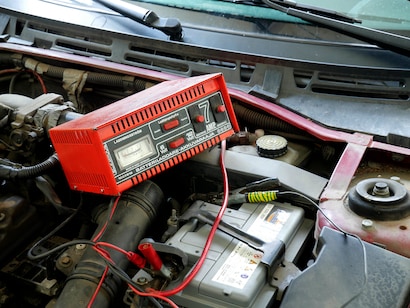
Credit: www.carcitywholesale.com
Frequently Asked Questions
How Many Amps Does A Typical Car Battery Charger Use?
A typical car battery charger uses between 2 to 10 amps. Lower amps charge slowly but safely. Higher amps charge faster but risk battery damage if not monitored.
What Amp Rating Is Best For Slow Charging?
A 2 to 4 amp charger is ideal for slow charging. It preserves battery life by preventing overheating. Slow charging is safer for long-term battery health.
Can A Car Battery Charger With High Amps Damage The Battery?
Yes, high-amp chargers can overcharge and damage batteries. They can cause overheating and reduce battery lifespan. Always use the recommended amp setting for your battery type.
How Long Does A 10-amp Charger Take To Charge?
A 10-amp charger typically takes 1 to 3 hours. Charging time depends on battery size and initial charge level. Faster charging requires careful monitoring to avoid damage.
Conclusion
Choosing the right amps for your car battery charger matters a lot. Too high amps can damage the battery. Too low amps take longer to charge. Most chargers offer between 2 to 10 amps. Match the charger amp to your battery size.
Always read the charger manual before use. Safe charging keeps your battery healthy and lasts longer. Remember, a good charger helps your car start every time. Simple and careful charging works best.


