

You want your car to look its best, right? But how often should you wax and wash your car to keep that fresh, shiny finish?
Too little care, and dirt and grime can damage the paint. Too much, and you might be wasting time and effort. Finding the right balance is key to protecting your investment and making your car stand out on the road.
You’ll discover simple, effective tips on how often to wash and wax your car so it stays clean, glossy, and protected all year round. Keep reading to unlock the secrets to perfect car care!

Credit: fusioncarwash.com
Benefits Of Waxing Your Car
Waxing your car offers many benefits. It keeps your vehicle looking new and clean. Regular waxing protects your car’s surface and improves its appearance. The wax acts as a shield against many harmful elements. It also makes washing your car easier and faster. Here are some key benefits of waxing your car.
Protecting The Paint
Wax creates a protective layer over your car’s paint. This layer guards against sun damage and fading. It also shields your car from dirt and bird droppings. The wax helps prevent scratches and minor chips. This keeps the paint smooth and intact longer.
Enhancing Shine
Wax adds a deep shine to your car’s surface. It brings out the color and makes it look brighter. The shine makes your vehicle stand out on the road. A glossy finish gives your car a fresh and polished look. Regular waxing maintains this shiny appearance.
Repelling Dirt And Water
Wax causes water to bead and roll off your car. This helps reduce water spots and stains. Dirt and grime also have a harder time sticking to the surface. The wax makes cleaning easier and keeps the car cleaner longer. It helps your car stay fresh between washes.
Factors Affecting Waxing Frequency
Waxing your car helps protect its paint and keep it shiny. The frequency of waxing depends on several factors. Understanding these factors helps you decide when to wax your car next. Different situations may require different waxing schedules.
Climate And Weather Conditions
Cars in hot, sunny areas need waxing more often. Sunlight can damage paint and make it fade. Rain and snow can also wear down wax faster. Salt used on roads in winter can harm the car’s surface. Frequent waxing helps protect against these elements. In mild climates, waxing every three to four months is enough.
Type Of Wax Used
Different waxes last for different times. Natural waxes like carnauba protect for a few weeks. Synthetic waxes can last up to six months. Some sealants offer even longer protection. Check the product label for guidance on how long it lasts. Using a longer-lasting wax means less frequent waxing.
Driving Habits And Environment
Driving on rough or dusty roads causes more wear on wax. Frequent washing also removes wax faster. Cars parked outside face more dirt and sun damage. Garage-kept cars keep wax longer. If you drive daily in tough conditions, wax more often. Less driving in clean areas means less waxing needed.
Recommended Waxing Intervals
Waxing your car regularly protects its paint and keeps it shiny. The right waxing interval depends on your car’s use and environment. Different schedules suit different needs and climates. Choose a plan that fits your lifestyle and keeps your car looking great.
Monthly Waxing
Monthly waxing offers the best protection. It keeps dirt and grime off your paint. This schedule works well for cars exposed to harsh weather or pollution. It also helps maintain a deep shine. Monthly waxing takes more effort but gives excellent results.
Quarterly Waxing
Waxing every three months suits most car owners. It balances protection and effort well. This timing prevents dirt build-up and minor paint damage. Quarterly waxing helps your car look clean and fresh. It fits busy schedules and normal driving conditions.
Seasonal Waxing
Waxing four times a year matches the changing seasons. It prepares your car for winter salt, summer sun, and spring rain. Seasonal waxing protects against weather damage. This schedule suits cars parked outdoors or driven less often. It keeps paint safe through all seasons.

Credit: www.fbitn.com
How Often To Wash Your Car
Keeping your car clean is more than just a good look. Dirt, dust, and grime can damage your car’s paint and finish. Knowing how often to wash your car helps protect its value and appearance. This guide explains the best washing habits for your vehicle.
Regular Washing Schedule
Wash your car every two weeks for normal use. This routine removes dirt before it builds up. If your car is parked outside, washing once a week is better. Regular cleaning keeps the paint fresh and shiny.
Washing After Exposure To Elements
Wash your car after heavy rain or snow. These elements carry dirt and salt that harm the paint. Also clean your car after driving on muddy or dusty roads. Removing these substances quickly helps prevent rust and stains.
Using Proper Washing Techniques
Use soft cloths or sponges to avoid scratches. Rinse the car well before washing to remove loose dirt. Wash from top to bottom to stop grime from spreading. Finish with a clean water rinse and dry with a microfiber towel.
Best Practices For Waxing And Washing
Maintaining your car’s shine and protection requires proper waxing and washing techniques. Following best practices helps keep the paint smooth and safe from damage. This section covers key steps to prepare your car, choose the right products, and avoid mistakes.
Preparing The Car Surface
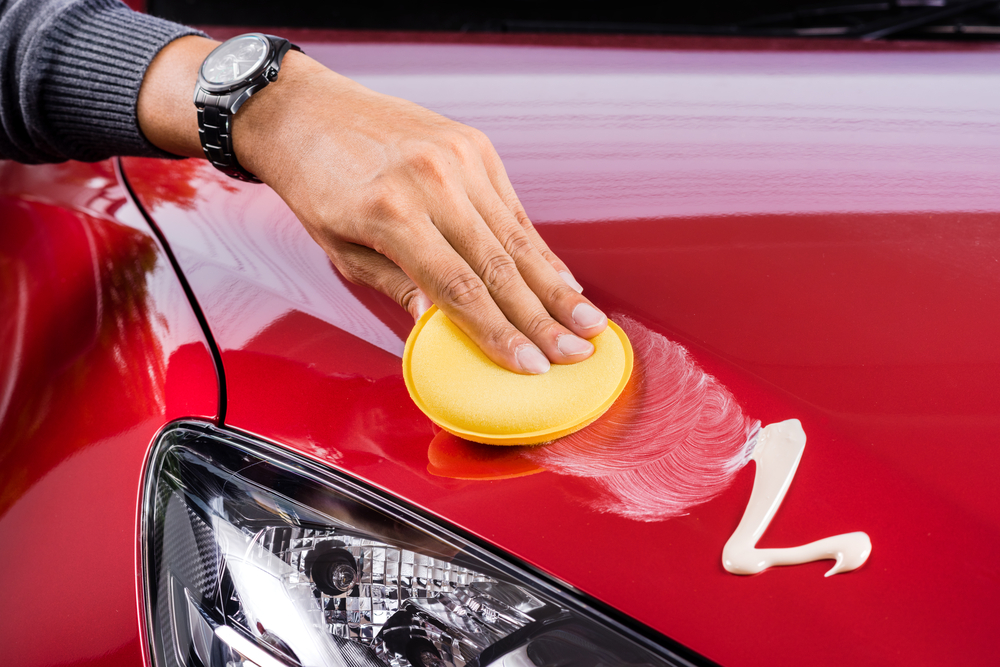
Start by rinsing your car with water to remove loose dirt. Use a soft sponge or mitt with car soap to wash the surface. Avoid household detergents as they can strip wax and damage paint. Dry the car fully with a microfiber towel before waxing. Make sure the car is cool and not in direct sunlight. This prevents streaks and uneven application.
Choosing The Right Products
Select wax that suits your car’s paint type. Paste wax offers longer protection but takes more effort. Liquid wax is easier to apply and works well for regular use. Pick a gentle car shampoo with no harsh chemicals. Use microfiber cloths to apply and buff wax for a smooth finish. Avoid abrasive materials that can scratch the surface.
Avoiding Common Mistakes
Do not wax a dirty or wet car. Dirt can cause scratches under the wax. Avoid applying wax in hot weather to prevent streaks. Don’t use too much wax; thin layers work better. Skip automatic car washes with harsh brushes, as they can wear off wax. Regular washing and waxing keep your car looking new longer.
Credit: www.peoriavw.com
Signs Your Car Needs Waxing Or Washing
Knowing when to wash or wax your car helps keep it looking fresh. Signs on your car’s surface tell you what it needs. Spotting these signs early saves your paint and finish. Watch for dull paint, water spots, and dirt build-up. These clues show your car needs care soon.
Dull Or Faded Paint
Bright shine fades over time. Sun and dirt wear down the paint. If your car looks dull or faded, it needs waxing. Wax adds a protective layer and brings back the shine. Regular waxing keeps colors bright and fresh.
Water Spots And Stains
Water spots happen after rain or washing. Hard water leaves marks that harm paint. Stains from bird droppings or tree sap also damage your car’s surface. Washing removes these spots. Waxing protects against future stains and water damage.
Accumulated Dirt And Grime
Dust and grime build up quickly. Dirt hides scratches and causes paint wear. A dirty car needs a wash to remove grime and protect the finish. Clean surfaces let wax stick better for long-lasting protection.
Frequently Asked Questions
How Often Should I Wax My Car For Best Protection?
Wax your car every 3 to 4 months to maintain a strong protective layer. Regular waxing shields paint from UV rays, dirt, and moisture, keeping your car shiny and protected.
How Frequently Should I Wash My Car To Avoid Damage?
Wash your car every 1 to 2 weeks to remove dirt and contaminants. Frequent washing prevents paint damage and corrosion, ensuring your vehicle stays clean and well-maintained.
Can Waxing Replace Regular Car Washing?
No, waxing cannot replace washing. Washing removes dirt and grime, while waxing protects the paint. Both are essential for proper car care and appearance.
What Happens If I Wax My Car Too Often?
Waxing too often can cause buildup and dullness. Stick to waxing every few months to maintain shine without harming the paint surface.
Conclusion
Waxing your car every three months keeps the paint safe and shiny. Washing it every one to two weeks removes dirt and stops damage. Regular care helps your car look new longer. Too much washing or waxing can harm the surface.
Balance is key. Pay attention to your car’s needs and weather conditions. Simple habits make a big difference in car care. Keep your car clean and waxed for the best protection. Your car will thank you with a fresh, bright look.


